
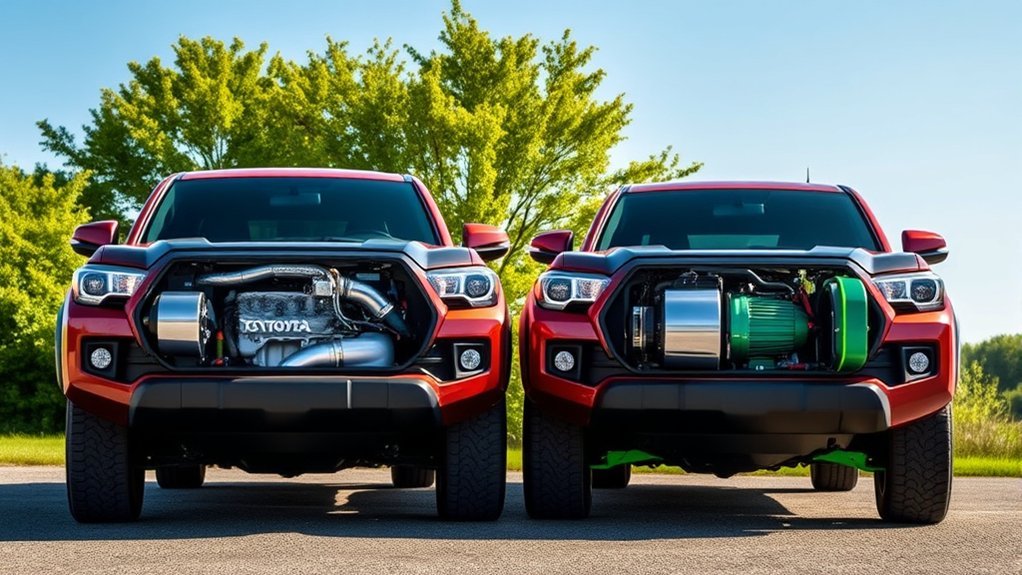
Choosing between the Toyota Tacoma gas and hybrid powertrains is not just about fuel economy. The gas Tacoma is usually the simpler, lower-priced choice with the highest maximum tow rating, while the i-FORCE MAX hybrid Tacoma adds much more torque, strong off-road control, standard hybrid-only utility features, and better city-focused efficiency. The right pick depends on how you drive, what you tow, and whether low-speed power matters more to you than the lowest upfront price.
Quick Answer
Pick the gas Tacoma if you want the lower starting price, available manual transmission, and the highest maximum tow rating of up to 6,500 pounds. Pick the hybrid Tacoma if you want stronger torque, smoother low-speed power, better city efficiency, and hybrid-only features like the standard 2400W AC power supply.
Key Takeaways
- The gas i-FORCE engine makes up to 278 horsepower and 317 lb-ft of torque, while the i-FORCE MAX hybrid makes up to 326 horsepower and 465 lb-ft of torque.
- The gas Tacoma has the higher maximum tow rating at up to 6,500 pounds; the hybrid typically tops out at 6,000 pounds, depending on configuration.
- The hybrid’s main advantage is not huge highway MPG gains. Its biggest benefit is instant low-speed torque for city driving, trails, hills, and controlled towing.
- EPA fuel economy varies by trim and drivetrain, but the hybrid is generally strongest in stop-and-go driving.
- Always check the exact door-jamb payload label, owner’s manual, and Toyota spec sheet for the specific truck you are buying.
Key Differences Between Gas and Hybrid Tacoma Models
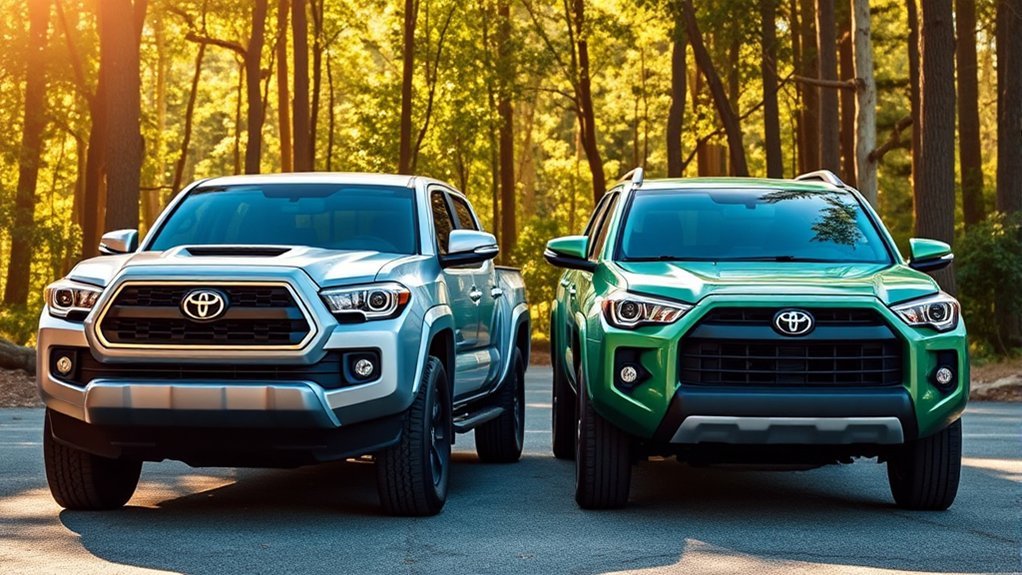
The gas and hybrid Toyota Tacoma models are built around different priorities. The standard i-FORCE 2.4L turbocharged engine delivers up to 278 horsepower and 317 lb-ft of torque. It is the better fit if you want a lower purchase price, simpler powertrain layout, and the highest available maximum towing figure.
The i-FORCE MAX hybrid uses a turbocharged 2.4L engine with electric assist. Toyota lists it at up to 326 horsepower and 465 lb-ft of torque, which gives it a major torque advantage over the gas version. That extra torque shows up most at low speeds: pulling away from a stop, climbing a grade, crawling over rocks, or keeping a trailer moving smoothly.
The trade-off is simple: the gas Tacoma wins on maximum towing and starting cost, while the hybrid Tacoma wins on torque, responsiveness, city efficiency, and built-in utility features.
| Category | Gas Tacoma i-FORCE | Hybrid Tacoma i-FORCE MAX |
|---|---|---|
| Power | Up to 278 hp | Up to 326 hp |
| Torque | Up to 317 lb-ft | Up to 465 lb-ft |
| Maximum towing | Up to 6,500 lbs when properly equipped | Up to 6,000 lbs when properly equipped |
| Transmission | 8-speed automatic or available 6-speed manual on select trims | 8-speed automatic |
| Best for | Lower cost, higher max tow rating, traditional truck feel | Torque, trail control, city driving, built-in power supply |
What Powers the Gasoline Tacoma: Specs and Performance
The gasoline Tacoma uses Toyota’s 2.4L i-FORCE turbocharged four-cylinder engine. In higher-output versions, it produces up to 278 horsepower and 317 lb-ft of torque. That gives the Tacoma strong daily drivability without relying on a V6.
For drivers who want a more traditional truck experience, the gas Tacoma has two major advantages. First, it is usually less expensive to buy than the hybrid. Second, select i-FORCE models offer a six-speed intelligent manual transmission, which is not available with the hybrid powertrain.
Gas Tacoma Towing and Payload
When properly equipped, the gas Tacoma can tow up to 6,500 pounds. Payload depends on trim, cab, bed, drivetrain, and options, but Toyota lists the 2026 Tacoma at up to 1,705 pounds of payload capacity.
That makes the gas model a strong choice for owners who regularly tow small campers, utility trailers, dirt bikes, ATVs, or light work trailers and want the highest rating available in the Tacoma lineup.
Note: Maximum tow and payload ratings are not the same on every Tacoma. Ratings change by trim, cab, bed length, drivetrain, axle, wheel package, and installed options. Always verify the exact truck’s payload label and Toyota specifications before towing or hauling.
Tacoma Fuel Efficiency: How the Hybrid Outperforms Gasoline
The hybrid Tacoma is more efficient than the gas model in the situations where hybrids usually shine: stop-and-go driving, low-speed movement, short city trips, and repeated acceleration from a stop. The electric motor can assist the gas engine during those high-load moments, helping the truck feel stronger without working the engine as hard.
For 2026, Toyota summarizes the i-FORCE MAX hybrid at an EPA-estimated 23 MPG combined rating. Toyota also lists Tacoma Hybrid ratings of up to 22 MPG city and 24 MPG highway on its hybrid truck page. On FuelEconomy.gov, 2025 Tacoma ratings vary by exact configuration, with some Tacoma Hybrid 4WD listings showing 22 or 23 MPG city and 24 MPG highway.
The gas Tacoma can still be efficient for a midsize truck. Toyota lists the standard i-FORCE engine at up to 26 MPG highway, depending on configuration. On longer highway drives, the gap between gas and hybrid may be smaller than buyers expect. In city use, the hybrid has the clearer advantage.
The hybrid Tacoma’s biggest win is torque, not just MPG. Its 465 lb-ft output gives it about 47% more torque than the gas engine’s 317 lb-ft rating.
Towing and Payload Capabilities: Gas vs. Hybrid
For towing, the gas Tacoma has the headline advantage. Properly equipped gas models can tow up to 6,500 pounds. The i-FORCE MAX hybrid generally tops out at 6,000 pounds. That 500-pound difference matters if you regularly tow near the truck’s limit.
But numbers do not tell the full story. The hybrid’s 465 lb-ft of torque can feel stronger at low speeds, especially when launching a trailer, climbing a hill, or moving slowly on uneven ground. The gas model has the higher maximum rating, but the hybrid may feel easier and more confident in many real-world low-speed towing situations.
| Powertrain | Maximum Towing | Maximum Payload | Towing Personality |
|---|---|---|---|
| i-FORCE Gas | Up to 6,500 lbs | Up to 1,705 lbs | Best for highest rated towing and lower purchase cost |
| i-FORCE MAX Hybrid | Up to 6,000 lbs | Up to about 1,710 lbs, depending on configuration | Best for low-speed torque, hills, trails, and smooth launches |
Warning: Never tow based only on the advertised maximum rating. Subtract passengers, cargo, accessories, tongue weight, and anything in the bed from the available payload. Exceeding payload, GVWR, GCWR, or tongue-weight limits can reduce braking control and stability.
[Products Worth Considering]

Designed for Toyota Camry models from 2001 to 2026, this full set seat cover offers complete 360-degree protection for a cleaner, more refined interior. The premium faux leather build with thick padding and memory foam enhances comfort while helping guard against spills, stains, dirt, and daily wear. It is a practical upgrade for drivers who want added style, durability, and easier maintenance.

These heavy-duty running boards are designed to improve access to your 2024-2026 Toyota Tacoma while preserving off-road clearance. Built for Double Cab and Crew Cab models, they provide a sturdy step for daily entry, loading roof gear, and rugged trail use. With a no-drill installation and durable construction, they deliver dependable support and long-lasting convenience.

These clip-on towing mirrors expand your rear view for safer towing, helping you see your trailer and blind spots more clearly when changing lanes or backing up. The dual-arm design adds stability and reduces vibration, while the adjustable fit and weather-resistant build support reliable use on trucks, SUVs, RVs, and trailers.
What to Expect in Real-World Towing: Gas vs. Hybrid
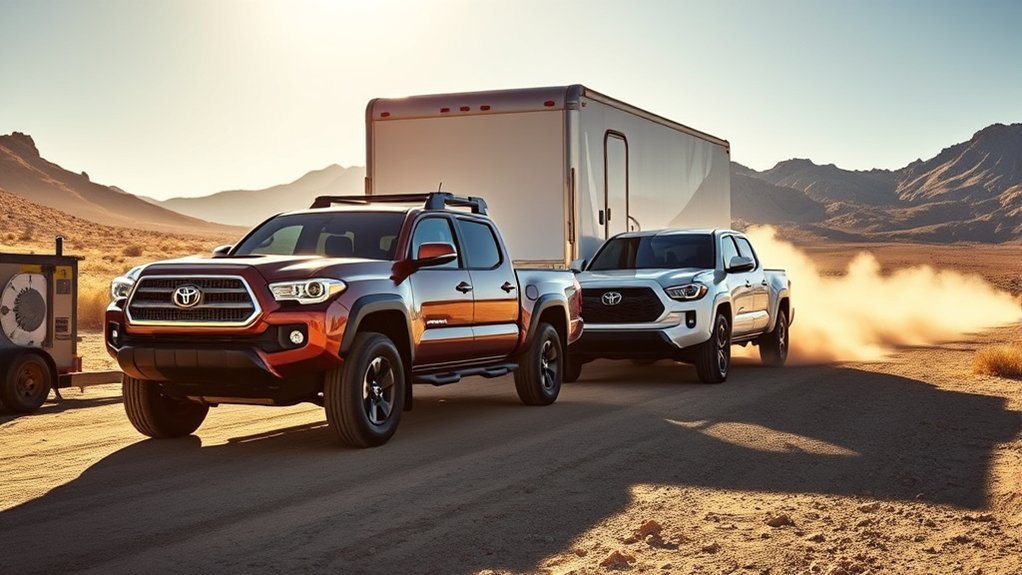
In real-world towing, the better Tacoma depends on how close you are to the limit and what kind of terrain you drive through.
- Choose gas if you tow near the maximum rating: The gas Tacoma’s 6,500-pound maximum rating gives it the edge for heavier trailers.
- Choose hybrid if you tow in hills or at low speeds: The hybrid’s electric assist delivers torque quickly, which helps with smoother takeoffs and better control.
- Choose gas if you want lower long-term complexity: Some buyers prefer the simpler non-hybrid setup, especially if they keep trucks for a long time outside warranty.
- Choose hybrid if you camp, work outdoors, or use tools: Hybrid models include a standard 2400W AC power supply in the cabin and bed, according to Toyota.
- Check payload before trailer weight: Many midsize truck owners hit payload limits before they hit the advertised tow rating.
Pro Tip: If you are shopping for a Tacoma to tow a camper, compare the trailer’s loaded weight and tongue weight, not just its dry weight. Add passengers, water, tools, hitch hardware, bikes, and camping gear before deciding which Tacoma is enough.
Innovative Tech and Interior Features in Tacoma Trims
Both gas and hybrid Tacoma trims offer modern tech, but the hybrid trims often bundle more premium equipment. The Tacoma lineup includes an 8-inch standard touchscreen or an available 14-inch multimedia touchscreen. Higher trims can add a 12.3-inch digital gauge cluster, head-up display, digital rearview mirror, wireless Apple CarPlay, wireless Android Auto, and JBL premium audio with a removable JBL FLEX portable speaker.
The i-FORCE MAX hybrid adds displays that help show power flow and hybrid system behavior. Hybrid models also come with Drive Mode Select, and Toyota lists Tow/Haul mode as standard on all i-FORCE MAX models.
Safety tech is strong across the lineup. Toyota says the 2026 Tacoma comes standard with Toyota Safety Sense 3.0, which includes features such as Pre-Collision System with Pedestrian Detection, Lane Departure Alert with Steering Assist, Full-Speed Range Dynamic Radar Cruise Control, Lane Tracing Assist, Road Sign Assist, Automatic High Beams, and Proactive Driving Assist.
Off-Road Performance: Which Tacoma Is Better for Adventure?
For off-road driving, both gas and hybrid Tacoma models can be excellent, depending on the trim. TRD Off-Road, TRD Pro, and Trailhunter models bring the biggest trail upgrades, including available or standard features such as Multi-Terrain Select, CRAWL Control, underbody protection, recovery points, and an electronically locking rear differential.
The hybrid has a real advantage on technical terrain because of its immediate torque. That makes it easier to move slowly and smoothly over rocks, ruts, mud, and steep grades. Toyota also makes the Trailhunter and TRD Pro exclusive to the i-FORCE MAX hybrid powertrain, which means the most specialized factory off-road Tacomas are hybrid-only.
The gas Tacoma can still be the better choice for some off-road buyers. It is lighter in some configurations, usually costs less, and can be paired with the available manual transmission on select trims. For drivers who want a simpler trail truck and do not need the hybrid’s extra torque, the gas TRD Off-Road remains a strong pick.
Best Off-Road Choice by Use Case
- Rock crawling and steep trails: Hybrid, because instant torque helps with smooth low-speed control.
- Budget trail build: Gas, because the lower starting price leaves more room for tires, recovery gear, armor, and suspension upgrades.
- Overlanding: Hybrid Trailhunter, because it combines i-FORCE MAX torque with overlanding-focused factory hardware.
- Desert-style performance: Hybrid TRD Pro, because it pairs the hybrid powertrain with FOX QS3 shocks and Toyota’s IsoDynamic Performance Front Seats.
What You Need to Know About Costs: Gas vs. Hybrid
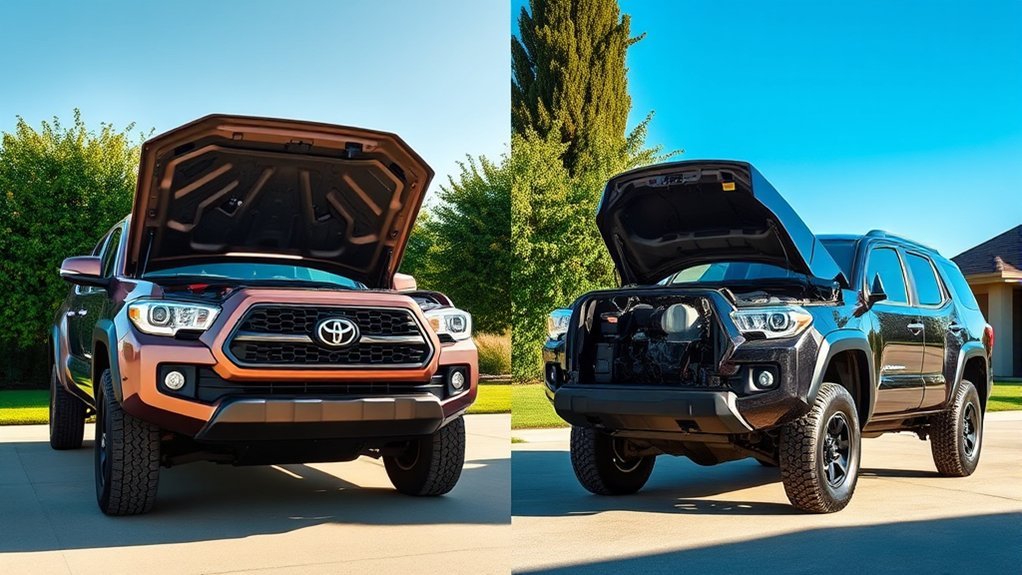
The gas Tacoma usually costs less upfront. That makes it the better choice if your top priority is keeping the purchase price low. It may also appeal to owners who want less hybrid-specific hardware to maintain after the warranty period.
The hybrid Tacoma costs more, but it gives you more power, far more torque, and added features. Toyota lists 2026 i-FORCE MAX models with a standard 2400W AC power supply in both the cabin and bed. For campers, contractors, tailgaters, and overlanders, that built-in power can be a real advantage.
Warranty coverage is another point in the hybrid’s favor. Toyota states that hybrid components are covered for 8 years or 100,000 miles, and the hybrid battery is covered for 10 years or 150,000 miles. That does not make the hybrid free to own, but it reduces some buyer concern about long-term battery coverage.
[Products Worth Considering]

These custom mud flaps are designed to fit select 2026 Toyota RAV4 models and help protect the lower body from mud, snow, gravel, sand, and road debris. Built for a no-drill installation using factory mounting points, they offer a clean, secure fit with added stability for everyday driving and harsh weather conditions.
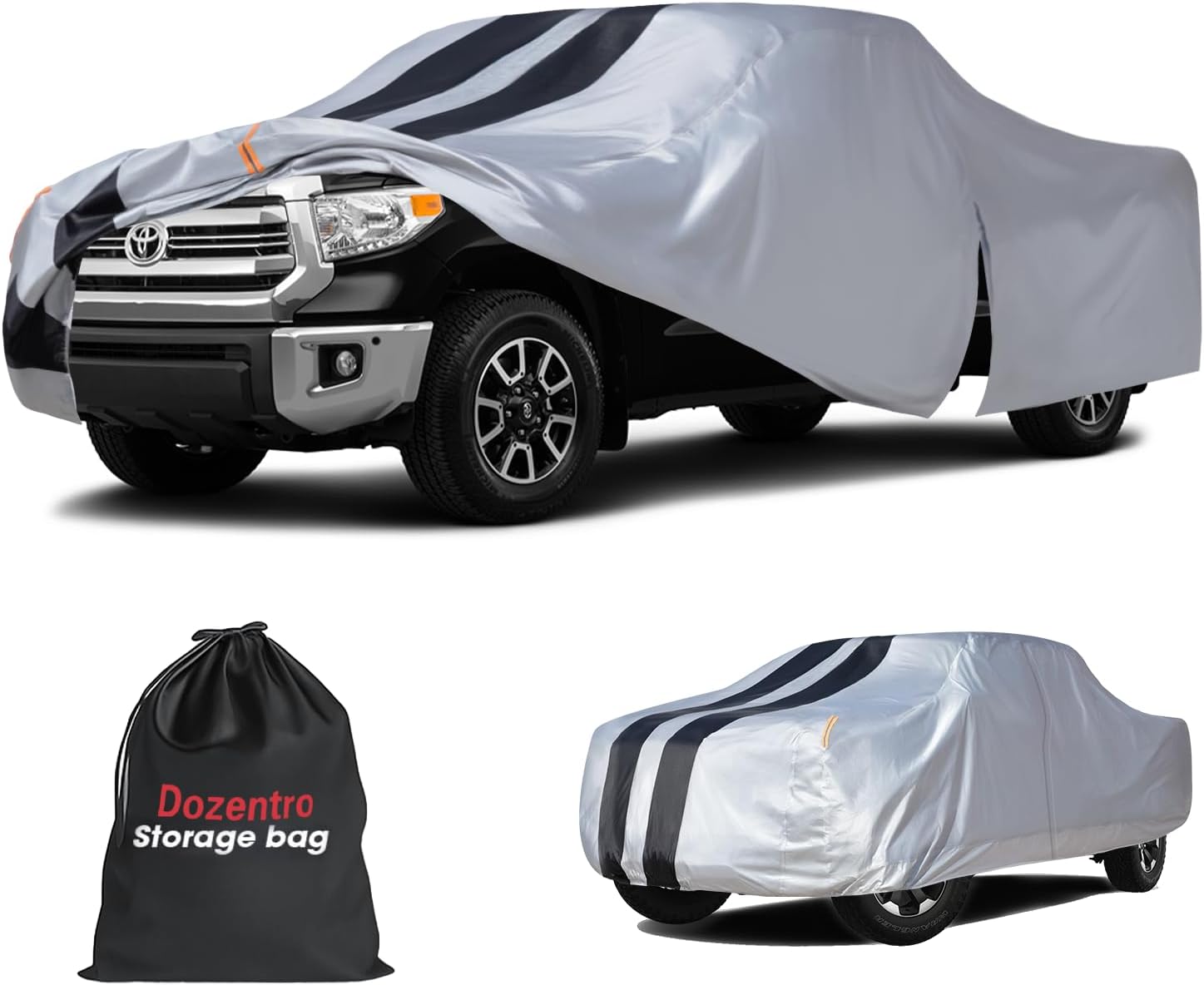
This custom-fit truck cover is designed for Tundra Double and CrewMax Cab short bed models, delivering year-round protection with a waterproof outer layer and all-weather coverage. A driver-side zipper allows easy cabin access, while the soft interior helps protect paint and reinforced wind straps improve stability in strong conditions. It also includes a storage bag and towel for convenient care and storage.
Fuel Savings Reality Check
Do not buy the hybrid Tacoma only because you expect huge fuel savings. The hybrid is more efficient in city driving, but it is also more expensive upfront. If you mostly drive highway miles, the fuel savings may take a long time to offset the purchase-price difference. If you drive in traffic, tow on hills, off-road often, or use the AC power supply, the hybrid value case becomes stronger.
Real-World Driving Experiences: Gas vs. Hybrid Tacoma Owners Speak
Gas Tacoma owners often like the simpler feel, lower price, available manual transmission, and higher maximum tow rating. The gas engine has enough torque for normal daily driving, and it is a practical fit for work use, commuting, weekend hauling, and light towing.
Hybrid Tacoma owners are more likely to praise the truck’s punchy acceleration and low-speed strength. The extra torque makes the hybrid feel confident when merging, climbing, towing, or moving through uneven terrain. The standard 2400W power supply also gives the hybrid a practical edge for camping and job-site use.
The main complaint from hybrid shoppers is cost. The main complaint from gas shoppers is that the hybrid feels stronger and more premium. That is why the best choice depends less on which powertrain is “better” and more on which one fits your actual use.
Making the Right Choice: Which Tacoma Fits Your Lifestyle?
The easiest way to choose is to start with your heaviest job. If your Tacoma will regularly tow near the top of its rating, the gas model’s higher maximum tow number matters. If your truck will spend most of its life in traffic, on trails, on hills, or powering gear at a campsite, the hybrid’s torque and utility features may be worth the higher price.
| Choose This Tacoma | If You Care Most About | Why It Fits |
|---|---|---|
| Gas Tacoma | Lower upfront cost | Usually less expensive than comparable hybrid trims |
| Gas Tacoma | Maximum towing | Properly equipped gas models reach up to 6,500 lbs |
| Gas Tacoma | Manual transmission | Select gas trims offer a 6-speed manual |
| Hybrid Tacoma | Torque and response | 465 lb-ft of torque gives stronger low-speed pull |
| Hybrid Tacoma | Off-road control | Instant torque helps on rocks, grades, and technical trails |
| Hybrid Tacoma | Camping and work power | Standard 2400W AC power supply on i-FORCE MAX models |
Note: If you are buying used or comparing dealer inventory, check the window sticker, payload label, service history, and open recalls. You can use the NHTSA recall lookup to search by VIN.
[Products Worth Considering]
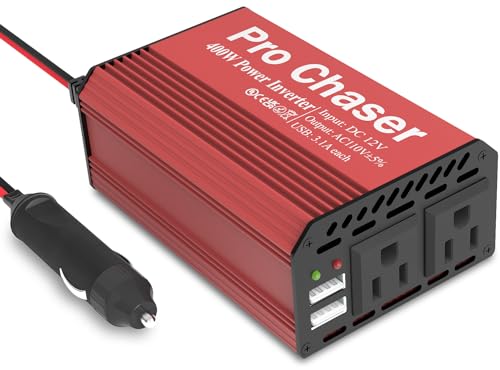
【Pro Chaser Power Inverter Basics】: This inverter provides a steady 400W of DC to AC power with a peak output of 800W. Equipped with dual 110V AC sockets and two high-speed 3.1A USB ports, it's perfect for powering your devices on the go.
Frequently Asked Questions
Is the hybrid Tacoma better on gas than the normal gas Tacoma?
Yes, the hybrid Tacoma is generally better in city and stop-and-go driving. Its advantage is smaller on the highway. Toyota lists the 2026 i-FORCE MAX hybrid at 23 MPG combined, while individual EPA ratings vary by trim and drivetrain.
What is the main difference between the Tacoma and the Tacoma Hybrid?
The main difference is the powertrain. The gas Tacoma uses the i-FORCE 2.4L turbo engine with up to 278 horsepower and 317 lb-ft of torque. The Tacoma Hybrid uses the i-FORCE MAX turbo-hybrid system with up to 326 horsepower and 465 lb-ft of torque.
How does the Tacoma hybrid system work?
The i-FORCE MAX system pairs a turbocharged 2.4L gas engine with electric assistance and an 8-speed automatic transmission. The electric motor helps deliver torque quickly, especially from a stop, at low speeds, and during high-load driving.
Does the Tacoma Hybrid tow less than the gas Tacoma?
Yes. Properly equipped gas Tacoma models can tow up to 6,500 pounds, while the i-FORCE MAX hybrid tops out at about 6,000 pounds. The hybrid has the lower maximum rating but much more torque for smooth low-speed towing.
Is a Toyota hybrid better than gas?
A Toyota hybrid can be better if you want more low-speed torque, better city efficiency, and added hybrid features. A gas Toyota can be better if you want a lower purchase price, simpler ownership, or the highest tow rating available in the Tacoma lineup.
Conclusion
The gas Toyota Tacoma is the better choice if you want the lower price, available manual transmission, simpler powertrain, and highest maximum tow rating. The hybrid Toyota Tacoma is the better choice if you want stronger torque, smoother low-speed response, better city efficiency, serious off-road control, and the useful 2400W power supply. For most daily drivers and trail-focused buyers, the hybrid feels stronger and more flexible. For towing near the limit or keeping the purchase price down, the gas Tacoma still makes the most sense.
Sources
- Toyota USA Newsroom: The 2026 Toyota Tacoma Adventure Awaits — powertrain output, towing, payload, trim features, safety features, warranty details, and 2026 model-year updates.
- Toyota Hybrid Trucks — Tacoma Hybrid power, 2400W AC power supply, and Toyota-listed hybrid MPG information.
- Toyota Vehicles for Towing — Tacoma maximum towing capacity and towing technology overview.
- FuelEconomy.gov: 2025 Toyota Tacoma — EPA fuel economy listings by Tacoma configuration.
- FuelEconomy.gov: 2025 Toyota Tacoma Hybrid 4WD — EPA hybrid fuel economy details for a Tacoma Hybrid 4WD configuration.
- NHTSA Recall Lookup — VIN-based recall checks for shoppers comparing new or used Tacoma models.

[…] Availability still varies by drivetrain, cab, bed, package, region, and dealer allocation. Use Toyota’s current build tool and verify the transmission on the window sticker before placing a deposit. For a separate powertrain comparison, see the site’s Tacoma gas vs. hybrid guide. […]