
Toyota’s 2026 U.S. Tacoma maintenance guide does not list brake-fluid replacement as a scheduled 20,000-mile item. It calls for the brake-fluid level and condition to be inspected every 5,000 miles or six months. Approve a flush when the inspection, service history, fluid test, leak diagnosis, hydraulic repair, or brake feel supports it, not simply because the odometer reached 20,000 miles.
Last updated: July 31, 2026. This revision adds Toyota recall guidance, model-year fluid specifications, tester limitations, and a clearer service-approval checklist.
Quick Answer
A Tacoma usually does not need an automatic brake-fluid flush at 20,000 miles. Toyota’s current U.S. maintenance guide calls for regular inspection of fluid level and condition. Replace the fluid when testing, contamination, service history, a hydraulic repair, a leak diagnosis, or brake symptoms justify it.
Key Takeaways
- Toyota does not list an automatic Tacoma brake-fluid replacement at 20,000 miles in its 2026 U.S. maintenance chart.
- Toyota lists “All Fluid Levels” for inspection every 5,000 miles or six months, and the notes include brake-fluid level and condition.
- A tester result in its service range, visible contamination, unknown history, hydraulic repair, repeated low fluid, or a soft pedal can justify service.
- A $170 quote should be judged by its scope: complete exchange, correct fluid, four-circuit bleeding, inspection, and documentation.
- Certain 2024–2025 Tacomas are covered by a rear brake-hose recall. A fluid exchange does not repair a leaking or damaged hose.
- Use only the brake fluid approved in your Tacoma owner’s manual or on its reservoir cap.
Tacoma Brake-Fluid Decision Guide
| Scheduled replacement at 20,000 miles | Not listed in Toyota’s 2026 U.S. Tacoma maintenance chart |
| Toyota’s scheduled action | Inspect brake-fluid level and condition every 5,000 miles or six months |
| Good reasons to approve service | Failed or warning-range test, contamination, unknown history, hydraulic repair, repeated low level, or diagnosed brake symptoms |
| Insufficient reasons by themselves | Mileage alone, a generic dealer menu, or fluid color without supporting inspection findings |
| Recall check | Check the VIN of a 2024–2025 Tacoma if fluid is low or a rear-hose issue is suspected |
| Correct fluid | The DOT specification printed in the exact model-year manual or on the reservoir cap |
Do You Need a Brake Fluid Flush at 20,000 Miles?
Usually, no. Reaching 20,000 miles does not automatically make a Tacoma’s brake fluid unserviceable. The scheduled task is to inspect the level and condition, then act on what the inspection shows.
Brake fluid is hygroscopic, which means it absorbs moisture over time. Added moisture can lower its boiling point and contribute to corrosion inside the hydraulic system. Mileage is only one factor. Calendar age, climate, towing, off-road exposure, repeated heavy braking, repairs, and storage conditions also matter.
A two- or three-year-old truck in a humid climate may deserve closer testing even with low mileage. A newer truck with clean fluid, a firm pedal, no leaks, and a satisfactory test may need only a documented inspection.
Note: A dealer recommendation is not proof by itself. Ask for the inspection result, test method, fluid condition, reason for service, and exact exchange procedure before approving the work.
What Does Toyota Recommend for Tacoma Brake Fluid?
For the 2026 U.S. Tacoma, Toyota schedules maintenance every 5,000 miles or six months, whichever comes first. The maintenance chart lists “All Fluid Levels” for inspection at each interval, and the related note says this includes brake-fluid level and condition.
The guide contains no scheduled brake-fluid replacement line at 20,000 miles. It also explains that a dealer may recommend additional work after an inspection, but services outside the scheduled chart are not automatically required to maintain warranty coverage.
In practical terms, Toyota’s published approach is condition-based: inspect the fluid regularly, investigate symptoms or fluid loss, and replace the fluid when the findings support replacement. Always check the guide for the exact model year because specifications and service procedures can change.
At 20,000 miles, ask for evidence rather than relying on the odometer alone: the inspection finding, test result, service history, leak check, and proposed exchange procedure.
What Signs Mean a Tacoma Needs Brake-Fluid Service Now?
Do not wait for a mileage interval when the brake system is already showing a warning sign. A flush may be part of the repair, but it should not replace diagnosis of a leak, trapped air, worn component, or hydraulic fault.
Spongy or Sinking Brake Pedal
A soft, spongy, or slowly sinking pedal may indicate air in the lines, a leak, degraded fluid, or a failing hydraulic component. The shop should identify the cause before treating a fluid exchange as the complete solution.
Dark, Cloudy, or Gritty Fluid
Fresh brake fluid is generally clear to light amber. Dark, cloudy, muddy, or gritty fluid is a contamination warning, but color alone does not measure moisture. Combine its appearance with service history, test results, pedal feel, and a leak inspection before authorizing service.
Tester Result in the Service Range
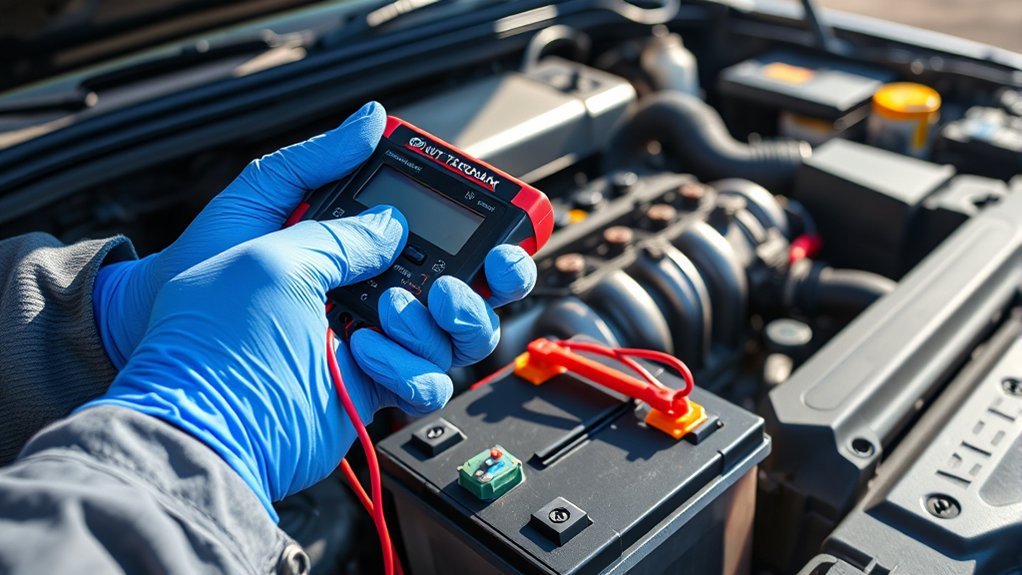
Ask whether the reading falls within the tester manufacturer’s warning or replacement range. A conductivity-style pen is a quick screening tool. Test strips may evaluate different properties, while a boiling-point instrument checks heat resistance more directly.
Toyota does not publish one universal water-percentage replacement threshold for every Tacoma. When a quick-test result is borderline or disputed, ask for the device used, the recorded result, a second test method, or a qualified brake inspection.
Frequent Low Fluid
The reservoir level can fall gradually as brake friction material wears, but repeated refilling is not normal. It may indicate a leak or another brake-system problem. Do not keep topping off the reservoir without finding the cause.
Brake Warning Light or ABS Concerns
If the brake warning light, ABS light, or unusual braking behavior appears, do not treat it as a routine maintenance upsell. Have the system scanned and inspected by a qualified technician before driving further than safety permits.
Warning: Brake fluid can damage paint and irritate skin or eyes. Use safety glasses, protect painted surfaces, keep dirt out of the reservoir, and use fluid from a freshly opened container.
Does the 2024–2025 Tacoma Brake-Hose Recall Affect This Decision?
Toyota expanded a safety recall covering certain 2024–2025 Tacoma trucks. On affected vehicles, accumulated mud and dirt may damage the rear brake hoses and allow brake fluid to leak. Eligibility depends on the vehicle configuration and VIN, not merely the model year.
A brake-fluid flush does not repair a damaged hose. If a covered truck has low fluid, a warning light, visible leakage, or reduced braking performance, check the VIN through Toyota’s recall lookup and have the hydraulic system inspected. Toyota states that dealers will replace the affected rear brake hoses at no charge for covered vehicles.
Safety Note: Do not assume a low reservoir only means the fluid is old. A leak must be found and repaired before the system is refilled, bled, and returned to service.
Which Brake Fluid Does a Toyota Tacoma Use?
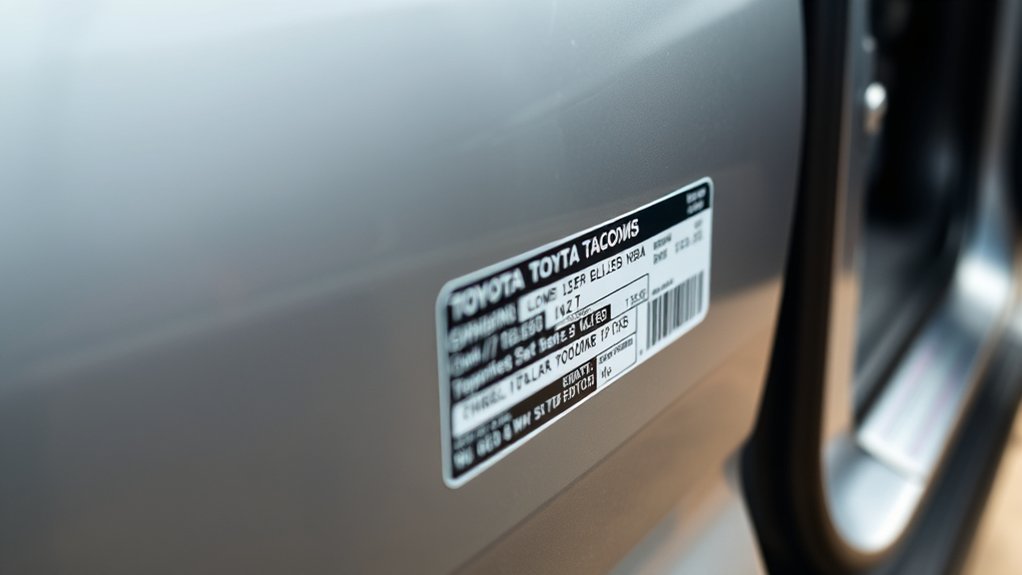
Use the specification printed in your exact Tacoma owner’s manual and on the brake-fluid reservoir cap. Do not assume every model year accepts the same fluid.
| Example Model Year | Toyota-Published Specification | Owner Action |
|---|---|---|
| 2020 Tacoma | FMVSS No. 116 DOT 3 or SAE J1703 | Use DOT 3 that meets the listed specification |
| 2024 Tacoma | FMVSS No. 116 DOT 3 or SAE J1703, or DOT 4 or SAE J1704 | Confirm the cap and exact manual before selecting fluid |
| Other model years | Specification can differ | Follow the exact model-year manual rather than a generic chart |
DOT 3 and DOT 4 are governed by federal performance requirements, and DOT 4 has higher minimum dry and wet boiling points. However, a higher category number does not give permission to ignore Toyota’s model-year specification.
Never use silicone-based DOT 5 unless the vehicle manufacturer specifically requires it. Do not interpret chemical compatibility between glycol-based fluids as permission to mix products or specifications casually.
Brake-Fluid Flush vs. Exchange: What Should the Invoice Mean?
Shops may use “flush,” “exchange,” and “bleed” loosely, so ask what will actually be done. A complete exchange moves fresh fluid from the reservoir through the hydraulic circuits until old fluid and air are removed at the wheel-end bleeders.
| Procedure | What It Does | What to Confirm |
|---|---|---|
| Reservoir service | Removes fluid only from the master-cylinder reservoir and refills it | This does not exchange most fluid inside the lines and wheel circuits |
| Complete fluid exchange | Moves fresh fluid through each hydraulic circuit | Correct fluid, proper bleeding sequence, clean output, and firm final pedal |
| Diagnostic bleed or repair bleed | Removes air after a repair or addresses a hydraulic concern | The original fault is diagnosed and repaired before bleeding is considered complete |
Replacing only the reservoir fluid can improve its appearance without exchanging the fluid held in the rest of the system. Ask the advisor to describe the procedure on the estimate so quotes can be compared fairly.
[Products Worth Considering]
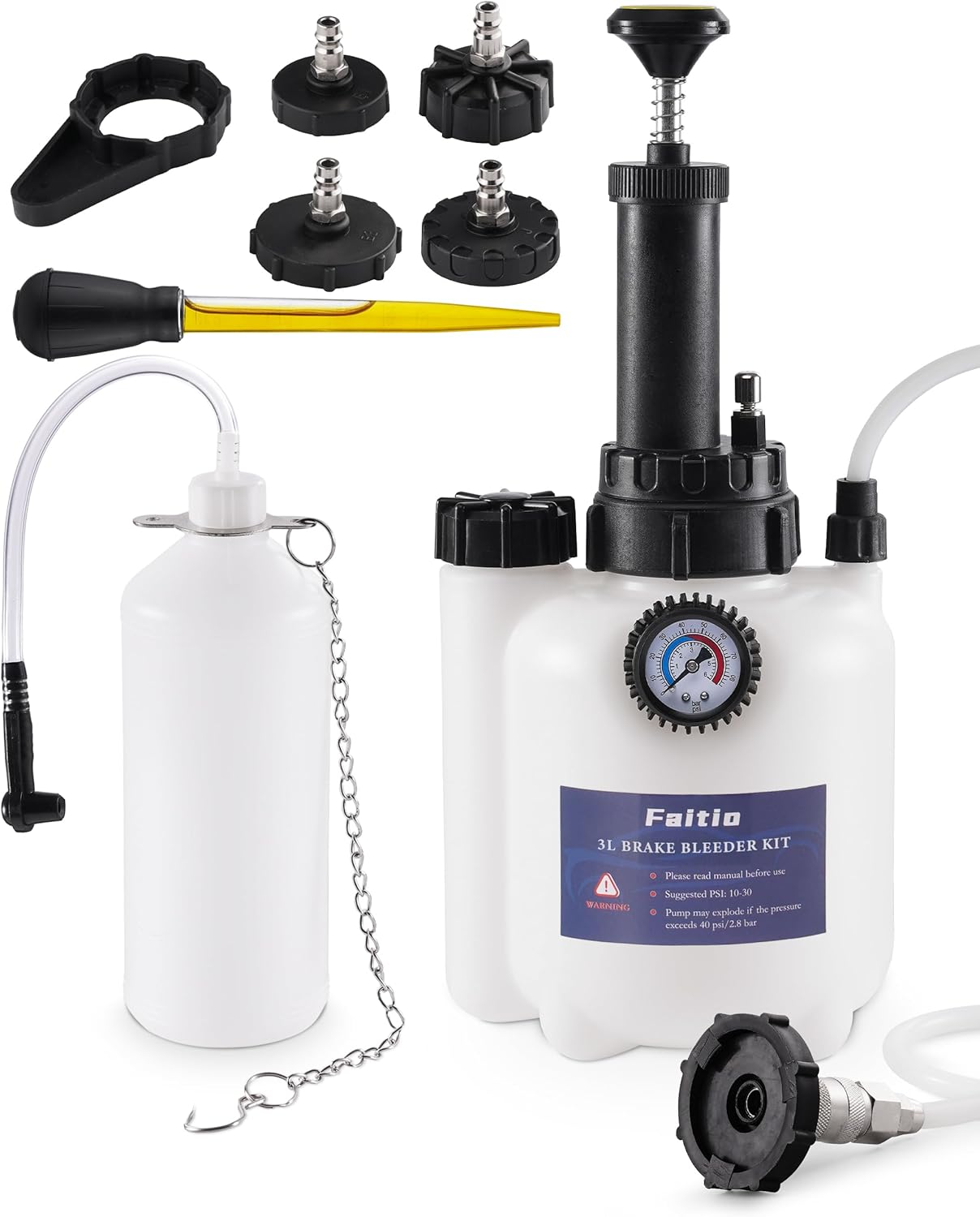
This one-man brake bleeding kit helps flush old brake fluid and remove trapped air for firmer, more responsive braking without the hassle of a second person. Its improved sealing and translucent catch bottle help prevent leaks while making fluid level checks easy during use. With multiple adapter sizes for many vehicle makes, it is a practical tool for clean, efficient brake system maintenance.

This universal brake bleeder kit makes one-person brake and clutch line bleeding simple by using compressed air to create stable vacuum-assisted fluid flow. Its extra-large 3L tank helps complete full-system flushes with fewer interruptions, while the included refill bottle, flexible hose, and universal adapter support clean, efficient use on standard and ABS brake systems.

The Mityvac MV8500 Silverline Elite is a versatile automotive service kit for brake and clutch bleeding, diesel fuel priming, and vacuum or pressure testing. Its dual-capability pump streamlines diagnostics and maintenance across motorcycles, cars, trucks, and SUVs, while the ergonomic design supports comfortable use during longer jobs. Built with a durable zinc-aluminum die-cast body and a 4.5oz fluid reservoir, it delivers reliable performance for professional and DIY repair work.
What Should a $170 Dealer Brake-Fluid Service Include?
A $170 quote can be reasonable in some markets, but the price alone does not determine value. A complete service should be more than removing old fluid from the reservoir and adding new fluid.
A properly scoped service may include:
- Recording the inspection finding or test result that supports service
- Removing contaminated fluid from the master-cylinder reservoir
- Filling with the DOT fluid approved for the exact model year
- Moving fresh fluid through every applicable wheel circuit
- Following the factory bleeding sequence and model-specific procedure
- Inspecting brake lines, hoses, calipers, wheel cylinders where fitted, pads or shoes, rotors or drums, and visible leaks
- Using required scan-tool procedures if air has entered an ABS hydraulic unit
- Checking pedal feel and inspecting for leaks after service
- Documenting the fluid type, mileage, date, and reason for the work
The quote may reflect labor, fluid, equipment, disposal, inspection time, and dealership recordkeeping. Ask whether the estimate covers a complete exchange or only a reservoir service.
Pro Tip: Ask the service advisor to record the failed inspection item, tester result, leak finding, or service-history reason on the estimate. “Recommended by mileage” is less useful than a documented condition.
[Products Worth Considering]

This brake bleeder bottle helps simplify brake fluid replacement by draining old fluid while reducing air in the line. Its rubber connector fits most bleed screws, and the included hose and chain help keep the bottle securely in place during use. Built from durable, corrosion-resistant plastic, it is suitable for a wide range of vehicles including cars, motorcycles, ATVs, dirt bikes, and scooters.

This brake bleeder bottle is designed to make fluid bleeding easier for one-person use with a built-in check valve and magnetic mount. The flexible hose fits most bleeder valves and helps reduce the chance of air entering the system during service. With a practical fluid capacity and universal fit, it is a handy tool for brake maintenance and repair.

Provides an extra margin of safety in extreme braking conditions (packaging may vary)
Dealer vs. Independent Shop for a Tacoma Brake-Fluid Flush
Dealers and independent shops can both perform the job correctly. Choose the provider that uses the correct fluid, follows the model-specific procedure, exchanges fluid through the applicable circuits, inspects for leaks, and documents the work.
| Shop Type | Strengths | Questions to Ask |
|---|---|---|
| Toyota Dealer | Toyota service information, trained technicians, recall access, factory procedures, and centralized records | What inspection or test supports the flush, and is the VIN affected by an open brake recall? |
| Independent Shop | Potentially lower labor cost, direct technician access, and flexible scheduling | Will they use the approved DOT fluid, follow the correct sequence, service every applicable circuit, and document the work? |
| DIY | Lower parts cost and direct control over materials | Do you have the repair procedure, safe lifting equipment, bleeding tools, and experience to verify a firm, leak-free pedal? |
Brake layouts differ by Tacoma generation and model year. Review the factory procedure for your exact truck. For additional context, see this Tacoma drum-versus-disc brake guide.
[Products Worth Considering]

The exact Original Equipment Manufacturer fluid that your vehicle came with; developed for brake and hydraulic clutch systems to reduce vapor lock by providing a higher boiling point

Mixes well with conventional fluids

Ideal for hydraulic and disc brakes
How Can You Verify That a Brake-Fluid Flush Is Necessary?
Use the following process before approving routine service. Stop and seek professional diagnosis when the pedal is soft, the reservoir is repeatedly low, a warning light appears, or leakage is visible.
1. Check the Exact Maintenance Schedule
Use the maintenance guide for your Tacoma’s model year, drivetrain, and market. Do not rely only on a generic dealer menu. For the 2026 U.S. Tacoma, the chart calls for recurring brake-fluid level and condition inspections rather than automatic replacement at 20,000 miles.
2. Inspect the Level and Visible Condition
Park safely, switch the engine off, and inspect the reservoir without allowing dirt to enter it. The level should be within the marked range. Fluid that is cloudy, gritty, or contaminated deserves further inspection, but appearance alone does not establish its moisture content.
For a more detailed reservoir procedure, see how to check a Toyota Tacoma’s brake-fluid level.
3. Ask What Test Was Used
Request the device type, reading, and service criterion. “The light turned red” is less useful than a recorded result tied to the tester manufacturer’s instructions. Treat a basic conductivity pen as screening evidence, especially when the result conflicts with the truck’s age, history, or condition.
4. Check for Leaks, Recalls, and Service Scope
Ask whether the technician inspected the lines, hoses, fittings, calipers, wheel cylinders where fitted, and master cylinder. Owners of 2024–2025 trucks should also check the VIN for the rear brake-hose recall.
Confirm that the proposed service includes the correct fluid, every applicable wheel circuit, the factory bleeding sequence, leak inspection, and final pedal verification. Additional scan-tool procedures may be required when air enters an ABS hydraulic unit.
5. Document the Result
Keep the receipt with the mileage, date, fluid specification, test or inspection reason, and work performed. Clear records prevent repeated upsells and help the next technician make a condition-based decision.
Can You Change Tacoma Brake Fluid Yourself?
An experienced DIY owner can exchange Tacoma brake fluid with the correct tools and factory procedure. It is not a beginner-friendly job because air, contamination, an incorrect sequence, or an unresolved leak can reduce braking performance.
The work may require freshly opened approved fluid, a bleeder bottle or pressure or vacuum bleeder, correct wrenches, safe lifting equipment if wheels are removed, eye protection, gloves, shop towels, and a proper disposal method.
Keep the reservoir cap area clean. Do not let the reservoir run dry during bleeding. Follow the repair procedure for the exact model year, and do not improvise an ABS bleeding process.
Warning: Do not drive the truck if the brake pedal feels soft after service. Recheck the procedure, inspect for leaks, and have the brake system repaired before road use.
Practical Tacoma Brake-Fluid Maintenance Plan
Toyota’s published Tacoma schedule is based on recurring inspection rather than an automatic 20,000-mile replacement. Some brake-component suppliers recommend preventive replacement based on calendar age, often around two to three years, but that general guidance is not the same as a Toyota 20,000-mile requirement.
A balanced plan is:
- Every 5,000 miles or six months: inspect brake-fluid level and condition as part of scheduled maintenance.
- At 20,000 miles: ask for the inspection result; do not authorize service from mileage alone.
- As the fluid ages: consider condition testing, especially in humid climates or after heavy brake use.
- After a hydraulic repair: follow the factory refill and bleeding procedure.
- When fluid is repeatedly low: find the leak or mechanical cause before topping off or flushing.
- For a used Tacoma with no records: inspect and test the fluid, then exchange it when its history or condition supports service.
- For a 2024–2025 Tacoma: check the VIN for relevant brake-hose recall coverage.
Frequently Asked Questions
How often should I change the brake fluid on my Toyota Tacoma?
Toyota’s 2026 U.S. Tacoma guide calls for brake-fluid level and condition inspections every 5,000 miles or six months. It does not list one automatic replacement interval for every truck. Replace the fluid when its condition, testing, history, a hydraulic repair, or brake symptoms justify service.
Does a Tacoma need a brake-fluid flush at 20,000 miles?
Not automatically. Toyota’s 2026 maintenance chart schedules inspection of fluid level and condition at 20,000 miles, not mandatory brake-fluid replacement. Approve a flush when an inspection, test, leak diagnosis, repair, service history, or brake symptom supports it.
Is dark brake fluid enough reason to approve a flush?
Dark, cloudy, or gritty fluid is a reason for closer inspection, but color alone does not measure moisture or identify a hydraulic fault. Use appearance together with service history, a suitable test, pedal feel, and a leak inspection.
Is $170 too much for a Tacoma brake-fluid flush?
A $170 quote may be reasonable depending on local labor rates and service scope. Confirm that it includes the approved fluid, a complete exchange through every applicable circuit, brake-system inspection, leak check, final pedal verification, and documentation.
Can I mix DOT 3 and DOT 4 brake fluid in a Tacoma?
Use only the specification approved for the exact model year. Toyota’s 2024 Tacoma information permits qualifying DOT 3 or DOT 4 fluid, while the 2020 manual specifies DOT 3. Chemical compatibility does not replace the requirement to follow the owner’s manual and reservoir cap.
Does the 2024–2025 Tacoma brake-hose recall mean I need a fluid flush?
No. A fluid flush does not repair a damaged hose. Check the VIN because only certain trucks are covered. When a covered vehicle has a hose defect, the recall repair must be completed and the hydraulic system serviced according to Toyota’s procedure.
Conclusion
A Toyota Tacoma does not automatically need a brake-fluid flush at 20,000 miles. Toyota’s 2026 U.S. schedule calls for inspection of the fluid’s level and condition every 5,000 miles or six months.
Ask for the inspection finding, tester result, leak check, fluid specification, and exact exchange procedure before approving a quote. Authorize service when the evidence supports it. If the reservoir is repeatedly low, a warning light appears, or the pedal feels abnormal, investigate the hydraulic system instead of treating the problem as routine fluid maintenance.
Sources
- Toyota 2026 Tacoma Warranty & Maintenance Guide — scheduled intervals, fluid inspections, dealer-recommended maintenance notes, and warranty records.
- Toyota Owners 2024 Tacoma Brake-Fluid Information — reservoir inspection, approved DOT 3 and DOT 4 specifications, and handling precautions.
- Toyota Owners 2024 Tacoma Maintenance Requirements — maintenance responsibility and owner-maintenance guidance.
- Toyota 2020 Tacoma Owner’s Manual Library — model-year manual containing the DOT 3 or SAE J1703 specification.
- Toyota 2024–2025 Tacoma Brake-Hose Recall Announcement — affected configurations, hose-damage risk, and dealer remedy.
- Toyota Recall Lookup — VIN-specific recall and service-campaign status.
- 49 CFR § 571.116, Standard No. 116 — federal motor-vehicle brake-fluid performance and labeling requirements.
- Brembo Brake-Fluid Guidance — general age, condition, moisture, and preventive-service considerations.


[…] Inspect Brake Fluid and Hydraulics: Use only the brake-fluid specification listed by Toyota for your exact model year. Bleed the system correctly after hydraulic service and never substitute an unapproved fluid type. See the Tacoma brake fluid interval guide. […]