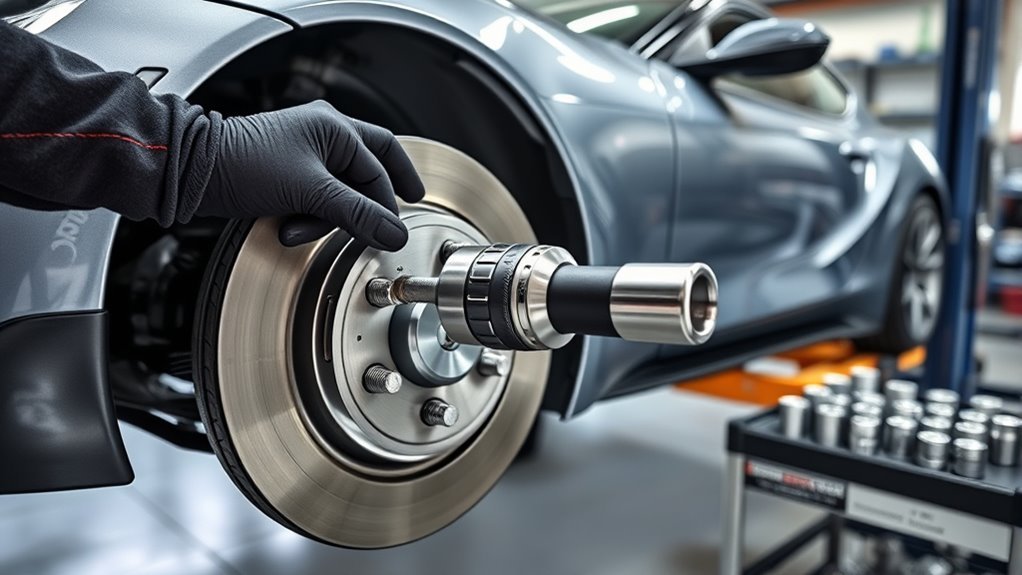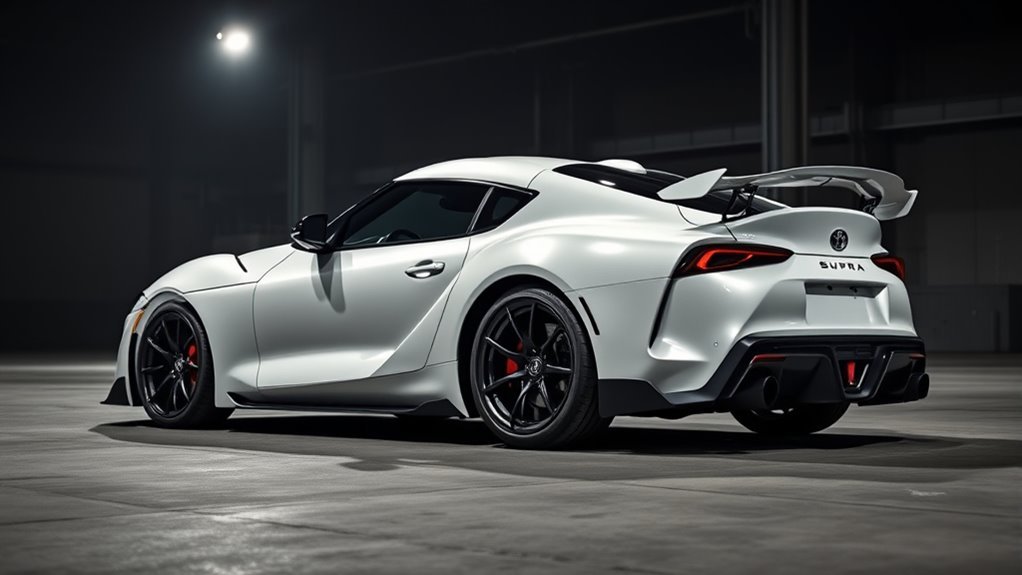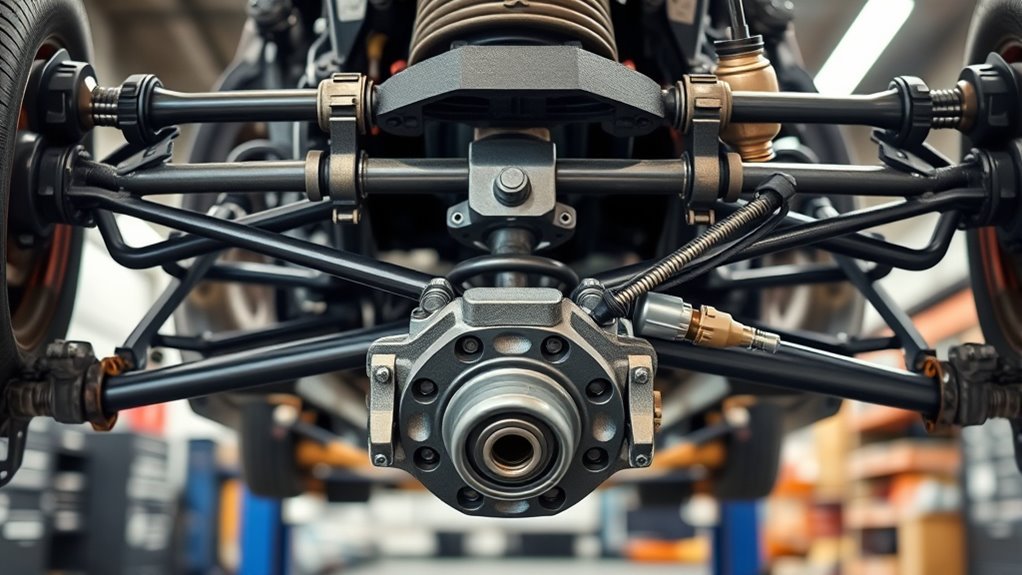
The Supra’s steering can feel sharp, firm, vague, or heavy depending on the generation, rack condition, and assist system. Older A70 Supras use a hydraulic rack-and-pinion setup, and 1989+ Turbo models may include Progressive Power Steering (PPS). Later GR Supra models use electric power-assisted steering (EPAS), which changes steering effort through software and an electric motor. This guide helps you identify the system, diagnose common faults, and choose maintenance or upgrade paths for street, track, or drift use.
What’s in This Article
- How to Use This Guide: Quick TL;DR and Who It’s For
- Supra Steering Basics: Rack-and-Pinion, Hydraulic Assist, PPS, and EPAS
- Rack-and-Pinion: Why Supra Steering Feels Precise and Direct
- EPAS in Later Supras: How Electric Assist Changes Steering Effort
- PPS vs Non-PPS: How the Steering Actually Feels and Why It Matters
- Quick Steering Diagnosis: 5 Checks to Do Now
- Supra Steering Maintenance: Fluid, Electrical, and Service Intervals
- Rack Swap and Upgrade Options: Costs, Compatibility, Track vs Street
- Tuning Steering Feel: Settings and Driving Tips for Street, Track, Drift
- Frequently Asked Questions
- Conclusion
Quick Answer
Most Supras use rack-and-pinion steering, but the assist system changes by generation. A70 cars use hydraulic power steering, with PPS on some Turbo models, while later GR Supra models use EPAS. Check your rack, pump, connectors, fluid, tie rods, and bushings before you change parts.
Key Takeaways
- Identify your Supra generation before you compare steering systems or buy parts.
- Check the PPS connector on 1989+ A70 Turbo models before you assume the rack feels wrong.
- Inspect fluid, tie rods, bushings, mounts, and leaks before you replace the steering rack.
- Choose PPS for easier daily use and non-PPS parts for a firmer, simpler feel.
- Test one alignment or hardware change at a time so you can track its effect.
How to Use This Guide: Quick TL;DR and Who It’s For
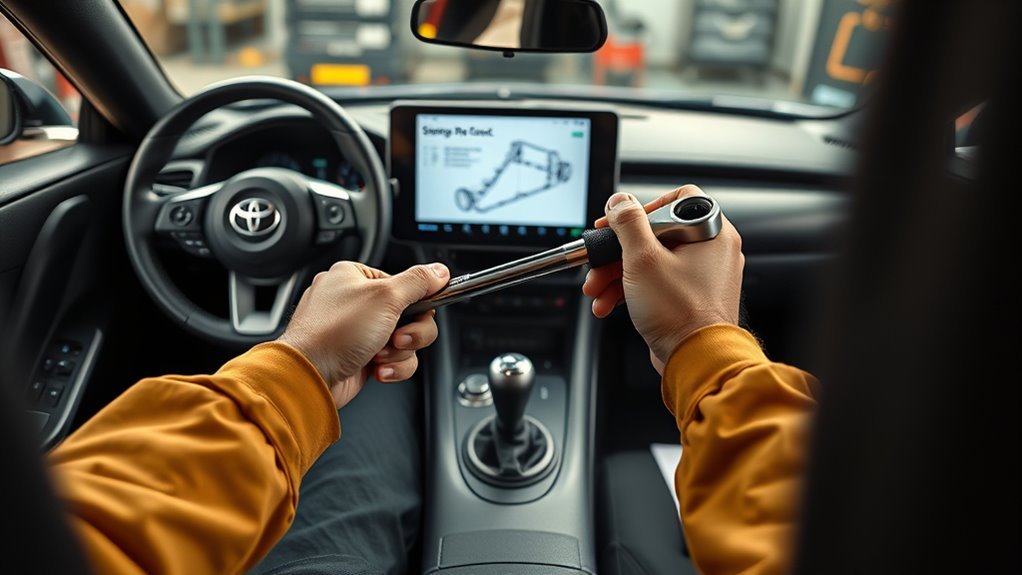
Use this guide when you want a focused reference for Supra rack-and-pinion steering. It works best for owners who want to understand A70 hydraulic systems, PPS behavior, basic EPAS differences on later cars, and common steering faults.
You’ll learn how to identify PPS by the electrical connector, how non-PPS racks tend to feel, and how to check for wear, leaks, and poor response. You’ll also see how maintenance and targeted upgrades affect street, track, and drift setups.
Supra Steering Basics: Rack-and-Pinion, Hydraulic Assist, PPS, and EPAS
The Supra name covers more than one steering design. A70 models use hydraulic power steering, and some 1989+ Turbo models add Progressive Power Steering (PPS). Later GR Supra models use electric power-assisted steering (EPAS), so you need to match advice to your specific car.
Rack-and-pinion steering turns steering-wheel rotation into side-to-side rack motion. Tie rods then move the steering knuckles, which turn the front wheels. This layout gives the Supra a direct path from your hands to the front tires.
Rack-and-Pinion Basics
Steering precision starts with the rack-and-pinion assembly. A pinion gear meshes with a straight rack, and the rack moves left or right as you turn the wheel.
Tie rods carry that motion to each front wheel. Worn tie-rod ends, loose rack mounts, tired bushings, or damaged rack teeth can add play and reduce feedback. Inspect these parts before you blame the whole steering system.
Hydraulic Assist and PPS
A70 Supra power steering uses hydraulic pressure from a pump. On PPS-equipped models, electronic control changes assist based on conditions such as vehicle speed.
PPS can make low-speed driving easier while keeping the steering steadier at higher speeds. If the PPS solenoid, wiring, or connector fails, the steering may feel heavier or less consistent than expected.
Electric Power Assist
Electric power-assisted steering (EPAS) uses an electric motor instead of a belt-driven hydraulic pump. Later GR Supra models use this type of system, which lets software change steering effort based on speed and drive mode.
- At low speeds, EPAS can add assist for parking and tight turns.
- At highway speeds, EPAS can reduce assist for better stability.
- Regular checks of sensors, wiring, and suspension parts help preserve consistent feel.
Steering Feel and Response
Steering feel comes from more than the rack. Tire choice, alignment, rack bushings, tie rods, pump health, fluid condition, and assist tuning all shape what you feel through the wheel.
If you want a firmer, more direct feel, you may prefer a healthy non-PPS setup or a carefully tuned rack. If you want easier daily use, a working PPS system can feel more relaxed in traffic and parking lots.
Rack-and-Pinion: Why Supra Steering Feels Precise and Direct
The rack-and-pinion design gives the Supra a direct mechanical link between the steering wheel and front tires. Fewer links mean fewer places for slop to build up.
You’ll feel the benefit most when the rack, tie rods, bushings, and front suspension stay tight. Small wear points can still create a large change in steering feel, so maintenance matters as much as the rack design.
Direct Steering Response
When you turn the steering wheel, the pinion moves the rack almost at once. That motion travels through the tie rods and changes the front wheel angle.
This direct path helps the car respond quickly to small inputs. It also helps you sense front grip, which matters on fast roads, track days, and drift setups.
- Fewer moving parts can reduce delay between input and response.
- Tight joints preserve clear feedback through the steering wheel.
- Correct alignment keeps the car stable and predictable.
Minimal Mechanical Play
A healthy rack-and-pinion system keeps mechanical play low. The pinion, rack teeth, tie rods, and bushings must all stay tight enough to move together.
When these parts wear, you may notice a dead spot on center, knocking, wandering, or uneven response. Fix the worn parts before you change the rack, because many steering complaints start outside the rack itself.
Pro tip: Check tire pressure and alignment before you judge steering feel, because both can mimic rack problems.
EPAS in Later Supras: How Electric Assist Changes Steering Effort
EPAS changes steering effort with an electric motor and control software. It can give you light effort during parking and firmer effort when speed rises.
EPAS also removes hydraulic fluid, hoses, and a belt-driven steering pump from the system. That can reduce leak points, but it shifts diagnosis toward sensors, wiring, calibration, and software-related faults.
EPAS can make low-speed steering lighter and high-speed steering steadier, but it applies to later Supras, not A70 hydraulic PPS cars.
- Use EPAS guidance only for later Supra models equipped with electric assist.
- Check tires, alignment, suspension, and software-related faults when EPAS feel changes.
- Do not apply GR Supra EPAS service advice to older hydraulic Supra racks.
PPS vs Non-PPS: How the Steering Actually Feels and Why It Matters
PPS and non-PPS setups can feel different even when both systems work correctly. PPS changes assist through an electronically controlled hydraulic system, while non-PPS steering tends to feel more consistent and firmer across normal driving.
Choose based on how you use the car. PPS suits daily driving and mixed road use, because it can reduce effort when you move slowly. Non-PPS parts may suit drivers who want simpler hardware and a more direct feel.
Used rack prices and rebuild costs change by market, condition, and availability. Treat any fixed price as a rough example, not a rule, and inspect part numbers before you buy.
How to Identify PPS on an A70 Supra
Look for the PPS electrical connector near the steering rack or related hydraulic control parts on 1989+ Turbo models. Many owners refer to this as a two-pin connector, but location and harness routing can vary by car and prior repairs.
Check the factory service manual for your model year before you unplug or test anything. If a previous owner swapped parts, your car may not match the original configuration.
Note: A rack swap can change the car’s behavior, so verify the parts on the car rather than relying only on trim level.
Quick Steering Diagnosis: 5 Checks to Do Now
Run these checks before you order a rack or pump. They help you separate rack wear from fluid, electrical, tire, and suspension problems.
Start with the PPS connector, then check play, tie rods, fluid condition, leaks, and low-speed response.
- Verify the steering system. Check whether your car uses PPS, non-PPS hydraulic steering, or EPAS.
- Inspect rack play. Look for movement at the rack, mounts, inner tie rods, and outer tie rods.
- Check the fluid. Confirm the correct level and look for dark, burnt, foamy, or contaminated fluid on hydraulic cars.
- Search for leaks. Inspect the pump, hoses, rack boots, fittings, and reservoir area.
- Test the response. Listen for noise and feel for binding, wandering, or uneven assist at low speed.
Warning: Do not ignore fluid leaks, because low hydraulic fluid can damage the pump and reduce steering assist.
[Products Worth Considering]

Custom-fit floor mats designed for 2022-2026 Toyota Tundra CrewMax Cab models, offering full front and rear row coverage with raised edges for dependable all-weather protection. Made from non-toxic TPE, they resist water, dirt, salt, and spills while helping keep your truck interior clean, comfortable, and easy to maintain. The anti-slip surface and simple rinse-clean design make them a practical upgrade for everyday driving and tough conditions.

This engine water pump kit is designed to help maintain reliable cooling performance across a wide range of compatible Toyota, Lexus, Scion, and Pontiac vehicles. Built with aluminum and tested for leak-free operation, it offers a direct replacement solution that supports engine efficiency and long-term service life. The kit includes a professional water pump and gasket for a convenient installation-ready repair.

This wheel lock lug nut set adds an extra layer of theft protection for compatible Toyota and Lexus vehicles by securing wheels with a unique key pattern that resists common removal tools. Built to OEM-standard fitment with corrosion-resistant, triple-chrome finished construction, it is designed for direct replacement and long-lasting performance. The set includes locking nuts and a matching key for easy installation on compatible vehicles with the correct thread and cone seat specifications.
Supra Steering Maintenance: Fluid, Electrical, and Service Intervals
Good steering feel depends on clean fluid, tight joints, sound wiring, and healthy suspension parts. Check hydraulic fluid levels often, especially if you see wet boots, stained hoses, or noise from the pump.
Many owners replace hydraulic power steering fluid every 30,000 to 50,000 miles, but your service manual should guide the final interval. Shorten the interval if you drift, track the car, run high heat, or see dirty fluid.
For PPS-equipped cars, inspect the connector and clean the terminals only with safe electrical contact cleaner. For EPAS-equipped cars, inspect wiring, warning lights, and steering-related fault codes when the feel changes.
[Products Worth Considering]

This dog car seat cover protects your vehicle from mud, scratches, spills, and pet hair while keeping your dog comfortable on the road. Made from durable 600D Oxford cloth with waterproof TPU, it includes a mesh window, storage pocket, seat belt opening, and nonslip backing for safer, stress-free travel. It also installs easily and supports hammock, truck, and seat modes for flexible use.

This custom-fit truck cover is designed for Tundra Double and CrewMax Cab short bed models, delivering year-round protection with a waterproof outer layer and all-weather coverage. A driver-side zipper allows easy cabin access, while the soft interior helps protect paint and reinforced wind straps improve stability in strong conditions. It also includes a storage bag and towel for convenient care and storage.

ALL ASIAN CAR COVERAGE: Fully compatible with all Asian vehicles, including Subaru, Honda, Toyota, Lexus, Acura, and Mitsubishi
Rack Swap and Upgrade Options: Costs, Compatibility, Track vs Street
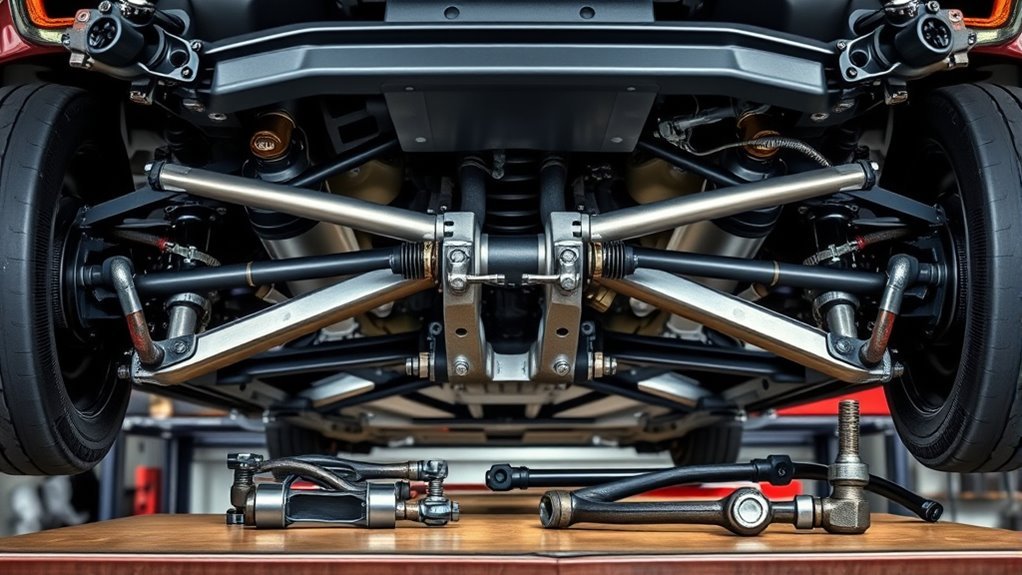
When you compare rack swaps, focus on compatibility first. Match the rack, lines, fittings, mounting points, steering shaft, electronics, and alignment needs before you compare price.
Pick the rack for your use case: PPS for easier daily use, non-PPS for a simpler and firmer feel, or a rebuild to keep the car close to stock.
A used PPS rack can suit a street car if the wiring and hydraulic control parts still work. A non-PPS rack can suit drivers who want a firmer feel, but the swap may create parts and fitment issues. A rebuild can make sense when you want to keep the original setup and fix leaks or play.
- PPS: Better daily comfort, more system complexity, and model-specific parts needs.
- Non-PPS: Simpler feel, firmer effort, and possible compatibility work.
- Rebuild: Original behavior, lower waste, and a good option when hard parts remain sound.
[Products Worth Considering]

[Vehicle Fitment] Compatible with Toyota Tacoma SR5 1998-2000 L4 2.4L, RWD; Toyota Tacoma DLX 1998-2003 V6 3.4L, RWD, etc. (see full list in product description). Refer to Amazon Garage for accurate fitment before purchase. --- For Left Hand Drive Only!!!

【Note】Before placing the order, Please refer to the Vehicle menu at the top of the list, select your vehicle's "Year, Make, Model" and click "Check Fit"to make sure the calipers fit your car, or check the product page description to make sure it matches exactly.

【Excellent Compatibility】Hydraulic Steering Rack and Pinion Assembly Excellent Matches For Lexus ES300 3.0L 1997 1998,For Avalon 3.0L 1997 1998 1999,For Camry 2.2L 1992 1993 1994 1995 1996 1997 1998 1999,For Toyota Camry 3.0L 1992 1993 1994 1995 1996 1997 1998 1999 --For Left Hand Drive Only
Tuning Steering Feel: Settings and Driving Tips for Street, Track, Drift
After you confirm the rack works well, tune the parts around it. Tires, tire pressure, alignment, caster, camber, toe, bushings, and steering angle parts all change how the car reacts.
Make one change at a time and record the result. This helps you avoid chasing problems created by too many changes at once.
| Mode | Key Adjustment | Main Goal |
|---|---|---|
| Street | Healthy PPS or mild alignment | Comfort and steady response |
| Track | Fresh bushings, precise toe, suitable camber | Consistent grip and feedback |
| Drift | Strong rack, angle support, firm response | Fast correction and predictable lock |
Street cars need stable centering and low fatigue. Track cars need repeatable response after heat builds. Drift cars need fast correction, enough angle, and parts that can handle higher steering loads.
Frequently Asked Questions
What Is the Difference Between HPS and EPS Steering?
Hydraulic power steering (HPS) uses a pump, fluid, hoses, and hydraulic pressure to help you turn the wheels. Electric power steering, often called EPS or EPAS, uses an electric motor and control software instead of hydraulic pressure.
Does the Supra Have Lane Assist?
Some later Supra models may offer driver-assist features depending on market, year, trim, and package. Older Supras do not have modern lane-keeping systems, so confirm the equipment on the exact car you’re buying or driving.
How Do I Know If My A70 Supra Has PPS?
Check the steering rack area and related hydraulic control parts for the PPS electrical connector. Also compare the parts against the factory service manual, because swaps and prior repairs can change the setup.
Can I Drive With a Leaking Power Steering Rack?
You should treat a leaking rack as a repair priority. Low fluid can damage the pump, reduce assist, and make the car harder to control during slow turns.
Should I Swap to a Non-PPS Rack for Drifting?
A non-PPS rack can give a firmer, simpler feel, but it’s not the only path to better drift response. Check the rack condition, alignment, steering angle parts, bushings, and tires before you commit to a swap.
Conclusion
The most important step is simple: identify the exact steering system on your Supra before you diagnose, tune, or swap parts. A healthy rack-and-pinion setup can feel sharp and direct, but worn tie rods, dirty fluid, bad bushings, or faulty wiring can ruin that feel. Start with inspection and maintenance, then make one upgrade at a time. With the right setup, your Supra will feel more stable, more honest, and easier to trust.