Last updated: July 31, 2026. This revision narrows the guide to the A80/Mk4 Toyota Supra’s 2JZ-GTE, corrects factory-component claims, and aligns the maintenance guidance with Toyota’s period service information.
Quick answer: Toyota did not publish a fixed mileage limit for the 2JZ-GTE. A healthy, mostly stock engine can remain serviceable for decades, but no responsible source can promise 200,000 or 300,000 miles from every engine. Maintenance history, oil consumption, cooling-system condition, turbo health, compression balance, fuel quality, and tune safety are better predictors than the odometer alone.
- Stock condition matters: An unopened engine with documented service is easier to assess than an unknown high-boost build.
- Age matters as much as mileage: Hoses, seals, wiring, ignition parts, turbo controls, and cooling components can fail even on a low-mileage car.
- Testing matters: A warm compression test, leak-down test, oil-pressure check, and inspection for smoke or coolant loss reveal more than a mileage claim.
This article covers the A80/Mk4 2JZ-GTE, not the modern GR Supra’s B58 engine. See the Toyota Supra generation guide for model history, the Mk4 Supra buying guide for whole-car inspection advice, or the Supra B58 engine guide for the fifth-generation car.
What Makes the 2JZ-GTE Durable?
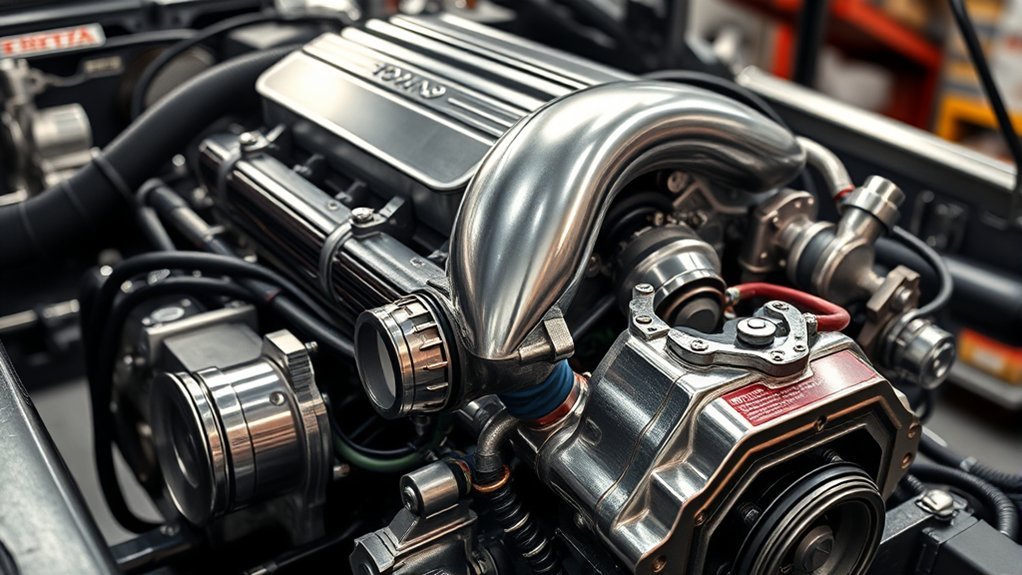
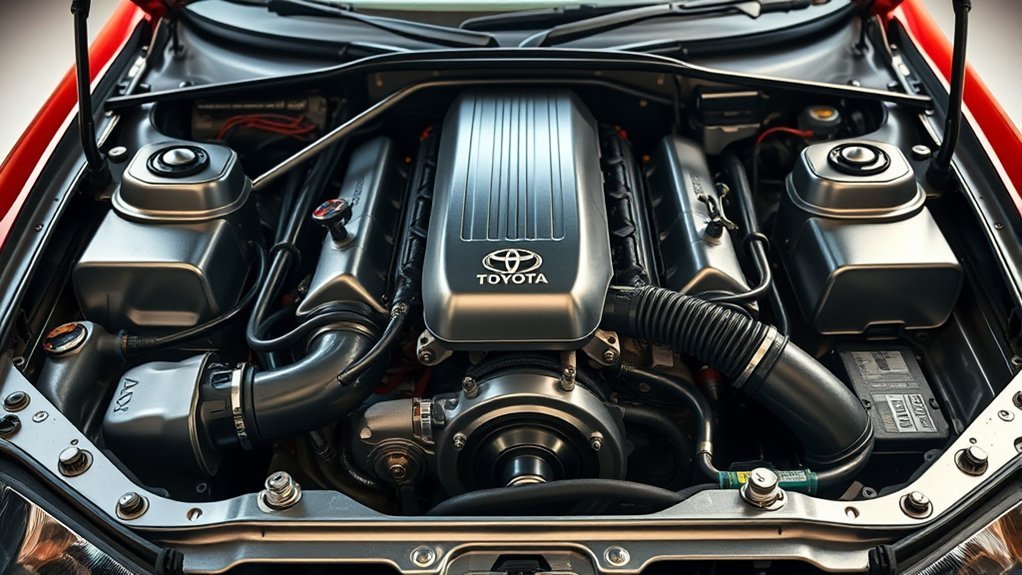
The 2JZ-GTE earned its reputation from a strong factory foundation, not from aftermarket Eagle rods or JE pistons. Toyota used an iron cylinder block, a 3.0-liter inline-six layout, and sequential twin turbochargers. Toyota rated the U.S.-market A80 Supra Turbo at 320 hp and 315 lb-ft of torque. The factory engine can tolerate substantial load when it is healthy, correctly fueled, adequately cooled, and conservatively tuned.
The same strength can hide risk. A car may run well during a short test drive while carrying low compression, worn valve-stem seals, weak ignition coils, tired turbo controls, contaminated coolant, or an unsafe calibration. The most useful longevity question is therefore not “How many miles can it reach?” but “What evidence shows this engine is healthy now?”
| Longevity Factor | Good Evidence | Warning Sign |
|---|---|---|
| Lubrication | Consistent oil-and-filter records, stable oil level | Metal in oil, low pressure, heavy consumption |
| Cooling | Stable temperature, clean coolant, no pressure loss | Overheating history, mixed fluids, repeated coolant loss |
| Combustion | Even compression, clean plugs, safe calibration | Knock, lean operation, large cylinder-to-cylinder variation |
| Turbo System | Normal boost response, no abnormal smoke or noise | Shaft noise, boost spikes, failed sequential changeover |
| Modification History | Parts list, dyno sheet, tuner record, fuel specification | Unknown ECU, unknown injectors, undocumented boost level |
Which Factory Components Support 2JZ-GTE Longevity?
The factory 2JZ-GTE combines an iron block, seven main-bearing supports, a forged crankshaft, under-piston oil squirters, an aluminum 24-valve cylinder head, and a belt-driven camshaft system. These features help the engine manage cylinder pressure and heat at its original output. They do not make the engine immune to detonation, oil starvation, overheating, or poor workmanship.
Aftermarket rods, pistons, billet main caps, large fuel pumps, E85 conversion parts, ported heads, and oversized valves belong to specific builds. They should not be presented as standard longevity equipment. Each modification changes the inspection and maintenance plan. For example, an E85 setup needs verified ethanol-compatible components, enough fuel-system capacity, cold-start calibration, and a tune that matches the measured ethanol content.
[Products Worth Considering]

ECOGARD X5608 is a premium cartridge oil filter designed for a wide range of Toyota, Lexus, and Scion vehicles. It helps protect your engine by screening out harmful contaminants and is built for use with both synthetic and conventional oils. Included O-rings support a proper housing seal for dependable maintenance between oil changes.

FOCUSFILTER 04152-YZZA1 OEM grade oil filter is designed to help protect your engine with reliable filtration and 10K mile protection. It cross references multiple OE part numbers and fits a wide range of Toyota and Lexus applications, making it a practical replacement for routine maintenance. Built for compatible vehicles including Camry, Avalon, Highlander, Tacoma, RAV4, Sienna, ES 350, and RX 350.

This engine water pump kit is designed to help maintain reliable cooling performance across a wide range of compatible Toyota, Lexus, Scion, and Pontiac vehicles. Built with aluminum and tested for leak-free operation, it offers a direct replacement solution that supports engine efficiency and long-term service life. The kit includes a professional water pump and gasket for a convenient installation-ready repair.
Can a High-Mileage 2JZ-GTE Still Be Healthy?
Yes, but mileage is only one data point. A stock engine with complete records, stable oil pressure, even compression, no overheating history, and normal turbo operation may be a safer purchase than a lower-mileage engine with an unknown tune. Owner stories can show what is possible, but they cannot establish a guaranteed lifespan because cars differ in climate, fuel, service history, driving load, and modifications.
Common Longevity Issues
On an aging 2JZ-GTE, inspect both the long block and the systems around it. Common concerns include valve-stem-seal wear that can cause start-up smoke, aging coil packs that misfire under boost, leaks or faults in the sequential-turbo control system, and fragile ceramic turbine wheels on some Japanese-market turbochargers. Cooling-system deterioration and unsafe tuning can turn a manageable age-related fault into major engine damage.
How Should You Judge a High-Mileage Engine?
Start with records, then verify the engine mechanically. Toyota’s factory service information lists 2JZ-GTE compression at 250 rpm as 156 psi or more, with 128 psi as the minimum and no more than 14 psi difference between cylinders. Test conditions affect the reading, so use a warm engine, a charged battery, the same gauge for every cylinder, and the factory procedure. A leak-down test adds useful information, but there is no single universal percentage that replaces listening for leakage and comparing all six cylinders.
| Check | What It Reveals | What to Do With the Result |
|---|---|---|
| Warm compression test | Cylinder sealing and balance | Investigate any low cylinder or excessive spread |
| Leak-down test | Leak path through rings, valves, or head gasket | Listen at intake, exhaust, crankcase, and cooling system |
| Cold start | Smoke, rattles, delayed oil pressure, idle quality | Do not let the seller pre-warm the engine |
| Cooling pressure test | External leaks and pressure loss | Repair leaks before hard driving or tuning |
| ECU and fuel-system review | Whether hardware matches the calibration | Verify injector, pump, sensor, fuel, and boost details |
How Do You Keep a 2JZ-GTE Running Longer?
Build the maintenance plan around the car’s exact market, service history, modifications, fuel, and use. A decades-old Supra also needs time-based inspections because rubber, seals, wiring, and coolant can deteriorate while the odometer barely moves.
[Products Worth Considering]

This 6-piece ignition coil pack set is designed to restore reliable spark and smooth engine performance across a wide range of Toyota and Lexus vehicles. Built for direct-fit replacement applications, it supports fast installation and dependable operation for many popular V6 and V6-powered models. It is a practical solution for misfire repair, maintenance, and improved ignition system reliability.

This ignition coil and iridium spark plug set is designed to restore smooth engine performance and reliable starts for compatible Toyota, Lexus, Scion, and Pontiac vehicles. It features durable coil construction for dependable electrical connection and long-lasting iridium plugs for extended service life. The set includes four matched coils and plugs, making it a convenient replacement solution backed by a one-year warranty.
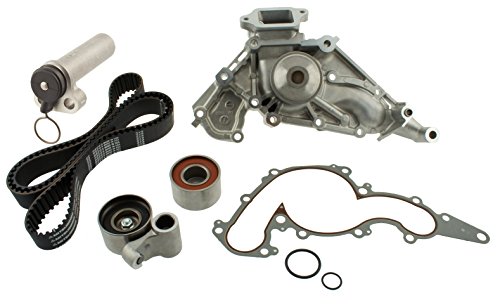
AISIN's Water Pump/Timing Belt Service Kit is the common-sense combo as these components should always be replaced at the same time regardless of which component needs replacement
Use a Factory-Based Maintenance Baseline
| Service Item | Period Toyota Baseline | Longevity Note |
|---|---|---|
| Engine oil and filter | 5,000-mile oil-and-filter intervals in the period schedule; oil-only service at 2,500 miles for turbo vehicles under specified special operating conditions | Shorten only when the use, tune, fuel dilution, oil analysis, or builder requires it |
| Spark plugs | 60,000 miles for the factory platinum-plug schedule | Modified engines may need a different plug and inspection interval set by the tuner |
| Engine coolant | Listed at 30,000-mile service points in the period schedule | Use the correct coolant mixture and repair leaks instead of repeatedly topping up |
| Timing belt | Follow the owner’s supplement for the exact market and operating conditions | If age or history is unknown, inspect the full belt drive and establish a documented baseline |
| Compression and leak-down | Diagnostic tests, not routine mileage replacements | Use before purchase, before a major power increase, or when symptoms appear |
Do not copy a 1,000-mile oil interval or a 3,000-mile spark-plug interval from an unrelated race build. Those intervals may be appropriate for a particular fuel, plug, duty cycle, or engine builder, but they are not universal 2JZ-GTE requirements.
Use Correct Parts and Verify Every Modification
Choose parts by application, material compatibility, and documented need. OEM-quality seals, hoses, filters, sensors, ignition parts, and cooling components are usually more valuable to longevity than adding power parts to an unhealthy engine. Before increasing boost, verify fuel pressure under load, injector control, ignition strength, air-fuel ratio, knock control, oil pressure, and cooling capacity.
A larger radiator or oil cooler can help a car with sustained track heat, but an upgrade does not repair a clogged passage, failing water pump, trapped air, poor ducting, or an incorrect thermostat. Diagnose the system before replacing parts.
What Problems Shorten 2JZ-GTE Engine Life?
- Detonation or pre-ignition: Excessive boost, poor fuel, too much ignition timing, high intake temperature, or inadequate fuel delivery can damage pistons, rings, bearings, and the head gasket.
- Lean fuel delivery: A weak pump, restricted filter, undersized injector, voltage problem, or incorrect calibration can create unsafe cylinder temperatures.
- Overheating: Coolant loss, airflow problems, a failing pump, damaged hoses, a blocked radiator, or repeated air pockets can distort or damage engine parts.
- Oil starvation or contamination: Low oil level, fuel dilution, debris, poor drain-back, or sustained cornering without an appropriate oil-control plan can reduce bearing life.
- Turbo and control-system faults: Worn turbochargers, boost spikes, vacuum leaks, or failed sequential controls can create smoke, poor response, and unsafe load.
- Unknown modifications: A parts list without calibration records does not prove the engine is safe. Verify the ECU, sensors, injectors, pumps, boost-control method, and required fuel.
Stop hard driving if you hear knock, see persistent smoke, lose coolant, notice falling oil pressure, or record an unexplained lean condition. Testing early is cheaper than diagnosing a damaged long block.
[Products Worth Considering]
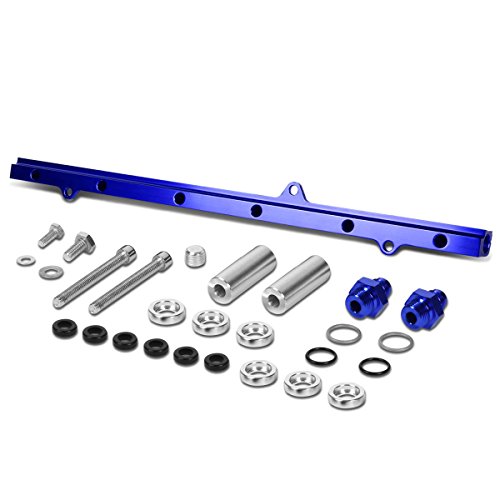
Supplies Additional Fuel Needed for High Boost/ Performance Engines. NOTE: Fits Federal Emissions models Only, NOT Legal for sale or Use in California, New York, Colorado, Or Maine Emissions models.

Set of 8 Harnesses for Full Conversion: This listing includes eight adapter harnesses—enough to convert all injectors on V8 engines using Denso/Nippon connectors to EV1-style fuel injectors, saving time and eliminating guesswork.

Set of 4 Harnesses for Quick EFI Conversions: Includes four plug-and-play adapters designed to convert factory Toyota Denso/Nippon injector connectors to EV1, perfect for 4-cylinder builds or partial installs.
How Do Driving Habits Affect 2JZ-GTE Longevity?
Load and temperature matter more than occasional high rpm by itself. Avoid heavy boost before the oil and coolant are fully warm. After sustained track or highway load, reduce load for the final part of the drive so temperatures can stabilize instead of shutting the engine off immediately after a hard pull.
Use full throttle only when the fuel, tune, cooling system, and tires are ready for it. Repeated boost spikes, launch abuse, prolonged detonation, and running low on oil or fuel shorten life quickly. Smooth warm-up, controlled temperatures, and consistent fluid checks give the engine a better chance of remaining healthy.
How Can You Balance Performance and Reliability?
Do not treat a horsepower number as a warranty. Two engines at the same peak output can have very different lives because torque delivery, boost response, fuel, ignition timing, intake temperature, engine speed, and duty cycle differ.
| Goal | Reliability-First Approach | Avoid |
|---|---|---|
| Stock or restored street car | Baseline service, leak repair, factory boost control, documented OEM-equivalent parts | Adding boost before confirming engine health |
| Mild street build | Conservative calibration, verified fuel pressure, ignition refresh, temperature logging | Using internet boost targets without matching hardware and fuel |
| Frequent track use | Oil and coolant temperature monitoring, oil-control plan, cooling airflow, frequent inspection | Assuming a street dyno pull proves sustained-load reliability |
| High-power build | Professional engine inspection, defined torque target, matched fuel system, ECU safeguards, documented maintenance | Treating stock-internal power claims as guaranteed limits |
Before tuning, record compression, leak-down, oil pressure, coolant pressure, base fuel pressure, and current fault codes. This creates a reference point and helps separate a new tuning problem from an existing mechanical fault.
Frequently Asked Questions
How Many Miles Can a Mk4 Supra 2JZ-GTE Last?
There is no factory mileage ceiling or guaranteed 300,000-mile lifespan. A well-maintained engine may remain healthy at high mileage, while a neglected or poorly tuned low-mileage engine may fail early. Judge the engine by records, compression balance, oil pressure, cooling-system health, smoke, turbo condition, and calibration quality.
How Long Do 2JZ Engines Last?
A stock 2JZ can last for decades when it receives correct maintenance and avoids overheating, oil starvation, and detonation. The 2JZ-GE and 2JZ-GTE also have different hardware and operating loads, so do not apply one engine’s owner story or tuning limit to every 2JZ.
What Compression Should a 2JZ-GTE Have?
Toyota’s factory service information lists 156 psi or more as standard, 128 psi as the minimum, and no more than 14 psi difference between cylinders at 250 rpm. Follow the factory warm-engine procedure and compare all six cylinders under the same test conditions.
How Often Should You Change 2JZ-GTE Oil?
Toyota’s period schedule used 5,000-mile oil-and-filter intervals. For turbocharged vehicles under specified special operating conditions, it called for oil service at 2,500 miles while retaining 5,000-mile oil-and-filter service. A modified or competition engine may need a different interval based on the builder, fuel dilution, use, and oil analysis.
What Usually Fails First on an Aging 2JZ-GTE?
Age-related supporting parts often create trouble before the iron block itself. Inspect valve-stem seals, coil packs, hoses, wiring, cooling components, turbochargers, vacuum lines, and sequential-turbo controls. On modified cars, unsafe fueling or ignition calibration can become the first and most expensive failure point.
Sources
- Toyota USA Newsroom: Supra history and U.S.-market 2JZ-GTE output
- 1997 Toyota Supra factory service manual: 2JZ-GTE compression inspection
- 1997 Toyota Supra factory service manual: spark-plug inspection and replacement information
- Toyota scheduled maintenance guide and log: period service intervals
- High Performance Academy: 2JZ-GTE construction, known weaknesses, and tuning context
Conclusion
The 2JZ-GTE can be a long-lived engine, but its reputation is not a substitute for inspection. Start with documented maintenance, even compression, stable oil pressure, a healthy cooling system, normal turbo operation, and a tune matched to the fuel and hardware. If any of those are unknown, establish a mechanical baseline before adding boost or driving the car hard.