
The Toyota RAV4’s EVAP emissions system captures gasoline vapors from the fuel tank, stores them in a charcoal canister, and sends them to the engine to be burned instead of venting into the air. When the system cannot seal, purge, or monitor pressure correctly, the check engine light may turn on and the vehicle may fail an emissions inspection.
Quick Answer
The Toyota RAV4 EVAP system prevents raw fuel vapors from escaping by storing them in a charcoal canister, then routing them through a purge valve into the engine. Common problems include a loose gas cap, cracked hoses, a stuck purge valve, a bad vent valve, or a damaged canister.
Key Takeaways
- The EVAP system stores fuel vapors instead of letting them escape into the atmosphere.
- The charcoal canister, purge valve, vent valve, pressure sensor, hoses, and fuel cap all help the system seal and operate correctly.
- A loose or damaged gas cap is one of the simplest causes of EVAP-related check engine lights.
- EVAP leak codes do not always mean one part is bad; smoke testing and scan-tool data help prevent guesswork.
- Because the EVAP system is part of the emissions control system, ignoring faults can lead to failed inspection or maintenance tests.
At a Glance
| System Purpose | Captures, stores, and burns fuel vapors |
| Common Symptoms | Check engine light, fuel smell, hard refueling, rough idle, failed emissions test |
| Common Codes | P0440, P0441, P0442, P0446, P0455, P0456 |
| First Check | Inspect and tighten the fuel cap, then scan for stored trouble codes |
Why the EVAP System Is Essential for Your RAV4’s Emissions Control
The EVAP system is part of your RAV4’s emissions control system. Its job is to keep gasoline vapors sealed inside the vehicle’s fuel vapor system until the engine can burn them. This helps reduce hydrocarbon emissions, limits fuel odor, and supports compliance with inspection and maintenance programs.
Toyota notes that some states use OBD checks during emissions inspections, and the OBD system monitors the operation of the emission control system. If the malfunction indicator lamp comes on, your RAV4 may not pass an inspection until the problem is repaired. You can review Toyota’s owner information on emission inspection and maintenance programs.
Modern OBD-II EVAP monitors can detect very small leaks. Many systems are designed to identify leaks around 0.020 inch, or about 0.5 mm, depending on model year and system design. That is why a small crack in a hose, a weak gas cap seal, or a sticky valve can trigger a warning light even when the vehicle still seems to drive normally.
A small EVAP leak can be hard to see, but the onboard diagnostics may still detect it because the system is designed to monitor whether the fuel vapor system can hold pressure or vacuum.
Key Components of the RAV4 EVAP System
The RAV4’s EVAP system uses several parts that work together. The exact layout can vary by model year, engine, and market, but the main functions are similar across gasoline-powered RAV4 models.
[Products Worth Considering]
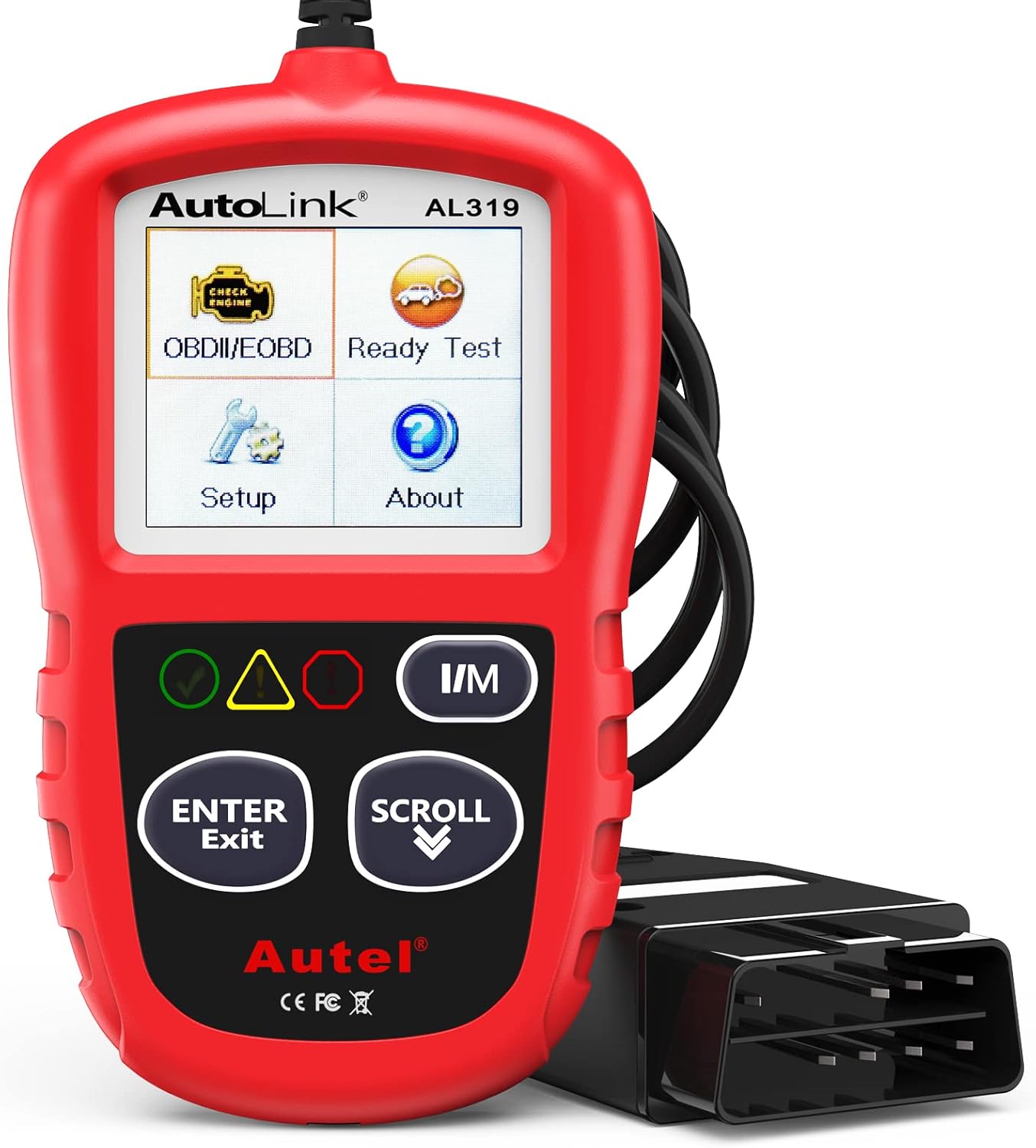
The Autel AL319 is a user-friendly OBD2 scan tool designed to help drivers quickly diagnose check engine light issues and understand vehicle fault codes. It supports reading and clearing DTCs, live data, freeze frame, I/M readiness, and vehicle information, making it a practical choice for DIYers and everyday car owners. With plug-and-play operation, a color display, built-in speaker, and broad vehicle compatibility, it delivers fast, reliable diagnostics without complicated setup.

The ANCEL AD410 helps drivers quickly read and clear engine-related fault codes, view live data, and understand why the check engine light is on before heading to a repair shop. With built-in code definitions, readiness checks, and support for common OBD2 functions, it makes basic diagnostics straightforward for beginners and DIY users. Powered directly from the vehicle and easy to use with no app required, it offers practical value for everyday vehicle troubleshooting.

The JACO ElitePro Digital Tire Pressure Gauge delivers shop-grade accuracy with a clear digital readout, making it easy to maintain proper tire pressure for safer driving and better performance. Built with rugged brass and steel components, a protective guard, and a flexible air hose, it is designed for reliable use across cars, trucks, motorcycles, bikes, RVs, and trailers. The lock-on display, built-in bleeder valve, and bright backlit screen add convenience in any lighting condition.
Charcoal Canister
The charcoal canister stores fuel vapors from the tank. Inside the canister, activated charcoal traps the vapors until the engine computer opens the purge valve and draws them into the intake system. If the canister cracks, becomes saturated with liquid fuel, or gets clogged, the RAV4 may develop EVAP codes, fuel smell, or refueling problems.
Purge Valve
The purge valve, also called the purge solenoid or purge VSV on some Toyota service information, controls when stored vapors move from the charcoal canister to the engine. During the right operating conditions, the engine computer opens the valve so vapors can be burned. If the valve sticks open, the engine may idle roughly or be hard to start after refueling. If it sticks closed, stored vapors may not purge correctly.
Vent Valve
The vent valve lets filtered air into the canister during normal operation and closes when the system runs a leak test. A blocked or failed vent valve can cause hard refueling, repeated pump shutoff at the gas station, or EVAP vent-control codes.
Fuel Tank Pressure Sensor
The fuel tank pressure sensor reports pressure or vacuum changes to the engine computer. This helps the OBD system decide whether the EVAP system is sealed, leaking, or not responding correctly during a self-test.
Fuel Cap and EVAP Lines
The fuel cap, filler neck, vapor hoses, and EVAP lines must seal properly. A loose fuel cap can be enough to trigger an EVAP leak code. Cracked hoses, damaged connectors, and corrosion near the filler neck can also cause leaks.
| Component | What It Does | Common Failure Signs |
|---|---|---|
| Charcoal canister | Stores fuel vapors | Fuel smell, refueling trouble, EVAP codes |
| Purge valve | Meters vapor flow to the engine | Rough idle, hard start after filling, P0441-type codes |
| Vent valve | Lets air into the canister and closes for leak tests | Hard refueling, vent-control codes |
| Pressure sensor | Monitors pressure or vacuum changes | False leak readings, monitor failure, diagnostic codes |
| Fuel cap and hoses | Seal the vapor system | Small or large leak codes, fuel odor |
How the EVAP System Prevents Fuel Vapor Leaks
The EVAP system prevents vapor leaks by sealing the fuel tank and vapor lines, storing vapors in the canister, and using computer-controlled valves to move those vapors into the engine at the right time.
Vapor Capture Mechanism
Gasoline gives off vapors, especially as fuel warms up or the vehicle sits after driving. Instead of venting those vapors outside, the RAV4 routes them through vapor lines to the charcoal canister. The canister stores the vapors until the engine is ready to burn them.
Purge Operation
When operating conditions are right, the engine computer opens the purge valve. Engine vacuum draws stored vapors from the canister into the intake, where they mix with incoming air and burn during combustion. This process reduces vapor emissions while helping the system clear stored fuel vapor.
Leak Detection Methods
The onboard diagnostic system checks whether the EVAP system can hold pressure or vacuum. Depending on the model year and system type, the test may use a pump, natural vacuum, valve sequencing, and pressure-sensor feedback. If the system cannot hold the expected pressure or vacuum, the computer stores a diagnostic trouble code.
Note: EVAP monitors do not always run immediately after a repair. Readiness monitors may require normal driving, fuel level within a certain range, and the right temperature conditions before the vehicle can confirm the system is fixed.
Common RAV4 EVAP Issues and Their Fixes
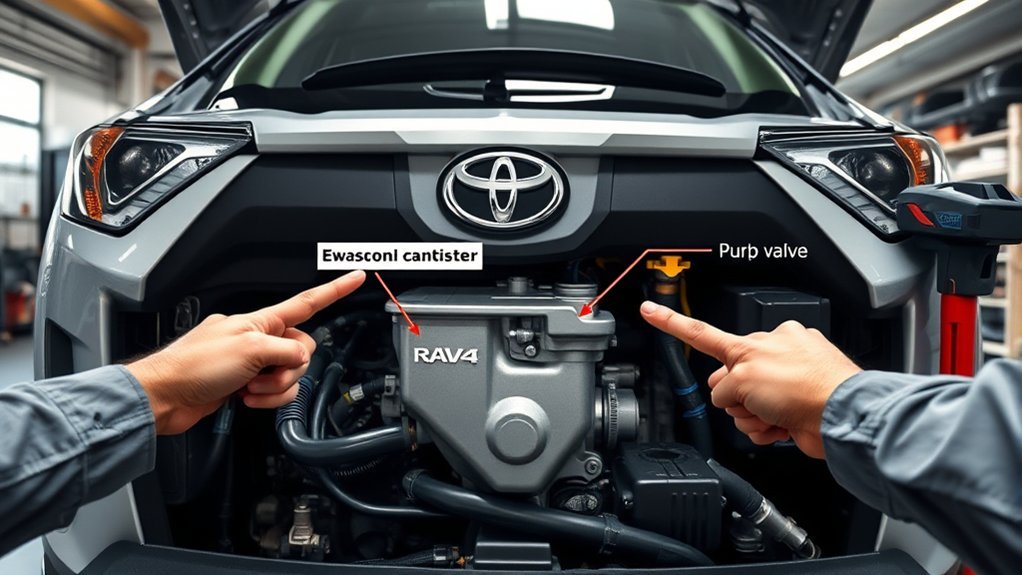
EVAP problems can come from a simple seal issue or a failed electronic valve. The best repair starts with the trouble code, visual inspection, and a leak test instead of replacing random parts.
[Products Worth Considering]

This TPMS relearn tool helps GM vehicle owners quickly activate and reset tire pressure monitoring sensors after tire changes, sensor replacements, or warning light issues. Designed for many Chevy, Buick, GMC, Cadillac, and Opel models, it works with common sensor frequencies and can save time compared with dealer visits. Its simple one-button operation makes tire sensor relearning fast and easy for everyday maintenance.

This comprehensive 22-piece car wash cleaning kit provides everything needed for exterior and interior detailing in one organized set. It includes a collapsible bucket, microfiber wash mitt, towels, brushes, dusters, scraper, and applicator pads to help clean paint, glass, wheels, vents, and tight spaces with ease. Designed for safe use on delicate surfaces, it is a practical choice for cars, trucks, SUVs, RVs, motorcycles, and home cleaning tasks.
Loose or Damaged Gas Cap
A loose, missing, cracked, or non-sealing gas cap can cause small or large EVAP leak codes. Remove the cap, inspect the rubber seal, check for dirt on the filler neck, and tighten the cap until it clicks. If the cap seal is cracked or hardened, replace it with a quality cap that fits the RAV4 correctly.
Stuck Purge Valve
A purge valve that sticks open can allow unwanted vapor flow into the engine, sometimes causing rough idle, hard starting after refueling, or rich-running symptoms. A valve that does not open can prevent vapor purge and trigger EVAP flow codes. A scan tool with bi-directional controls can help command the valve open and closed during testing.
Faulty Vent Valve or Blocked Canister Filter
If the vent valve or its filter is blocked, air may not move through the canister correctly. This can make the fuel pump click off repeatedly when filling the tank. Dust, road debris, and corrosion can contribute to vent-side failures.
Cracked Hoses or Damaged Connectors
Rubber vapor hoses and plastic fittings can crack with age, heat, or road exposure. Small leaks may not be visible, so a smoke test is often the fastest way to find them.
Damaged or Fuel-Soaked Charcoal Canister
The charcoal canister is designed for vapor, not liquid fuel. Overfilling the tank after the pump clicks off can push liquid fuel into the vapor system on some vehicles, which may damage the canister or cause fuel odor. Stop filling when the pump shuts off automatically.
Warning: Do not smoke, create sparks, or work near open flames when inspecting fuel vapor lines. Gasoline vapors are flammable. If you smell strong fuel odor or see liquid fuel leaking, stop driving and have the vehicle inspected safely.
Common RAV4 EVAP Trouble Codes
The exact code definitions can vary slightly by scan tool, but these are common EVAP-related codes RAV4 owners may see:
| Code | General Meaning | Likely Areas to Check |
|---|---|---|
| P0440 | EVAP system malfunction | Gas cap, hoses, canister, valves |
| P0441 | Incorrect purge flow | Purge valve, vacuum lines, wiring |
| P0442 | Small EVAP leak | Gas cap seal, small hose cracks, fittings |
| P0446 | Vent control problem | Vent valve, canister filter, wiring |
| P0455 | Large EVAP leak | Loose cap, disconnected hose, cracked canister |
| P0456 | Very small EVAP leak | Cap seal, pinhole leak, small vapor-line leak |
Do not replace parts based only on the code name. For example, a “small leak” code can be caused by a cap seal, hose, canister, valve, or filler-neck issue. Diagnosis matters.
[Products Worth Considering]

CEL Doctor: The ANCEL AD310 is one of the best-selling OBD II scanners on the market and is recommended by Scotty Kilmer, a YouTuber and auto mechanic. It can easily determine the cause of the check engine light coming on. After repairing the vehicle's problems, it can quickly read and clear diagnostic trouble codes of emission system, read live data & hard memory data, view freeze frame, I/M monitor readiness and collect vehicle information

[Easy to Use—Work Out of the Box] + [FOXWELL 2026 New Version] FOXWELL NT604 Elite scan tool is the 2026 new version from FOXWELL, designed for car owners who want to figure out the cause of issues before fixing car problems by scanning common systems like ABS, SRS, engine, and transmission. The NT604 Elite obd2 scanner diagnostic tool comes with the latest software—no need to waste time downloading software first. Plug the scanner into the OBDII port with OBDII cable to start the diagnosis.
How the Purge Valve Enhances Emissions Control
The purge valve improves emissions control by controlling when fuel vapors leave the charcoal canister. Without this valve, vapors could enter the engine at the wrong time or stay trapped in the canister too long.
When the valve works correctly, it helps the RAV4:
- Burn stored vapors during normal engine operation.
- Prevent excess fuel vapor from entering the intake at idle or startup.
- Keep the charcoal canister from staying loaded with vapor.
- Support accurate EVAP monitor testing.
When the purge valve fails, the symptoms can overlap with other problems. Rough idle, hard starting, fuel odor, and check engine lights may also come from vacuum leaks, fuel trim issues, electrical faults, or vent-side EVAP problems.
Pro Tip: If your RAV4 is hard to start right after refueling, ask the technician to test whether the purge valve is stuck open. That symptom often points toward unwanted vapor flow into the intake.
What You Should Know About Advanced Diagnostics
Advanced EVAP diagnostics use more than a basic code reader. A professional scan tool can view fuel tank pressure data, command valves on and off, run system tests on supported models, and confirm whether the computer sees the expected pressure change.
Common diagnostic steps include:
- Scanning for stored and pending trouble codes.
- Checking freeze-frame data to see when the fault occurred.
- Inspecting the fuel cap, filler neck, hoses, and visible connectors.
- Commanding the purge and vent valves with a scan tool when supported.
- Watching fuel tank pressure sensor readings during valve tests.
- Using a smoke machine to find small vapor leaks.
- Repairing the confirmed fault, clearing codes, and completing readiness drive conditions.
Professional sources such as Snap-on describe the vent valve, canister, and fuel tank pressure sensor as key parts of EVAP testing and diagnosis. Their overview of EVAP system operation and testing is a useful technical reference for understanding how these parts interact.
Maintaining Your RAV4’s EVAP System for Optimal Performance
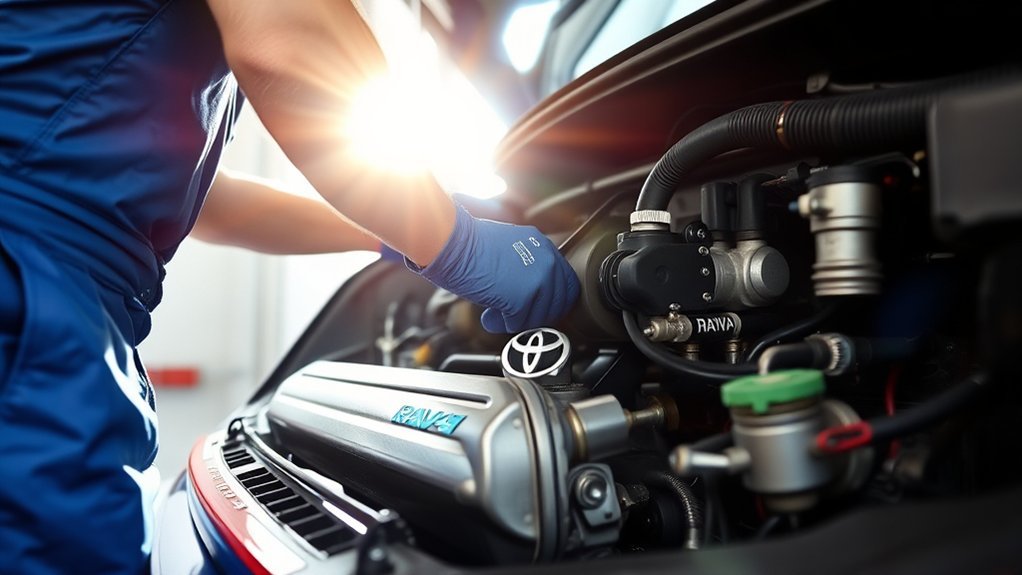
EVAP maintenance is mostly about protecting seals, preventing damage, and responding quickly when the check engine light appears. The system does not need routine fluid changes, but small habits can prevent avoidable problems.
Inspect the Fuel Cap
Check the cap seal for cracks, flattening, or dirt. Make sure the cap tightens fully after every fill-up. If the cap is missing or damaged, replace it promptly.
Avoid Topping Off the Tank
Stop fueling when the pump clicks off. Continuing to add fuel can push liquid fuel toward the vapor system, which may shorten canister life.
Respond to Fuel Smells
A fuel smell near the rear of the vehicle, under the hood, or after refueling deserves attention. EVAP vapor leaks can be hard to see, but they should not be ignored.
Do Not Ignore the Check Engine Light
If the check engine light is on, scan the vehicle before an emissions inspection. Toyota states that when the malfunction indicator lamp is on for an emissions-control problem, the vehicle may not pass an inspection and may need repair before retesting.
Use the Right Diagnostic Process
Replacing the gas cap first may be reasonable when the cap is clearly loose or damaged. But if the code returns, use proper testing. Smoke testing, scan-tool data, and electrical checks can save money by finding the actual fault.
Frequently Asked Questions
How does the Toyota RAV4 EVAP system work?
The RAV4 EVAP system captures gasoline vapors from the fuel tank, stores them in a charcoal canister, and sends them through a purge valve into the engine when conditions are right. The onboard diagnostic system also checks whether the system can seal properly.
Can I drive my RAV4 with an EVAP code?
In many cases, the vehicle may still drive normally with an EVAP code, but you should not ignore it. The issue can cause fuel odor, failed emissions inspection, or harder diagnosis later. If you smell strong fuel fumes or see liquid fuel, stop driving and have the vehicle inspected.
What is the most common cause of an EVAP leak code?
A loose or damaged fuel cap is one of the most common and easiest causes to check. However, EVAP leak codes can also come from cracked hoses, a damaged canister, a bad vent valve, a purge valve problem, or a filler-neck leak.
Will an EVAP problem make my RAV4 fail an emissions test?
Yes, it can. If the check engine light is on for an emissions-control problem or the OBD readiness monitors are not complete, the vehicle may fail an inspection and maintenance test.
Why does the gas pump keep shutting off when I fill my RAV4?
Repeated pump shutoff can happen when the tank cannot vent properly during refueling. A restricted canister filter, faulty vent valve, damaged canister, or blocked vapor line may be involved. A technician can test the vent side of the EVAP system to confirm the cause.
Conclusion
Your Toyota RAV4’s EVAP system is easy to overlook because it works quietly in the background, but it plays a major role in controlling fuel vapor emissions. The charcoal canister stores vapors, the purge valve sends them to the engine, the vent valve helps the system breathe and seal, and the pressure sensor helps the computer check for leaks.
If your RAV4 shows an EVAP code, start with the basics: inspect the fuel cap, look for fuel odor, scan the codes, and avoid topping off the tank. If the light returns, proper diagnostics are the best path. A careful smoke test and scan-tool check can find the real fault and keep your RAV4 efficient, inspection-ready, and cleaner-running.
Sources
- Toyota 2024 RAV4 Owner’s Manual: Emission Inspection and Maintenance Programs — supports OBD emissions inspection and malfunction indicator light guidance.
- Snap-on: EVAP System Operation and Testing — supports component functions including vent valve, canister, and fuel tank pressure sensor.
- California Air Resources Board: Evaporative Emission Standards and Test Procedures — supports evaporative emissions standards and testing context.
- U.S. Environmental Protection Agency: Vehicle and Engine Certification — supports federal vehicle emissions certification context.



[…] Warning: Do not keep clicking the nozzle after the pump shuts off. Topping off can overfill the tank and may send fuel into the evaporative-emissions system. […]
[…] code means the EVAP system is not holding pressure or vacuum during its self-test. Start with the gas cap and filler neck, then inspect EVAP hoses, purge and vent valves, and the charcoal canister. If no […]