
Last updated: July 31, 2026
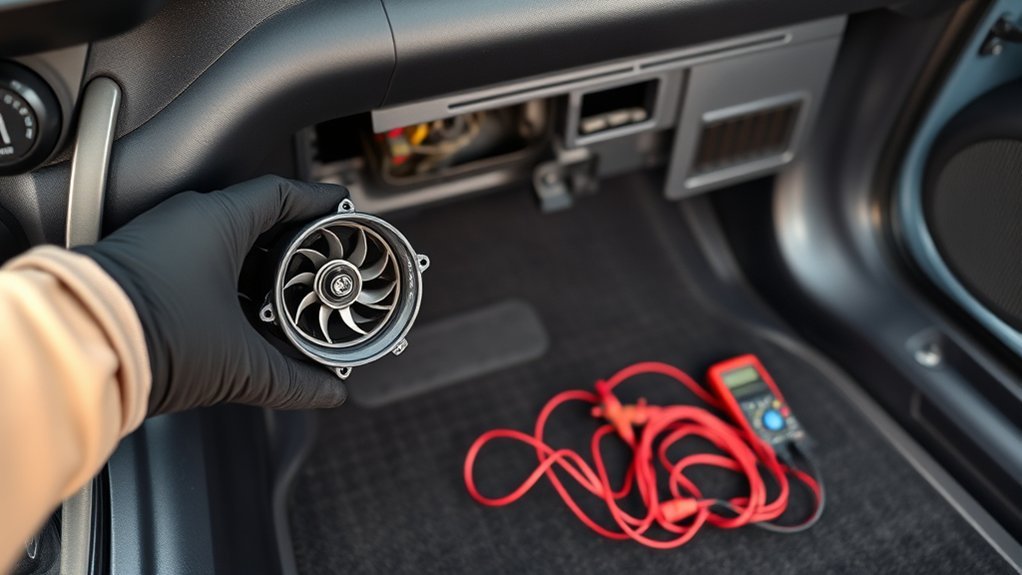
If your Toyota RAV4 blower motor is not working, diagnose it by symptom and HVAC design. No airflow on every fan setting can come from a blown fuse, failed power or ground, a relay where fitted, damaged wiring, a failed control circuit, or the blower motor assembly. On an older manual system with fixed fan steps, airflow only on the highest setting strongly points to the blower-resistor circuit because the high-speed path bypasses the resistor. On an electronic variable-speed system, high speed does not necessarily bypass the control electronics; a stuck-high, limited-speed, or no-speed fault can involve the command signal, air-conditioning amplifier, wiring, or electronics built into the blower assembly. A fan that starts after a tap or bump often points to a worn motor or intermittent connection.
Match the symptom in the table below, then confirm the circuit for the exact model year. The all-new 2026 RAV4 is a sixth-generation vehicle, so do not apply a 2019–2025 diagram or test sequence to it without verification. Fuse labels, connector pinouts, component names, and approved test methods change across generations.
What’s in This Article
- Quick Answer
- Confirm the Symptom
- Common Causes and First Checks
- RAV4 Generations and Control Type
- Safety, Tools, and Model-Year Checks
- Fuse, Relay, and Power Tests
- Resistor, Controller, or Motor Tests
- Motor Cleaning or Replacement
- Intermittent Faults
- Parts and Shop Notes
- Frequently Asked Questions
- What to Do Next
Quick Answer
What usually causes a RAV4 blower to stop working?
No airflow on every setting points to the fuse and power path, ground, relay where fitted, wiring, connector, control circuit, or blower assembly. If an older manual system works only on high, test the resistor circuit first because the high-speed path bypasses the resistor. On an electronic variable-speed system, do not assume a separate resistor or a high-speed bypass; test the command circuit and model-specific blower assembly as Toyota specifies. If tapping the passenger-side dash makes the fan start, inspect the motor and connections for an intermittent fault.
| Symptom | Likely Area to Test First |
|---|---|
| No fan sound or airflow on any setting | Fuse, power feed, ground, relay where fitted, controller, connector, or motor |
| Only high speed works | Resistor and high-speed bypass circuit on stepped-speed systems; command signal, wiring, air-conditioning amplifier, or blower assembly on variable-speed systems |
| Only some speeds work | Blower resistor, electronic controller, connector, blower switch, control input, or HVAC control panel |
| Fan starts only after tapping the dash or hitting a bump | Worn motor brushes or bearings, or an intermittent connection at the connector, ground, or blower switch |
| Airflow cuts in and out | Loose terminal, overheated connector, poor ground, chafed wiring, controller, or worn motor |
| Motor can be heard but airflow is weak | Cabin filter, intake obstruction, damaged fan wheel, duct restriction, or air-door fault |
| Grinding, rubbing, or rattling noise | Debris in the fan wheel, a loose wheel, housing contact, or worn motor bearings |
Key Takeaways
- Confirm whether the problem is no airflow, weak airflow, cold airflow, or incorrect vent direction.
- Only-high operation is a classic resistor-circuit symptom on stepped-speed systems; electronic variable-speed systems require a different test path.
- A fan that runs only after a tap or a bump usually means a worn motor or a loose connection — plan to repair it, not rely on the tap.
- Older manual systems commonly use a resistor pack; automatic and newer systems may use a command-controlled or motor-integrated design, so verify the installed architecture before buying.
- Disconnect the motor from the vehicle circuit before an approved fused direct-power test.
- If a correct replacement fuse opens again, stop replacing fuses and find the electrical fault.
- Record photos, codes, meter readings, and the affected fan settings before visiting a shop.
Confirm the Symptom Before Testing Parts
A blower-circuit problem means the cabin fan does not move air correctly. It is different from a heating or air-conditioning problem in which the fan moves air normally but the air has the wrong temperature.
- No fan sound and no airflow: Continue with the fuse, power, ground, controller, and motor checks in this guide.
- Fan sound but weak airflow: Inspect the cabin filter, outside-air intake, fan wheel, and duct or door restrictions.
- Normal airflow that stays cold: The blower is operating. Check the RAV4 cooling system, thermostat, heater core, and temperature-blend system instead.
- Air comes from the wrong outlets: Check the mode-door actuator, linkage, control panel, or related control circuit.
- Airflow fails only at certain speeds: Identify whether the vehicle uses a resistor pack or electronic blower controller before testing it, and check the blower switch as well.
- Fan wakes up when you tap the dash or hit a bump: This intermittent behavior points to a worn motor or a loose connection rather than a fuse — see the intermittent-faults section.
Warning: Do not drive when a failed blower prevents you from keeping the windshield clear. Repair the defrost airflow before driving in conditions that can fog, frost, or ice the glass.
Toyota RAV4 Blower Motor Not Working: Start Here
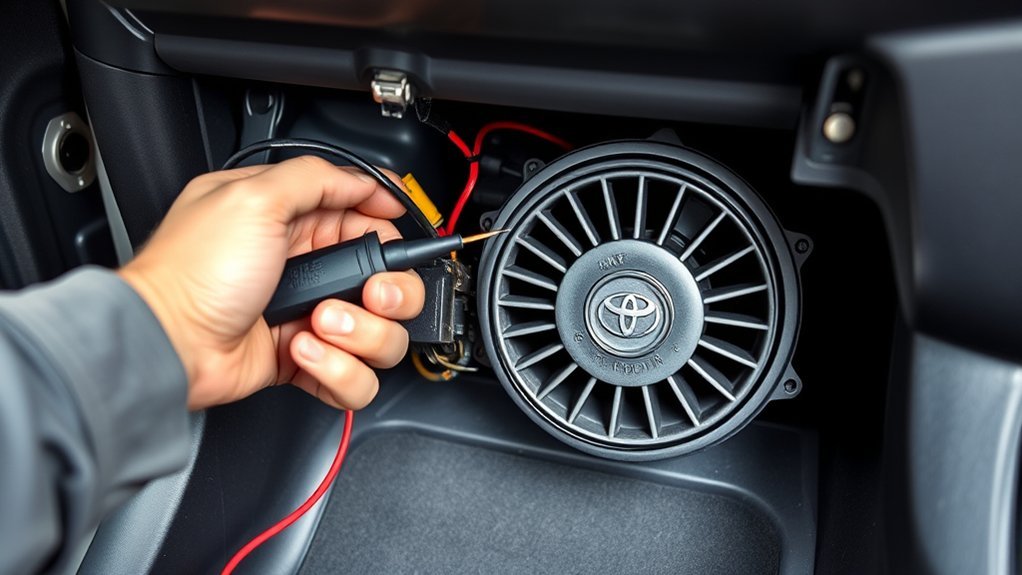
Start with the symptom pattern and the blower-control design. A traditional resistor pack creates fixed fan speeds by routing the motor ground through different resistance paths. The highest manual setting uses a separate low-resistance or bypass path, which is why lower speeds can fail while high still works.
Electronic variable-speed systems work differently. Toyota service information for 2019–2025 RAV4 gasoline and hybrid models describes a blower-with-fan motor assembly that receives a speed command from the air-conditioning amplifier and controls its own operation. That design is not diagnosed like a simple resistor pack, and a high-speed symptom does not prove that any electronic controller was bypassed. Use Toyota repair information for the exact vehicle before measuring a command terminal or applying power.
The blower assembly and related controls are commonly in the passenger-side lower-dash area, but the location, connector layout, and removal procedure vary by generation.
Which blower-control system does your RAV4 use?
| System Clue | Likely Control Design | Diagnostic Caution |
|---|---|---|
| Manual A/C with distinct numbered or stepped fan settings | Often a resistor pack on earlier generations | Only-high operation supports a resistor or bypass-path diagnosis, but confirm the wiring diagram and switch circuit |
| Automatic climate control or smoothly variable speed | Electronic command-controlled blower system | Do not assume high bypasses the electronics; diagnosis may require command-waveform or scan-tool testing |
| 2019–2025 RAV4 gasoline or hybrid | Speed control is described within the blower-with-fan motor assembly, commanded by the air-conditioning amplifier | Treat the multi-terminal assembly as electronic; do not use a generic resistor test or feed 12V to an unidentified signal terminal |
| 2026 sixth-generation RAV4 | Model-specific electronic architecture | Use 2026 repair information; do not carry over 2019–2025 pins, fuses, or procedures |
Ordering by the phrase “blower resistor” alone is a common fitment mistake. A resistor pack, separate electronic module, and electronically controlled blower assembly are not interchangeable. Confirm the installed part by VIN, connector, HVAC option, and Toyota catalog description before buying.
Inspect every accessible blower connector for corrosion, loose or backed-out terminals, darkened pins, melted plastic, or damaged insulation. A poor terminal can mimic a failed control component.
On a resistor-controlled system, do not replace a heat-damaged resistor connector without checking terminal tension, corrosion, wiring condition, and blower current against the applicable specification. On an integrated electronic blower assembly, follow the model-specific procedure rather than assuming the motor caused a separate controller to overheat.
Keep the cabin air filter and intake path clear. A clogged filter usually reduces airflow rather than causing a complete electrical shutdown. See how to replace your RAV4 cabin air filter and confirm its orientation.
RAV4 Generations and Blower-Control Type by Model Year
Use the model year to choose the correct diagnostic family, then verify the exact HVAC option and connector. The 2026 RAV4 begins a sixth generation, so the previous “2019–present” grouping is no longer accurate.
| Generation (US model years) | Common Chassis Designation | Diagnostic Starting Point |
|---|---|---|
| 1st gen (1996–2000) | XA10 | Stepped-speed resistor system is typical; verify the exact market and HVAC option |
| 2nd gen (2001–2005) | XA20 | Stepped-speed resistor system is typical; verify the exact market and HVAC option |
| 3rd gen (2006–2012) | XA30 | Manual A/C uses a resistor path; automatic climate uses an electronic command path |
| 4th gen (2013–2018) | XA40 | Manual and automatic systems have different circuits and motor terminal assignments |
| 5th gen (2019–2025) | XA50 | Toyota service information describes command-controlled speed electronics within the blower-with-fan motor assembly |
| 6th gen (2026–present) | Chassis designation | Use sixth-generation service information; blower architecture, pins, and fuse details must be verified separately |
Before You Start: Safety, Tools, and Model-Year Checks
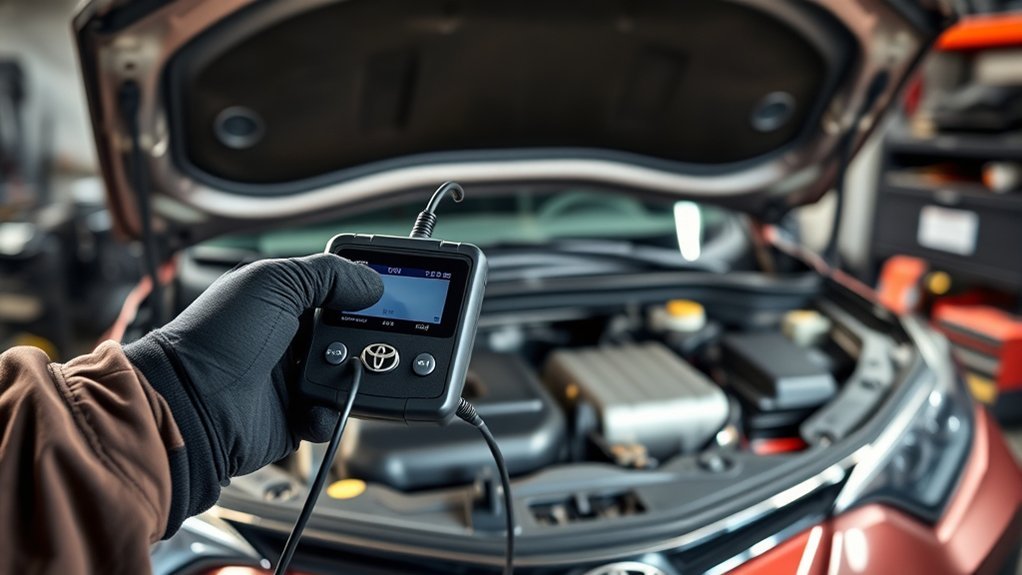
Useful tools include a digital multimeter, trim tool, small socket set or screwdriver, fused jumper leads, and an enhanced scan tool when the vehicle supports HVAC body-module diagnostics. Use back-probes or approved test adapters instead of forcing oversized probes into connector terminals.
Turn the ignition off before unplugging components. Follow the exact service procedure before disconnecting the 12V battery because battery disconnection can affect stored settings and vehicle systems. On RAV4 Hybrid or Prime models, stay away from orange high-voltage cables and high-voltage components. These blower checks concern the low-voltage HVAC circuit.
Warning: Never feed battery power into the vehicle harness or an unidentified control terminal. Backfeeding the circuit can damage wiring or electronic modules. A 2019–2025 blower-with-fan motor assembly uses a multi-terminal electronic control design; do not treat it like an older two-terminal motor.
Do not rely on a fuse number, amperage, relay position, connector pin, or wire color copied from another RAV4. The main blower power feed is often protected by a heater/blower fuse (frequently labeled “HTR” on the fuse-box legend), but the exact label, amperage, and location differ by year, so read the fuse-box cover and the official Toyota manual portal for your exact vehicle.
Test Fuses, Relay, and Blower Power Safely (Step-by-Step)
Work from the easiest non-invasive check toward component testing. Do not replace the motor merely because it does not run from the dashboard control.
- Confirm the symptom: Make sure the fan is silent or is failing at specific settings. If you can hear it running, inspect airflow restrictions before testing the motor circuit.
- Identify the correct circuit: Use the exact fuse-box information and wiring diagram for the vehicle.
- Test the fuse: With the circuit safely de-energized, confirm continuity across the removed fuse. Replace an open fuse only with the specified type and amperage.
- Stop after a repeated fuse failure: If the correct replacement opens again, inspect for a short, seized motor, damaged harness, overheated connector, or excessive current. Do not keep installing fuses.
- Check the relay where fitted: Confirm that the model uses a separate serviceable blower relay. Test it according to its terminal diagram or swap it only with a verified identical relay. Vehicles with automatic climate control may not use a separate blower relay.
- Inspect the connectors: Look for corrosion, loose pins, backed-out terminals, heat discoloration, melting, and damaged wire insulation.
- Test power and ground: Identify each terminal from the wiring diagram. Test the circuit while it is commanded on and, where appropriate, perform a voltage-drop test under load.
- Check the electronic command: On a variable-speed system, follow the factory procedure for the command signal between the air-conditioning amplifier and blower assembly. Toyota procedures may call for an active test or waveform check; a steady voltage reading alone may be misleading.
- Bench-test only a service-approved motor: Use a fused jumper only when the exact procedure identifies a two-terminal motor and its polarity. Do not jumper a multi-terminal electronic blower assembly or apply power through the vehicle harness.
[Products Worth Considering]

The NOCO GENIUS5 is an all-in-one battery charging and maintenance solution for 6V and 12V lead-acid and lithium batteries. It features temperature compensation, dead-battery recovery, desulfation, and safe long-term maintenance to help extend battery life and performance. Compact and versatile, it works with a wide range of vehicles and comes with mounting accessories and a warranty.

This versatile car fuse assortment kit includes multiple fuse sizes and current ratings to help keep vehicles protected and ready for quick repairs. With organized color-coded fuses, a fuse puller, and installation guidance, it offers a convenient backup solution for a wide range of automotive and recreational vehicles. It's ideal for drivers who want a practical emergency replacement set for everyday use and travel.
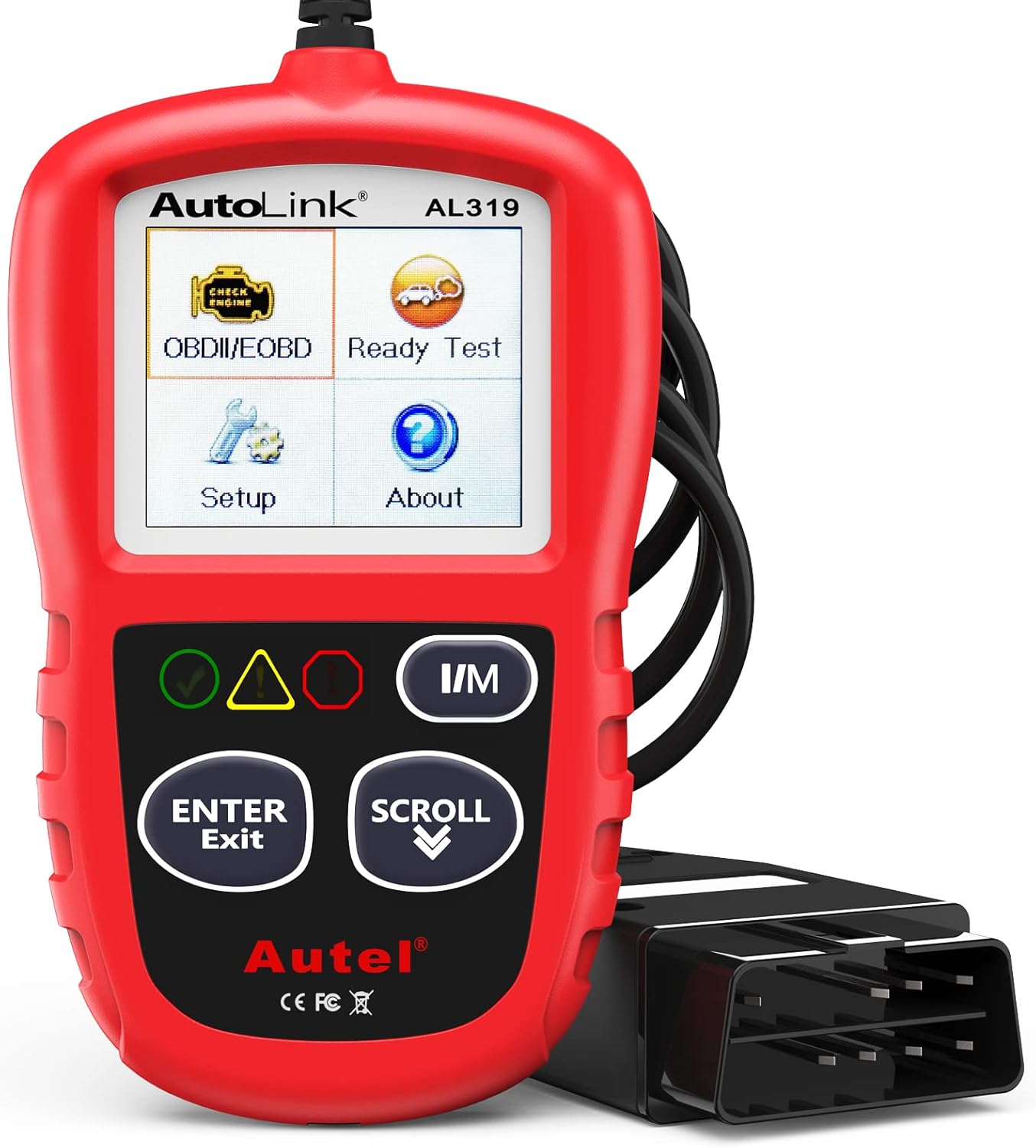
The Autel AL319 is a user-friendly OBD2 scan tool designed to help drivers quickly diagnose check engine light issues and understand vehicle fault codes. It supports reading and clearing DTCs, live data, freeze frame, I/M readiness, and vehicle information, making it a practical choice for DIYers and everyday car owners. With plug-and-play operation, a color display, built-in speaker, and broad vehicle compatibility, it delivers fast, reliable diagnostics without complicated setup.
What do the test results mean?
| Test Result | What It Suggests | Next Step |
|---|---|---|
| Fuse is open | The circuit lost continuity because of an overload, short, or fuse failure | Install the correct fuse once and investigate immediately if it opens again |
| No supply at the expected power terminal | Upstream fuse, relay, switch, module, connector, or wiring fault | Trace the circuit upstream using the wiring diagram |
| Excessive voltage drop on power or ground | High resistance in a wire, terminal, splice, connector, or ground point | Isolate and repair the high-resistance connection |
| Service-approved two-terminal motor runs smoothly from a fused supply | The motor can operate, but this does not prove its current draw is within specification | Test the controller, command circuit, loaded voltage drop, and motor current to factory specifications |
| Service-approved two-terminal motor does not run or turns roughly | Motor, fan wheel, bearing, or internal electrical failure | Inspect for mechanical blockage and replace the motor if the failure is confirmed |
| Connector is melted or discolored | High resistance, loose terminal contact, corrosion, or abnormal circuit current | Repair the connector and diagnose the cause before installing another controller or motor |
Is It the Resistor, Controller, or Motor? 3 DIY Checks
Use these checks only after identifying the blower-system design and connector terminals for your RAV4.
[Products Worth Considering]

Turn your iPhone, Android device, or Windows PC into a professional-grade diagnostic scan tool with this Bluetooth OBD2 adapter. It is designed for broad vehicle compatibility and supports popular apps for deeper diagnostics, live data, and code clearing. Built-in protections and firmware updates help keep your vehicle and scanner safe while delivering reliable performance.

This click torque wrench delivers accurate, repeatable tightening for automotive and home repair tasks, helping prevent over-tightening and fastener damage. Its dual-range scale, knurled non-slip grip, and durable ratchet head make it easy to use, while the included extension bar and storage case add extra convenience.

【Fitment】2009-2019 For Toyota Corolla 1.8 ; 2019 For Toyota Corolla 2.0 ; 2009-2010 For Toyota Corolla 2.4 ; 2009-2013 For Toyota Matrix 1.8 ; 2009-2013 For Toyota Matrix 2.4 ; 2012-2014 For Toyota RAV4 - ; 2006-2008 For Toyota RAV4 2.4 ; 2009-2018 For Toyota RAV4 2.5 ; 2006-2012 For Toyota RAV4 3.5 ; 2008-2015 For Scion xB 2.4 ; 2011-2016 For Scion tC 2.5
1. Does the failure affect every speed?
If every fan setting is dead, inspect the main power path, ground, connector, control circuit, and blower assembly. A resistor-only diagnosis is weak when no setting works because the circuit may have lost its supply, ground, relay operation, or command.
If only the highest speed works on a stepped-speed manual system, test the resistor, resistor connector, and blower switch circuit first because the high-speed path bypasses the resistor. On an electronic variable-speed system, the same symptom does not prove a bypass; test the command signal, wiring, air-conditioning amplifier, and blower assembly using the model-specific procedure. If only the high setting is dead while lower settings work on a stepped-speed system, inspect the high-speed switch or relay path, connector, and wiring. The motor itself is less likely because it already runs on lower speeds.
2. Is the controller or connector heat-damaged?
Disconnect the circuit safely and inspect for darkened terminals, melted plastic, corrosion, or loose pins. Heat damage does not prove that the controller alone failed. Check terminal tension, wiring condition, and motor current according to the factory procedure, because a motor drawing excess current can overheat the resistor and connector.
3. Can the disconnected motor run correctly?
If Toyota’s service procedure identifies a conventional two-terminal motor and permits a direct test, disconnect it and use an appropriately fused supply at the specified terminals and polarity. A motor that does not move, starts only after repeated attempts, turns slowly, or makes rough mechanical noise is suspect.
Do not use this method on an unidentified multi-terminal blower assembly. For 2019–2025 RAV4 models, Toyota service information describes electronics within the blower-with-fan motor assembly, so follow the active-test, power, ground, signal, and waveform procedure instead.
A conventional motor that runs during a direct test is not automatically healthy. It can still draw excessive current or fail under heat and load.
Do not use an ohmmeter test intended for a resistor pack on an electronic blower circuit. Follow the model-specific diagnostic procedure.
Clean or Replace the Blower Motor
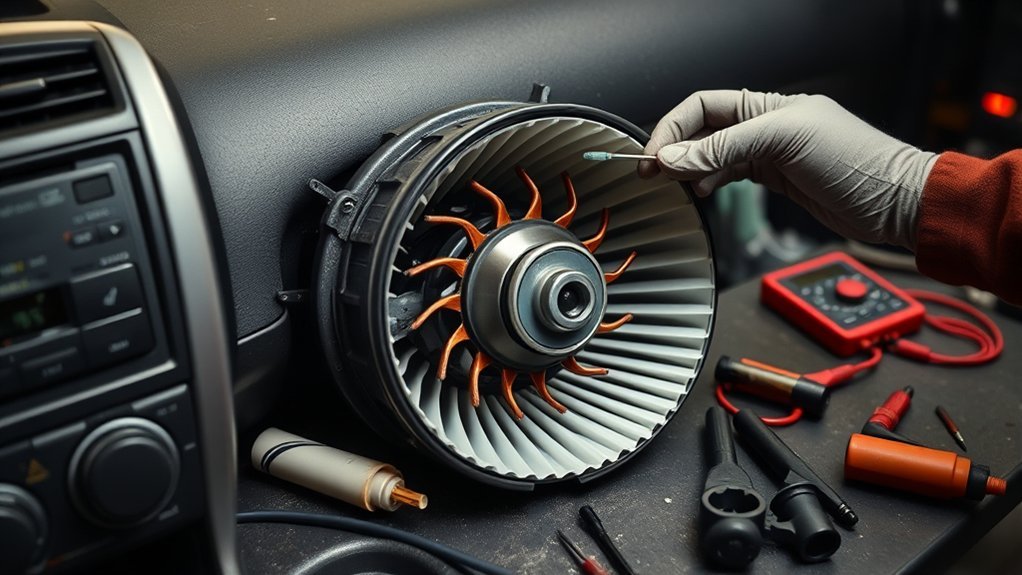
Before replacing the blower motor, inspect the fan wheel and housing for leaves, lint, broken plastic, or another obstruction. Rotate the wheel by hand only after the circuit is safely de-energized. It should turn without scraping, severe wobble, or rough spots.
Clean loose debris without bending the fan blades or forcing dirt farther into the HVAC housing. Check that the fan wheel is secure and does not contact the case.
Do not add oil to a sealed blower motor or disassemble its brushes, commutator, or bearings unless Toyota’s service procedure identifies the motor as serviceable. Oil can contaminate electrical surfaces and does not correct worn internal parts. If the fan only wakes up after a tap or a bump, that is typically worn brushes or bearings inside the motor rather than a filter or fuse problem, and the motor is due for replacement.
Replace the motor when testing confirms that it will not run, turns roughly, makes bearing noise, has excessive play, or draws current outside the applicable specification.
Pro tip: Inspect the cabin air filter while the blower area is accessible. Replace a dirty, damaged, or damp filter with the correct part for the vehicle.
[Products Worth Considering]

Compatible with Toyota 4Runner (2010-2024), Avalon (2005-2018), Camry (2007-2017), Corolla (2009-2019), Corolla iM (2017-2018), Highlander (2008-2019), Land Cruiser (2008-2021), Matrix (2009-2014), Mirai (2016-2020), Prius (2010-2015), Prius C (2012-2021), Prius Plug-In (2012-2015), Prius V (2012-2018), RAV4 (2006-2018), Sequoia (2008-2022), Sienna (2011-2020), Tundra (2007-2021), Venza (2009-2016), Yaris (2006-2019), Yaris R (2016-2018), Hiace (2006-2019), Hilux (2004-2016)

[Vehicle Fitment]: Replacement for Toyota: Avalon (2019-2022), Camry (2018-2025), Corolla (2019-2025), Corolla Cross (2022-2025), CROWN (2023-2024), C-HR (2018-2022) [IMPORTANT: Fits Japan Built Models ONLY, VIN starts with 'J'],Highlander (2020-2025), Prius (2016-2025), Prius AWD-E (2019-2022), Prius Prime (2017-2024), RAV4 (2019-2025), RAV4 Prime (2021-2024), Sienna (2021-2025), Venza (2021-2024), Grand Highlander (2024-2025), GR Corolla (2023-2025).

[Vehicle Fitment]: For Toyota: 4Runner (2010-2024), Avalon (2005-2018), Camry (2007-2017), Corolla (2009-2019), Corolla iM (2017-2018), Highlander (2008-2019), Land Cruiser (2008-2011,2013-2021), Matrix (2009-2014), Mirai (2016-2020), Prius (2010-2015), Prius C (2012-2019), Prius Plug-In (2012-2015), Prius V (2012-2018), RAV4 (2006-2018), Sequoia (2008-2022), Sienna (2011-2020), Tundra (2007-2021), Venza (2009-2016), Yaris (2007-2018).
Track Down Intermittent Faults: Grounds, Wiring, and Codes
Intermittent operation can come from a loose terminal, heat-damaged connector, worn motor, poor ground, controller fault, blower switch, or damaged wire. The “works after a tap or a bump” pattern is the classic intermittent tell: the vibration momentarily restores a failing contact or nudges worn motor brushes back into play. Start with a visual and physical inspection rather than replacing the motor immediately.
Check accessible ground points for looseness, corrosion, damaged terminals, or contamination between the terminal and mounting surface. Inspect the harness for chafing, pinching, melted insulation, bent pins, and backed-out terminals. On systems with a mechanical blower switch, the switch is one possible intermittent fault. Gently operate it while the fan is commanded on and watch for repeatable dropouts.
With the circuit operating and the connector safely back-probed, watch the appropriate meter reading while gently moving the harness. Do not pull hard enough to create a new fault. A dropout that follows harness movement helps narrow the problem to a connection or wire.
A Toyota-capable enhanced scan tool may be able to read HVAC or body-module data that a basic emissions-focused reader cannot access. Record the complete code and description, then verify both against Toyota service information for the exact model year. Do not diagnose the blower from a generic internet code list.
Use the NHTSA recall and vehicle-safety search to review available recalls and manufacturer communications. A VIN or license-plate lookup is designed to show certain unrepaired recalls. Search by year, make, and model for broader recalls, investigations, complaints, and manufacturer communications. A clean VIN result does not prove that no technical communication or completed campaign exists.
Parts, Repair Factors, and What to Tell Your Mechanic
Repair cost depends on the model year, HVAC design, failed component, connector condition, diagnostic time, local labor rate, and whether related wiring needs repair. On many RAV4 generations the blower motor and resistor sit under the passenger-side dash and are among the more accessible HVAC parts, but confirm the fault before comparing parts.
- Fuse or serviceable relay: The component may be simple to replace, but a repeated fuse failure or damaged relay circuit requires further diagnosis.
- Resistor or electronic control fault: The installed design may be a resistor pack, a separate control path, or electronics within the blower assembly. Match the diagnosis and replacement part to the exact vehicle.
- Blower motor: Parts and labor vary by generation and by the amount of trim or ducting that must be removed; manual and automatic systems can require different motors.
- Connector or harness repair: Melted terminals, corrosion, damaged wiring, and poor grounds can add labor and must be repaired with the failed component.
- HVAC control or network diagnosis: A command-signal or module fault may require an enhanced scan tool and factory wiring information.
Before ordering a part, confirm:
- The exact model year, trim, market, and gas, Hybrid, or Prime configuration.
- Whether the vehicle uses a resistor pack, separate electronic control path, or electronically controlled blower assembly.
- The connector shape, terminal count, and verified part number.
- Whether a damaged connector or pigtail also requires replacement.
- Whether abnormal motor current, terminal resistance, corrosion, or wiring damage contributed to the failure.
Bring this information to the repair shop:
- Photos of melted plastic, corrosion, loose pins, damaged wires, or debris.
- Fuse condition and whether a replacement opened again.
- Power, ground, voltage-drop, command-signal, and motor-test results.
- The complete diagnostic codes and scan-tool descriptions.
- The affected fan settings and whether the fault changes with heat, vibration, or vehicle movement.
These records can help the technician reproduce the problem, but the shop may still need to perform its own tests before approving a repair.
Frequently Asked Questions
Why does my RAV4 blower only work on high speed?
On a stepped-speed manual system, high uses a path that bypasses the resistor, so a failed resistor or resistor connector can remove the lower settings while high still works. On an electronic variable-speed system, do not assume a bypass. A stuck-high or limited-speed fault can involve the command signal, wiring, air-conditioning amplifier, or electronics within the blower assembly.
Where is the blower motor fuse on a Toyota RAV4?
The exact fuse label, amperage, and fuse-box location depend on the model year and HVAC circuit. Older Toyota service information often identifies an HTR fuse or HTR H-fuse, but that label must not be carried across every generation. Check the fuse-box cover and the official Toyota manual for the exact vehicle.
Does a 2019–2025 RAV4 have a separate blower resistor?
Toyota service information for 2019–2025 gasoline and hybrid RAV4 models describes a blower-with-fan motor assembly that receives a command from the air-conditioning amplifier and controls blower operation and speed. Do not order a generic resistor or apply an older resistor test until the installed part and circuit are verified.
Why does tapping the dash or hitting a bump make my RAV4 blower start?
That behavior often points to worn motor internals or an intermittent connector, ground, switch, or wire. Vibration can briefly restore contact or move worn brushes. It is a diagnostic clue, not a repair; inspect the circuit and blower assembly before the fan stops completely.
Why is there no airflow from my RAV4’s vents?
If the fan is silent, check the correct fuse, power feed, ground, relay where fitted, connector, electronic command path, and blower assembly. If you can hear the fan but little air reaches the vents, inspect the cabin filter, intake, fan wheel, ducting, and air doors instead.
Can a dirty cabin air filter stop the blower motor?
A clogged filter usually reduces airflow rather than opening the electrical circuit completely. It can make the fan sound normal while little air reaches the cabin. Replace a dirty or damaged filter, but continue electrical diagnosis if the motor is silent.
Is it safe to test the blower motor with a 12V jumper?
Only test a disconnected conventional motor when Toyota’s procedure identifies the correct two terminals, polarity, and fuse protection. Never apply battery power through the vehicle harness, a command terminal, or a multi-terminal electronic blower assembly.
Do I need a special scan tool to read RAV4 HVAC codes?
Some RAV4 systems require a Toyota-capable enhanced scan tool for HVAC data and active tests. A basic emissions reader may not access body or air-conditioning modules. Confirm coverage for the exact model year before treating a no-code result as proof that the HVAC electronics are healthy.
Why does the blower fuse keep blowing?
A fuse that opens again can indicate a shorted wire, seized or high-current motor, damaged connector, failed electronic component, or incorrect fuse application. Stop replacing fuses and inspect the circuit using the correct wiring diagram and test procedure.
Can I drive my RAV4 with a failed blower motor?
Do not drive when the failed blower prevents the defroster from keeping the windshield clear. Visibility can deteriorate quickly in rain, cold weather, or high humidity. Repair the airflow before driving in conditions that can fog, frost, or ice the glass.
What to Do Next
If every fan speed is dead, identify the exact circuit, then test the fuse and power path, ground, connector, command circuit, and blower assembly in the order Toyota specifies. If only high works on an older stepped-speed system, focus on the resistor and high-speed bypass circuit. If a variable-speed system is stuck high or will not change speed, test the command-controlled blower path rather than assuming a resistor bypass. If tapping the dash wakes the fan, inspect the motor and connections. If the fan can be heard but airflow is weak, inspect the filter, intake, fan wheel, and air doors before replacing electrical parts.
Stop DIY testing when the correct fuse opens repeatedly, the connector or harness is melted, terminal functions cannot be identified, the vehicle uses a multi-terminal blower assembly you cannot test safely, or failed airflow prevents safe windshield defrosting. Bring the model year, HVAC type, readings, codes, photos, and symptom notes to a qualified repair shop.


[…] Blower motor, controller, wiring, connector, or HVAC controls […]