Squeaky RAV4 door seals are usually caused by dirt, dry rubber, a sticky protectant, or slight movement between the weatherstrip and the door frame. The good news is that most seal-related squeaks can be fixed at home with gentle cleaning, careful drying, and a rubber-safe dressing. If the noise continues after the seals are clean, check the latch, striker, liftgate bump stops, and model-specific rear-door hardware before replacing parts.
Quick Answer
To stop RAV4 door-seal squeaks, wash the rubber weatherstripping with a soft microfiber towel and mild car-wash soap or a properly diluted rubber-safe cleaner, rinse or wipe clean, dry fully, then apply a light rubber-safe dressing. Avoid petroleum products, harsh solvents, bleach, and oversaturating the seals.
Key Takeaways
- Clean first. Applying lubricant or dressing over dirt often makes squeaks return faster.
- Use gentle products on rubber seals: mild soap, a rubber-safe all-purpose cleaner, or a water-based dressing.
- Apply dressing to a towel, not directly into the door opening, so you avoid overspray on paint, glass, upholstery, and trim.
- If squeaks continue, inspect latch alignment, striker bolts, liftgate bump stops, hinges, and worn or torn weatherstripping.
At a Glance
| Time Required | 15–30 minutes for all doors |
| Difficulty | Easy |
| Tools Needed | Microfiber towels, soft detailing brush, mild soap or rubber-safe cleaner, water, rubber-safe dressing |
| Cost | Usually $0–$25 if you already have basic detailing supplies |
Why Clean RAV4 Door Seals?
RAV4 door seals, also called weatherstripping, help reduce wind noise, dust, water intrusion, and door rattles. When the rubber collects grit, pollen, road film, wax residue, or dried dressing, it can rub against the painted door frame and create a squeak or chirp while driving.
Cleaning the seals also protects the rubber from premature wear. Toyota’s RAV4 owner information recommends washing exterior surfaces with water, car-wash soap for hard-to-remove marks, and soft cloths such as a sponge or chamois. For interior surfaces, Toyota cautions against harsh cleaning chemicals such as gasoline, benzene, bleach, and strong acidic or alkaline solutions because they may damage finishes. The same gentle approach is smart around door openings, painted jambs, plastic trim, and rubber seals.
Clean seals are easier to inspect, too. Once the dirt is gone, you can quickly spot cracks, flattened areas, loose clips, torn corners, or misaligned contact points that may be causing the noise.
Must-Have Tools for Cleaning RAV4 Door Seals
You do not need heavy chemicals to clean RAV4 weatherstripping. A simple, controlled setup works better and reduces the chance of staining trim or leaving slippery residue.
[Products Worth Considering]

Rain-X Foaming Car Wash is a concentrated cleaner designed to lift dirt, grime, and road residue while helping reduce spots and streaks for a glossy finish. Its biodegradable formula is safe for waxed surfaces and delivers high-foaming cleaning action for an exceptional wash. Ideal for routine vehicle care, it helps leave your car looking clean and bright after every wash.

Meguiar's Gold Class Car Wash combines cleaning and conditioning in one easy step for a smooth, high-gloss finish. Its advanced, biodegradable formula creates rich suds that lift away dirt and road grime while helping preserve existing wax protection. Versatile for bucket washing or foam cannon use, it leaves paint looking radiant, renewed, and ready for a professional-level detail.

This complete leather care kit includes a cleaner and conditioner that work together to remove dirt, restore softness, and protect leather surfaces. The pH-balanced formulas are safe for natural, synthetic, and sealed leather, making it a versatile choice for car interiors, furniture, apparel, and accessories. Regular use helps prevent drying, cracking, and fading while keeping leather looking fresh and feeling supple.
Essential Cleaning Tools
- Microfiber towels: Use one damp towel for cleaning and one dry towel for the final wipe.
- Soft detailing brush: A soft brush helps lift grit from textured rubber and door-jamb corners without gouging the seal.
- Small bucket or spray bottle: Use clean water with mild car-wash soap or a properly diluted all-purpose cleaner.
- Cotton swabs or foam applicators: These help clean tight corners where seals meet the body.
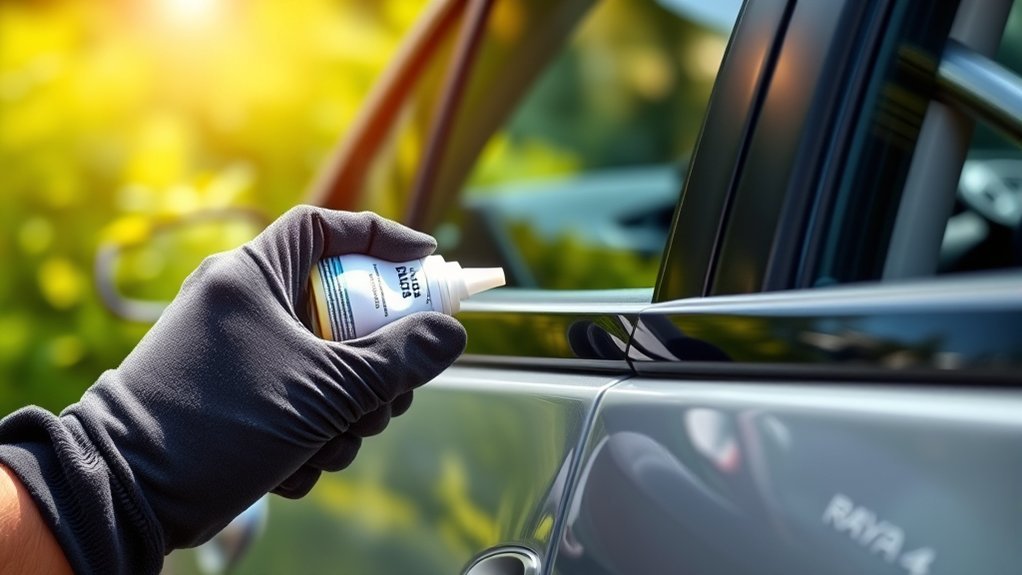
- Rubber-safe dressing: A water-based dressing can reduce dryness and restore a clean, flexible feel.
Recommended Cleaning Products
Use mild products first. For normal dirt, car-wash soap and water are usually enough. For heavier grime, a rubber-safe all-purpose cleaner can help, but it should be diluted according to the label and tested in a hidden spot first.
| Product Type | Best Use | Notes |
|---|---|---|
| Mild car-wash soap | Routine cleaning | Safest first step for most RAV4 owners |
| Rubber-safe all-purpose cleaner | Sticky residue, old dressing, heavier grime | Dilute as directed and wipe away fully |
| Meguiar’s Hyper Dressing | Final rubber dressing | Meguiar’s says it is water-based and dilutable up to 4:1 for a satin finish |
| 303 Automotive Protectant | Matte UV protection | The manufacturer lists weather seals among suitable uses |
Warning: Do not use petroleum jelly, grease, gasoline, bleach, harsh solvents, or strong acidic/alkaline cleaners on RAV4 door seals. These can soften, swell, discolor, or dry rubber and may stain nearby trim.
Application Techniques Overview
The safest method is to apply cleaner or dressing to a towel, not directly onto the seal. This gives you better control and helps prevent overspray. Use light pressure, work in small sections, and wipe the seal dry before adding any dressing.
For tight channels, wrap a microfiber towel around a finger or use a foam swab. Avoid sharp tools, stiff brushes, and aggressive scrubbing, especially on older seals that may already be dry or cracked.
Step-by-Step Guide to Cleaning RAV4 Door Seals
Follow this process before replacing weatherstripping or adjusting door hardware. Many squeaks stop once the contact surfaces are clean and dry.
1. Inspect the Seals First
Open each door and look at the full length of the rubber seal. Check for:
- Cracks, cuts, tears, or missing sections
- Flattened spots where the seal no longer springs back
- Loose weatherstripping clips or lifted corners
- White residue from wax, polish, or old dressing
- Shiny rub marks on the painted door frame
If a seal is torn, cleaning may reduce noise temporarily, but replacement is usually the correct fix.
2. Clean the Contact Surfaces
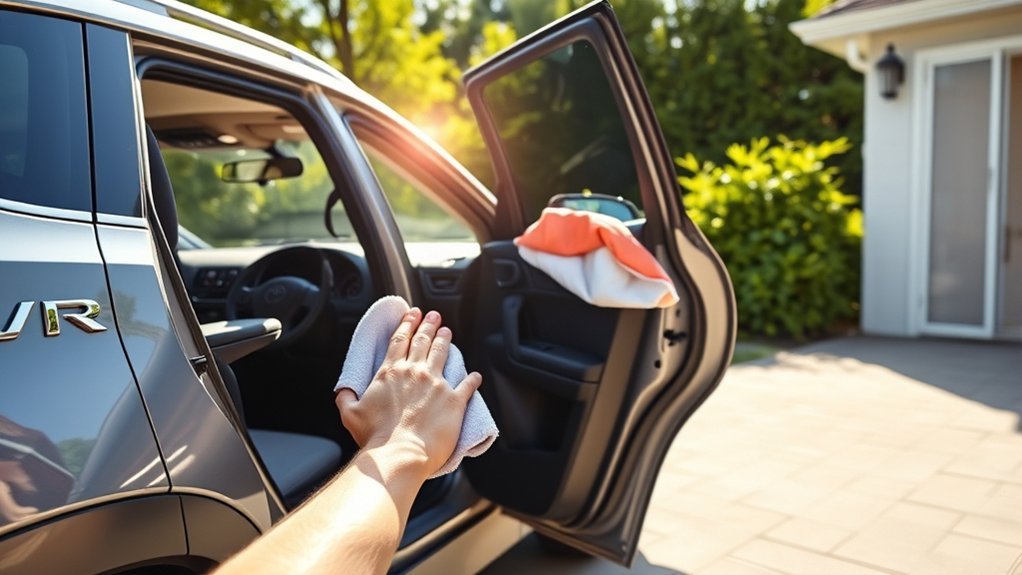
Mix mild car-wash soap with water, or use a properly diluted rubber-safe all-purpose cleaner. Dampen a microfiber towel and wipe the rubber seal, the painted jamb where the seal touches, and any plastic trim that contacts the seal.
Use a soft brush only where dirt is trapped in texture or corners. Do not scrub aggressively. Rubber weatherstripping should feel clean, not roughened.
3. Rinse or Wipe Away Cleaner
Use a second towel dampened with clean water to remove leftover soap or cleaner. Residue can dry tacky and create more noise later, so this step matters.
4. Dry Completely
Wipe the seals and door jambs with a dry microfiber towel. Leave the doors open for a few minutes if the weather allows. Applying dressing to wet rubber can trap moisture and leave a streaky finish.
5. Apply a Light Rubber-Safe Dressing
Put a small amount of rubber-safe dressing on a microfiber applicator or towel. Wipe a thin, even coat over the seal, then buff away excess with a clean towel. The rubber should look clean and natural, not wet or greasy.
Pro Tip: After cleaning and dressing, close the door on a clean sheet of paper in a few spots. If the paper pulls out with almost no resistance, that section of seal may be compressed, misaligned, or worn.
6. Test Drive and Listen
Drive over the same road surface where the squeak usually happens. If the sound is gone, add door-seal cleaning to your regular maintenance routine. If it remains, move to the troubleshooting checks below.
Troubleshooting: Fixing Common Squeaks
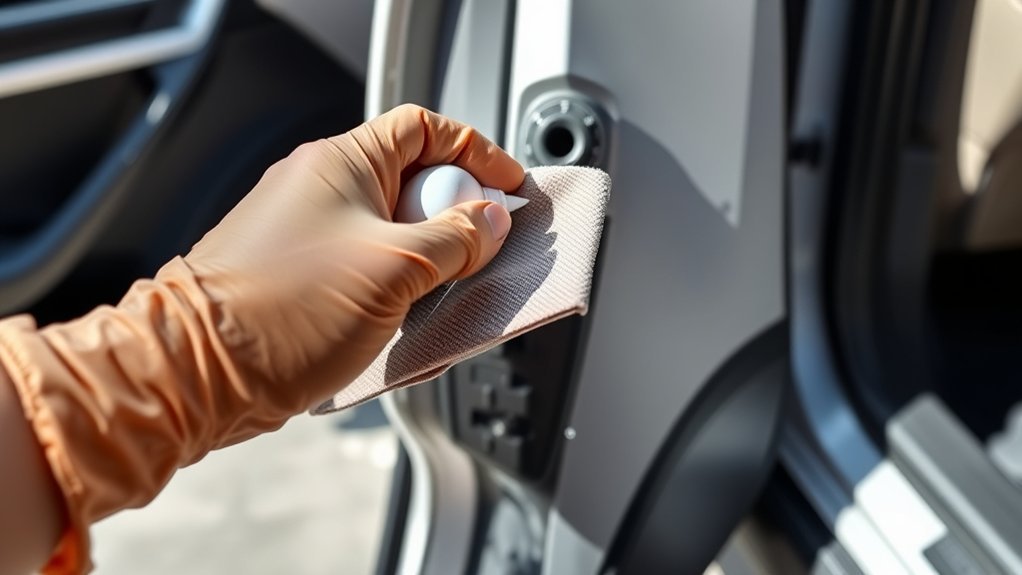
If clean door seals still squeak, the rubber may not be the only source. RAV4 body noises can also come from latch movement, liftgate bump stops, hinges, trim clips, or cargo-area items.
[Products Worth Considering]
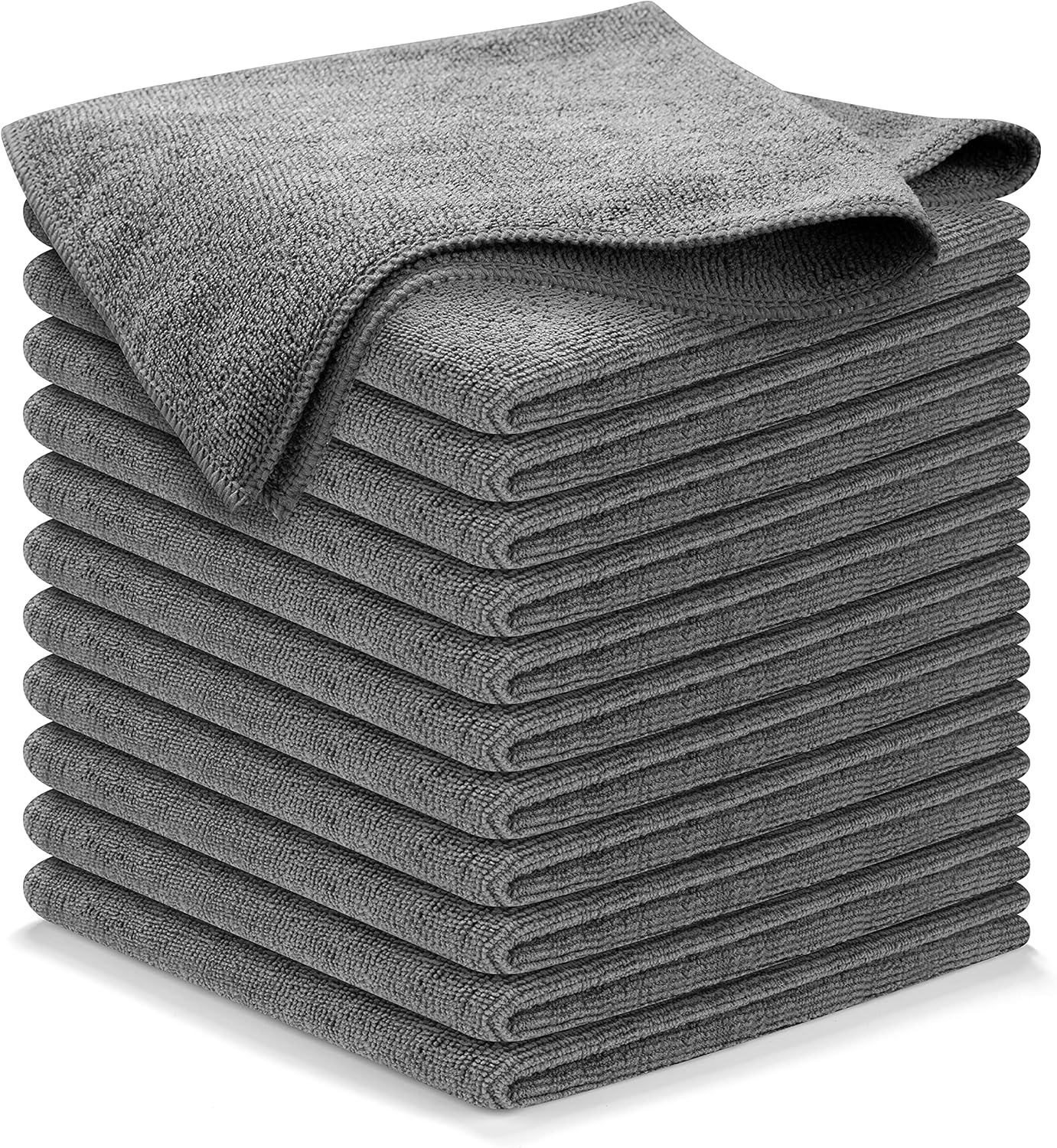
These high-performance microfiber cleaning cloths are designed to lift grime, liquid, dust, and dirt quickly while leaving a streak-free shine on glass, mirrors, and car surfaces. The thick, durable weave is built for repeated use, fast drying, and gentle cleaning that helps avoid linting, scratching, or swirling. Ideal for automotive detailing and all-purpose household cleaning, this reusable 12-pack delivers dependable absorbency and long-lasting value.

Simple Green Pro HD Heavy Duty Cleaner Concentrate is a professional-grade, non-corrosive cleaner and degreaser designed for demanding commercial and industrial jobs. It quickly cuts through tough grease, grime, and stains on floors, walls, equipment, appliances, and vehicles while remaining safe on metal surfaces. Ideal for contractor use, kitchens, baths, pressure washing, parts washing, and ultrasonic cleaning, it delivers versatile all-purpose cleaning power in one formula.

Compatible with Toyota Camry 2007-2016, RAV4 2009-2014.
Front and Rear Side Door Squeaks
- Look for shiny rub marks: A shiny line on the painted door frame can show where the seal is rubbing.
- Check for loose trim: Plastic scuff plates and pillar trim can squeak against the door seal area.
- Inspect the striker and latch: If the door moves slightly when closed, the striker or latch may need inspection. Do not loosen or reposition the striker unless you know the correct procedure, because door alignment affects sealing and safety.
- Check hinges: A dry hinge usually creaks when the door opens or closes, not while driving. Use the lubricant recommended in your owner information or have it serviced.
Rear Liftgate Squeaks
- Clean the liftgate weatherstrip: Dirt on the large rear seal can cause chirping over bumps.
- Inspect liftgate bump stops: Rubber bumpers help stabilize the liftgate. If they are dirty, dry, missing, or misadjusted, noise can travel through the cargo area.
- Remove loose cargo: Cargo covers, floor panels, tools, and items in the spare-tire well can sound like a door squeak.
- Check the license plate area: A loose plate or frame can rattle and mimic a rear-door noise.
Older RAV4 Models With Rear-Mounted Spare Tires
Some older RAV4 model years used a rear-mounted spare tire. On those vehicles, a loose spare-tire cover, bracket, or mounting hardware can create squeaks or rattles from the rear door area. Clean the contact points and make sure hardware is secure, but avoid overtightening bolts or forcing plastic covers.
Note: A squeak that changes when you press on the door panel, liftgate trim, or cargo floor is often a trim or latch issue rather than a rubber-seal issue.
Applying Dressing for Lasting Protection
A good dressing should leave the weatherstrip flexible and clean, not oily. Water-based rubber, vinyl, and plastic dressings are usually better for door seals than greasy products because they are easier to apply lightly and wipe dry.
- Choose the right finish: For door seals, a satin or matte finish is better than a wet shine because it attracts less dust.
- Apply sparingly: Put the dressing on a towel or foam applicator and wipe the seal evenly.
- Buff the excess: After a few minutes, wipe the seal with a clean towel. Excess product can transfer to clothing, paint, or interior trim.
- Let it set: Keep the door open briefly so the surface can dry before the seal is compressed.
Meguiar’s Hyper Dressing is one option because the manufacturer describes it as a water-based dressing for non-painted rubber, plastic, and vinyl that can be diluted up to 4:1. 303 Automotive Protectant is another option listed by its manufacturer for rubber, vinyl, plastic, and weather seals. Always follow the product label and test first.
Watch Out for These Mistakes When Cleaning
Most door-seal problems are made worse by overcleaning, using the wrong chemical, or leaving residue behind. Avoid these common mistakes:
- Using harsh cleaners: Strong solvents, bleach, gasoline, and aggressive degreasers can damage rubber and nearby trim.
- Soaking the seals: Too much liquid can run into trim gaps or leave residue in the seal channel.
- Skipping the final wipe: Cleaner left behind can dry sticky and attract grit.
- Using petroleum-based products: Greasy products can swell rubber, collect dust, and smear onto paint.
- Spraying silicone everywhere: Silicone overspray can make pedals, floor mats, glass, and painted surfaces slippery or difficult to clean. If you use a silicone-based rubber product, apply it to a towel first.
- Adjusting latch hardware too soon: Clean and inspect first. Door and liftgate alignment should be handled carefully.
A quiet RAV4 door seal should feel clean, dry, and flexible. If it feels sticky, gritty, oily, cracked, or flat, the seal is more likely to squeak again.
Best Practices for Long-Term Care of RAV4 Door Seals
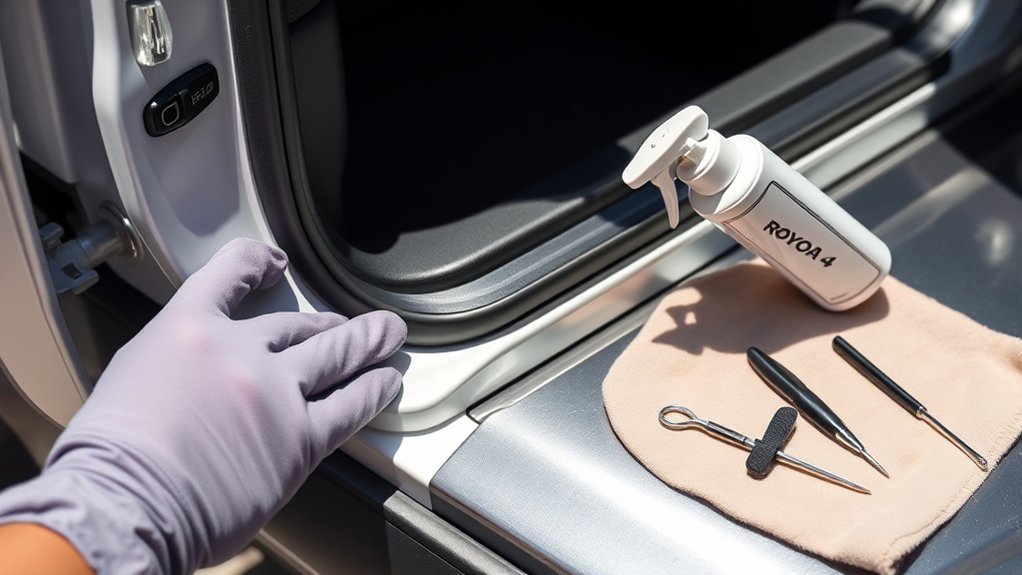
Clean RAV4 door seals every three to six months, or more often if you drive on dusty roads, park under trees, live near salt air, or notice squeaks after washing the vehicle.
- Wash the door jambs during exterior cleaning: Dirt from the jamb can transfer directly onto the seals.
- Dry the seals after heavy washing: Water left in channels can carry soap residue and grit.
- Use dressing lightly: More product is not better. A thin coat with the excess wiped off works best.
- Inspect before winter: Clean seals are less likely to stick during freezing weather. Avoid pulling hard on a frozen door; thaw it safely first.
- Inspect before summer: Heat and UV exposure can dry rubber, especially on vehicles parked outside.
When to Seek Professional Help for Persistent Issues
Get professional help if the squeak returns quickly after cleaning, the door or liftgate does not close evenly, you see torn weatherstripping, water enters the cabin, or wind noise has increased. These symptoms can point to worn seals, body alignment issues, latch problems, or trim movement.
A Toyota dealer or qualified repair shop can inspect the weatherstrip, latch, striker, hinges, and liftgate bump stops. If your RAV4 is still under warranty, keep notes about when the noise happens, the road surface, temperature, speed, and whether rain or washing makes it worse. Clear details make the problem easier to reproduce.
Toyota’s warranty information says owners are responsible for required maintenance, and that failures caused by lack of maintenance or improper maintenance are not covered. Normal cleaning should not create a warranty problem, but damage caused by harsh chemicals, incorrect repairs, or misadjustment may be treated differently.
Tips for Preventing Future Squeaks and Damage
Once the squeak is fixed, prevention is simple. Keep the rubber clean, keep the contact surface free of grit, and avoid products that leave an oily film.
- Clean seasonally: A quick wipe every few months prevents buildup.
- Use gentle cleaners: Mild soap and water should be your first choice.
- Dress only when needed: If the rubber looks dry or squeaks after cleaning, apply a light rubber-safe dressing.
- Keep wax and polish off the seals: White residue can dry hard and cause rubbing noises.
- Check cargo-area noises: Rear squeaks often come from cargo covers, floor panels, tools, or license-plate hardware rather than the seal itself.
Frequently Asked Questions
How often should I clean my RAV4 door seals?
Clean them every three to six months for normal driving. Clean them sooner if you drive in dust, salt, pollen, mud, or freezing weather, or if you hear squeaking after a car wash.
Can I use any cleaner on the door seals?
No. Use mild car-wash soap, water, or a rubber-safe cleaner diluted according to the label. Avoid petroleum products, bleach, gasoline, harsh solvents, and strong acidic or alkaline cleaners.
Is there a specific season for cleaning door seals?
There is no single required season, but cleaning before winter and summer is smart. Winter cleaning helps reduce sticking and grit buildup, while summer care helps prevent dry, noisy rubber on vehicles parked in heat and sun.
What signs indicate my door seals need replacement?
Replace or professionally inspect the seals if you see cracks, tears, missing sections, hard rubber, flattened areas, loose corners, water leaks, or new wind noise that does not improve after cleaning.
Will cleaning door seals affect my vehicle warranty?
Routine cleaning with appropriate products should not affect warranty coverage by itself. However, damage caused by improper maintenance, harsh chemicals, or incorrect adjustments may not be covered, so follow the owner information and product labels.
Should I use silicone spray on RAV4 door seals?
A rubber-safe silicone product can help in some cases, but do not spray it directly into the door opening. Apply a small amount to a towel, wipe the seal lightly, and buff away excess to avoid slippery overspray and dust buildup.
Conclusion
Squeaky RAV4 door seals are usually a maintenance problem, not a major repair. Start with gentle cleaning, dry the seals completely, and apply a light rubber-safe dressing only after the dirt and residue are gone. If the noise remains, inspect the latch area, liftgate bump stops, trim, cargo-area parts, and the condition of the weatherstripping. A clean, flexible, properly seated seal keeps your RAV4 quieter, drier, and more comfortable on every drive.
Sources
- Toyota 2024 RAV4 Owner’s Manual: Cleaning and Protecting the Vehicle Exterior — supports gentle exterior washing methods and soft-cloth cleaning guidance.
- Toyota 2024 RAV4 Owner’s Manual: Cleaning and Protecting the Vehicle Interior — supports cautions against harsh cleaning detergents around interior and trim surfaces.
- Toyota 2023 RAV4 Warranty & Maintenance Guide — supports warranty language about proper maintenance and improper maintenance exclusions.
- Meguiar’s Hyper Dressing D17001 — supports water-based dressing use on non-painted rubber, plastic, and vinyl and dilution up to 4:1.
- Chemical Guys Nonsense Invisible Super Cleaner — supports rubber-safe all-purpose cleaner use and dilution guidance.
- 303 Automotive Protectant — supports matte protectant use on rubber, vinyl, plastic, and weather seals.