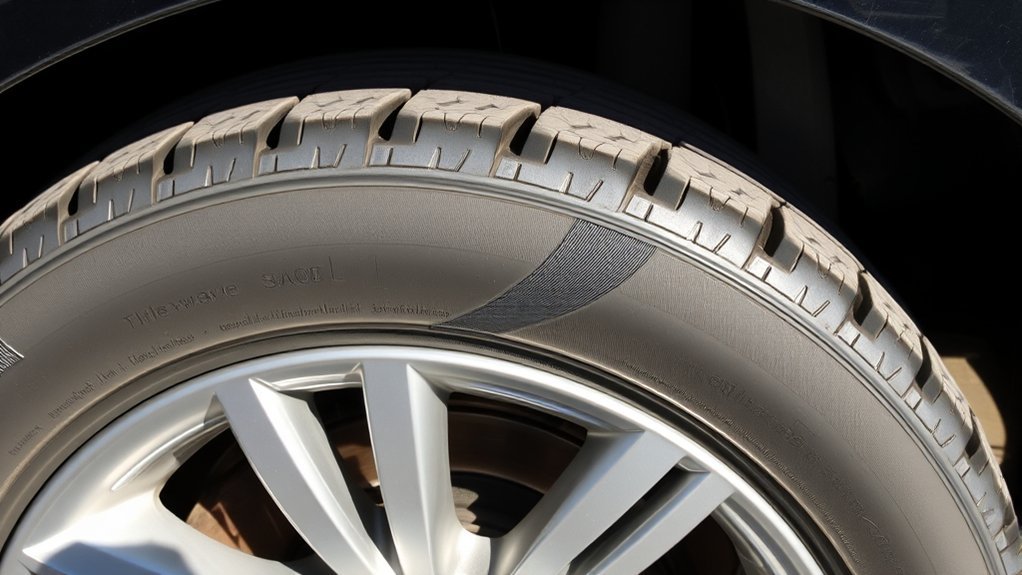
Uneven tire wear on your Toyota Camry often results from misaligned wheels, improper tire pressure, and worn suspension components. Over-inflation or under-inflation leads to uneven contact, while neglected rotations can exacerbate wear patterns. Aggressive driving habits like sharp cornering and hard braking also contribute. Regular pressure checks and professional inspections are essential for addressing these issues. By understanding these factors, you can extend your tires’ lifespan and enhance performance. Let’s explore more strategies for effective tire maintenance.
Common Causes of Uneven Tire Wear on Your Toyota Camry
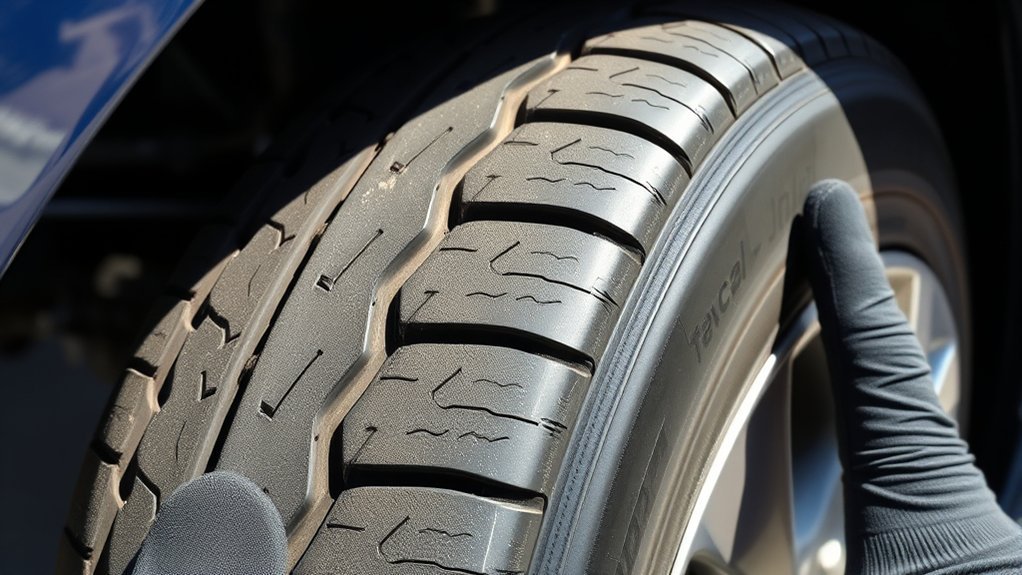
Uneven tire wear on your Toyota Camry often stems from several key factors that can greatly impact performance and safety. One common cause is tire alignment; if your wheels aren’t parallel or perpendicular, it leads to excessive wear on one tire side. Incorrect tire pressure, whether it’s over-inflated or under-inflated, also contributes by causing uneven contact with the road. Regular tire rotation is essential—neglecting it can result in uneven wear patterns, with some tires wearing out faster than others.
Additionally, worn suspension components, such as struts and control arms, can alter your vehicle’s alignment, exacerbating tire wear over time. Finally, aggressive driving habits like hard braking or sharp cornering can wear down the outer edges of your tires. To maintain peak performance, prioritize regular tire alignment and thorough suspension inspections to catch issues early.
Signs Your Suspension Components May Be Worn
If you notice your Toyota Camry wobbling or experiencing side-to-side movement, it could signal worn suspension components. Uneven tire wear patterns often accompany these symptoms, indicating potential alignment issues. Addressing these signs promptly can prevent further damage and improve your vehicle’s handling and safety.
Symptoms of Worn Suspension
When your suspension components start to wear, you’ll often notice distinct symptoms that can affect your vehicle’s performance. Uneven tire wear, especially on the outer edges, commonly indicates issues with tie rod ends or control arm bushings. You might feel a noticeable wobble or vibration during low-speed driving, suggesting compromised ball joints or rack and pinion. Excessive side-to-side movement of the tire and hub can further point to underlying suspension problems. Regular suspension inspection is essential; cracked or bulging tires may signal that worn parts are disrupting alignment and tire longevity. Be vigilant for instability, like difficulty maintaining a straight line or excessive tire noise, as these symptoms can reveal the need for replacement or repair.
Handling and Steering Issues
As you drive your Toyota Camry, handling and steering issues can signal that your suspension components are wearing down. If you notice a wobble or vibration, especially at low speeds, it’s a clear sign something’s off with your alignment or tire balance. A vehicle that pulls to one side indicates that your suspension isn’t maintaining proper alignment, compromising steering responsiveness. Inspecting for excessive play in tie rod ends and ball joints is essential, as these parts directly affect your vehicle’s handling and stability. To enhance your driving experience, consider regular wheel alignment checks and timely suspension upgrades. Addressing these issues promptly will improve tire longevity and overall performance, ensuring a smoother, safer ride.
Uneven Tire Wear Patterns
Handling and steering issues often lead to noticeable signs of uneven tire wear, reflecting potential problems with your suspension components. If you observe excessive outer edge wear on your tire tread, it may indicate worn control arms or misalignment. One-sided wear often suggests improper alignment or underinflation, which can worsen suspension wear. Feather edge wear, characterized by a spiky appearance, typically results from misalignment linked to worn tie rod ends or ball joints. Additionally, cupping or scalloping indicates a failing suspension system, necessitating the replacement of shocks or struts. Regular inspections for loose parts and worn bushings are essential to prevent uneven tire wear and maintain safety. Keep an eye on wear indicators to guarantee peak vehicle performance.
How Wheel Misalignment Affects Your Camry Tires
Wheel misalignment greatly impacts your Toyota Camry’s tire longevity and performance. When your wheels aren’t aligned properly, you’ll notice uneven tire wear, especially on the outer edges, which drastically reduces tire lifespan. Regular alignment checks are essential, particularly after hitting potholes or curbs. Even minor misalignments can lead to your vehicle pulling to one side and causing excessive vibration, worsening tire wear if not addressed quickly.
Maintaining proper wheel alignment enhances steering stability and driving safety, ensuring that your tires maintain even contact with the road. This is especially important in adverse weather conditions, where peak tire performance is essential. To prevent premature tire wear and improve overall vehicle handling, it’s recommended to check your alignment at least once a year or whenever you install new tires. Taking these steps helps you maximize your Camry’s performance and keep your driving experience smooth and reliable.
The Impact of Unbalanced Wheels on Your Camry Tires
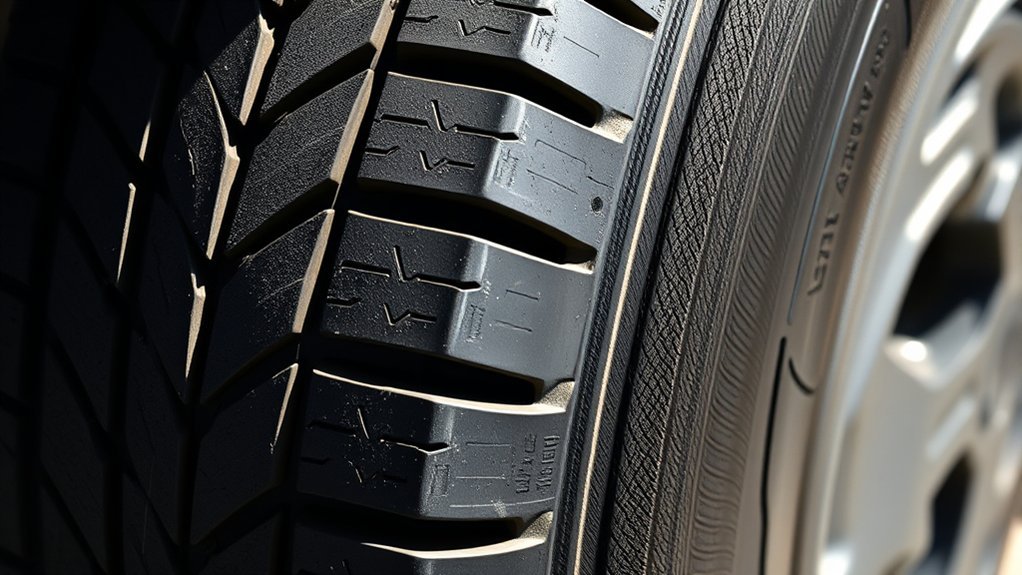
Improper wheel alignment can lead to issues like unbalanced wheels, which greatly affect your Toyota Camry’s tire performance. Unbalanced wheels cause uneven tire wear, resulting in inconsistent road contact and vibrations that compromise driving stability and tire longevity.
| Signs of Unbalanced Wheels | Effects on Tires | Solutions |
|---|---|---|
| Noticeable vibrations at speed | Excessive wear on tread edges | Regular wheel balancing |
| Uneven tread wear patterns | Premature tire replacement | Tire rotations alongside balancing |
| Handling instability | Reduced overall safety | Periodic inspections |
Regularly balancing your wheels every few thousand miles can considerably extend tire life and enhance your Camry’s handling. If you notice any signs of unbalance, it’s essential to inspect and correct the issue promptly to guarantee peak performance and safety.
Why Proper Tire Inflation Is Key for Longevity
Maintaining proper tire inflation is essential, as both over-inflation and under-inflation can greatly impact your Toyota Camry’s tire longevity and performance. Regular checks on tire pressure are vital for safe driving and maximizing tire life. Here are some key maintenance tips:
Proper tire inflation is crucial for your Toyota Camry’s performance and longevity; regular pressure checks ensure safe driving and maximize tire life.
- Check tire pressure every couple of weeks.
- Under-inflated tires wear excessively on the outer edges.
- Over-inflated tires experience accelerated center wear.
- Proper inflation improves fuel efficiency and handling.
The Role of Tire Rotation in Preventing Uneven Wear
To guarantee your Toyota Camry’s tires wear evenly, regular tire rotation is vital. Typically recommended every 6,000 to 8,000 miles, tire rotation helps redistribute stress, ensuring each tire faces varied driving conditions. This practice greatly extends tire lifespan by preventing uneven tread wear caused by differences in weight distribution and driving dynamics.
Following the maintenance schedule outlined in your owner’s manual is important for ideal vehicle performance. Neglecting tire rotation can lead to excessive wear on specific tires, resulting in premature replacements and compromising safety. Consistent rotation, paired with proper alignment and inflation checks, enhances driving stability and comfort.
Incorporating tire rotation into your routine not only maximizes tire performance but also contributes to a smoother ride. Embrace these tire rotation benefits to keep your Camry running efficiently and safely on the road.
Driving Habits That Affect Your Camry’s Tire Wear

Your driving habits play a vital role in the tire wear of your Toyota Camry. Aggressive acceleration and braking can lead to uneven wear, while improper cornering techniques may exacerbate the issue. Additionally, maintaining proper tire pressure is essential for maximizing tire lifespan and performance.
Acceleration And Braking Habits
While aggressive acceleration and hard braking may give a temporary thrill, they greatly impact your Toyota Camry’s tire wear. Rapid acceleration techniques and hard braking methods can lead to excessive wear on the outer edges of your tires, causing uneven tread over time. To combat this, consider these practices:
- Maintain smooth acceleration to distribute tire wear evenly.
- Implement gradual braking to minimize stress on tires.
- Rotate your tires every 6,000 to 8,000 miles for balanced wear.
- Regularly check tire pressure to avoid under-inflation or over-inflation.
2. Cornering Techniques
Mastering cornering techniques can greatly enhance your Toyota Camry’s tire longevity. When you corner, smooth steering input is essential. It helps distribute tire pressure evenly, reducing outside edge wear, especially on front tires. Aggressive cornering introduces excessive lateral forces, leading to uneven wear patterns. Avoid rapid acceleration and sudden braking during turns; this minimizes stress on your tires, preserving tread life and improving handling. Regularly check alignment, as frequent hard cornering can exacerbate issues, making adjustments necessary for ideal performance. Additionally, rotate your tires every 6,000 to 8,000 miles to promote uniform wear across all tires. By refining your cornering habits, you can enjoy a smoother ride and extend your tire life considerably.
3. Tire Pressure Management
Proper tire pressure management is essential for maximizing the lifespan of your Toyota Camry’s tires. Both over-inflation and under-inflation lead to uneven tire wear. Use a pressure gauge to check your tire pressure regularly, ideally every couple of weeks, ensuring it meets the manufacturer’s specified PSI.
Consider these driving habits to enhance tire longevity:
- Avoid aggressive cornering and rapid acceleration or braking.
- Rotate your tires every 6,000 to 8,000 miles to redistribute wear.
- Adjust your driving on uneven roads, like high crown roads, to minimize edge wear.
- Maintain consistent pressure to prevent center and edge wear.
When to Call in the Pros for Tire Maintenance?
When should you call in the pros for tire maintenance? If you notice excessive tire wear patterns, like bald spots or uneven edges, it’s time for a professional inspection and alignment check. Regular tire rotations every 6,000 to 8,000 miles are vital tire maintenance tips, but skipping them can lead to issues that require expert help. Additionally, if your Camry vibrates while driving or pulls to one side, these symptoms indicate alignment or balance problems needing immediate attention. For recurring tire wear issues, despite following maintenance guidelines, a technician should inspect your suspension components, as worn parts can negatively impact tire performance. Finally, if tire pressure checks reveal consistent under- or over-inflation, consulting a professional will help identify underlying problems, ensuring ideal tire life and safety on the road. Don’t hesitate to seek help when you notice these signs; it’s essential for your vehicle’s health.
Proven Strategies to Maximize Your Camry Tires’ Lifespan
Maximizing the lifespan of your Toyota Camry’s tires starts with consistent maintenance and attention to detail. By following these strategies, you’ll enhance tire tread longevity while adapting to various driving conditions:
- Check tire pressure every two weeks to prevent uneven wear from underinflation or overinflation.
- Rotate tires every 6,000 to 8,000 miles as recommended in your owner’s manual for even tread wear.
- Align wheels regularly to avoid misalignment issues that can lead to shoulder wear or one-sided wear.
- Balance tires every few thousand miles, especially after hitting potholes, to prevent vibrations and uneven wear.
Final Thoughts on Maintaining Your Camry’s Tires
Maintaining your Toyota Camry’s tires is essential for safety and performance. To guarantee peak tire longevity, start with regular checks of tire pressure; both over-inflation and under-inflation can lead to uneven tread wear. Implement tire maintenance tips like rotating your tires every 6,000 to 8,000 miles to promote even wear and enhance driving dynamics. Additionally, schedule routine wheel alignments to keep your tires meeting the road at the right angles, preventing one-sided wear.
Don’t overlook your suspension components—worn parts can exacerbate alignment issues, leading to uneven tire wear. Finally, be mindful of your driving habits; aggressive cornering can cause increased outside edge wear. By following these tire longevity strategies, you’ll not only extend the life of your tires but also elevate your Camry’s performance, guaranteeing a smoother, safer ride.
Frequently Asked Questions
What Is Causing My Tires to Wear Unevenly?
Uneven tire wear’s often caused by incorrect tire pressure or alignment issues. Check your tire pressure regularly and ascertain proper alignment to promote even wear, enhancing your vehicle’s performance and longevity on the road.
What’s the Best Way to Prevent Uneven Wear?
To prevent uneven tire wear, prioritize regular tire maintenance, conduct alignment checks after impacts, rotate your tires every 6,000 to 8,000 miles, and guarantee proper inflation to maximize lifespan and performance.
How Much Does It Cost to Fix Unbalanced Tires?
Fixing unbalanced tires typically costs between $15 and $50. Regular tire rotation and alignment service can enhance performance, prevent uneven wear, and save you money on replacements, ensuring your ride remains smooth and safe.
Which Component May Lead to Uneven or Excessive Tire Wear?
Alignment issues and improper tire inflation can lead to uneven or excessive tire wear. Regularly check your wheel alignment and maintain appropriate tire pressure to guarantee even wear and extend your tires’ lifespan.
Conclusion
In summary, keeping your Toyota Camry’s tires in top shape is essential for safety and performance. Did you know that improperly inflated tires can reduce fuel efficiency by up to 3% for every 1 PSI drop? Regular maintenance, including checking alignment and tire pressure, can greatly extend tire life. By staying proactive and addressing issues early, you can enjoy a smoother ride and maximize your investment in your vehicle. Don’t overlook the importance of proper tire care!