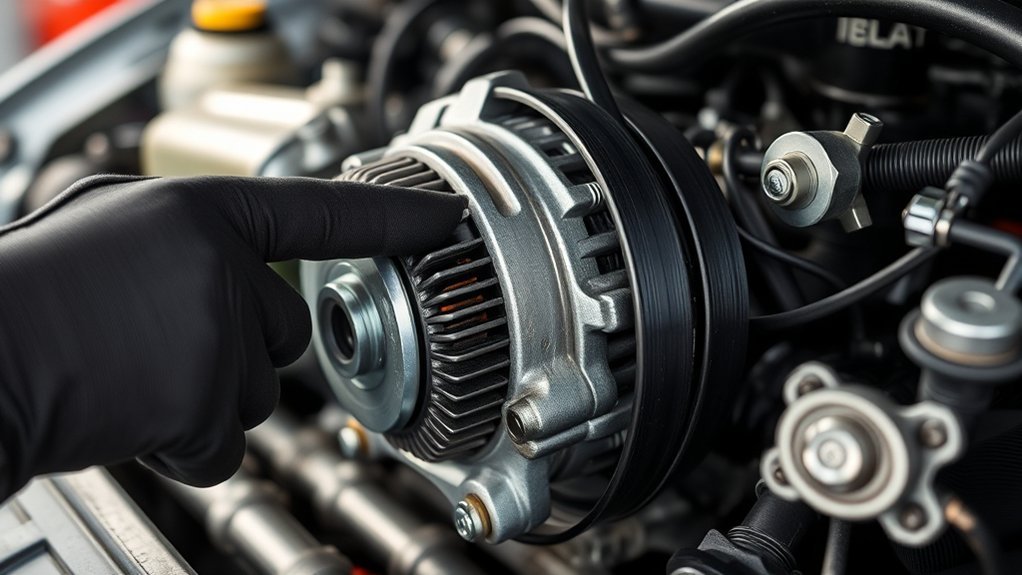
Your Camry’s serpentine belt is a single continuous rubber belt that mechanically links the crankshaft to accessories like the alternator, power‑steering pump, and A/C compressor, so those systems run off engine power simultaneously and efficiently. It uses V‑grooves for grip, reduces parts and complexity compared with multiple belts, and needs regular inspection for cracking, glazing, or fraying to avoid loss of charging, steering assist, or cooling. Keep an eye on wear and you’ll learn when and why to replace it.
Quick Answer: Does Your Camry Have a Serpentine Belt?
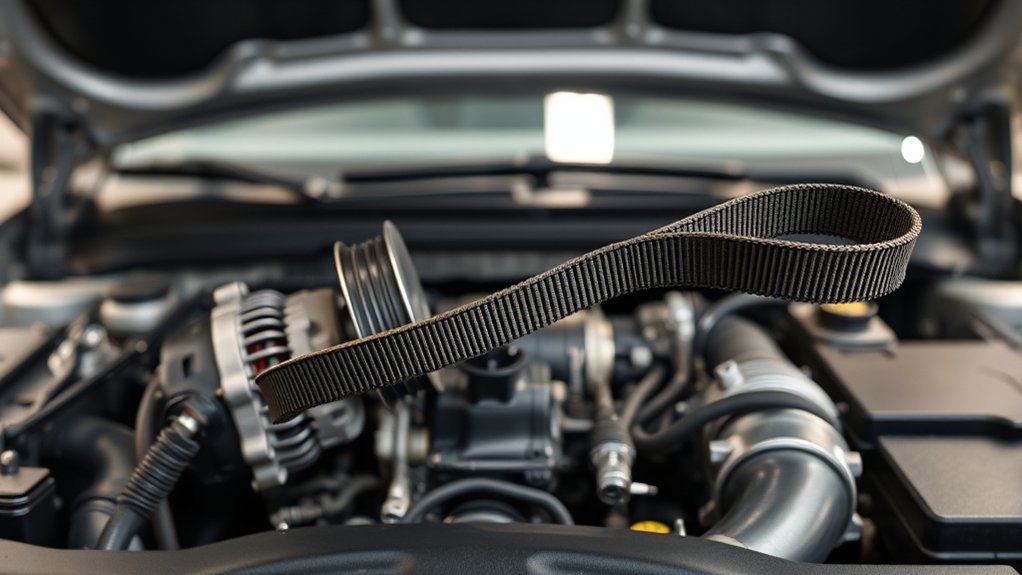
Wondering whether your Camry has a serpentine belt? You don’t—if you own a 2017 Camry Hybrid, the vehicle relies on hybrid technology that drives accessories electrically, eliminating the conventional serpentine belt found in non-hybrid engines. You’ll find no belt routing across pulleys in the engine bay; that absence is intentional and normal for the hybrid architecture. Be aware parts catalogs can mistakenly list serpentine belts for hybrid variants, so don’t order or expect a belt replacement interval as part of routine servicing. Instead, focus your maintenance tips on electric accessory systems, inverter coolant, hybrid battery health, and related diagnostics. When a technician inspects your hybrid, verify VIN-specific parts and ask them to confirm there’s no belt service required. This clarity prevents unnecessary parts purchases and empowers you to maintain freedom from redundant service tasks while keeping the hybrid drivetrain and electrical systems performing reliably.
What a Serpentine Belt Is and Why It Matters for Camry Owners
A serpentine belt is a single, continuous rubber drive belt that powers key accessories on most non-hybrid Toyota Camrys—typically the alternator, power-steering pump (on hydraulic systems), and air conditioning compressor—so a failure can disable multiple systems at once. You should view the belt as a central mechanical link; modern Camrys use one belt to reduce parts count and simplify service. Its design life is roughly 60,000–100,000 miles, but environmental exposure and driving conditions shorten that. Watch for cracking, fraying, glazing, or audible squeal and chirp; those are diagnostic cues that precede total failure. Regular inspections and proactive belt maintenance prevent sudden loss of charging, steering assist, or A/C and protect your independence on the road. When you replace the belt on schedule, you preserve vehicle reliability and minimize the performance impact of accessory loss. Treat belt checks as nonnegotiable maintenance—it’s a small intervention that secures mobility and resists dependency on roadside assistance.
Which Camry Models Use a Serpentine Belt (Hybrid Exceptions)
Most gas-engine Camry models use a single serpentine belt to drive the alternator, power steering, and A/C compressor. You should expect routine inspection and replacement intervals for those gasoline variants, typically in the 60,000–100,000 mile range. Note that Camry Hybrid models (for example the 2017 Hybrid) omit the serpentine belt because accessories are electrically driven, and parts catalogs can sometimes misidentify belts for hybrids.
Hybrid Model Exceptions
Although non-hybrid Camrys rely on a single serpentine belt to drive multiple accessories, the 2017 Camry Hybrid does not use a traditional serpentine belt because its accessories are electrically driven. You’ll note hybrid maintenance shifts focus: inspect electrical systems, coolant circuits, and hybrid-specific components rather than a belt. There’s no visible belt in the engine bay, and manufacturers don’t publish serpentine replacement intervals for this model. Beware parts-catalog errors—some suppliers list belts for hybrids inaccurately, which can mislead you into buying unnecessary parts. Maintain liberation by prioritizing the hybrid’s actual service items: battery cooling, inverter/coolant integrity, and transmission fluid levels. That targeted approach reduces wasted effort and keeps your hybrid operating within intended specifications.
Gasoline Engine Coverage
Think of the serpentine belt as the single continuous drive that powers accessories on gasoline Camry engines; you’ll find it on nearly all non-hybrid models where it routes around multiple pulleys to drive the alternator, power-steering pump, and A/C compressor. You rely on that routing for consistent engine efficiency and accessory function. Most gasoline Camrys use this belt, which links multiple pulleys to distribute power efficiently. Expect service intervals around 50,000–100,000 miles depending on material and conditions. You should perform belt maintenance inspections regularly, looking for cracking, fraying, or glazing so you can replace the belt before failure. Note the 2017 Camry Hybrid and other hybrids omit the serpentine belt, using electrical drives instead, so your inspection focus shifts accordingly.
What the Camry Serpentine Belt Powers
The serpentine belt on a Toyota Camry drives several critical engine accessories—primarily the alternator, power steering pump, and air conditioning compressor, and on some model years it also powers the water pump—by linking them to the crankshaft so rotational energy is distributed simultaneously. You rely on this single accessory drive to maintain electrical charging, hydraulic steering assist, climate control, and, where applicable, coolant circulation. The belt’s vertical V-shaped grooves engage pulley flanges to maximize grip and reduce slip under load, preserving synchronous operation across accessories. Inspect the belt regularly for cracking, fraying, or glazing; visible deterioration presages failures that can disable charging, eliminate power steering assist, or cause overheating if the water pump is belt-driven. You’ll preserve vehicle autonomy by replacing a worn serpentine belt per interval or at first sign of damage—preventive action prevents sudden loss of systems and keeps your Camry functioning as an efficient, dependable platform for your mobility.
Serpentine Belt vs. Timing Belt: Key Differences for Camrys
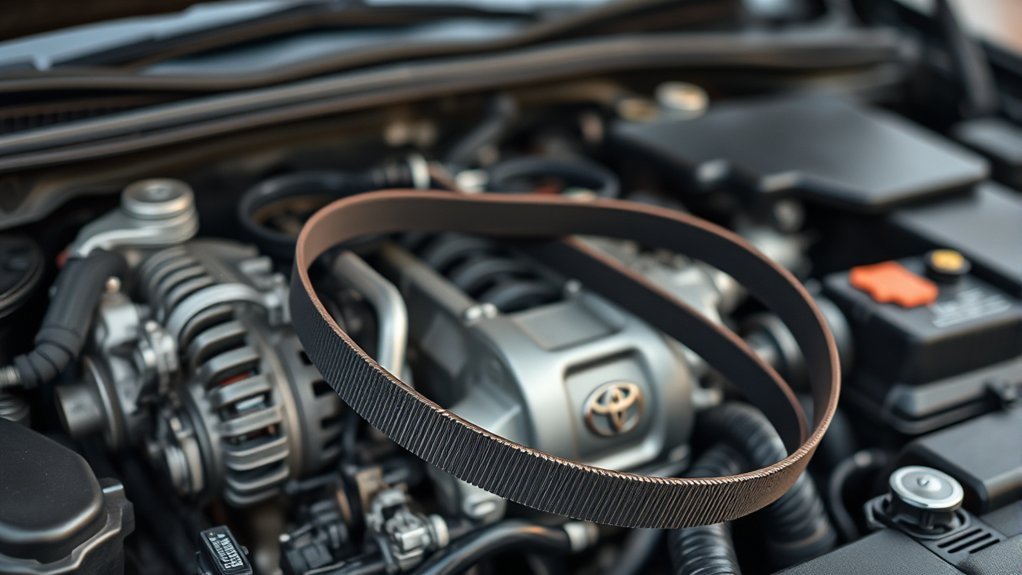
Now that you know what the Camry serpentine belt drives, it’s important to distinguish it from the timing belt because they serve fundamentally different roles and failure modes. You’ll rely on the serpentine belt as an external drive with vertical V-shaped grooves that powers accessories—alternator, power steering pump, A/C—directly affecting engine performance and day-to-day control. The timing belt, by contrast, is internal with horizontal teeth that precisely synchronize crankshaft and camshaft motion; its failure risks catastrophic engine damage.
Don’t confuse them: visual cues, location, and function differ. Both may require replacement in similar mileage ranges, so plan belt maintenance deliberately to avoid cascading failures. If the serpentine belt fails you’ll lose accessory function and comfort; if the timing belt fails you could lose your engine. Maintain both proactively to preserve mechanical freedom and avoid expensive repairs that limit your mobility and autonomy.
How Long Camry Serpentine Belts Last and Recommended Intervals
You can expect a Camry serpentine belt to last roughly 50,000–100,000 miles, with EPDM belts on newer models often exceeding 100,000 miles under ideal conditions. Check the maintenance schedule and inspect the belt around 60,000 miles, replacing sooner if you see cracking, fraying, or glazing. Don’t ignore a worn belt—failure can cause loss of power steering and engine overheating.
Typical Lifespan Range
Most Camry serpentine belts last roughly 50,000–100,000 miles, though EPDM belts on newer models can exceed 100,000 miles under ideal conditions. You should monitor belt materials and wear indicators to claim freedom from unexpected failures. Inspect visually and by feel; cracking, fraying, glazing, or uneven wear are decisive signs.
- Check belts every 15,000–30,000 miles for surface damage and tension anomalies.
- Note that EPDM compounds resist ozone and heat, extending service life in steady driving.
- Consult the owner’s manual for model-specific guidance; intervals vary by year and engine.
- Replace immediately if wear indicators show critical degradation to avoid accessory drive loss.
- Treat inspections as empowerment: regular checks keep you in control of reliability.
Replacement Timing Recommendations
Although service life varies with conditions, Camry serpentine belts typically last about 60,000–100,000 miles, and you should adopt a scheduled inspection/replacement plan to avoid sudden failures. You’ll inspect the belt for belt wear at routine service intervals—commonly during oil changes or preventive maintenance—and replace it when you see cracks, fraying, glazing, or loss of rib profile. Replace proactively near the lower end of the range if you drive harshly, in extreme climates, or tow frequently. Timely replacement preserves alternator, power steering, and A/C function and prevents overheating or battery drain. Maintenance tips: document inspection dates, measure wear visually and with tension checks, and follow Toyota’s interval guidance; don’t wait for failure.
Seven Signs Your Camry’s Serpentine Belt Needs Replacing
Seven clear indicators can tell you when your Camry’s serpentine belt needs replacing, and spotting them early prevents accessory failure and engine damage. You’ll want disciplined belt maintenance and focused noise diagnosis to preserve freedom from roadside breakdown.
- Visible wear: cracking, fraying, glazing on the belt surface.
- Audible cues: persistent squeal or chirp from the engine bay indicating slippage.
- Accessory failure: loss of power steering assist or unresponsive air conditioning.
- Warning lights: an illuminated Check Engine Light that coincides with belt symptoms.
- Mechanical feel: unusual vibrations or apparent misalignment suggesting tension or pulley issues.
You should act when one or more signs appear; each symptom reduces redundancy in your vehicle’s systems and increases risk. Replace the belt promptly to restore operational autonomy, prevent accessory damage, and avoid cascading failures. If symptoms combine, prioritize immediate service.
How to Inspect Your Camry’s Serpentine Belt (Visual Checklist)
Open the hood and inspect the belt surface for cracks, fraying, glazing, or missing ribs. Verify belt routing and tension by checking for slack around all pulleys and observing the tensioner pulley for smooth operation and proper spring return. With the engine running briefly, listen for squeal or chirp that could indicate belt wear or a failing pulley.
Visual Belt Condition
A quick visual inspection of your Camry’s serpentine belt can catch early signs of failure before they cause breakdowns; check for cracking, fraying, glazing, flaking, or missing rubber fragments on the belt surface. Use disciplined belt inspection techniques and note wear indicators as part of routine liberation-focused maintenance. Inspect with the engine off and cool, under good light, and document findings.
- Check for longitudinal or transverse cracks crossing ribs.
- Look for glazing (shiny hard spots) that reduce grip.
- Note frayed edges or torn fibers along belt margins.
- Observe for rubber chunks, flaking, or exposed cords.
- Listen for squeal/chirp during startup and idle to corroborate damage.
Replace when multiple indicators appear or at 60–100k miles to avoid constraint.
Tensioner And Pulleys
After you’ve checked the belt surface, move on to the tensioner and pulleys—components that control belt tension and alignment and will cause rapid wear or accessory malfunction if they fail. You’ll verify tensioner maintenance by observing consistent tension, absence of excessive movement, and listening for noise. Inspect the tensioner for cracks, rust, or damage that predict failure. Check each pulley for smooth rotation, no wobble, and correct pulley alignment so the belt sits fully in grooves. Misaligned or noisy pulleys accelerate wear and undercut your freedom to depend on the vehicle.
| Inspection Point | Expected Condition |
|---|---|
| Tensioner | Consistent tension, no noise |
| Pulleys | Smooth, no wobble, correct pulley alignment |
Camry Serpentine Belt Replacement Cost: Shop vs. DIY Expectations
While labor rates and vehicle access dictate final price, replacing a Camry serpentine belt typically costs you $150–$250 at a shop and about $30–$70 for the part alone if you DIY. You’ll weigh DIY Savings against Shop Pricing: shops bundle parts, labor, and warranty; you control parts choice and labor time when you do it yourself.
- Shop Pricing: typical labor-driven invoice, faster turnaround, warranty coverage.
- DIY Savings: lower outlay, you reclaim skill and independence, but need proper tools.
- Parts cost variance: expect $30–$70 for OEM or quality aftermarket belts.
- Model/year impact: complexity alters labor minutes; compare local quotes.
- Decision factors: tool access, mechanical competence, time, and desire for autonomy.
Make a budgeted choice: get 2–3 shop estimates, confirm belt part numbers, and, if you choose DIY, verify torque specs and routing accuracy. This keeps you empowered and cost-effective.
Preventive Maintenance Tips to Extend Belt Life and When to Schedule Service
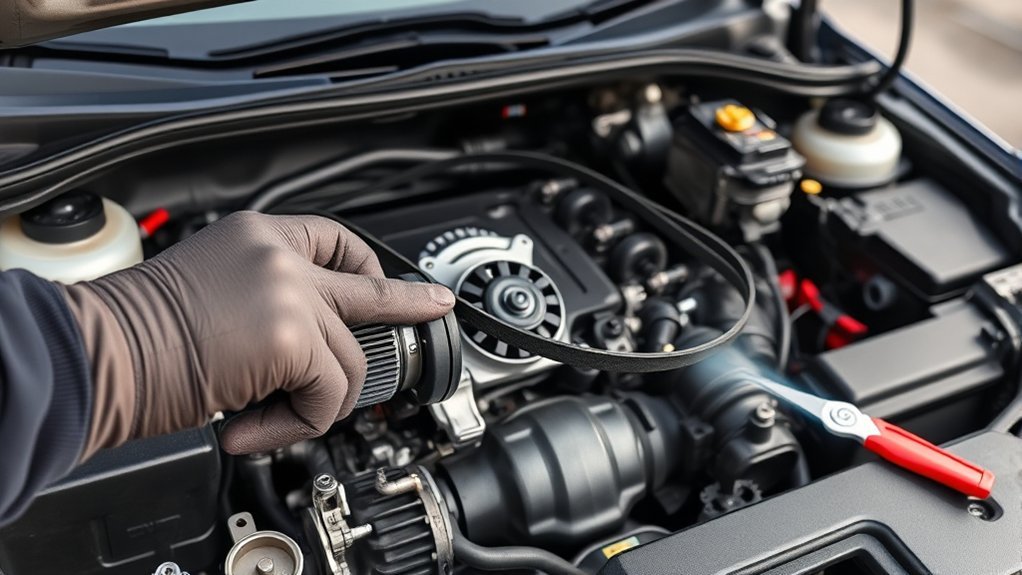
If you opted to DIY or hired a shop, keep proactive maintenance top of mind to maximize belt lifespan and avoid roadside failures. Inspect the serpentine belt every 6 months or every 5,000 miles for cracks, glazing, or fraying; document findings and act on progressive wear. Follow a clear maintenance schedule: plan replacement between 60,000 and 100,000 miles based on your Camry’s recommendations and your driving conditions. Clean pulleys and remove debris during inspections to prevent slippage and uneven wear. At the first sign of squealing or chirping, stop driving and address the belt—noise often signals imminent failure. Use routine oil-change visits to have professionals evaluate belt condition and confirm replacement timing. These belt longevity tips reduce breakdown risk and preserve your mobility. Maintain records of inspections and services so you control timing, reduce unexpected costs, and sustain liberation from avoidable roadside interruptions.
Frequently Asked Questions
What Are the Functions of a Serpentine Belt?
You power accessories like the alternator, power steering, and A/C with the serpentine belt; you’ll maintain freedom by practicing serpentine belt maintenance, watching belt replacement signs like cracking or fraying, and replacing promptly to avoid failures.
What Happens When a Serpentine Belt Goes Bad?
Don’t panic — if your serpentine belt fails, you’ll lose power steering, charging, AC, and possibly the water pump, causing overheating; symptoms failure include cracking and slipping, and replacement costs vary but are usually affordable.
Does the Serpentine Belt Power the AC?
Yes — the serpentine belt powers the A/C compressor, so you’ll lose AC system operation if it fails; prioritize serpentine belt maintenance to preserve climate control, autonomy, and freedom from avoidable breakdowns.
Conclusion
You now know the Camry’s serpentine belt powers essential systems—charging, steering, A/C—and when it needs attention. Inspect it regularly for cracks, glazing, or fraying, and replace it at signs of wear to avoid sudden failure that’ll derail your day like a thunderbolt. Keep tensioner and pulleys healthy, follow Toyota intervals, and weigh DIY versus shop costs. Stay proactive: a little timely care prevents big roadside headaches.