If your Toyota Camry pulls to one side, it’s likely due to misalignment, uneven tire wear, or worn suspension components. Start by checking tire pressure and inspecting for any damage. Uneven tread patterns can indicate underlying brake issues too. If basic checks don’t resolve the problem, you may need a professional alignment or a thorough suspension inspection. There are several important maintenance tips and signs to look out for, so stick around to uncover more insights.
Identifying Why Your Toyota Camry Pulls to One Side
When you notice your Toyota Camry pulling to one side, it’s essential to identify the underlying causes quickly. One common culprit is misalignment, often resulting from everyday wear and tear or hitting pesky potholes. Regularly checking your steering alignment can prevent this issue and keep your drive smooth.
Tire problems, like uneven wear or internal shifts, can also lead to pulling. To combat this, make it a habit to rotate your tires every 8,000 km and check tire pressure regularly. Worn steering components, such as tie-rod ends, might also contribute to persistent pulling, so consider a thorough inspection by a qualified technician if you notice ongoing issues.
Lastly, environmental factors, like road crown or slope, can play a role, so assess your driving conditions. By staying proactive with maintenance, you can liberate your Camry from frustrating pulling issues.
Common Reasons for Pulling Issues in Your Camry
Understanding the common reasons your Toyota Camry pulls to one side can help you address the issue promptly. One major factor is uneven tire pressure; regularly checking it guarantees better tire alignment and steering stability. Worn suspension components, like tie-rod ends and sway bar bushings, can also lead to pulling by compromising your vehicle’s handling.
If you’ve hit a pothole recently, a bent frame or rim might misalign your wheels, causing persistent directional pull. Additionally, the road crown—a slight slope for drainage—can influence how your Camry tracks, making it pull to one side while driving. Finally, memory steer can occur if your vehicle continues to pull in the direction of recent turns, often due to uneven wear or misalignment. By recognizing these issues, you can take the necessary steps to restore your driving experience.
How to Diagnose Your Camry’s Pulling Issue
To diagnose your Camry’s pulling issue, start by checking the tire pressure and ensuring it’s even across all tires. Next, inspect the brake calipers and the steering components for any signs of wear or damage. Finally, consider getting a professional alignment check to rule out misalignment as a cause of the problem.
Possible Causes of Pulling
If you notice your Toyota Camry pulling to one side, diagnosing the issue promptly is crucial to guarantee safe driving. Start by checking your tire pressure; incorrect levels can greatly impact steering. Uneven tread wear might also be a culprit, so verify your tires are rotated and balanced regularly. Misalignment often results from hitting potholes or other road hazards, making it necessary to inspect camber, caster, and toe angles. Environmental factors like road crown can play a role too, so test your car on a level surface to see if the issue persists. Finally, don’t overlook a dragging brake caliper; inspect your brakes for wear or malfunction, as they can contribute to pulling as well.
Step-by-Step Diagnostic Process
When your Toyota Camry starts pulling to one side, diagnosing the problem quickly can save you time and trouble. First, check the tire pressure across all tires; uneven pressure can cause pulling issues. Confirm they’re inflated to the manufacturer’s specifications. Next, visually inspect the front suspension components for signs of wear. Try swapping the front tires side-to-side to see if a specific tire is the culprit. Then, perform a bounce test on each corner to evaluate strut and suspension condition. If the pull persists, it’s time for a professional alignment check. This will involve examining camber, caster, and toe angles, confirming your Camry drives straight and smooth again. Don’t overlook regular tire rotation to maintain even wear!
Essential Tire Maintenance for Better Handling
Proper tire maintenance is essential for guaranteeing your Toyota Camry handles smoothly and stays safe on the road. Start by regularly checking your tire pressure; maintaining consistent levels across all tires prevents handling problems and reduces the likelihood of your vehicle pulling to one side. Aim to rotate your tires every 5,000 to 8,000 miles to promote even wear and avoid uneven tread, which can exacerbate pulling issues.
Don’t overlook tread depth either—worn tires can lead to steering instability and alignment issues. Confirm your tires have sufficient tread for peak grip and performance. If you’re changing tires seasonally, pair that with alignment checks to maintain excellent handling. Investing in high-quality tires, like Michelin, can further enhance your Camry’s performance and minimize pulling tendencies. By staying proactive with these maintenance tips, you’ll enjoy a safer, more liberating driving experience.
Key Signs That Your Suspension Components Are Worn

If your Toyota Camry starts pulling to one side, it might be a sign of worn suspension components. You could notice symptoms like excessive bouncing or a clunking noise when driving over bumps, which can seriously affect your vehicle’s handling. Regular inspections are essential to catch these issues early and maintain your car’s performance.
Common Symptoms of Wear
As you drive, noticing changes in your vehicle’s behavior can be essential for safety and performance. If you see uneven tire wear, it might indicate worn suspension components or misalignment, calling for immediate suspension maintenance. You may also feel vibrations in the steering wheel, suggesting worn tie-rod ends that need attention. A noticeable pull to one side could point to worn control arms or bushings affecting alignment. Unusual noises during turns, like clunking, often mean your struts or shock absorbers are due for inspection. Finally, if you experience excessive body roll or instability while cornering, it’s a sign that sway bar links or bushings are worn. Regular tire rotation can help mitigate these issues, keeping your ride smooth.
Impact on Vehicle Handling
Worn suspension components can greatly impact your vehicle’s handling, making it more challenging to control your Camry. Symptoms like excessive bouncing, a rough ride, or a loose-feeling steering wheel signal trouble ahead. If you hear noise during turns or over bumps, it’s likely your strut mounts are worn, compromising stability. Additionally, neglected sway bar bushings can cause unpredictable steering, especially while cornering. Regular checks on tie-rod ends and control arms are essential; wear in these areas can drastically affect steering response and alignment. If you’re seeking handling improvement, consider suspension upgrades. Investing in quality components not only enhances control but also guarantees a smoother, safer driving experience. Don’t let worn parts hold you back!
Importance of Regular Inspections
Regular inspections of your suspension components are vital for ensuring safe and smooth driving. Worn parts like tie-rod ends and sway bar bushings can lead to steering pull and compromise your vehicle’s handling. Keep an eye out for signs of wear, such as unusual noises, vibrations in the steering wheel, and uneven tire tread. Conducting a bounce test can also help; if your struts bounce excessively or lack control, it’s time for suspension maintenance. Misalignment often stems from worn components, making regular inspections important to avoid costly repairs down the line. Remember, road conditions like potholes can accelerate wear, so stay proactive with your inspection frequency to maintain peak vehicle performance.
The Impact of Uneven Brake Wear on Steering
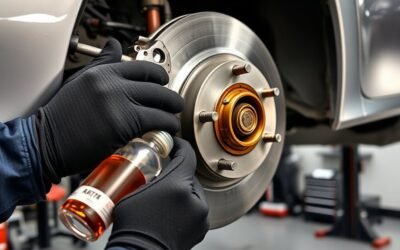
When uneven brake wear occurs, it can markedly impact your steering, making your Toyota Camry pull to one side while driving. This happens because one wheel exerts more force than the other, often due to sticking or dragging brake calipers. These issues lead to inconsistent brake performance and can compromise your vehicle’s directional stability.
To help you understand the symptoms and causes of uneven brake wear, here’s a quick reference table:
| Symptoms | Causes | Solutions |
|---|---|---|
| Uneven tire tread patterns | Sticking brake calipers | Regular brake inspections |
| Unusual noises during braking | Inconsistent brake pads | Replace worn components |
| Steering wheel vibrations | Improper brake alignment | Align and balance wheels |
Addressing these brake issues promptly can greatly improve your handling and prevent further complications, like increased tire wear or suspension damage. Stay proactive for a smoother ride!
Next Steps If Your Camry Still Pulls
If your Toyota Camry still pulls to one side despite multiple alignments, it’s crucial to take further action. Start with a thorough brake inspection; a dragging brake caliper can considerably impact your steering. Next, check that all tires are inflated to the recommended pressure—uneven pressure can lead to pulling issues, too.
Consider swapping the front tires side to side to see if tire bias is causing the problem; this simple tire rotation can help identify internal defects. Don’t overlook the steering and suspension components, either. Inspect tie-rod ends and bushings for any signs of wear or binding that could disrupt alignment.
Document all repairs and adjustments you make. If the pulling persists, it might be time to seek a professional evaluation to verify all potential issues are addressed. Taking these steps can liberate your driving experience and restore your Camry’s smooth handling.
When to Seek Professional Help for Ongoing Issues?
Is your Toyota Camry still pulling to one side despite your best efforts? If you’ve made multiple alignment adjustments and tire rotations without improvement, it’s time to seek professional help. A qualified technician can diagnose deeper steering issues, such as a worn steering rack or dragging brake caliper that might not be obvious during standard checks.
Keep an eye on your tire pressure and tread wear; uneven wear is a clear sign of alignment problems needing expert evaluation. If you’ve changed your driving habits to compensate for the pull, that’s a red flag. These adjustments can indicate underlying mechanical issues that need addressing.
Engaging with experienced technicians familiar with Technical Service Bulletins (TSBs) for your model guarantees that any known issues are effectively tackled. Don’t hesitate; getting professional insight can liberate your driving experience and restore your Camry’s performance.
Frequently Asked Questions
What Is the Most Common Cause of a Vehicle Pulling to One Side?
The most common cause of your vehicle pulling to one side is improper wheel alignment. Check your tire pressure too; uneven pressures can exacerbate the problem, leading to uneven wear and compromised handling.
Which of the Following Will Most Likely Cause the Vehicle to Pull to One Side?
Just like a ship sways off course, your vehicle’s pull might stem from uneven tire pressure or poor wheel alignment. Regularly check both to guarantee smooth sailing on the roads ahead. Don’t let misalignment steer you wrong!
Why Is My Camry Pulling to the Right?
Your Camry’s pulling to the right could stem from uneven tire pressure or alignment issues. Check your tire pressures regularly, and consider getting a professional alignment to guarantee a smooth, controlled drive.
How Do I Fix My Car From Pulling to One Side?
To fix your car pulling to one side, check tire alignment and inspect for brake issues. Verify proper tire pressure, swap tires, and examine suspension components to restore smooth handling and driving freedom.
Conclusion
If your Toyota Camry’s pulling feels like a compass gone haywire, don’t ignore it. Addressing tire issues, suspension wear, and brake balance can steer you back on track. Regular maintenance acts as your roadmap, guiding you towards smoother rides. If the problem persists, seeking professional help is like calling in a seasoned navigator—essential for ensuring you stay on the right path. Keep your Camry in top shape for a drive that’s as effortless as a gentle breeze.