

What’s in This Article
- Why Your Tire Inflator Cord Gets Hot
- Common Causes of Overheating in Tire Inflators
- Dangers of a Hot Inflator Plug
- Smart Safety Tips for Using Your Tire Inflator
- Best Alternatives to Cigarette Lighter-Powered Compressors
- How to Know When to Get Professional Help for Your Inflator
- Frequently Asked Questions
If your tire inflator cord gets hot, stop and check the plug, socket, cord, and run time before you keep using it. A warm cord can happen during normal use, but a hot plug, burning smell, smoke, or soft plastic points to a safety risk. This guide explains why the heat happens, what you should check first, and when you should stop using the inflator.
Quick Answer
Your tire inflator cord usually gets hot because the plug, socket, or cord has too much electrical resistance. A loose plug, dirty contacts, damaged wiring, long run time, or an outlet that cannot handle the inflator’s current can cause the heat. Stop using the inflator if the plug feels too hot to touch, smells burnt, smokes, or blows a fuse.
Key Takeaways
- Check your vehicle manual before you use a 12-volt tire inflator.
- Stop if the plug feels very hot, smells burnt, smokes, or melts.
- Keep the plug tight and the socket clean to reduce resistance.
- Follow the inflator’s duty cycle and cooling time in the manual.
- Use a tire pressure gauge and inflate to the vehicle placard pressure.
Why Your Tire Inflator Cord Gets Hot
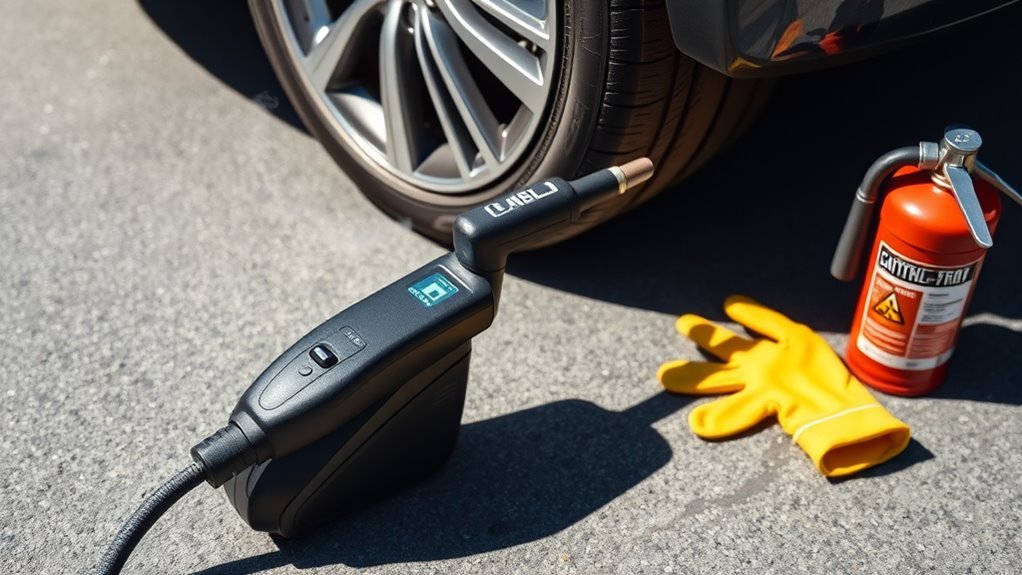
A tire inflator cord gets hot when electricity meets too much resistance. That resistance often starts at the plug, socket, fuse, or a weak spot in the cord. The first warning signs include a plug that feels too hot to hold, a burning smell, flickering power, slow inflation, smoke, or melted plastic.
If the plug does not sit firmly in the 12-volt outlet, the small contact area can heat up fast. Dirt, corrosion, tobacco debris, or a worn socket can make the problem worse. A damaged cord can also create heat because the current no longer flows through clean, solid wiring.
Many vehicle power outlets handle 10 to 15 amps, but the real limit depends on your vehicle. Some Toyota and Honda manuals list 12-volt accessory outlets at 120 watts or 10 amps. Some Ford manuals list a 12-volt power point at 180 watts or 15 amps. Always check your owner’s manual before you use a compressor through the cigarette lighter or accessory socket.
Most compact inflators also have a duty cycle. That means the motor can run only for a set time before it needs to cool. For example, one Slime compact inflator manual says not to run the unit for more than 10 minutes and to let it cool for about 25 minutes between uses.
Common Causes of Overheating in Tire Inflators
Overheating usually comes from one of a few common problems. Start with the easy checks first because they often solve the issue without tools.
- Loose plug: A plug that wiggles in the outlet can create heat at the contact point.
- Dirty socket: Dust, corrosion, or debris can block clean electrical contact.
- Damaged cord: Cracks, cuts, or frayed spots can raise resistance and create heat.
- High current draw: The inflator may need more amps than the outlet can safely provide.
- Long run time: A small compressor can overheat if you run it past its duty cycle.
- Poor airflow: A covered or cramped inflator cannot shed heat well.
- Hot weather: High outdoor heat makes the motor and cord warm up faster.
The U.S. Consumer Product Safety Commission (CPSC) warns that cords can overheat when users overload them, damage them, or use poor connections. The same basic safety idea applies to a 12-volt inflator cord. If any part of the cord or plug gets very hot, treat it as a warning sign.
You should also check the tire itself. A very low tire forces the inflator to work longer, which adds heat. According to the National Highway Traffic Safety Administration (NHTSA), you should use the tire pressure listed on the vehicle placard or in the owner’s manual, not the maximum pressure printed on the tire sidewall.
Dangers of a Hot Inflator Plug
A hot inflator plug can point to a weak electrical connection, too much current draw, or a damaged outlet. If you ignore it, the heat can burn the plug, melt the socket, blow a fuse, or damage your vehicle wiring. In a worse case, heat near plastic trim or debris can create a fire risk.
Warning: Stop using the inflator right away if you see smoke, smell burning plastic, feel extreme heat, or notice melted parts.
Heat Generation Causes
Heat builds when electricity cannot flow through a clean, tight path. A loose plug, weak spring contact, dirty socket, or damaged wire can turn normal current into heat. The longer you run the compressor, the more heat the plug and motor can build.
A weak connection can also make the inflator run slowly. The motor may receive lower voltage, so it works harder and takes longer to fill the tire. That longer run time can add even more heat.
Risks of Overheating Plug
An overheating plug can damage both the inflator and the vehicle outlet. If the inflator uses more power than the outlet can handle, the fuse may blow. Do not replace a blown fuse with a higher-amp fuse because that can remove protection from the circuit.
Check the inflator plug for a built-in fuse. Many 12-volt inflator plugs use a small replaceable fuse inside the tip. Replace it only with the same fuse type and amp rating listed in the inflator manual.
Smart Safety Tips for Using Your Tire Inflator
Use your tire inflator in short sessions, and give it time to cool between uses. Follow the exact duty cycle in your manual. If you do not have the manual, stop after 5 to 10 minutes and let the unit cool before you run it again.
Pro tip: Keep a simple tire pressure gauge in your vehicle so you can confirm the inflator’s reading.
[Products Worth Considering]

6X FASTER INFLATION: GSPSCN Heavy Duty Double cylinder design, maximum pressure 150PSI, air flow 70L/min, inflates standard vehicle tire in 1 minutes (200/70/R18, 0-35psi).

RAPID INFLATION & ROAD-READY PORTABILITY: Powerful 120W motor delivers up to 35L/min airflow—inflates a standard car tire (195/65 R15) from 30 to 36 PSI in under 1 minute under ideal operating conditions. Weighs only 2.2 lbs and fits glove compartments or trunks for daily commutes, road trips, and emergencies. Plugs into standard 12V DC car outlet with 15A fuse protection. AIRUN H features its cordless counterpart H2 Pro.
Proper Usage Intervals
Most small 12-volt inflators use a short duty cycle because the motor and wiring sit in a compact case. Some models allow 10 minutes of continuous use. Others allow longer or shorter use, so your manual should guide you.
Place the inflator on a hard, clean surface while it runs. Do not cover the air intake or outlet. Do not leave the inflator unattended because heat can rise quickly near the end of a long inflation job.
Check Connections Regularly
Check the plug, outlet, and cord before each use. Push the plug firmly into the outlet, and make sure it does not wobble. If the plug feels loose in one outlet, try another approved 12-volt outlet in the vehicle if your manual allows it.
Look inside the outlet before you plug in the inflator. Remove visible debris with a non-conductive tool while the vehicle is off. Do not use your fingers, metal tools, or liquid cleaners inside the socket.
Monitor Temperature During Use
Check the plug and cord during the first few minutes of use. Mild warmth can happen, but strong heat means you should stop. Let the inflator cool, then inspect the outlet, plug, fuse, and cord before you try again.
NHTSA says you should measure tire pressure when tires are cold for the most accurate reading. Cold means the vehicle has not been driven for at least three hours. Inflate to the pressure on the driver’s door placard or in the owner’s manual.
Best Alternatives to Cigarette Lighter-Powered Compressors

A cigarette lighter-powered compressor can work well for small top-offs. But you may need a safer or stronger option if your outlet gets hot, your tire is very low, or your inflator keeps blowing fuses.
| Type | Benefits | Ideal Use |
|---|---|---|
| Cordless Tire Inflator | Portable, no vehicle outlet needed | Quick top-offs and roadside use |
| Power Pack with Compressor | Adds jump-start and emergency power features | Emergency situations |
| Manual Bicycle Pump | No wiring, no plug heat, no battery drain | Small top-offs or backup use |
| Battery-Clamp Compressor | Draws power from the battery with heavier leads | Larger tires or higher amp needs |
A cordless tire inflator avoids a weak vehicle outlet, but you still need to follow its duty cycle. A battery-clamp compressor can help with larger tires because it does not rely on the small accessory socket. Choose only a compressor that matches your tire size, vehicle power source, and manual instructions.
[Products Worth Considering]

PORTABLE 12V AIR COMPRESSOR: Keep dependable inflation power in your vehicle with the VIAIR 88P portable air compressor. Designed for cars, trucks, SUVs, Jeeps, RVs, ATVs, and off-road vehicles, this 12V tire inflator delivers up to 120 PSI and supports tires up to 33 inches. The compact, maintenance-free gearless motor and included carry bag make storage simple.

【THREADED SCREW-IN NOZZLE】 Designed to Solve the Problem of Air Leakage, Will be Screwed Into The Tire Inflator, Locking Type Press The Locking Clip on The Tire Inflator, Tire Inflator Nozzle Pushed or Screwed Into The Valve Stem Until Clamped Can Be

High-pressure inflation mode with automatic shutoff
How to Know When to Get Professional Help for Your Inflator
Stop using the tire inflator and get help if the cord becomes very hot after a short run. You should also stop if the plug melts, the outlet smells burnt, or the fuse blows more than once. Repeated fuse failures often point to a deeper electrical problem.
Ask a qualified mechanic or auto electrician to check the vehicle outlet if other 12-volt devices also run hot. The socket may have weak contacts, damaged wiring, or the wrong fuse. Do not keep testing the same hot outlet because each test can add more damage.
Replace the inflator if the cord has cracks, cuts, exposed wires, or melted insulation. Do not tape over a damaged power cord and keep using it. A low-cost repair attempt can create a much larger safety problem.
[Products Worth Considering]

[Compatible Products] Compatible with ROCGORLD R8 tire inflator

Cigarette Lighter Extension Charger Cable with DC Connector 5.5 x 2.1mm. Great when you want to use your TV on the road with your RV or truck or when on a boat.Voltage: 12V; Current: 9A max, Maximum power: 108W | Stable operating power: 84W.fuse ; Cable: 20AWG; Cord Length: 9.8ft(118”).Car Charger for Spectra S1 / Spectra S2.

PERFECT FIT REPLACEMENT: Engineered as a direct replacement for the N506585 power cord. This 12V DC power supply is fully compatible with the DeWalt DCC020IB 20V MAX Tire Inflator, guaranteeing a secure, flawless connection when your original factory cable is lost, frayed, or damaged Includes 2 spare fuses
Frequently Asked Questions
Why does my portable tire inflator get hot?
Your portable tire inflator gets hot because the motor, plug, and cord carry a steady electrical load. Heat rises faster when you run the inflator too long, use a loose outlet, or inflate a very low tire. Stop and let the unit cool if the heat feels more than mild warmth.
Should I be worried if a plug gets hot?
Yes, you should treat a hot plug as a warning sign. A warm plug may happen during short use, but a plug that feels too hot to touch can signal overload, poor contact, or damage. Stop using the inflator if you smell burning, see smoke, or notice melting.
Why does my air pump get hot?
Your air pump gets hot because the motor compresses air and draws current from the power source. Long run time, blocked airflow, low voltage, and weak connections can all raise the temperature. Follow the cooling time in your manual before you start another inflation cycle.
How do you fix air compressor overheating?
Turn the compressor off, unplug it, and let it cool. Then check the plug, socket, cord, fuse, hose connection, and tire pressure target. If the compressor keeps overheating after these checks, stop using it and have the unit or vehicle outlet inspected.
Can a tire inflator blow a car fuse?
Yes, a tire inflator can blow a car fuse if it draws more current than the outlet circuit allows. A shorted plug, weak socket, or wrong outlet can also cause fuse problems. Replace a fuse only with the same amp rating listed for that circuit.
Safety Disclaimer: This article is for informational purposes only and does not replace advice from a qualified mechanic or auto electrician. Stop using any inflator that smokes, melts, smells burnt, or keeps blowing fuses, and have the equipment inspected before you use it again.
Conclusion
A hot tire inflator cord means you should slow down and check the power path before you keep inflating. Start with the plug, outlet, fuse, cord, and run time because these parts cause many heat problems. Follow your inflator manual, use the correct vehicle outlet, and inflate to the pressure on your vehicle placard. If the plug feels very hot, smells burnt, smokes, or melts, stop using it and get professional help.
References
- Tire Safety Ratings and Awareness, TireWise — National Highway Traffic Safety Administration, accessed 2026
- Household Extension Cords Can Cause Fires — U.S. Consumer Product Safety Commission, Publication 5032
- 2024 Sienna Hybrid Owner’s Manual, Power Outlet — Toyota Motor Sales, U.S.A.
- Auxiliary Power Points — Ford Owner Manual Content
- Compact Tire Inflator Instruction Manual — Slime Products, 2024


[…] For more connector-specific checks, see the guide for when a tire inflator cord or plug gets hot. […]