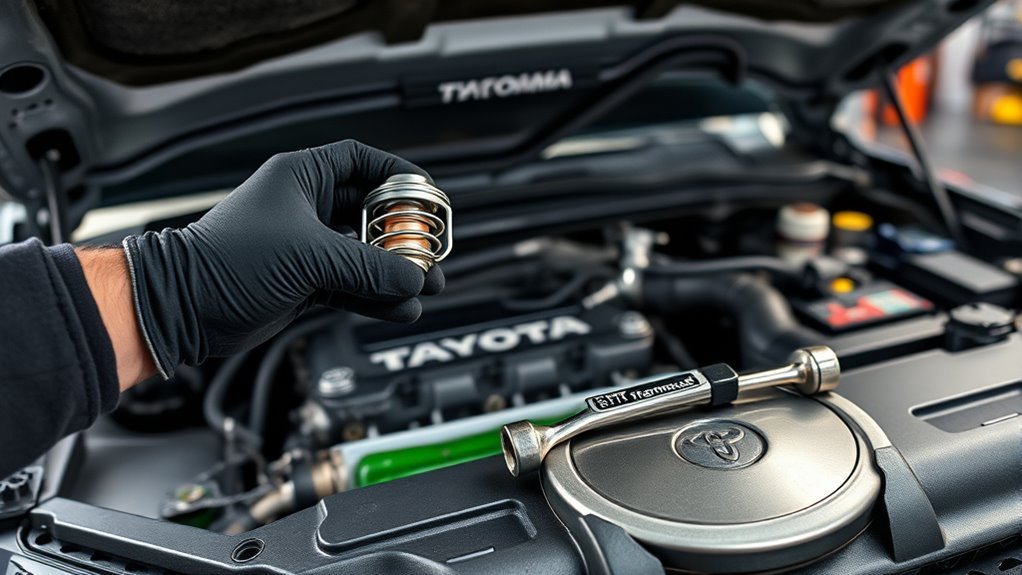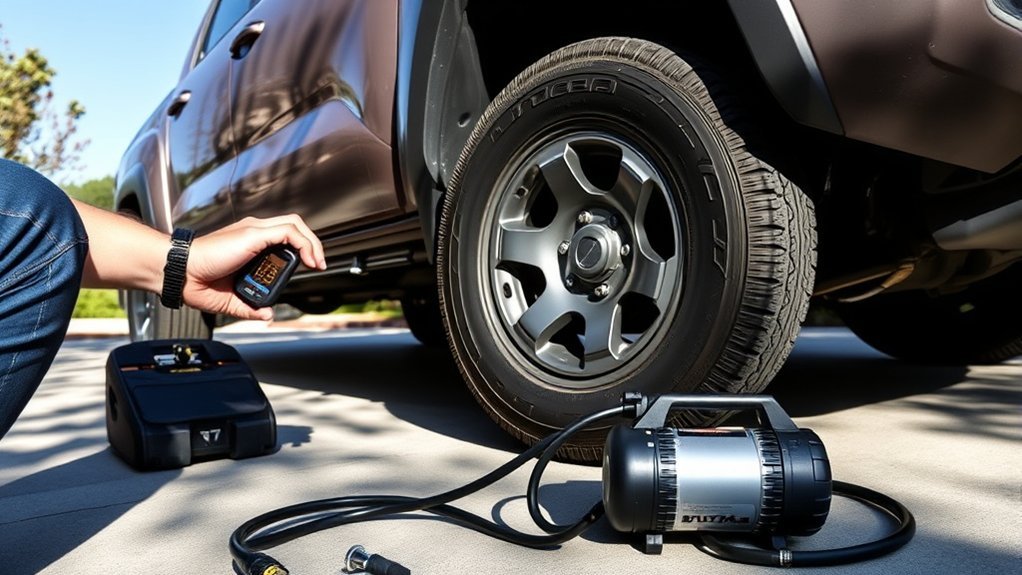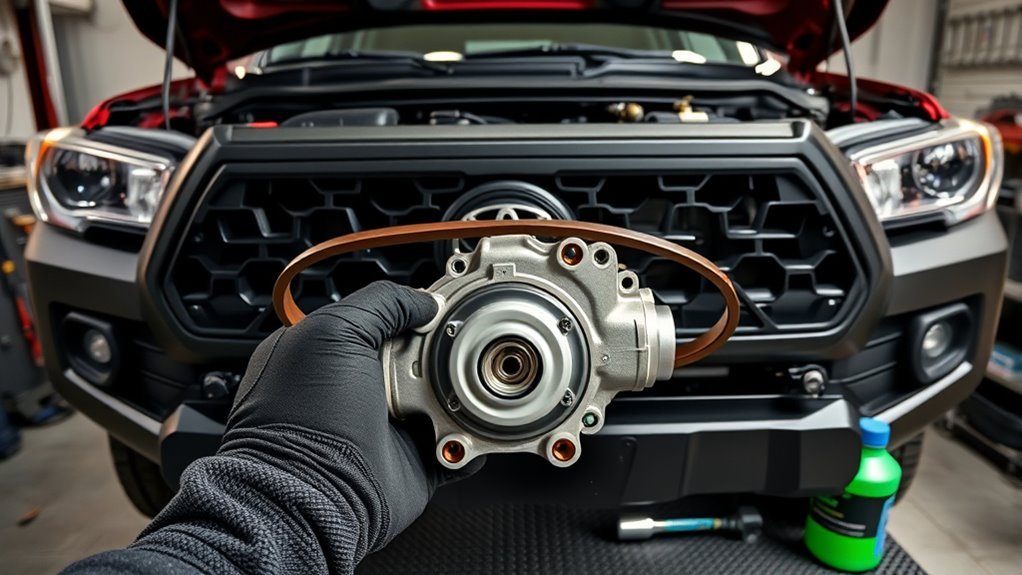
Check the low-side gauge first—under ~30 psi means you’re likely low on R134a. Vents that blow warm or weak cool air, a non‑engaging clutch, odd compressor noise, or visible hose/service port leaks also point to low refrigerant. Tacoma needs about 21–22 oz R134a and correct PAG oil (check RL897 spec). Use a manifold, vacuum pump, and scale for precise charge. Follow leak diagnosis and oil checks carefully, and keep going to get full procedures and specs.
Quick Checks to Tell If Your Tacoma Is Low on R134a
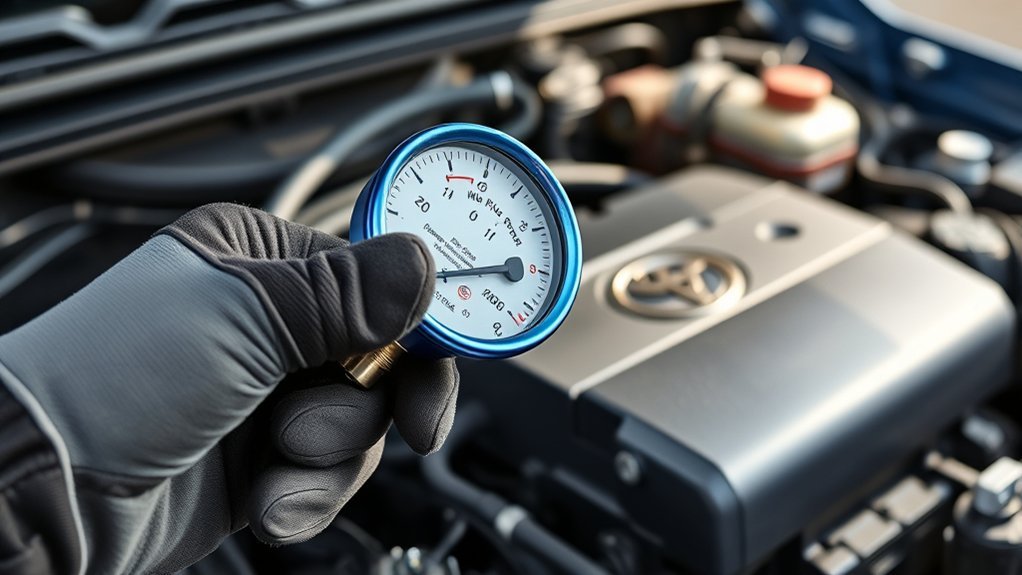
Wondering whether your Tacoma’s AC is low on R134a? Start with gauges: attach low-side and note gauge readings—below 30 psi on the low-pressure side usually indicates low refrigerant. Next, evaluate output: if vents blow warm or only mildly cool air, that’s a functional sign of insufficient R134a. Inspect externally for refrigerant leaks at hose connections, the compressor body, and service ports; visible oil or dye traces point to leaks that drain charge. Turn the system on and listen: abnormal compressor noises often mean it’s starved of refrigerant and not lubricated correctly. Also verify the AC clutch engages when commanded; if it doesn’t, low refrigerant can prevent engagement. These checks are direct, diagnostic, and empower you to decide if you need a leak repair, recharge, or professional service. You’ll act with clarity and reclaim control over cooling performance without needless delay.
How Tacoma Refrigerant and PAG Oil Affect Cooling (Short Primer)
After you’ve checked pressures, leaks, and clutch operation, look at what’s inside the system: the balance between the Tacoma’s 21–22 oz of R134a and the correct PAG oil (commonly RL897) determines how well the A/C cools and how long components last. You’ll rely on proper refrigerant types and oil compatibility to keep the loop efficient. Low R134a reduces heat transfer and raises evaporator temperature; that wastes energy and leaves you hot. Overcharge raises head pressure, stresses the compressor, and can shorten the system’s life. PAG oil like RL897 lubricates the compressor and travels with the refrigerant; too little oil risks seizure, too much reduces heat exchange. Use the manufacturer-specified oil and mix only when systems are open—don’t substitute oils across refrigerant types. Regular, disciplined checks of charge and oil content prevent failure and free you from unnecessary repairs. Keep records and act decisively when readings deviate.
DIY Checks to Do Before You Recharge the AC
Before you add refrigerant, inspect the system top to bottom: check the compressor for visible damage and belt condition, replace a dirty cabin air filter to restore airflow, and listen for unusual compressor noises while testing fuses and relays. You’ll avoid wasted refrigerant and false fixes by confirming the system is mechanically and electrically sound before charging.
Inspect the A/C thoroughly—compressor, belts, cabin filter, and electricals—before adding refrigerant to avoid wasted fixes.
- Verify compressor inspection visually and audibly — look for leaks, broken mounts, belt wear, and abnormal clutch or bearing noises.
- Do filter replacement if the cabin air filter is clogged; restored airflow reduces load and improves cooling efficiency.
- Connect gauges to read low/high pressures; low pressure suggests a leak or undercharge and stops you from topping off blindly.
- Confirm system evacuation capability — a proper vacuum removes moisture and contaminants that destroy performance and long-term freedom from repeat failures.
These checks put control back in your hands and prevent unnecessary recharges or short-lived repairs.
Tacoma R134a & PAG Oil Specs: Exactly What to Measure
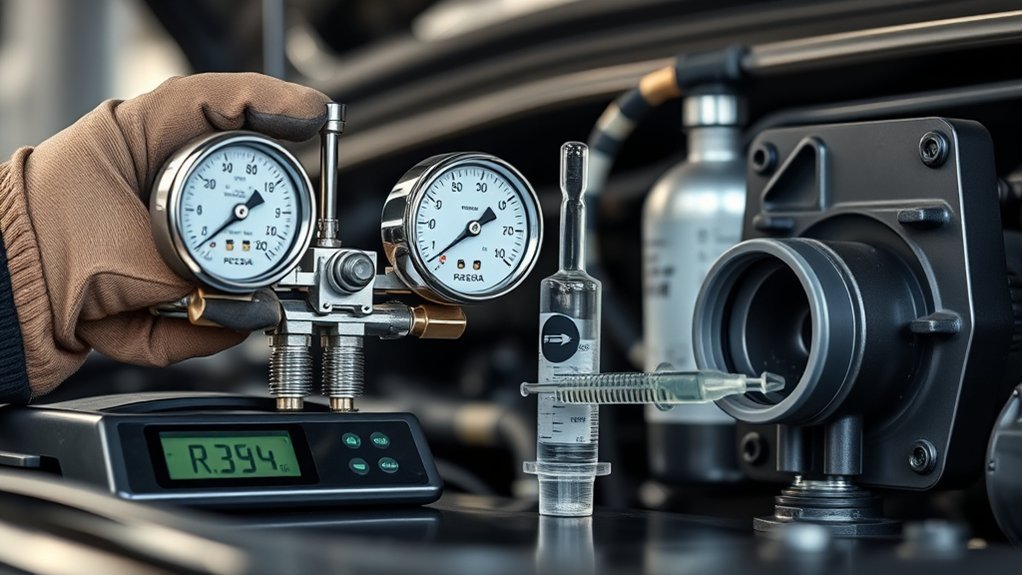
If you want reliable cooling and to avoid compressor damage, you need to measure both the R134a charge and the PAG oil precisely—typically about 21–22 oz of R134a for most Toyota Tacomas and the correct quantity of PAG oil (check RL897 specifications) as listed on the under-hood sticker. Measure refrigerant types and oil compatibility explicitly: R134a is the required refrigerant; PAG oil like RL897 provides compressor lubrication and must match OEM specs. Use a calibrated digital scale for refrigerant charge and a syringe or precision pump for oil volume to hit the manufacturer’s numbers. Overcharge risks efficiency loss and mechanical failure; underfill risks overheating and poor cooling. Record values, compare to the under-hood sticker, and verify oil compatibility before adding lubricant—mixing incompatible oils or wrong viscosities compromises seals and performance. You’re taking control of your Tacoma’s climate system; precise measurement and correct refrigerant types and oil compatibility are non-negotiable for durable, liberating results.
When to DIY and What to Ask a Shop (Red Flags & Questions)
Now that you know exactly what to measure for R134a and PAG oil, decide whether the repair fits your tools and skills or belongs at a shop. You’ll need a gauge/manifold set and a vacuum pump to charge accurately; check the hood sticker for the Tacoma’s ~21–22 oz R134a spec and correct PAG oil. DIY considerations hinge on safe handling, proper recovery equipment, and confidence diagnosing leaks.
When choosing Shop selection, ask clearly about:
- Warranty length (aim for ≥12 months or 12,000 miles) and what’s covered.
- Diagnostic detail: request written findings, parts replaced, and post-repair pressures.
- Environmental practices: how they recover and dispose of refrigerant.
- Pricing transparency: flat labor rates and itemized refrigerant/oil charges.
Avoid shops that dodge technical answers, can’t show leak tests, or won’t document work. You want freedom to maintain your Tacoma — pick competence and clear communication.
Frequently Asked Questions
What Type of Refrigerant Does a Toyota Tacoma Use?
Your Toyota Tacoma uses R134a refrigerant. You’ll check refrigerant types and system compatibility, confirm 21–22 ounces per system, follow manufacturer specs, handle refrigerant safely, and avoid wrong blends that’ll damage components and restrict your freedom.
How Do I Tell What Refrigerant My AC Unit Uses?
Like reading a map to freedom, check AC unit labels and use refrigerant identification methods: inspect the under-hood sticker or unit dataplate, consult the owner’s manual, or use a refrigerant identifier tool to verify the correct type.
Conclusion
You’ve learned the quick checks for low R134a, how refrigerant and PAG oil work together, and what measurements matter. Before recharging, do basic leaks and pressure checks; if readings or oil type aren’t right, stop. Treat your Tacoma’s AC like a precision instrument—small errors compound fast. DIY routine maintenance is fine, but when pressures, temperatures, or oil specs don’t match the chart, take it to a shop and ask for leak detection and proper evacuation/recharge.