

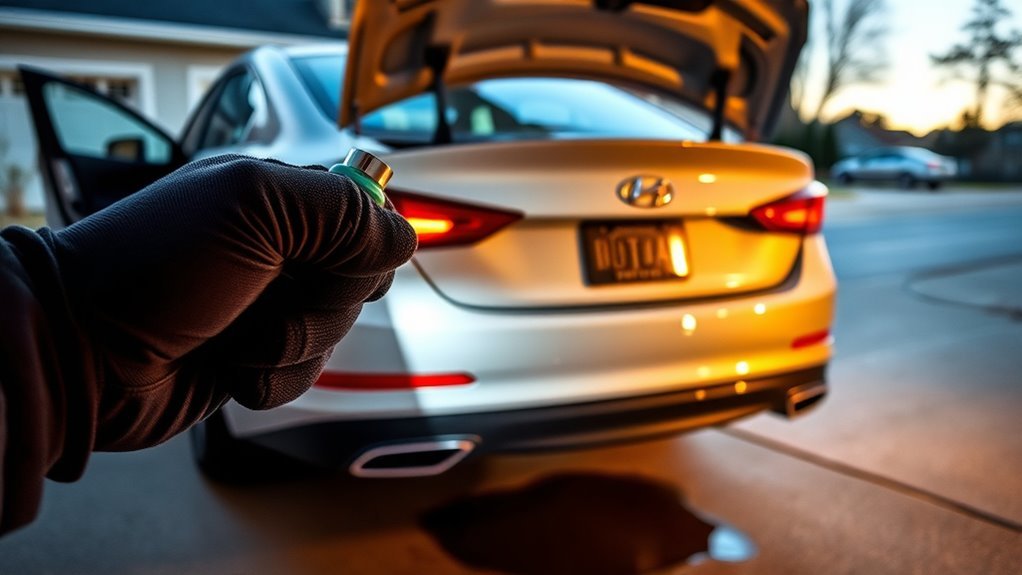
The main Sonata recall warning signs to act on are a fuel smell, a popping noise from the rear, a check-engine or oil-pressure light, engine knocking, loss of power, or a car that stalls or won’t start. These match the symptoms Hyundai listed in two verified recalls: NHTSA 25V-796 (2020–2023 Sonata 1.6L turbo fuel tank) and 17V-226 (2013–2014 Sonata engine bearings). If you notice any of them, stop driving as soon as it is safe, then check your VIN for open recalls at nhtsa.gov/recalls or Hyundai’s recall lookup.
Sonata Recall Warning Signs at a Glance
| Warning sign | Linked recall (verified) | What to do |
|---|---|---|
| “Pop” noise from the rear | 25V-796: 2020–2023 Sonata 1.6L turbo, fuel tank deformation | Stop driving; arrange inspection |
| Fuel odor in or around the car | 25V-796 | Don’t restart if the smell is strong; park outside away from buildings; tow to a dealer |
| Check-engine light (MIL) | 25V-796 and 17V-226 | Check your VIN for recalls; have codes read |
| Car won’t start | 25V-796 | Don’t keep cranking if you smell fuel; call roadside assistance |
| Rhythmic engine knocking | 17V-226: 2013–2014 Sonata 2.0L/2.4L GDI, connecting-rod bearing wear | Stop as soon as safe; engine failure can follow |
| Oil-pressure light, hesitation or loss of power | 17V-226 | Pull over and shut the engine off; tow to a dealer |
A symptom does not prove your car is part of a recall, and a recall doesn’t mean every car will show symptoms. The VIN check is what confirms whether your specific Sonata is covered.
Fuel-Tank Recall 25V-796: Signs and Causes
According to Hyundai’s filing with NHTSA, the recall covers 85,043 2020–2023 Sonatas with the 1.6L turbocharged engine, built between October 22, 2019 and October 7, 2023. Hyundai’s own campaign number is 286.
- Cause: a check valve in the purge control system can wear and let compressed air from the turbocharger flow back into the fuel tank.
- Result: the tank can deform over time and leak fuel. Leaked fuel near an ignition source increases fire risk.
- Warning signs Hyundai lists: a “pop” noise from the rear, an illuminated check-engine light, a no-start, or a fuel odor.
- Reported cases: Hyundai said it knew of seven related fuel-tank leak reports in the U.S. and Canada, with no crashes, injuries or deaths attributed to the condition.

The free remedy is to inspect and replace the purge-control check valve, inspect and repair the fuel tank and surrounding parts, and update the engine computer software to monitor tank pressure. Owner letters were scheduled to go out in early 2026 in phases, so check your VIN for the current status.
Engine Recall 17V-226: Knocking and Power Loss
This recall covers 2013–2014 Sonatas built in Alabama with 2.0L or 2.4L GDI engines. Machining debris left in the engine could restrict oil flow to the bearings, causing wear.
- Warning signs: a rhythmic knocking noise from the engine, reduced power or hesitation, and the check-engine or oil-pressure warning light.
- Risk: a worn bearing can fail and stall the engine while driving, raising crash risk.
- Remedy: dealer inspection and, if needed, replacement of the engine short block at no cost.
An earlier 2015 recall (NHTSA 15V-568) covered many 2011–2012 Sonatas for a similar engine-bearing issue. Use the VIN lookup to see whether either applies to your car.
Other Signs Worth a Recall Check
Not every recall involves the engine or fuel system. Run a VIN check if you notice any of these:
- A warning light that stays on, such as ABS, airbag (SRS), ESC or brake lights. See our guide to Sonata traction and stability control lights.
- Electrical faults: flickering lights, dead gauges, burning-plastic smells.
- Doors, trunk or hood latches that don’t secure properly.
- A dealer letter or text from Hyundai mentioning a safety campaign.
What to Do Right Now If You Notice a Warning Sign
- Get safe. Pull over, shut off the engine and get everyone out if you smell fuel or see smoke. Park away from buildings and ignition sources.
- Don’t keep driving with engine knocking, an oil-pressure light, or a strong fuel smell. Call roadside assistance or a tow.
- Check your VIN (17 characters, on the lower windshield, driver’s door jamb or registration) at nhtsa.gov/recalls or Hyundai’s owner site.
- Call a Hyundai dealer, describe the symptoms and mention the recall number if one shows up.
- Keep records of dates, symptoms, tow and repair receipts.
For the full step-by-step booking and repair process, see our Hyundai Sonata recall and repair process guide.
Reimbursement for Earlier Repairs
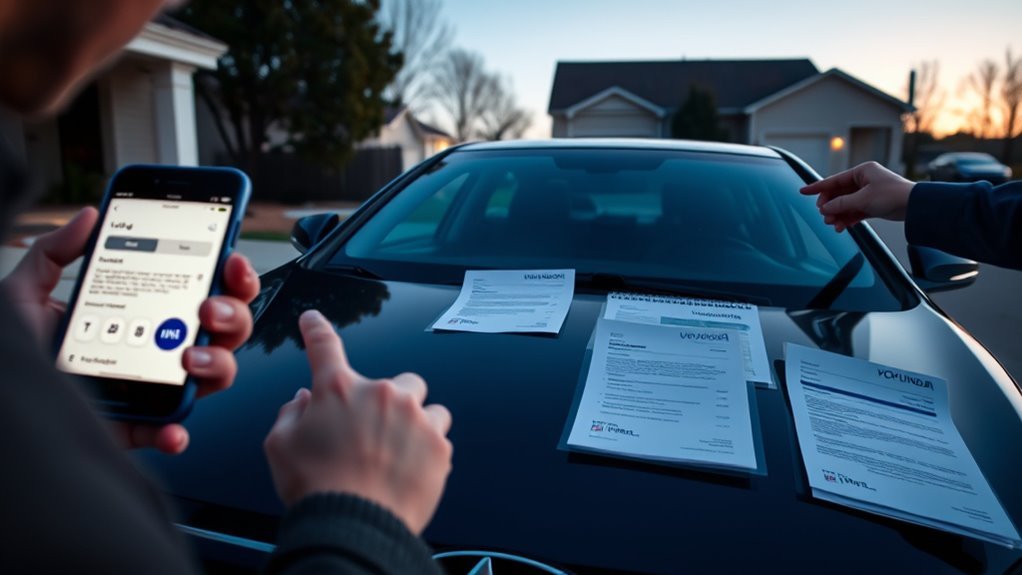
If you paid for a repair before a recall was announced, you may be reimbursed. Hyundai’s filings for both 25V-796 and 17V-226 reference a reimbursement plan. Keep invoices showing the date, VIN, mileage and work done, and ask the dealer or Hyundai Consumer Affairs how to submit a claim.
After the Recall Repair: When to Go Back
- The same symptom returns (pop noise, fuel smell, knocking, warning lights).
- A new warning light appears soon after the repair.
- The dealer says no parts are available; ask about timing and interim guidance.
If a safety problem continues and you can’t get it resolved, you can file a vehicle safety complaint with NHTSA at nhtsa.gov. You can also track your recall history and service visits through the MyHyundai owner portal.
Sonata Recall Warning Signs FAQ
What are the warning signs of the Sonata fuel tank recall?
For recall 25V-796 on 2020–2023 Sonatas with the 1.6L turbo, Hyundai lists a pop noise from the rear, an illuminated check-engine light, the car not starting, or a fuel odor.
Which Sonatas are in the fuel tank recall?
2020–2023 Hyundai Sonatas with the 1.6L turbocharged engine built between October 22, 2019 and October 7, 2023, about 85,043 vehicles according to the NHTSA filing. Check your VIN to confirm.
What does engine knocking mean on a 2013 or 2014 Sonata?
A rhythmic knock can indicate connecting-rod bearing wear, the issue covered by recall 17V-226 for 2013–2014 Sonatas with 2.0L or 2.4L GDI engines. Stop driving and have it inspected.
Should I drive my Sonata if I smell gas?
No. Pull over, turn off the engine, move away from the car and arrange a tow. A fuel smell can mean a leak, which is a fire risk.
How do I check if my Sonata has an open recall?
Enter your 17-character VIN at nhtsa.gov/recalls or on Hyundai's owner website. Recall repairs are free at Hyundai dealers.
Bottom Line
Fuel smells, rear popping noises, engine knocking and persistent warning lights are reasons to stop and check your VIN. Recall repairs cost nothing, so a two-minute lookup is always worth it.

[…] Warning lights that relate to a safety defect may also be covered by a recall; our guide to Sonata recall warning signs explains how to […]