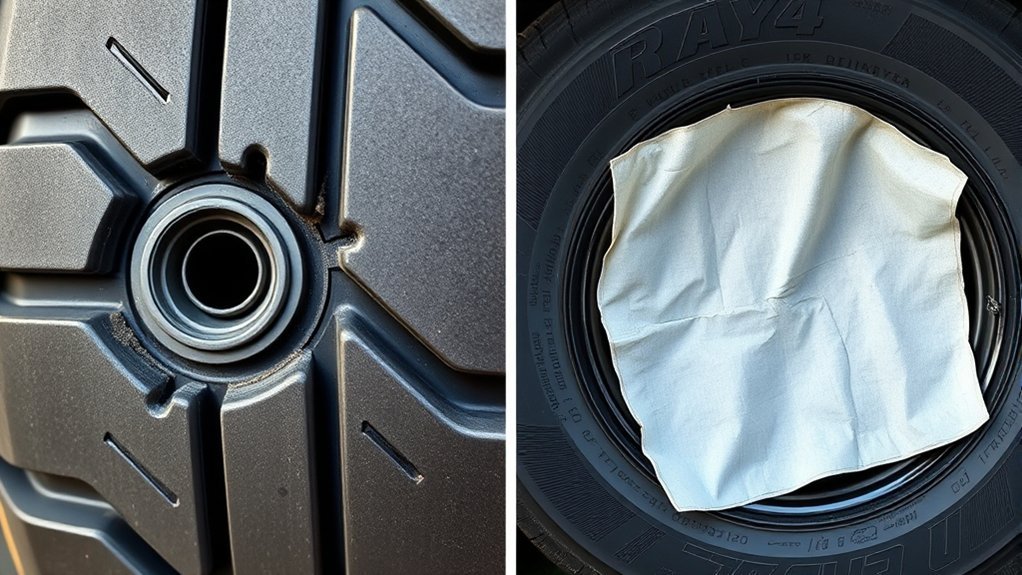
When it comes to RAV4 tire repairs, understanding the plug and patch methods is crucial. Tire plugs offer a quick fix for tread punctures, but they aren’t permanent and can trap air, risking tread separation. In contrast, patches provide a durable, interior seal that maintains structural integrity. A combination of both methods enhances repair longevity and safety. To guarantee proper repairs, consult trained technicians who can guide you through the best practices for your tires and vehicle.
What Is a Tire Plug and How Does It Work?
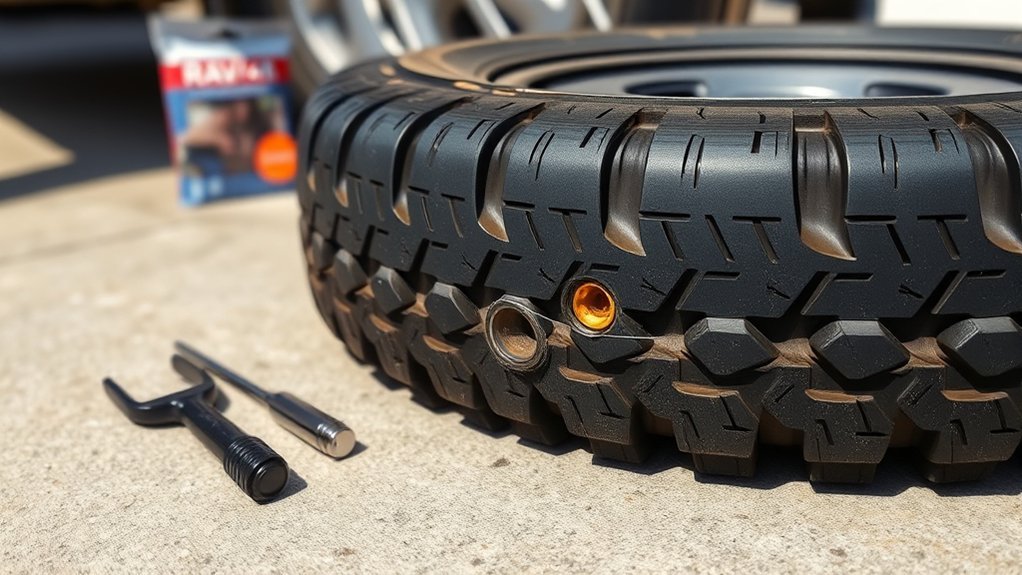
A tire plug is a practical solution designed to seal punctures in your tire’s tread, allowing you to quickly fix air leaks without removing the tire from the rim. One of the primary tire plug benefits is its ease of installation; you can handle it yourself with basic tools. The installation process starts with a reamer, which cleans and enlarges the puncture, making it ready for the plug. After applying adhesive, you insert the plug, then trim any excess for a smooth finish.
However, keep in mind that while tire plugs are convenient, they’re not a permanent fix. They can trap air between tread layers, risking tread separation, and they don’t address internal damage. Additionally, organizations like the U.S. Tire Manufacturers Association (USTMA) don’t endorse them for long-term use. So, while you can enjoy a quick fix, always consider long-term safety and reliability for your RAV4.
The Advantages of a Tire Plug-Patch Combination
When you choose a tire plug-patch combination, you’re opting for enhanced durability and thorough seal integrity. This method not only seals the puncture from the outside but also reinforces the inside of the tire, reducing the chance of future issues. Plus, it meets industry safety standards, giving you peace of mind on the road.
Enhanced Durability
While many drivers might consider a tire plug as a quick fix for punctures, opting for a tire plug-patch combination offers greatly enhanced durability. This dual-layered seal effectively addresses both the exterior puncture and the internal tire structure, ensuring superior repair effectiveness. By adhering to industry standards recognized by USTMA and TIA, this combination not only enhances safety but also considerably reduces the risk of repair failure. The patch extends beyond the puncture site, providing additional protection against future leaks and potential tread separation. As a result, you’ll enjoy improved tire longevity, making this method a wise investment. Plus, these repairs are often covered under manufacturer warranties, giving you peace of mind regarding quality and safety.
Comprehensive Seal Integrity
Opting for a tire plug-patch combination not only enhances the seal integrity of your tires but also considerably boosts their overall performance. This method effectively closes the puncture from the outside while reinforcing the interior, maximizing seal effectiveness and minimizing the risk of air leaks. Recognized by organizations like USTMA and TIA, it’s deemed the safest and most effective tire repair, aligning with industry standards. By addressing both internal and external aspects, the plug-patch combo considerably reduces the chance of tread separation and future leaks compared to a standalone plug. This combination not only offers greater repair longevity but also helps preserve manufacturer warranties, making it the preferred choice for maintaining your RAV4’s tire performance over time.
Why Choose a Tire Patch Over a Plug?
Although tire plugs may seem like a quick fix, choosing a tire patch offers a far superior solution for your RAV4. Tire patches provide a durable, long-lasting repair by adhering to the interior of the tire, sealing the puncture effectively and enhancing puncture prevention. Unlike plugs, which can trap air and lead to tread separation, patches guarantee a complete seal from the inside, maintaining the tire’s structural integrity.
Moreover, installing a tire patch requires removing the tire from the rim, allowing for a thorough inspection of any internal damage—something plugs simply can’t address. Tire manufacturers and industry standards recognize patch repairs as the safest and most effective method. When you opt for a patch, you’re not just addressing the immediate issue; you’re investing in repair longevity. Using a patch in combination with a plug can further reduce the risk of failure, giving you peace of mind on the road.
How to Identify When Your Tire Can Be Repaired?
Recognizing whether your RAV4’s tire can be repaired is essential for safety and performance. Start with a thorough tire inspection. Check if the puncture is less than ¼” in diameter and at least 1 inch away from the tire edge. If you spot any visible damage on the sidewall, it’s typically unsafe to repair.
Next, verify the puncture doesn’t overlap with previous repairs, as this can render the tire unrepairable. Consider the tire’s age and tread depth; excessively worn tires may not be worth fixing.
Lastly, consult a trained technician who can evaluate your tire’s internal and external condition, adhering to proper repair guidelines. They’ll help you make an informed decision about repairability, guaranteeing your RAV4’s performance remains uncompromised. Being proactive in this assessment not only enhances your driving experience but also ensures your safety on the road.
What to Expect During Your Tire Repair?
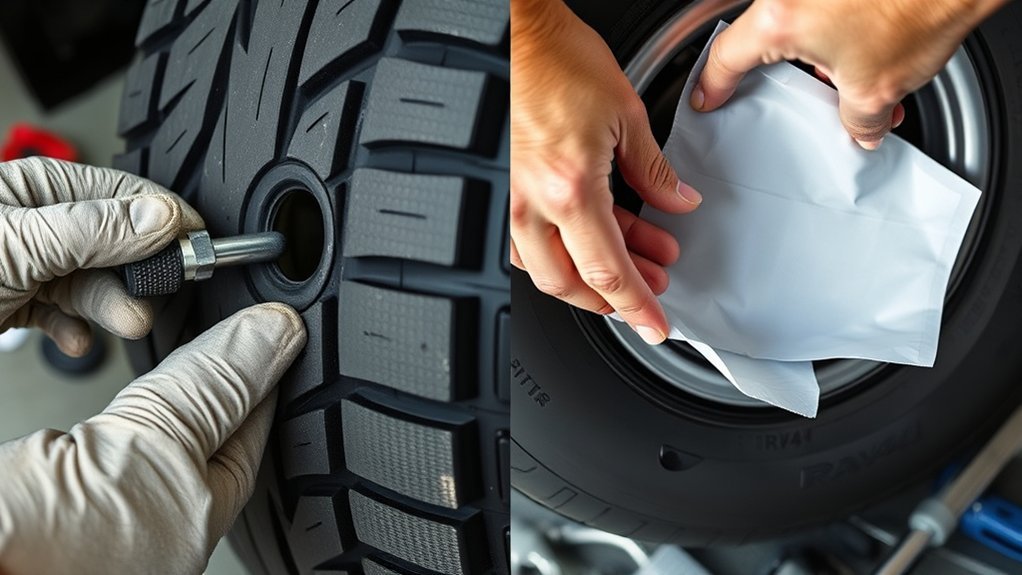
When you take your RAV4 in for tire repair, expect a thorough inspection as the first step. Technicians will assess the size and location of the puncture to determine if it’s repairable. Here’s what you can anticipate during the process:
| Step | Description | Purpose |
|---|---|---|
| Inspection | Check for repairability and damage assessment | Guarantee safe and effective repair |
| Tire Removal | Remove the tire from the rim | Clean and prepare the puncture area |
| Plug and Patch | Combine both methods for a secure seal | Optimize adhesion for longevity |
After the repair, the tire will be reinstalled and inflated to the manufacturer’s specifications. Completing this efficiently guarantees your tire meets industry standards for safety and performance, reinforcing the importance of regular tire maintenance and repair frequency.
Debunking Common Misconceptions About Tire Repairs
When it comes to tire repairs, many misconceptions can lead you astray. You might think a simple tire plug is a permanent solution, but it’s just a temporary fix that could result in air leaks down the line. Understanding the differences between repair methods and the importance of professional inspections can keep your RAV4 safe and road-ready.
Common Repair Myths
Have you ever wondered what really goes into tire repairs? Many folks mistakenly think a tire plug is a permanent fix, but it’s actually a temporary solution that can lead to air leaks or tread separation. You might also believe patches can be applied without removing the tire, but they require dismounting for proper inspection and cleaning. Not all repairs are created equal; a combination of plug and patch is the safest method according to industry standards. Remember, repairs are only recommended for punctures under ¼” and away from the edges. Plus, using a single plug can void your manufacturer warranty, emphasizing the importance of proper tire maintenance and repair frequency. Stay informed to keep your RAV4 rolling safely!
Quick Fix Misconceptions
Many drivers underestimate the complexities of tire repairs, often opting for quick fixes that can lead to bigger problems down the road. One common misconception is that a tire plug is a permanent solution; however, its effectiveness can diminish over time, risking air leakage. You might think plugs don’t need professional installation, but improper repairs can void warranties and create safety issues. Additionally, while some believe a plug suffices, combining it with a patch enhances repair longevity. It’s also critical to note that only punctures under ¼” and away from the tire edge should be fixed. Don’t overlook the importance of a trained technician; DIY fixes can trap air, leading to serious quick fix hazards like tread separation.
Tips for Keeping Your Tires in Great Shape After a Repair
To keep your tires in great shape after a repair, regular maintenance is essential. Follow these tire maintenance tips to guarantee peak performance and longevity:
| Action | Frequency | Benefits |
|---|---|---|
| Check tire pressure | Monthly | Prevents uneven wear |
| Rotate tires | Every 5,000-7,500 miles | Promotes even wear |
| Inspect for damage | Bi-weekly | Identifies potential issues |
| Maintain alignment | As needed | Reduces premature wear |
Where to Find Expert Tire Repair for Your RAV4
Wondering where to find expert tire repair for your RAV4? Local Jiffy Lube locations offer specialized tire repair services tailored for your vehicle. Their certified technicians conduct thorough inspections to determine if your tire is repairable, ensuring safety and ideal performance. Jiffy Lube services include a recommended combination of plug and patch techniques, which create a long-lasting seal on the inside of your tire.
You might also consider shops like Sullivan Tire and Auto Service, where certified technicians focus on reliable repairs specifically for RAV4s. It’s crucial to check local service availability and consult with these experts to find the best repair options for your model. By choosing certified professionals, you’re investing in quality and peace of mind, knowing your RAV4 is in capable hands. Don’t compromise on safety—get your tire repaired right.
Frequently Asked Questions
Is a Plug the Same as a Patch?
No, a plug isn’t the same as a patch. For tire maintenance, plugs seal externally while patches bond internally. Each method has safety concerns; understanding their differences helps guarantee longevity and reliability for your tires.
Does a Tire Plug or Patch Last Longer?
A properly installed tire patch can last the tire’s lifespan, while plugs often fail within a few months. For effective tire maintenance tips and safety guidelines, prioritize patches for long-lasting repairs and peace of mind.
How Long Can You Drive on a Patched or Plugged Tire?
You can drive on a patched tire for thousands of miles, while a plugged tire might last only days to weeks. Prioritize tire maintenance tips to address any driving safety concerns and guarantee long-term reliability.
Conclusion
In conclusion, choosing between a tire plug and a patch can greatly impact your RAV4’s performance and safety. Have you considered the long-term benefits of a patch over a plug? By understanding the repair options and maintaining your tires, you guarantee a smoother, safer ride. Whether you opt for a plug-patch combo or solely a patch, prioritizing quality repairs is essential. Don’t hesitate to seek expert help when needed, keeping your tires in top shape for every journey.