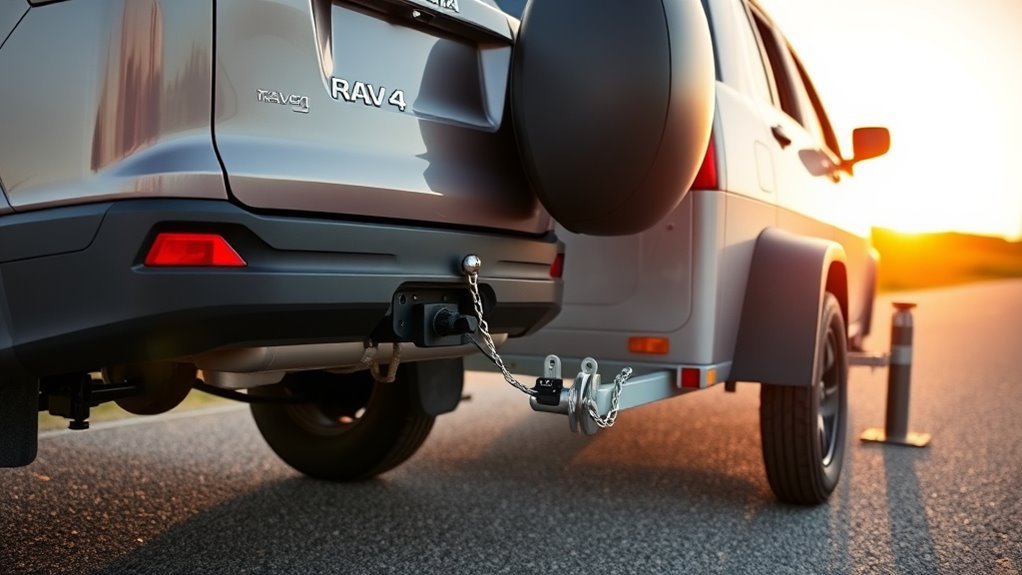
You can tow a Toyota RAV4, but the safe method depends on what you mean by “tow.” Pulling a disabled RAV4 behind a tow truck is different from flat towing it behind an RV, and both are different from using your RAV4 to pull a trailer. The safest rule is simple: check the owner’s manual for your exact model year, drivetrain, and transmission before any wheels touch the road.
Quick Answer
Most modern Toyota RAV4 models should not be flat-towed with all four wheels on the ground. For emergency towing, Toyota generally recommends a flatbed or the correct wheel-lift-and-dolly setup. Older RAV4 models may have different dinghy-towing rules, so always verify your exact owner’s manual first.
Key Takeaways
- Do not assume a manual-transmission RAV4 is safe to flat tow; approval depends on the exact model year and owner’s manual.
- Modern RAV4 Hybrid, Plug-in Hybrid/Prime, and many AWD models can suffer drivetrain damage if towed with wheels on the ground.
- For a disabled RAV4, a flatbed tow truck is usually the safest option, especially for AWD, Hybrid, and Plug-in Hybrid models.
- The factory towing eye is mainly for short-distance recovery or positioning, not long-distance highway towing.
- If the RAV4 itself is towing a trailer, stay within the tow rating listed in the owner’s manual and on the vehicle certification labels.
At a Glance
| Time Required | 10–20 minutes to confirm the correct towing method and prepare the vehicle |
| Difficulty | Moderate; use a professional tow service if the vehicle is disabled |
| Tools Needed | Owner’s manual, towing eye, wheel chocks, gloves, approved tow equipment, and safety chains |
| Cost | Varies by tow distance and truck type; flatbed towing usually costs more than a basic wheel-lift tow |
Can You Tow a Toyota RAV4? Quick Guidance
Yes, you can tow a Toyota RAV4, but only with the method approved for your exact vehicle. The main decision is whether you are towing the RAV4 because it is disabled, flat towing it behind a motorhome, or using the RAV4 to tow a trailer.
For newer RAV4 models, especially Hybrid, Plug-in Hybrid/Prime, and AWD versions, the safest answer is usually do not flat tow with four wheels on the ground. Toyota’s late-model owner guidance warns that towing with wheels on the ground can damage the transmission, AWD system, hybrid components, or related drivetrain parts.
For emergency towing, use a flatbed truck whenever possible. If a wheel-lift truck is used, the tow operator must follow the owner’s manual for your drivetrain. A 2WD RAV4 may have different instructions than an AWD, Hybrid, or Plug-in Hybrid RAV4.
Warning: Do not rely on generic advice such as “manuals can be flat-towed” or “automatics only need a pump.” RAV4 towing rules vary by model year, drivetrain, and equipment. The owner’s manual is the final source.
Know the Three Types of RAV4 Towing
People use “tow a RAV4” in three different ways. Mixing them up is how expensive mistakes happen.
| Towing Situation | What It Means | Safest Starting Point |
|---|---|---|
| Emergency towing | A tow truck moves a disabled RAV4 | Use a flatbed or the exact wheel-lift/dolly setup in the manual |
| Dinghy or flat towing | The RAV4 is pulled behind an RV with four wheels on the ground | Only do this if the owner’s manual specifically approves it |
| Trailer towing | The RAV4 pulls a trailer, boat, or small camper | Stay within the listed trailer weight rating and tongue-weight limits |
Prep: Confirm Model Year, Drivetrain, Brakes, and Tools
Before hitching, winching, or pulling anything, confirm four details:
- Model year: A 2001 RAV4 and a 2026 RAV4 Hybrid do not follow the same towing rules.
- Drivetrain: 2WD, AWD, Hybrid AWD, and Plug-in Hybrid/Prime systems require different protection.
- Transmission: Automatic, eCVT, and older manual transmissions have different lubrication needs when the engine is off.
- Manual instructions: Look up “If your vehicle needs to be towed,” “Dinghy towing,” and “Trailer towing” in your owner’s manual.
Then prepare the basics: place the vehicle on level ground if possible, switch on hazard lights, release the parking brake only when the tow operator tells you to, keep the key or smart key available, and gather the towing eye, wheel chocks, gloves, and approved tow straps or tow-bar equipment.
Note: If the RAV4 will not shift into neutral, has leaking transmission fluid, has damaged wheels or axles, or makes unusual drivetrain noises, do not pull it with a strap. Call a Toyota dealer or professional towing service.
[Products Worth Considering]
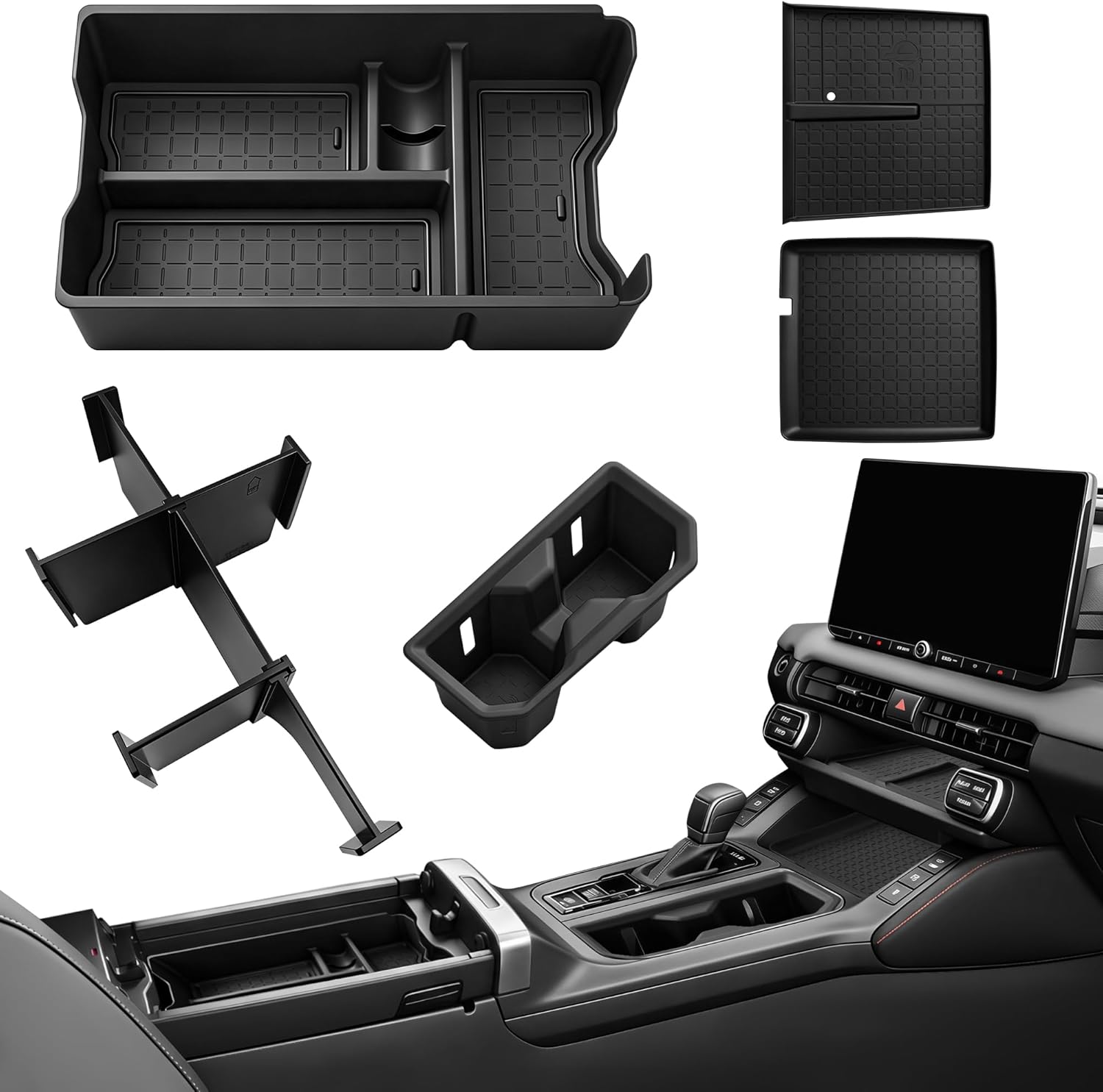
This custom-fit center console organizer is designed for Toyota RAV4 2026 LE, SE, XLE Premium, Woodland, and XSE models, helping you turn cluttered storage into a neat, functional space. The double-layer design with silicone lining reduces rattles and keeps items securely separated, while the hidden compartment and included cup holder liner add privacy and convenience. It installs easily with no tools and delivers an OEM-style look that blends seamlessly with your interior.

This replacement filter set is designed for a range of Toyota hybrid vehicles, including popular models like RAV4 Hybrid, Camry Hybrid, Highlander Hybrid, Sienna, Venza, and more. It combines cabin and engine filtration to help support cleaner airflow, reduce dust and odors, and protect your HVAC and engine systems. Built for easy installation and extended service life, it offers a convenient maintenance upgrade for compatible hybrid and gas-only Corolla models.
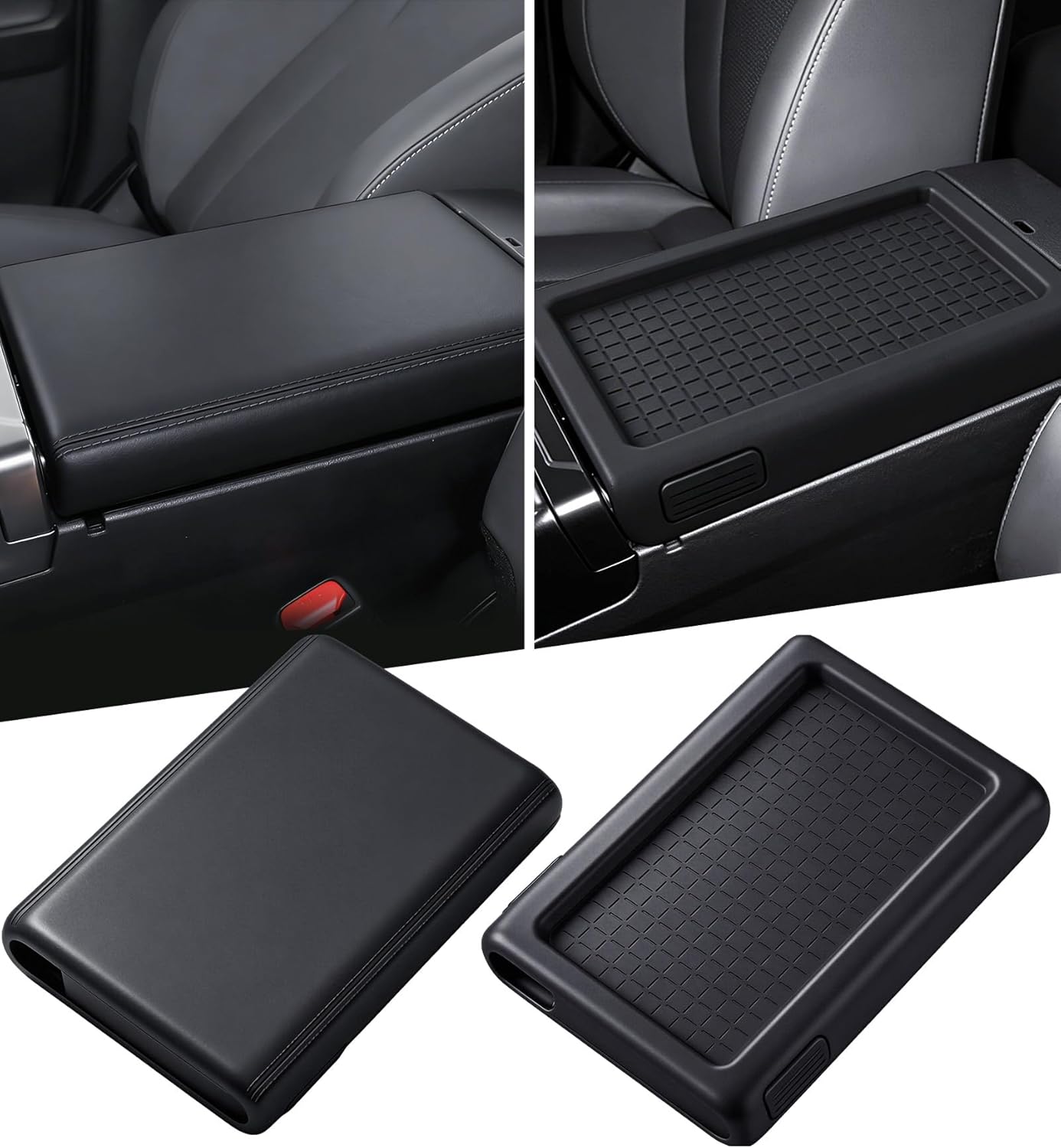
This center console cover is designed for a custom fit on the Toyota RAV4 2026, helping protect the armrest area from dirt, pet claws, and everyday wear. Made from soft silicone, it adds comfort for your arm and a clean, stylish look to the vehicle interior while being easy to install without tools.
Prepare the Towing Eye: Find, Fit, and Tighten
The towing eye is a threaded metal hook supplied with many RAV4 models. It is normally stored with the jack or tool kit under the cargo floor. Its job is to help load, recover, or reposition the vehicle from the factory tow point.
To install it, open the cargo area, lift the floor panel, remove the towing eye, and pop off the small plastic cover on the bumper tow-point location. Thread the eye in by hand until fully seated, then tighten it firmly with the wheel-nut wrench or tool specified in the owner’s manual.
Check for play by applying steady hand pressure. If the eye is crooked, loose, cross-threaded, or only partly seated, remove it and start again. A poorly fitted towing eye can damage the bumper structure or detach under load.
Pro Tip: Treat the towing eye as a recovery and loading point, not a substitute for a proper tow bar, trailer hitch, or flatbed. It is not meant for casual long-distance towing.
[Products Worth Considering]

This aftermarket front bumper tow hook eye cover cap set is designed to fit Toyota RAV4 AX40 models from 2016 to 2018, providing a direct replacement for the original left and right covers. Made from durable ABS plastic, these caps offer a precise fit, weather resistance, and reliable protection while restoring the clean factory look of the bumper.

These cup holder inserts are designed specifically for the Toyota RAV4 2026 to deliver a precision fit and added protection for your center console. Made from durable silicone, they help prevent slipping, reduce rattling noise, and resist spills, stains, and scratches while keeping your interior looking clean. Installation is simple and tool-free, and maintenance is easy with a quick wipe or rinse.

This custom-fit 4-pin trailer wiring harness adds reliable towing light connectivity for compatible Toyota RAV4 and RAV4 Prime models, with plug-and-play installation into the vehicle's rear wiring. It powers trailer tail lights, brake lights, and turn signals, while the included dust cover helps protect the connector when not in use. Built with durable bonded wire and corrosion-resistant terminals, it is designed for dependable performance on everyday towing setups.
Can You Flat Tow a RAV4 Behind a Motorhome?
Flat towing, also called dinghy towing, means pulling the RAV4 with all four wheels on the ground. This is the area where RAV4 owners need to be most careful.
Many late-model RAV4 owner’s manuals state that the vehicle is not designed for dinghy towing. Toyota’s guidance for recent RAV4 Hybrid and RAV4 Prime models also warns against towing with wheels on the ground because drivetrain damage can occur.
Some older RAV4 models may have owner-manual procedures that allow dinghy towing under strict conditions, such as towing from the front, placing the transmission in neutral, following speed and distance limits, and idling the engine at required intervals. Do not apply those older instructions to a newer model.
The safe answer is not “manual vs. automatic.” The safe answer is: follow the dinghy-towing section for your exact RAV4.
Prepare an Older Manual RAV4 for Dinghy Towing Only If Approved
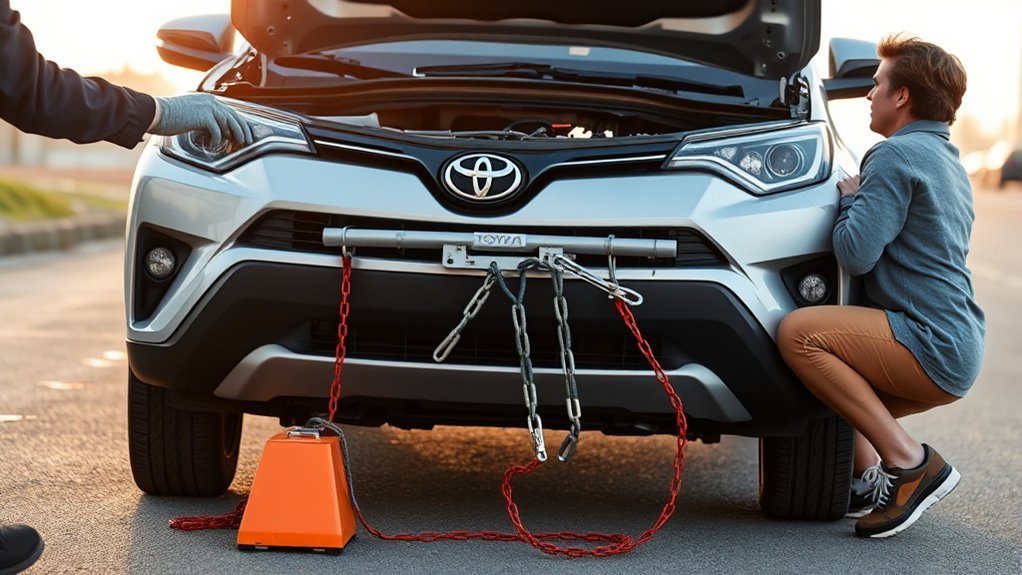
If your exact owner’s manual says your manual-transmission RAV4 can be dinghy towed, follow that manual exactly. Do not use these steps unless your model year is approved for four-wheels-down towing.
- Park both vehicles straight and level. Chock wheels as needed so nothing rolls while you connect the tow equipment.
- Install approved RV towing hardware. Use a properly rated base plate, tow bar, safety cables, lighting kit, and supplemental braking system where required.
- Shift to neutral. Confirm the transmission is in neutral and that any model-specific transfer or differential instruction is followed.
- Release the parking brake. Do this only after the tow bar is connected and the vehicle is controlled.
- Unlock the steering if required. Follow the ignition or smart-key procedure in the manual so the front wheels can track behind the motorhome.
- Follow speed and distance limits. If the manual lists limits or engine-idling intervals, follow them strictly.
After towing, inspect for leaks, warning lights, unusual noises, or harsh shifting before driving normally.
Prepare an Automatic, Hybrid, Plug-In Hybrid, or AWD RAV4
For most modern automatic, Hybrid, Plug-in Hybrid/Prime, and AWD RAV4 models, do not tow with drive wheels rolling unless the owner’s manual specifically allows that method. These systems may depend on engine-driven or electrically controlled lubrication and can be damaged when the vehicle is pulled incorrectly.
Avoid assuming that an aftermarket transmission lubrication pump makes a RAV4 flat-towable. A pump may be marketed for some vehicles, but it does not override Toyota’s owner-manual restrictions. If Toyota does not approve dinghy towing for your RAV4, use a trailer, flatbed, or approved tow dolly setup instead.
Warning: If a tow operator plans to lift only one end of an AWD, Hybrid, or Plug-in Hybrid RAV4 and let the other wheels roll, stop and verify the manual first. A flatbed is the safer choice when there is any doubt.
Hook Up Safely: Alignment, Attach, and Unlock Steering
Safe hookup starts before the vehicle moves. Keep the RAV4 and tow vehicle aligned in a straight line, use rated equipment, and avoid side-loading the tow point. The steering, parking brake, and transmission must be set exactly as the towing method requires.
- Align the vehicles. Straight alignment reduces sway, tire scrub, and stress on the tow hardware.
- Use rated connection points. Attach only to approved tow points, base plates, or trailer equipment. Never hook to suspension arms, bumpers, or tie rods.
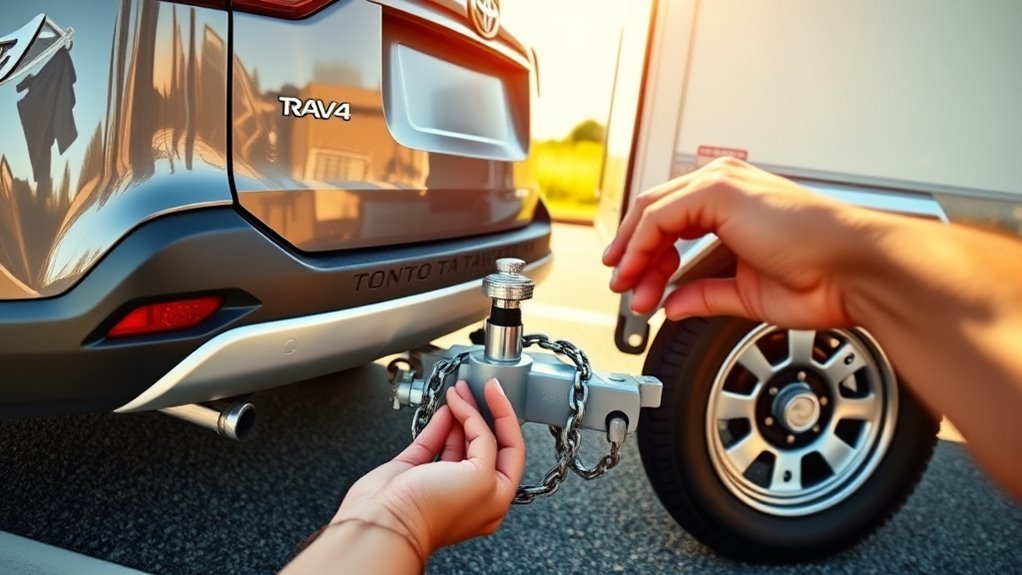
- Secure safety chains or cables. Cross safety chains under the tow bar or trailer tongue when applicable, leaving only enough slack for turns.
- Check the steering procedure. Some vehicles need the steering unlocked; others should be transported without letting wheels roll.
- Confirm brake and lighting operation. Trailer lights, brake lights, turn signals, and supplemental brakes must work before road travel.
[Products Worth Considering]

This custom-fit passenger storage organizer mat is designed for the Toyota RAV4 2026 to help protect and organize the center console storage area. Made from soft silicone with an anti-slip surface, it keeps small items neatly in place while adding a clean, refined look to the interior. Installation is quick and tool-free, making it an easy upgrade for everyday convenience.

This 6-piece organizer set is designed to fit Toyota RAV4 2026+ models and helps maximize center console storage while keeping items neatly separated. It includes a charging mat, storage mat, armrest pad, divider, organizer, and cup holder insert for a cleaner, factory-style interior. Installation is tool-free and the ABS plastic construction offers a durable, integrated look.

This custom-fit center console organizer tray adds practical storage to the Toyota RAV4 2026, helping keep small essentials neatly separated and easy to reach. Designed with precise 3D scanning for a snug fit, it creates extra usable space in the armrest area while reducing clutter and rattling. The durable insert installs easily without tools and includes a non-slip mat to help keep items in place.
Best Methods for Emergency Towing a RAV4
If your RAV4 is broken down, the most damage-resistant choice is usually a flatbed tow truck. It keeps all four wheels off the road and avoids rotating drivetrain parts while the engine is off.
If a wheel-lift tow truck is used, the tow operator must follow the owner’s manual:
- 2WD models: Some manuals allow towing from the front with the rear wheels on the ground if the rear wheels and axles are in good condition. Towing from the rear with the front wheels on the ground can damage the transmission on many models.
- AWD models: Use a flatbed or the required dolly setup so the wheels that must not roll are lifted off the ground.
- Hybrid and Plug-in Hybrid/Prime models: Use a flatbed or Toyota-approved method that prevents drivetrain damage. Do not let wheels roll unless the manual specifically allows it.
Towing on the Road: Safe Speeds, Braking, and What to Watch

Once the RAV4 is connected correctly, drive gently. Towing adds weight, length, and stopping distance. Keep speeds conservative, leave extra following distance, avoid sudden steering, and brake earlier than usual.
| Checkpoint | Action | Frequency |
|---|---|---|
| Speed | Follow the lower of the equipment limit, manual limit, or local law | Continuous |
| Braking | Brake early and gradually | Every stop |
| Connections | Check tow bar, chains, straps, pins, and lights | Before departure and at stops |
| Tires | Check inflation, heat, and visible damage | Before departure and at fuel stops |
| Sway | Slow down smoothly, stop safely, and correct the setup | As needed |
Can a RAV4 Tow a Trailer?
Yes, many Toyota RAV4 models can tow a small trailer when properly equipped, but the tow rating depends on the model year, trim, drivetrain, and towing package. For example, some recent gas RAV4 models list lower ratings without the towing package and higher ratings on properly equipped trims, while Hybrid and Plug-in Hybrid ratings vary by year.
Before towing with a RAV4, check the owner’s manual and vehicle certification labels for:
- Trailer weight rating
- Gross vehicle weight rating
- Gross axle weight ratings
- Gross combined weight rating, if listed
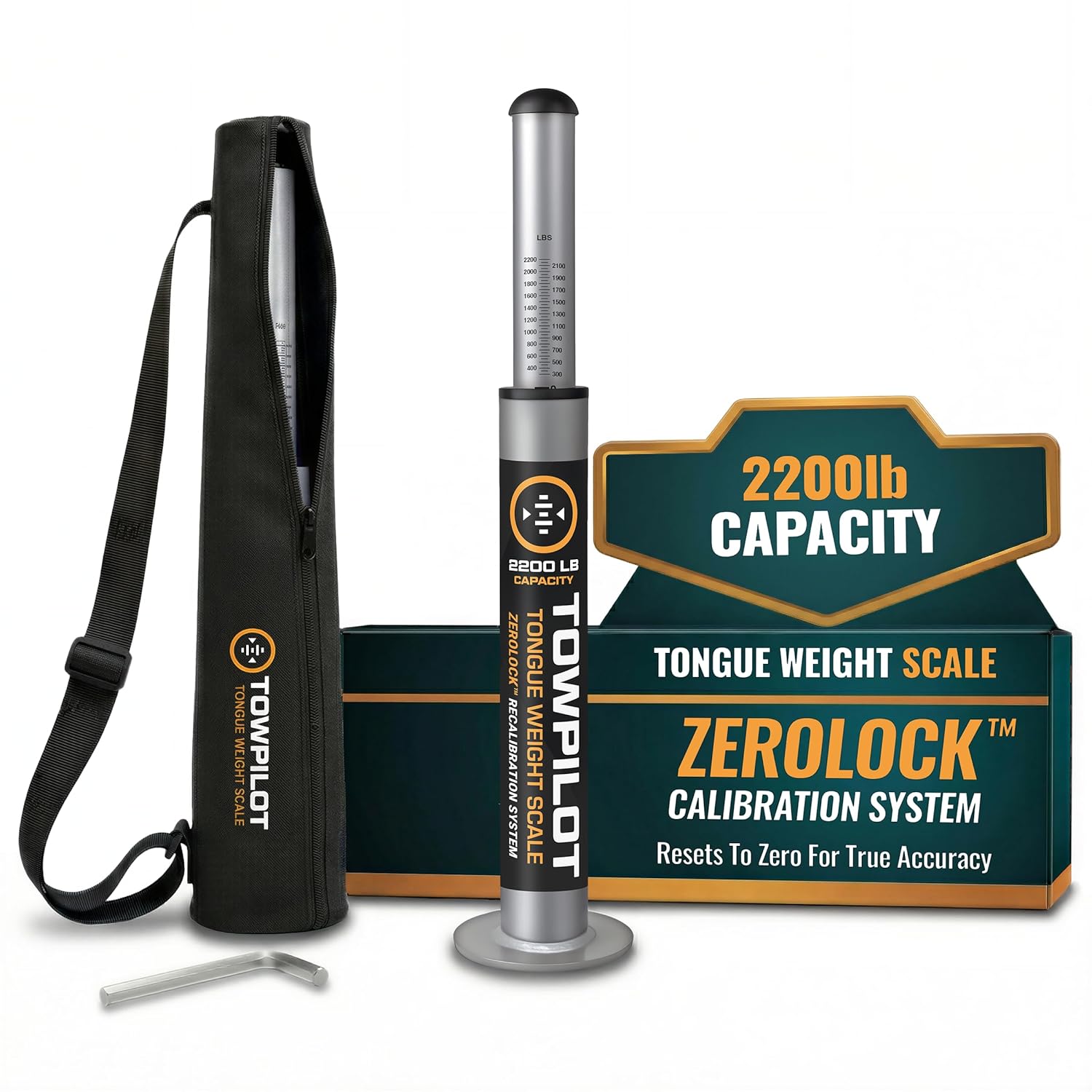
- Maximum tongue weight
- Required trailer brakes, wiring, and hitch equipment
Do not compare only the trailer’s empty weight. Use the loaded weight, including cargo, propane, water, batteries, gear, and accessories.
Check for Towing Damage: Warning Signs, Who to Call, and Insurance
After any tow, inspect the RAV4 before normal driving. Towing damage may show up immediately or after several miles.
Transmission Leak Indicators
Look under the vehicle for red, brown, or dark fluid. Check for a burnt smell, delayed engagement, slipping, warning lights, grinding, whining, vibration, or rough shifting. If you see leaks or notice odd behavior, stop driving and arrange an inspection.
- Take photos of the tow setup, tow invoice, and any visible leaks or damage.
- Write down when the symptoms started and how the vehicle was towed.
- Contact the towing company and ask what method was used.
- Have a Toyota dealer or qualified transmission specialist inspect the vehicle.
Who To Contact
Call the towing company first if the damage may be related to the tow. Ask for the truck type, towing direction, whether dollies were used, and whether the tow operator followed the vehicle’s owner-manual procedure.
Next, contact your mechanic or Toyota dealer for a written inspection. If repairs may be expensive, contact your insurer and provide documentation, photos, receipts, and the mechanic’s findings.
Frequently Asked Questions
Can you flat tow a Toyota RAV4 behind a motorhome?
Most modern Toyota RAV4 models are not designed for flat towing with all four wheels on the ground. Some older models may have specific dinghy-towing procedures, but you must confirm the exact model year, drivetrain, and transmission in the owner’s manual before flat towing.
What is the safest way to tow a disabled RAV4?
A flatbed tow truck is usually the safest option because it keeps all four wheels off the road. This is especially important for AWD, Hybrid, and Plug-in Hybrid/Prime models.
Can an automatic Toyota RAV4 be towed in neutral?
Do not assume neutral makes an automatic RAV4 safe to tow. Many automatic and hybrid drivetrains can be damaged when wheels rotate while the engine or hybrid system is off. Follow the emergency towing instructions in the owner’s manual.
Can an AWD RAV4 be towed with two wheels on the ground?
Usually, you should avoid letting AWD RAV4 wheels roll during towing unless the manual specifically allows the setup. Use a flatbed or a wheel-lift truck with the required dollies so the drivetrain is protected.
What should I know before towing with a RAV4?
Check your RAV4’s trailer weight rating, hitch requirements, tongue-weight limit, tire pressure, cargo weight, and local trailer-brake laws. Use the loaded trailer weight, not just the empty trailer weight.
Can you tow a trailer with a Toyota RAV4?
Yes, many RAV4 models can tow a small trailer when properly equipped. Capacity varies by year, trim, drivetrain, and towing package, so use the owner’s manual and vehicle labels for the exact rating.
Conclusion
Towing your RAV4 safely starts with one step: confirm the exact towing instructions for your model year and drivetrain. Modern RAV4 Hybrid, Plug-in Hybrid/Prime, AWD, and many automatic models should not be flat-towed with wheels on the ground. For breakdowns, choose a flatbed whenever possible. If your RAV4 is towing a trailer, stay within the listed tow rating and check every connection before you drive.
Sources
- Toyota Owners: 2025 RAV4 Manuals & Warranties — owner’s manual reference for towing, trailer ratings, and model-specific procedures
- Toyota Owners: 2026 RAV4 Hybrid Dinghy Towing — Toyota guidance on four-wheels-down towing for recent RAV4 Hybrid models
- Toyota Owners: 2024 RAV4 Prime Dinghy Towing — Toyota guidance on towing RAV4 Prime with wheels on the ground
- Toyota Support: Towing Toyota Vehicles With All Four Wheels on the Ground — general Toyota dinghy-towing notes and owner-manual caution
- NHTSA Tire Safety — tire pressure, loading, and tire safety guidance before trips and towing
- Auburn University: Trailer Towing Safety — safety-chain and trailer-towing setup guidance