Reviewed against current Toyota, DOE/EPA, and NHTSA guidance · Last updated July 23, 2026
A Toyota RAV4 Hybrid normally gets worse fuel economy in cold weather because the gasoline engine must warm itself and the cabin, cold fluids create more friction, tire pressure falls, winter roads add resistance, and the traction battery may provide less electric assist until it warms. FuelEconomy.gov says hybrid fuel economy typically falls about 20% to 40% in cold city driving and 25% to 45% on short winter trips. Start by comparing similar trips, checking cold tire pressure, avoiding long idle warm-ups, and confirming that no warning lights are present. This guide covers the standard RAV4 Hybrid/HEV; RAV4 Prime and RAV4 Plug-in Hybrid models have separate winter EV-range and charging concerns.
Quick Answer
A winter MPG drop is usually normal when it starts with colder temperatures, is worst on short trips, and improves after a longer drive or warmer weather. FuelEconomy.gov says hybrids typically lose about 20% to 40% in cold city driving and 25% to 45% on short trips. Check tire pressure cold, use the driver-side door placard pressure, limit idling, combine errands, and keep the visible hybrid-battery air intake unobstructed. Investigate further if warning lights appear, the vehicle will not enter Ready mode, or poor MPG continues in mild weather.
Key Takeaways
- FuelEconomy.gov says hybrids typically lose about 20% to 40% in cold city driving and 25% to 45% on short winter trips.
- The gasoline engine may run more often to warm the engine, heat the cabin, control emissions, and support the hybrid system.
- Compare like-for-like trips or several fuel fills; one five-minute trip in freezing weather is not a useful MPG baseline.
- Check tire pressure cold and use the driver-side door placard, not the maximum pressure molded into the tire sidewall.
- Use the Toyota manual for your exact model year because the 2026 RAV4 was redesigned and battery-vent procedures, equipment, and EPA ratings can differ.
At a Glance
| Time Required | 10–20 minutes for basic winter checks |
| Difficulty | Easy for tire pressure, lights, wipers, and fluid checks; moderate for battery-vent cleaning |
| Tools Needed | Tire-pressure gauge, air pump, winter washer fluid, flashlight, owner’s manual, and a vacuum only if the exact manual directs its use |
| Cost | Mostly free for basic checks; service costs vary if tires, wipers, battery testing, or coolant service are needed |
| Scope | Standard U.S. RAV4 Hybrid/HEV; verify procedures and ratings by model year, trim, drivetrain, and VIN |
Why Does a RAV4 Hybrid Get Worse MPG in Cold Weather?
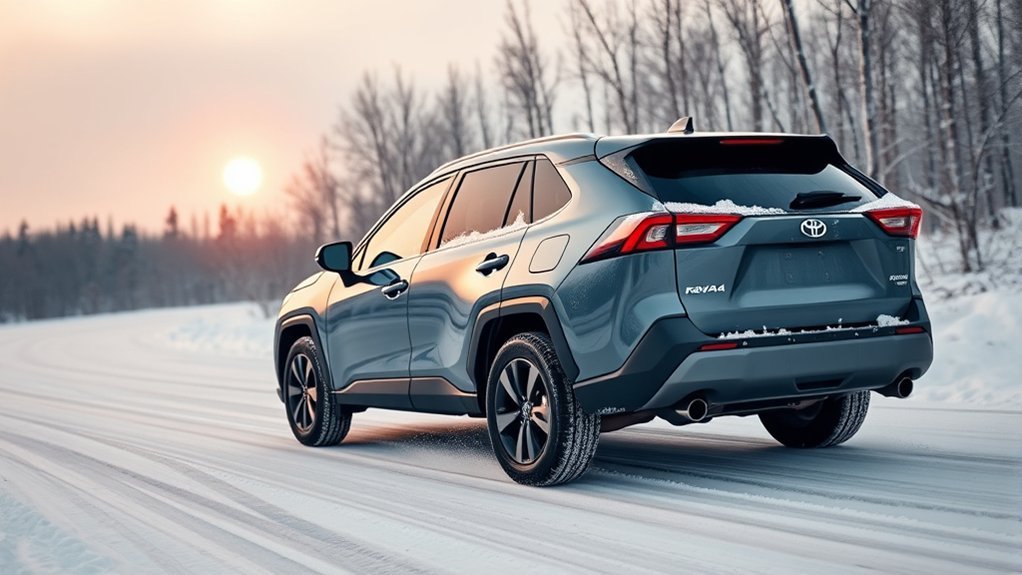
Cold weather creates several efficiency losses at the same time. Engine oil and driveline fluids are thicker, and the gasoline engine takes longer to reach its efficient operating temperature. Cabin heat can keep the engine running, colder air increases aerodynamic drag, and snow or slush raises rolling resistance. Tire pressure also falls as temperatures drop, and winter-blend gasoline carries slightly less energy per gallon, adding a small (roughly 1%–2%) loss on top of the larger factors.
FuelEconomy.gov reports that hybrid fuel economy typically decreases by about 20% to 40% in cold city driving and 25% to 45% on short winter trips. Under the same cold-weather testing, DOE data shows hybrid fuel economy typically drops about 30% to 34% overall across combined driving — noticeably more than the roughly 10%–20% loss typical of conventional gasoline vehicles in city driving. The effect is largest when a drive ends before the engine, cabin, emissions system, and traction battery have warmed. That pattern is usually normal rather than proof of a failed hybrid battery.
For a fixed reference point, the 2025 Toyota RAV4 Hybrid AWD (LE, XLE, XLE Premium, SE, XSE, and Limited) is rated by the EPA at 39 MPG combined, 41 city, and 38 highway; the Woodland Edition trim is rated separately at 37 combined, 38 city, and 35 highway. The 2026 RAV4 is a redesigned, electrified-only generation with fuel-economy ratings that vary by trim and drivetrain. Compare your result with the window sticker or FuelEconomy.gov listing for your exact vehicle and trim, not with a different model year or a front-wheel-drive trim.
A winter MPG drop that follows colder temperatures and short trips is usually normal. A warning light, failure to enter Ready mode, rough running, brake drag, or poor MPG that continues in mild weather needs diagnosis.
Why Does Fuel Efficiency Drop in Winter?
Winter fuel economy drops because the RAV4 Hybrid has to overcome several cold-weather penalties at once:
- Cold starts use more fuel. The gasoline engine runs richer and works harder until it reaches normal operating temperature. Short trips suffer most because the engine may spend much of the drive warming up.
- The engine runs more often. A hybrid may use the gasoline engine more in winter to provide heat, keep emissions equipment warm, and maintain smooth drivability.
- Electric assist and EV-mode availability can be limited. A cold traction battery may accept or deliver less power, so the gasoline engine may carry more of the load until the system warms.
- Cabin heat and defrosters add demand. In a standard hybrid, cabin-heating demand can keep the gasoline engine running for coolant heat. Fans, heated seats, rear defrost, mirror defrost, and windshield defogging also use electrical energy. Visibility and safety always come first.
- Tire pressure drops as temperatures fall. Underinflated tires increase rolling resistance and can hurt handling, tire wear, and fuel economy.
- Winter roads create drag. Snow, slush, roof racks, cargo boxes, and aggressive acceleration all make the vehicle use more energy.
Note: L/100 km and MPG move in opposite directions. A higher L/100 km number means more fuel used. A lower MPG number means more fuel used.
Is the Winter MPG Drop Normal or a Sign of a Problem?
A seasonal fuel-economy loss is usually normal when it begins as temperatures fall, is worst on short trips, and improves on a longer warmed-up drive. Diagnose the vehicle instead of blaming the weather when the change is abrupt under similar conditions, warning lights appear, the engine runs roughly, a wheel or brake smells hot, or MPG remains low after spring temperatures return.
| Usually Normal in Winter | Needs Further Checking |
|---|---|
| MPG falls as temperatures fall and improves during mild weather | MPG stays unusually low in mild weather on the same routes |
| Short errands show much worse MPG than a 20- to 30-minute drive | A sudden large change appears with no weather, route, tire, or driving change |
| The engine runs more when cabin heat or defrost is active | A hybrid-system, check-engine, charging, brake, or temperature warning stays on |
| EV mode is less available during the first part of a cold drive | The vehicle will not enter Ready mode or repeatedly needs a jump-start |
| Fuel economy improves after tire pressure is corrected and the vehicle warms | There is rough running, brake drag, a hot-wheel smell, fluid leakage, or abnormal noise |
Use the broader RAV4 Hybrid low-MPG diagnostic guide if the loss is not clearly seasonal. If a hybrid warning appears, follow the dashboard instruction and use the RAV4 Hybrid System Malfunction guide for safe next steps.
Why Does the Gasoline Engine Run More in Cold Weather?
It is normal for the gasoline engine in a RAV4 Hybrid to start sooner and run longer in cold weather. The system may need engine heat for cabin comfort, windshield defogging, emissions control, battery charging, and smooth power delivery. During warm-up, engine speed and sound may differ from a mild-weather drive even though the hybrid eCVT is not making conventional gear shifts. Persistent warning lights, repeated no-starts, or a vehicle that will not enter Ready mode are not normal.
This can feel surprising if your RAV4 Hybrid normally glides quietly in EV mode during mild weather. In winter, the same route may trigger more engine starts, more engine noise, and less electric-only driving. That is usually normal, especially during the first few minutes of a drive.
Warning: Do not warm up the vehicle for long periods in a garage or enclosed space. If you are stopped in snow, make sure the exhaust pipe is clear. Carbon monoxide can build up quickly and can be deadly.
Should You Warm Up a RAV4 Hybrid Before Driving?
For best winter efficiency, avoid long idle warm-ups. Start the vehicle, clear snow and ice, make sure all windows are defogged, then drive gently. FuelEconomy.gov notes that idling gets 0 MPG and says most manufacturers recommend driving off gently after about 30 seconds. Use more time when needed for safe visibility, but do not idle only to raise the temperature gauge.
Does Cold Weather Damage the RAV4 Hybrid Battery?
Normal winter driving usually causes temporary performance changes, not proof of permanent traction-battery damage. The RAV4 Hybrid manages battery power and charging automatically. When the battery is cold, the system may reduce electric assist, limit EV-mode availability, change regenerative charging, or rely more on the gasoline engine until temperatures rise.
Extreme cold is different. Toyota’s 2023 RAV4 Hybrid owner information says the hybrid system may not start when the traction battery is extremely cold, below approximately -22°F (-30°C). That threshold is model-year-specific guidance, so check the manual tied to your VIN if you operate in extreme cold.
Note: This guide focuses on the standard RAV4 Hybrid/HEV, not the RAV4 Prime or RAV4 Plug-in Hybrid. Plug-in models add winter EV-range, preconditioning, and charging considerations — see our RAV4 Prime winter range guide [VERIFY: confirm target URL for RAV4 Prime/Plug-in Hybrid winter-range article].
How Does the RAV4 Hybrid Manage Battery Temperature?
You do not need to manually warm the traction battery. The vehicle’s control system manages power flow, charging, engine use, and battery protection. Your job is to keep the visible battery-cooling intake unobstructed and follow the cleaning method in the owner’s manual for your exact model year.
Toyota’s owner information says the hybrid battery air intake vent should be visually inspected for clogs and cleaned when dusty or when a traction-battery cooling maintenance message appears. Vent location, filter access, and cleaning steps can differ by generation. Turn the vehicle off, use no water, and do not touch orange high-voltage cables, connectors, or the battery service plug.
What Performance Changes Are Normal?
These winter behaviors are usually normal:
- The gasoline engine starts soon after the vehicle enters Ready mode.
- EV mode and electric assist are less available than in mild weather.
- The engine runs while stopped to support heat, charging, or system warm-up.
- Fuel economy is worse on short trips than on longer warmed-up drives.
- Regenerative-braking contribution or pedal feel changes when the battery is cold or the road is slick.
These signs deserve attention:
- A hybrid-system, check-engine, brake, charging, or temperature warning stays on.
- The vehicle will not enter Ready mode.
- A traction-battery cooling maintenance message appears.
- The 12-volt battery is weak or repeatedly needs a jump-start.
- Fuel economy remains unusually poor after tire pressure, route, weather, and maintenance are checked.
Long-Term Battery Health Considerations
For long-term hybrid health, keep the cooling intake clear, follow Toyota’s maintenance schedule, and do not ignore warning messages. Toyota states that hybrid batteries in its U.S. vehicles beginning with the 2020 model year are covered for 10 years or 150,000 miles, whichever comes first, subject to the applicable warranty terms.
Why Is Tire Pressure Important for Winter MPG?
Tire pressure is one of the easiest winter efficiency fixes. As outside temperature drops, tire inflation pressure drops too. NHTSA recommends checking tires at least monthly when they are cold and using the pressure listed in the owner’s manual or on the driver-side door label, not the number printed on the tire sidewall.
Check tire pressure when the tires are cold, meaning the vehicle has been parked for at least three hours. Use a reliable gauge, check all four tires, and do not rely only on the dashboard tire-pressure warning light. A TPMS warning often appears only after pressure is significantly low.
Warning: Never inflate tires to the maximum pressure printed on the tire sidewall unless Toyota’s placard specifically calls for it. The sidewall number is a tire limit, not the recommended pressure for your RAV4 Hybrid.
Proper tire pressure helps fuel economy, handling, braking, tire life, and traction. FuelEconomy.gov says keeping tires properly inflated improves gas mileage by about 0.6% on average under its stated assumptions, and NHTSA says proper inflation can also extend tire life.
How Can You Improve RAV4 Hybrid Fuel Efficiency in Winter?
You cannot eliminate the winter MPG penalty, but you can reduce it. Work in this order: correct cold tire pressure, shorten unnecessary idling, combine short trips, moderate cabin-heat demand after the glass is clear, remove unused roof cargo, and then check for maintenance or warning-light problems. Compare results on similar routes and temperatures; a warmed-up 20- to 30-minute drive is a better baseline than a five-minute errand in freezing weather.
[Products Worth Considering]

The JACO ElitePro Digital Tire Pressure Gauge delivers shop-grade accuracy with a clear digital readout, making it easy to maintain proper tire pressure for safer driving and better performance. Built with rugged brass and steel components, a protective guard, and a flexible air hose, it is designed for reliable use across cars, trucks, motorcycles, bikes, RVs, and trailers. The lock-on display, built-in bleeder valve, and bright backlit screen add convenience in any lighting condition.

The FOXWELL NT301 is a plug-and-play OBD2 code reader designed to help drivers and home mechanics diagnose check engine light issues with ease. It reads fault codes, clears emissions-related warnings, displays live sensor data in graph form, and shows I/M readiness so you can quickly check vehicle status before an emissions test. With broad compatibility across many OBD2 vehicles and a clear color screen, it offers a practical, user-friendly way to monitor and troubleshoot engine performance.

Rain-X WeatherBeater wiper blades are conventional replacement blades designed to meet or exceed OEM standards for quality, durability, and dependable performance. The pre-installed multi-adapter helps simplify installation on many vehicles, while the natural rubber squeegee and galvanized steel frame deliver a clean wipe, rust resistance, and long-lasting all-weather reliability.
Optimize Tire Pressure
- Check pressure at least once a month and before long trips.
- Check pressure when the tires are cold.
- Use the driver-side door placard or owner’s manual pressure.
- Recheck after major temperature swings.
- Inspect tread depth, sidewalls, cuts, punctures, bulges, and uneven wear.
Use Gentle Acceleration and Braking
A smooth driving style matters more in winter because cold starts, slick pavement, and reduced traction already make the vehicle less efficient. Ease into the throttle, leave more following distance, and brake early when safe. This supports regenerative braking and reduces unnecessary gasoline-engine load.
Reduce Heater Load Without Sacrificing Safety
Use defrost and heat whenever visibility or comfort requires it. Once the windshield is clear, avoid blasting cabin heat higher than needed. If your RAV4 Hybrid has heated seats or a heated steering wheel, those features can help you stay comfortable while using a lower cabin temperature.
Combine Short Trips
Short trips are the hardest on winter fuel economy because the engine and cabin cool down between stops. When possible, combine errands into one longer route so the vehicle spends more time warm and efficient.
| Winter MPG Strategy | Why It Helps | Best Habit |
|---|---|---|
| Check tire pressure cold | Reduces rolling resistance and improves handling | Use the door placard pressure monthly |
| Drive gently after startup | Warms the vehicle while avoiding wasteful idling | Light throttle for the first few miles |
| Combine errands | Reduces repeated cold starts | Plan one loop instead of several short drives |
| Use heat wisely | Cabin heat and defrost increase energy demand | Defrost first, then lower fan/temperature when safe |
| Remove unnecessary roof cargo | Reduces aerodynamic drag | Take off empty racks or boxes when not needed |
| Keep the battery vent clear | Supports hybrid battery cooling and efficiency | Keep it unobstructed; clean it only as your exact owner’s manual directs |
Pro Tip: Track MPG by trip type, not just by tank. A five-minute grocery run in freezing weather can look terrible, while a 30-minute warmed-up drive on the same tank may be much closer to normal.
How Should You Measure RAV4 Hybrid Winter MPG?
Do not diagnose a fuel-economy problem from one short trip or one dashboard reading. The display is useful for trends, but a five-minute cold start with full defrost is not comparable to a warmed-up commute in mild weather.
Use this method for a more reliable comparison:
- Match the conditions. Compare the same route, similar traffic, similar outside temperature, and the same tire setup.
- Track several fill-ups. Divide miles driven by gallons added over at least three tanks when practical. Use the same pump and the first automatic shutoff to reduce variation.
- Record the main variables. Note trip length, heater and defroster use, tire pressure, winter tires, snow or slush, roof cargo, and extended idling.
- Look for seasonal recovery. MPG should generally improve as temperatures rise and trip conditions return to normal. If it does not, check maintenance items or schedule an inspection.
Copy-Paste 3-Tank Comparison Log
Fill in one row per tank so you’re comparing like-for-like conditions instead of a single cold-start reading:
| Tank # | Route/Trip Length | Outside Temp (°F) | Heater/Defrost Use | Calculated MPG |
|---|---|---|---|---|
| 1 | ||||
| 2 | ||||
| 3 |
Calculate MPG as miles driven ÷ gallons added, using the pump’s first automatic shutoff each time. Three tanks under similar conditions tell you far more than one dashboard reading.
Note: The dashboard estimate and a hand-calculated result may not match exactly because fuel-pump shutoff, remote start, idling, tire size, and display rounding can affect the comparison. Use a repeatable method and focus on the trend.
Essential Maintenance Tips for RAV4 Hybrid Owners in Winter
Winter efficiency starts before the temperature drops. Use this checklist before severe weather:
- Tires: Check cold pressure, tread depth, visible damage, and age. Consider winter tires if you regularly drive on snow or ice.
- 12-volt battery: Have it tested if starting is slow, the vehicle has been parked often, or the battery is older.
- Hybrid battery air intake vent: Inspect for dust, lint, pet hair, or blockage. Clean according to Toyota’s instructions if needed.
- Washer fluid: Use winter-rated washer fluid with freeze protection.
- Wipers and defrosters: Replace worn blades and make sure defrosters work before a storm.
- Coolant: Make sure coolant level and freeze protection meet Toyota’s specifications.
- Lights: Check headlights, brake lights, turn signals, hazard lights, and interior lights.
- Floor mats: Use properly fitted mats and secure them so they cannot interfere with the accelerator or brake pedal.
- Emergency kit: Carry gloves, blanket, scraper, flashlight, phone charger, water, snacks, and traction aid if conditions require it.
Warning: Never remove a hot coolant-reservoir cap. Do not touch orange high-voltage cables, connectors, or service plugs, and do not attempt hybrid refrigerant or high-voltage repairs. Have those systems serviced by a qualified technician.
[Products Worth Considering]

The XINDELL Interior Windshield Cleaner Tool makes it easy to clean car glass inside and out with an extendable handle and 180° pivoting head for better reach and streak-free results. Designed for auto detailing and home windows, it includes reusable microfiber pads and a wash sponge for dry or wet cleaning, helping remove dust, fog, grime, and smudges with less effort.

This extendable 3-in-1 snow brush and ice scraper helps clear snow, ice, and water from your vehicle with less effort. The telescoping handle reaches wide areas like roofs and windshields, while the pivoting brush head and durable squeegee make winter cleanup faster and more convenient. A comfortable foam grip and detachable design make it easy to use, store, and keep in your car.

Premium Roadside Emergency Kit: This winter safety kit includes 86 essential items, featuring 12 ft 8 Gauge jumper cables, and a 73-item first aid kit, preparing you for any roadside crisis
How Should You Prepare Your RAV4 Hybrid for Cold Weather?
Before winter hits, prepare your RAV4 Hybrid in this order:
- Use the manual for your exact model year. Procedures, vent locations, chain guidance, and available features can differ between 2019–2025 models and the redesigned 2026 RAV4. Confirm the vehicle by VIN when ordering parts or following service instructions.
- Set tire pressure correctly. Check tires cold and inflate to the door placard pressure.
- Inspect the hybrid battery vent. Make sure luggage, blankets, pet hair, or debris do not block airflow.
- Check visibility items. Refill winter washer fluid, test defrosters, and replace worn wiper blades.
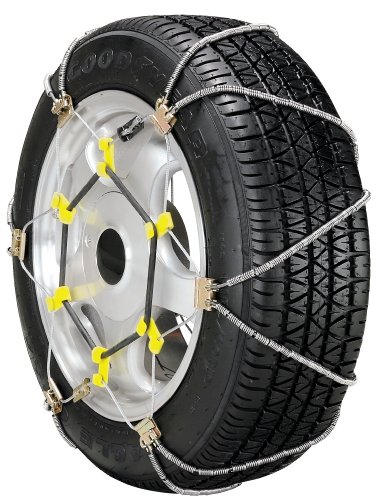
- Plan for traction. Use winter tires where needed. If chains are legal and required in your area, follow Toyota’s instructions for the correct tire positions and chain type.
- Drive gently after startup. Clear the glass, buckle up, then use light throttle until the vehicle warms up.
Note: If the vehicle will not enter Ready mode in cold weather, do not assume the hybrid battery is the cause. A weak 12-volt battery is a common cold-weather problem and should be tested by a qualified technician.
[Products Worth Considering]

Country of origin : China
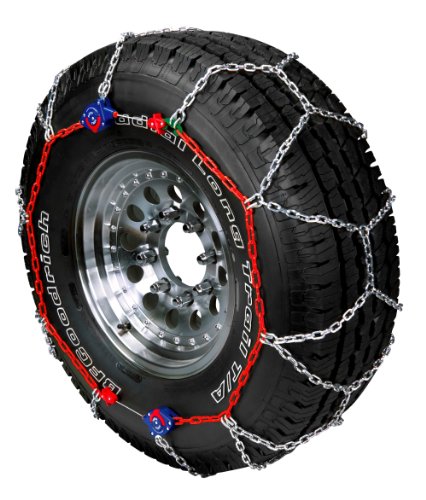
Worry-Free Self-Tightening Ratchets Provide Automatic Tightening And Centering
Country Of Origin : China
Frequently Asked Questions
Why is my Toyota hybrid not starting in cold weather?
If the vehicle will not enter Ready mode, check the 12-volt battery first because cold weather can expose a weak battery. Some Toyota owner’s manuals also warn that the hybrid system may not start below about -22°F (-30°C). If warning lights remain on, jump-starting is repeatedly needed, or the vehicle still will not enter Ready mode, have it inspected.
What is the Cold Weather Package on a Toyota RAV4?
Cold-weather features vary by model year, trim, package, and market. Depending on the RAV4 Hybrid, equipment may include heated front seats, a heated steering wheel, rain-sensing wipers, or windshield wiper de-icers. Check the original window sticker, VIN-specific build information, or the owner’s manual for your vehicle.
How should I drive a hybrid in winter?
Clear snow and ice, make sure the windows are defogged, then drive smoothly. Avoid hard acceleration, leave extra following distance, and brake early when traction allows regenerative braking. Use heat and defrost whenever safety requires them, and do not chase MPG at the expense of visibility or control.
Why does my RAV4 Hybrid engine run more in winter?
The engine may run more often to warm itself, provide cabin heat, keep emissions equipment at the correct temperature, and support the hybrid system while the traction battery is cold. More engine operation during the first part of a winter drive is usually normal.
How much can RAV4 Hybrid fuel economy drop in cold weather?
The exact loss depends on temperature, trip length, tire setup, heater use, terrain, speed, snow, and driving style. FuelEconomy.gov says hybrid fuel economy typically falls about 20% to 40% in cold city driving and about 25% to 45% on short winter trips, with roughly a 30%–34% typical drop across combined driving. Compare your vehicle with its own warm-weather baseline.
Should I warm up my RAV4 Hybrid before driving in winter?
Use only the warm-up time needed for safe visibility and control. Clear and defog the glass, buckle up, and then drive gently. FuelEconomy.gov recommends minimizing idling and driving gently after roughly 30 seconds because idling uses fuel without moving the vehicle.
Is 30 MPG normal for a RAV4 Hybrid in winter?
It can be normal on short trips in freezing weather — FuelEconomy.gov’s data implies a roughly 20%–45% loss depending on trip length, which on a 39-MPG-combined trim can plausibly land in the low-to-mid 20s to low 30s MPG range on short cold trips. But 30 MPG is not a universal pass-or-fail number. Compare the same trim, route, temperature range, tire setup, and trip length with your vehicle’s warm-weather baseline. Investigate if the drop is sudden, remains after warm weather returns, or comes with warning lights.
Do winter tires reduce RAV4 Hybrid MPG?
Winter tires can reduce MPG because their tread and rubber compound may create more rolling resistance, and they are often used on snow or slush that adds drag. Keep them at the driver-door placard pressure and choose traction and braking safety over a small fuel-economy difference.
Why is my RAV4 Hybrid MPG still low after winter?
If MPG does not recover in milder weather, recheck cold tire pressure, remove unused roof cargo, verify that the brakes are not dragging, review maintenance history, and scan for warning messages. Use a repeatable three-tank comparison. If the loss remains, follow a broader low-MPG diagnostic or schedule an inspection.
Conclusion
A winter MPG drop in a Toyota RAV4 Hybrid is usually normal when it follows colder temperatures, shorter trips, more heater use, lower tire pressure, winter tires, or snow and slush. Start with the driver-door tire pressure, limit unnecessary idling, combine errands, keep the hybrid battery air intake unobstructed, and compare several tanks under similar conditions.
Do not dismiss warning lights, repeated Ready-mode failures, a traction-battery cooling message, or poor mileage that continues into mild weather. In those cases, use the broader RAV4 Hybrid low-MPG diagnostic guide or have the vehicle inspected instead of replacing parts by guesswork.
Sources
- FuelEconomy.gov — Fuel Economy in Cold Weather — supports cold-weather MPG-loss ranges, causes, and efficiency tips.
- FuelEconomy.gov — 2025 Toyota RAV4 Hybrid AWD — supports the EPA fuel-economy baseline used for the prior-generation example.
- Toyota USA Newsroom — 2026 RAV4 — supports the sixth-generation redesign, hybrid-only standard lineup, and model-year distinction.
- FuelEconomy.gov — Keeping Your Vehicle in Shape — supports tire-pressure fuel-economy guidance.
- NHTSA TireWise — supports cold tire-pressure checks and use of the vehicle placard pressure.
- Toyota Owners — RAV4 Hybrid Winter Driving Tips — supports Toyota-specific winter preparation guidance.
- Toyota Owners — Cleaning the Hybrid Battery Air Intake Vent — supports vent inspection and model-specific cleaning guidance.
- Toyota Owners — Hybrid System Precautions — supports the extreme-cold starting exception and vent-water warning for the cited model year.
- Toyota Owners — 2025 RAV4 Manuals and Warranty Information — supports the hybrid-battery warranty reference.
- Energy.gov — Fuel Economy in Cold Weather — supports the combined-driving 30%–34% hybrid loss figure and conventional-vehicle comparison.