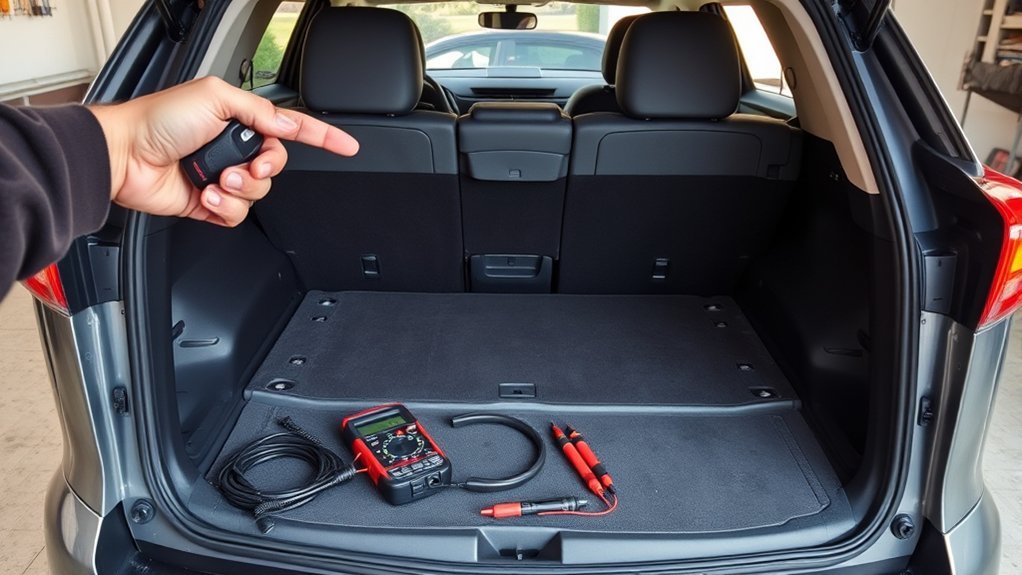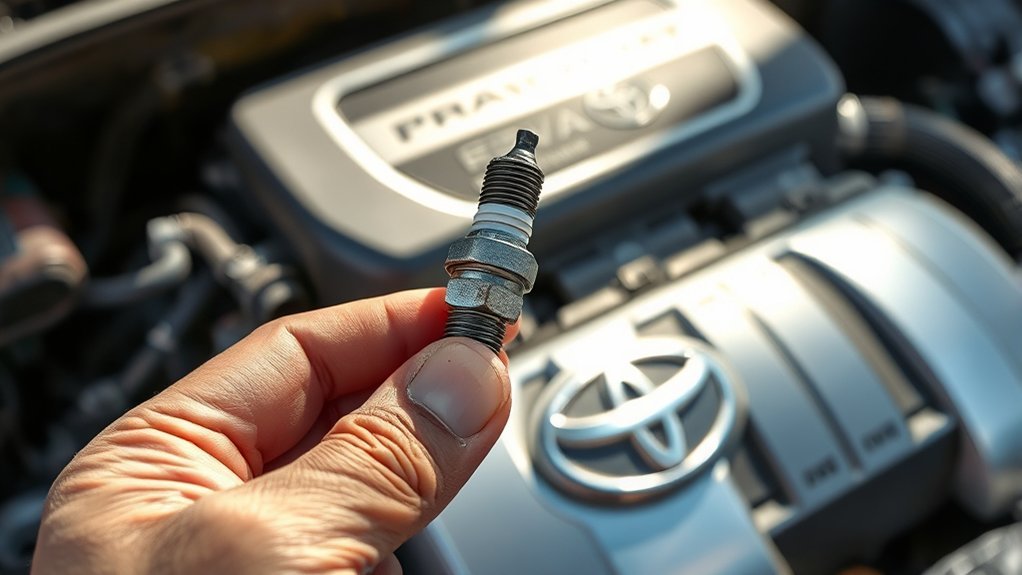
For most late-model Toyota RAV4 models, spark plugs are a long-life maintenance item, not something you replace at every tune-up. The key is knowing the official interval for your model year, watching for early warning signs, and using the correct plug type when replacement time comes.
Quick Answer
Many late-model Toyota RAV4 maintenance guides call for spark plug replacement at 120,000 miles or 144 months, whichever comes first. Replace them sooner if the engine has misfires, rough idle, hard starts, poor acceleration, or a Check Engine light tied to ignition faults.
Key Takeaways
- Toyota’s 2020 RAV4 Hybrid maintenance guide lists spark plug replacement at 120,000 miles or 144 months.
- Use the same spark plug type originally equipped, typically long-life iridium plugs on modern RAV4 models.
- Hard starting, rough idling, reduced fuel economy, hesitation, misfire codes, or a Check Engine light can mean the plugs need inspection before the scheduled interval.
- Do not guess on torque, plug gap, or anti-seize use. Follow Toyota service information and the plug maker’s installation guidance.
At a Glance
| Recommended Interval | Often 120,000 miles or 144 months on late-model RAV4 maintenance schedules |
| Difficulty | Moderate DIY; professional service is safest if you lack the correct tools |
| Tools Needed | Spark plug socket, extension, torque wrench, OBD-II scanner if diagnosing misfires |
| Typical Cost | RepairPal estimates many RAV4 spark plug replacements around $147–$227, before taxes, fees, and location differences |
Understanding Spark Plugs and Their Role in Your RAV4

Spark plugs are small parts with a big job. Each plug creates the spark that ignites the air-fuel mixture inside the combustion chamber. When the spark is strong and timed correctly, your RAV4 starts smoothly, idles cleanly, accelerates well, and burns fuel efficiently.
Modern RAV4 models commonly use long-life iridium spark plugs. Iridium plugs last much longer than older copper plugs, which is why the replacement interval can reach 120,000 miles on many Toyota maintenance schedules. Still, “long-life” does not mean “lifetime.” Once the electrode wears, the engine may need more voltage to fire the plug, and performance can suffer.
When to Replace Spark Plugs: Signs and Recommended Intervals
The safest answer is to follow the maintenance guide for your exact RAV4 year, engine, market, and driving conditions. For example, Toyota’s 2020 RAV4 Hybrid Warranty & Maintenance Guide lists “Replace spark plugs” at 120,000 miles or 144 months.
Note: Maintenance schedules can vary by model year, engine, country, and operating conditions. If your owner’s manual or Toyota maintenance guide gives a different interval, use that schedule first.
You should also inspect or diagnose the ignition system sooner if you notice these symptoms:
- Hard starting or longer cranking than usual
- Rough idle, shaking, or vibration at stoplights
- Hesitation when accelerating
- Lower fuel economy with no other clear cause
- Engine misfire codes such as P0300, P0301, P0302, P0303, or P0304
- A Check Engine light or warning message that stays on
A Check Engine light does not automatically mean the spark plugs are bad. Toyota’s owner information notes that warning lights can indicate a system malfunction that needs inspection, so the best next step is to scan the diagnostic trouble codes before replacing parts.
RAV4 Spark Plug Replacement Interval by Situation
| Situation | What to Do |
|---|---|
| Late-model RAV4 with original long-life iridium plugs | Follow the Toyota maintenance guide; many schedules call for replacement at 120,000 miles or 144 months. |
| Unknown service history | Inspect records first. If the vehicle is near or past the scheduled interval, plan replacement with the correct plug type. |
| Misfire, rough idle, or hard start | Scan codes and inspect plugs, coils, and related ignition components before replacing parts blindly. |
| Heavy use, short trips, dusty roads, or long idle time | Follow Toyota’s special operating condition notes for your model and inspect sooner if symptoms appear. |
[Products Worth Considering]

This ignition coil and spark plug kit is designed to help restore smooth starting, consistent ignition performance, and efficient combustion for compatible Toyota and Lexus V6 3.5L vehicles. It includes high-quality ignition coils with durable construction plus double iridium spark plugs for improved stability, longer service life, and better engine response. Built to meet or exceed OE performance, this set supports reliable operation and easy replacement for a complete tune-up.

NGK Iridium IX spark plugs are designed to deliver a stable spark, reliable ignition, and long-lasting performance for compatible Toyota Camry 2.5L engines. The fine-wire iridium center electrode helps improve durability and efficient combustion, making these plugs a smart replacement choice for maintaining smooth engine operation. Sold in a convenient four-pack, they are built for consistent performance and dependable fitment.

Designed for Toyota Camry models from 2001 to 2026, this full set seat cover offers complete 360-degree protection for a cleaner, more refined interior. The premium faux leather build with thick padding and memory foam enhances comfort while helping guard against spills, stains, dirt, and daily wear. It is a practical upgrade for drivers who want added style, durability, and easier maintenance.
What Happens If You Wait Too Long?
Driving far beyond the recommended spark plug interval can create more than a small performance issue. Worn plugs can increase misfire risk, reduce fuel economy, stress ignition coils, and make the engine feel less responsive.
Long-overdue plugs may also be harder to remove, especially in aluminum cylinder heads. If a plug seizes, breaks, or damages threads during removal, a simple maintenance job can turn into a much more expensive repair.
Warning: Do not keep driving if the Check Engine light is flashing. A flashing light can indicate an active misfire that may damage the catalytic converter. Reduce load and have the vehicle diagnosed as soon as possible.
Cost of Replacing Spark Plugs: Dealer vs. Independent Mechanic
Spark plug replacement cost depends on your RAV4 year, labor rates, plug type, and whether additional diagnosis is needed. RepairPal estimates the average Toyota RAV4 spark plug replacement at about $147 to $227, not including taxes, fees, location differences, or related repairs.
A Toyota dealer may cost more than an independent shop because dealer labor rates are often higher and the quote may include OEM parts or additional maintenance checks. A good independent mechanic can be a smart option if they use the correct plug type, follow Toyota torque specs, and diagnose any misfire codes properly.
Before approving the job, ask for three things: the spark plug part number, the labor charge, and whether the quote includes diagnosis. If the vehicle has a misfire, replacing plugs alone may not fix the issue if the real problem is an ignition coil, injector, vacuum leak, or wiring fault.
[Products Worth Considering]

This A-Premium engine air filter is designed to help deliver cleaner airflow to compatible Toyota, Lexus, Scion, and Pontiac vehicles. It supports a wide range of fitments across select Camry, RAV4, Avalon, Matrix, Venza, ES350, tC, xB, and Vibe models, making it a convenient replacement choice. Built for straightforward maintenance, it is intended for regular service intervals to help keep engine intake performance on track.

This ignition coil and iridium spark plug kit is designed to restore smooth engine performance, reliable starts, and efficient combustion for compatible Toyota models. Built for a precise fit across select Camry, RAV4, Sienna, Highlander, and Venza applications, it helps improve idle stability, fuel economy, and emissions. The kit includes durable replacement parts backed by a one-year unlimited-mileage guarantee for added confidence on the road.

This 4 pack NGK Iridium IX Spark Plug is compatible with Toyota RAV4 2018, 2017, 2016, 2015, 2014, 2013, 2012, 2011, 2010, 2009 2.5L L4
Should You Replace RAV4 Spark Plugs Early?
Replacing spark plugs early is not usually necessary when the engine runs normally and the vehicle is far below the scheduled interval. However, earlier replacement can make sense if the plugs show wear, the vehicle has symptoms, the service history is unknown, or a technician confirms ignition problems.
Some owners prefer changing plugs around 90,000 to 100,000 miles for peace of mind. That can be reasonable, but it should not be based only on a generic upsell. The better approach is to compare your mileage, time interval, symptoms, and maintenance guide.
A smooth-running RAV4 with long-life iridium plugs usually does not need early spark plug replacement, but symptoms always matter more than mileage alone.
Assessing Spark Plug Condition for Optimal Engine Performance

Inspecting spark plugs can reveal useful clues about engine health. A clean, lightly worn plug is normal. Heavy carbon buildup, oil fouling, cracked porcelain, melted electrodes, or unusual deposits point to problems that deserve deeper diagnosis.
Visual Inspection Techniques
- Check the electrode: Excessive wear widens the gap and can make the plug harder to fire.
- Look for carbon buildup: Dry black deposits can point to rich running, weak ignition, or frequent short trips.
- Watch for oil fouling: Wet, oily plugs may indicate oil entering the combustion chamber.
- Inspect the insulator: Cracks or tracking marks can contribute to misfires.
- Compare all plugs: One abnormal plug can help identify a single-cylinder issue.
Performance Indicators to Monitor
Pay attention to how the engine starts, idles, and accelerates. Hard starts, rough idle, hesitation, and reduced fuel economy can all point toward worn spark plugs, but they can also come from coils, fuel delivery, air leaks, sensors, or software-related issues. That is why code scanning and proper diagnosis matter.
Pro Tip: If a misfire code points to one cylinder, a technician may swap the ignition coil or spark plug to another cylinder and see whether the misfire follows. This helps avoid replacing the wrong part.
DIY vs. Professional Replacement: What to Know
Replacing RAV4 spark plugs can be a doable DIY job for someone with basic repair experience, but it is not a job to rush. Modern spark plugs sit deep in the cylinder head, and incorrect installation can crack the insulator, cross-thread the plug, damage the cylinder head, or create a poor seal.
Use the exact plug type specified for your RAV4. Toyota’s maintenance guide says to install new plugs of the same type as originally equipped and notes that a qualified technician should perform the operation. Spark plug makers also stress correct tightening. DENSO warns to tighten plugs to the recommended torque or angle, and NGK lists proper installation steps for gasket-seat plugs.
Warning: Be careful with anti-seize. If anti-seize is used, NGK and DENSO both advise using it sparingly and reducing torque by 30%. Too much lubricant or the wrong torque can lead to over-tightening and thread damage. When Toyota service information and plug-maker guidance differ, follow the vehicle manufacturer’s specification.
[Products Worth Considering]

This 4 pack NGK Standard Spark Plug is compatible with Toyota RAV4 2008, 2007, 2006, 2005, 2004, 2003, 2002, 2001, 2000, 1999, 1998, 1997, 1996 2.0L 2.4L L4 Genuine NGK Parts...
User Experiences and Recommendations on Spark Plug Maintenance
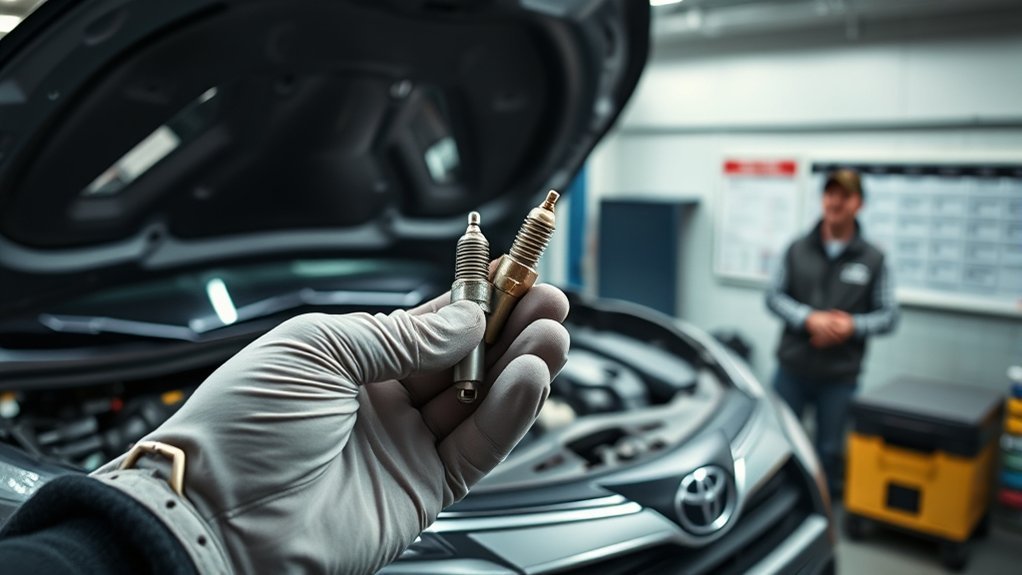
RAV4 owners often report that fresh spark plugs can restore smoother starts and cleaner acceleration when the old plugs are worn. The biggest mistake is replacing plugs too early without a reason or waiting far beyond the schedule and creating removal risk.
The most practical recommendation is simple: keep maintenance records, follow the Toyota schedule, and investigate symptoms quickly. If a shop recommends spark plugs at a much lower mileage than your manual requires, ask why. A clear answer should mention symptoms, inspection findings, diagnostic codes, or your specific driving conditions.
Maintaining Your RAV4: Tips for Optimal Performance
Spark plugs are only one part of keeping a RAV4 running smoothly. Combine timely plug replacement with regular oil changes, clean air filters, proper coolant maintenance, good fuel, and quick diagnosis when warning lights appear.
At the scheduled replacement interval, it is also smart to inspect the ignition coils, coil boots, air filter, throttle body condition, and any stored diagnostic codes. That way, you are not just replacing parts—you are keeping the whole ignition and combustion system healthy.
Frequently Asked Questions
How often should spark plugs be changed in a Toyota RAV4?
Many late-model Toyota RAV4 maintenance schedules call for spark plug replacement at 120,000 miles or 144 months. Always confirm the interval in the maintenance guide for your exact model year, engine, and region.
How long do Toyota OEM spark plugs last?
Toyota OEM long-life iridium spark plugs can often last up to the scheduled 120,000-mile interval on modern RAV4 models. Their actual condition depends on engine health, driving conditions, fuel quality, and whether misfires or contamination occur.
Can a spark plug last 200,000 miles?
A spark plug may physically remain in place for 200,000 miles, but that does not make it a good idea. Running far past the maintenance interval increases the chance of misfires, poor performance, ignition coil strain, and difficult removal.
Should I replace all RAV4 spark plugs at once?
Yes. If the plugs are due by mileage or age, replace the full set. Replacing only one scheduled-maintenance plug can leave uneven wear across cylinders and may not solve rough running if the other plugs are also worn.
Can bad spark plugs trigger a Check Engine light?
Yes, worn or fouled spark plugs can cause misfires that trigger a Check Engine light. However, coils, injectors, vacuum leaks, sensors, and mechanical issues can cause similar symptoms, so scan the codes before replacing parts.
Conclusion
For most late-model RAV4 owners, spark plug replacement is simple to plan: follow the Toyota maintenance guide, use the correct long-life plug, and do not ignore symptoms. The common 120,000-mile or 144-month interval gives the plugs a long service life, but rough idle, hard starts, misfires, or a Check Engine light should always be checked sooner. Stay ahead of the schedule, and your RAV4 is far more likely to keep starting cleanly, idling smoothly, and delivering dependable fuel economy.
Sources
- Toyota 2020 RAV4 Hybrid Warranty & Maintenance Guide — official 120,000-mile/144-month spark plug maintenance interval and plug replacement notes.
- Toyota Owners: 2020 RAV4 Hybrid Maintenance Requirements — official Toyota owner information for maintenance guidance.
- Toyota Owners: Warning Lights and Indicators — Toyota guidance on warning lights and malfunction indicators.
- DENSO Spark Plug Installation Torque Guide — spark plug tightening and installation cautions.
- NGK Spark Plug Installation Guide — installation basics and tightening guidance.
- RepairPal Toyota RAV4 Spark Plug Replacement Cost Estimate — current repair cost estimate range.