Your RAV4’s tire load index and speed rating are more than small letters and numbers on the sidewall. They tell you whether a tire can safely carry the vehicle’s weight and maintain the handling Toyota intended. The safest choice is to match or exceed the original equipment rating shown on your driver-side tire placard, owner’s manual, or current correct-size tire.
Quick Answer
For a Toyota RAV4, choose replacement tires with the same size, load index, and speed rating Toyota specifies for your exact year and trim. A higher load index or speed rating is usually acceptable if the tire still fits correctly, but a lower rating can reduce load capacity, handling, and safety.
Key Takeaways
- The load index is the number in the tire service description, such as the 102 in 225/65R17 102H.
- The speed rating is the letter after the load index, such as H, which commonly indicates a 130 mph speed category under controlled test conditions.
- Use your RAV4’s tire placard and owner’s manual as the final authority because tire size and ratings can vary by year, trim, wheel size, market, and package.
- Do not use a lower load index than Toyota specifies, and avoid lowering the speed rating unless the tire maker and your owner’s manual allow it, such as for some winter tire applications.
At a Glance
| Time Required | 5–10 minutes |
| Difficulty | Easy |
| Tools Needed | Driver-side door placard, owner’s manual, tire sidewall, or tire shop quote |
| Cost | Free to check; tire cost depends on size, brand, season, and rating |
What Is the Tire Load Rating for Your RAV4?
The tire load rating, usually called the load index, is a numerical code that represents the maximum weight one tire can carry when it is used correctly and inflated according to the tire and vehicle requirements. You will find it near the end of the tire size on the sidewall.
For example, in 225/65R17 102H, the 102 is the load index. A load index of 102 corresponds to about 1,874 lbs per tire in standard load-index charts. That does not mean your RAV4 can carry 1,874 lbs of cargo on each corner. Your actual safe vehicle load is still limited by Toyota’s gross vehicle weight rating, axle ratings, tire placard, and cargo/passenger limits.
Warning: Never choose a tire with a lower load index than the rating specified for your RAV4. A lower-rated tire may overheat, wear faster, handle poorly, or fail under load.
The most reliable place to check your required tire size and cold inflation pressure is the Tire and Loading Information Label on the driver-side door edge or door post. Toyota also provides model-specific tire information through the Toyota owner’s manual portal.
Why Speed Ratings Matter for Your Safety
The speed rating is the letter after the load index. In 225/65R17 102H, the H is the speed rating. It shows the tire’s speed category under controlled laboratory test conditions, not a recommendation to drive at that speed on public roads.
Speed ratings matter because they are tied to the tire’s construction, heat resistance, handling, and stability. A tire with a lower speed rating than Toyota specified may change how your RAV4 feels during emergency maneuvers, highway driving, or hot-weather trips.
A speed rating is not a license to speed. It is a controlled-test category that helps you compare tire capability, and it does not override road conditions, posted limits, tire wear, inflation, or vehicle load.
Common passenger tire speed symbols include:
| Speed Symbol | Speed Category | Common Use |
|---|---|---|
| Q | 99 mph | Some winter/snow tires |
| S | 112 mph | Some touring or winter tires |
| T | 118 mph | Touring passenger tires |
| H | 130 mph | Many crossover and performance touring tires |
| V | 149 mph | Performance-oriented tires |
| W | 168 mph | High-performance tires |
How to Read Tire Markings: Load and Speed Explained
Most RAV4 tire markings follow a format like this:
225/65R17 102H
| Marking | What It Means | Why It Matters |
|---|---|---|
| 225 | Section width in millimeters | Affects fitment, steering feel, and clearance |
| 65 | Aspect ratio | Shows sidewall height as a percentage of tire width |
| R | Radial construction | Standard construction type for modern passenger tires |
| 17 | Wheel diameter in inches | Must match your wheel size |
| 102 | Load index | Shows the tire’s load-carrying category |
| H | Speed rating | Shows the tire’s speed and heat-performance category |
The sidewall also includes other useful information, including maximum load, maximum cold inflation pressure, DOT Tire Identification Number, treadwear indicators, ply materials, and winter or mud-and-snow markings. Toyota’s RAV4 tire-information section explains these symbols in the owner’s manual.
Note: The maximum pressure molded on the tire sidewall is not the same as Toyota’s recommended cold tire pressure. For everyday driving, use the pressure listed on the RAV4 tire placard unless the owner’s manual or tire manufacturer gives a specific approved adjustment.
Is It Safe to Use Tires With Higher Load Ratings?
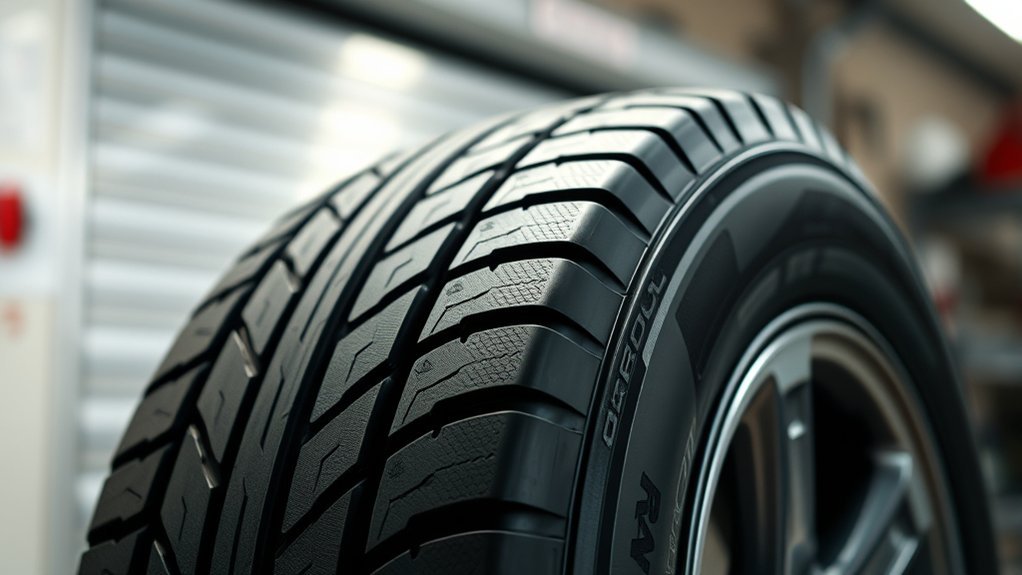
Yes, it is usually safe to use tires with a higher load index than the original equipment tire, as long as the tire also matches the correct size, wheel diameter, speed rating, inflation requirements, and vehicle fitment. Many drivers choose a higher load index for extra durability, frequent passengers, light towing, rough roads, or long highway trips.
However, a higher load index does not increase your RAV4’s legal or mechanical cargo capacity. Your vehicle’s limit is still controlled by Toyota’s gross vehicle weight rating, axle ratings, suspension, brakes, wheels, and tire placard.
Benefits of Higher Ratings
A tire with a higher load index may offer:
- More load reserve: Extra margin when the vehicle is full of passengers, luggage, or light trailer tongue weight.
- Stronger construction: Some higher-rated tires use reinforced materials or extra-load construction.
- Better heat resistance under load: A properly selected higher-rated tire may run with less stress when heavily loaded.
- More choices for driving style: Some touring, all-terrain, and performance tires come in higher service descriptions.
Considerations for Compatibility
Before choosing a higher load rating, check these points:
- The tire size must match your RAV4’s placard or an approved equivalent.
- The tire must fit the wheel width and diameter.
- The speed rating should meet or exceed Toyota’s original specification unless a permitted winter-tire exception applies.
- The tire’s required inflation pressure must work with your wheel and vehicle placard.
- All four tires should match in size, type, and similar tread depth, especially on AWD RAV4 models.
Pro Tip: When comparing two tires, do not look at load index alone. Compare size, service description, load range, maximum load at pressure, speed rating, UTQG grades, warranty, and tire category.
How to Choose the Right Speed Rating for Your Driving Style
The safest rule is simple: choose a replacement tire with a speed rating that meets or exceeds the original equipment rating for your RAV4. For many RAV4 fitments, you may see ratings such as H or higher, but your exact requirement depends on model year, trim, tire size, and market.
Use this decision guide:
- Check the placard first. Look at the driver-side door label for your required tire size and pressure.
- Match the original service description. If your tire is marked 102H, use 102H or a safe equivalent that meets or exceeds it.
- Consider how you drive. Frequent highway driving, hot climates, and loaded road trips favor staying at or above the original speed rating.
- Do not downgrade casually. A lower speed rating can affect handling and heat capability, even if you never drive near the rated speed.
- Ask about winter exceptions. Some winter tires have lower speed ratings, but they must still be suitable for your vehicle and driving conditions.
[Products Worth Considering]

The JACO ElitePro Digital Tire Pressure Gauge delivers shop-grade accuracy with a clear digital readout, making it easy to maintain proper tire pressure for safer driving and better performance. Built with rugged brass and steel components, a protective guard, and a flexible air hose, it is designed for reliable use across cars, trucks, motorcycles, bikes, RVs, and trailers. The lock-on display, built-in bleeder valve, and bright backlit screen add convenience in any lighting condition.

The ANCEL AD410 PRO combines engine diagnostics and 12V battery testing in one easy-to-use tool, helping you read and clear check engine codes while checking battery health, cranking, and charging performance. It also provides live data, freeze frame details, and I/M readiness checks to help you diagnose issues faster and prepare for emissions testing. With plug-and-play operation, a clear screen, and broad vehicle compatibility, it is a practical solution for home mechanics and everyday drivers.
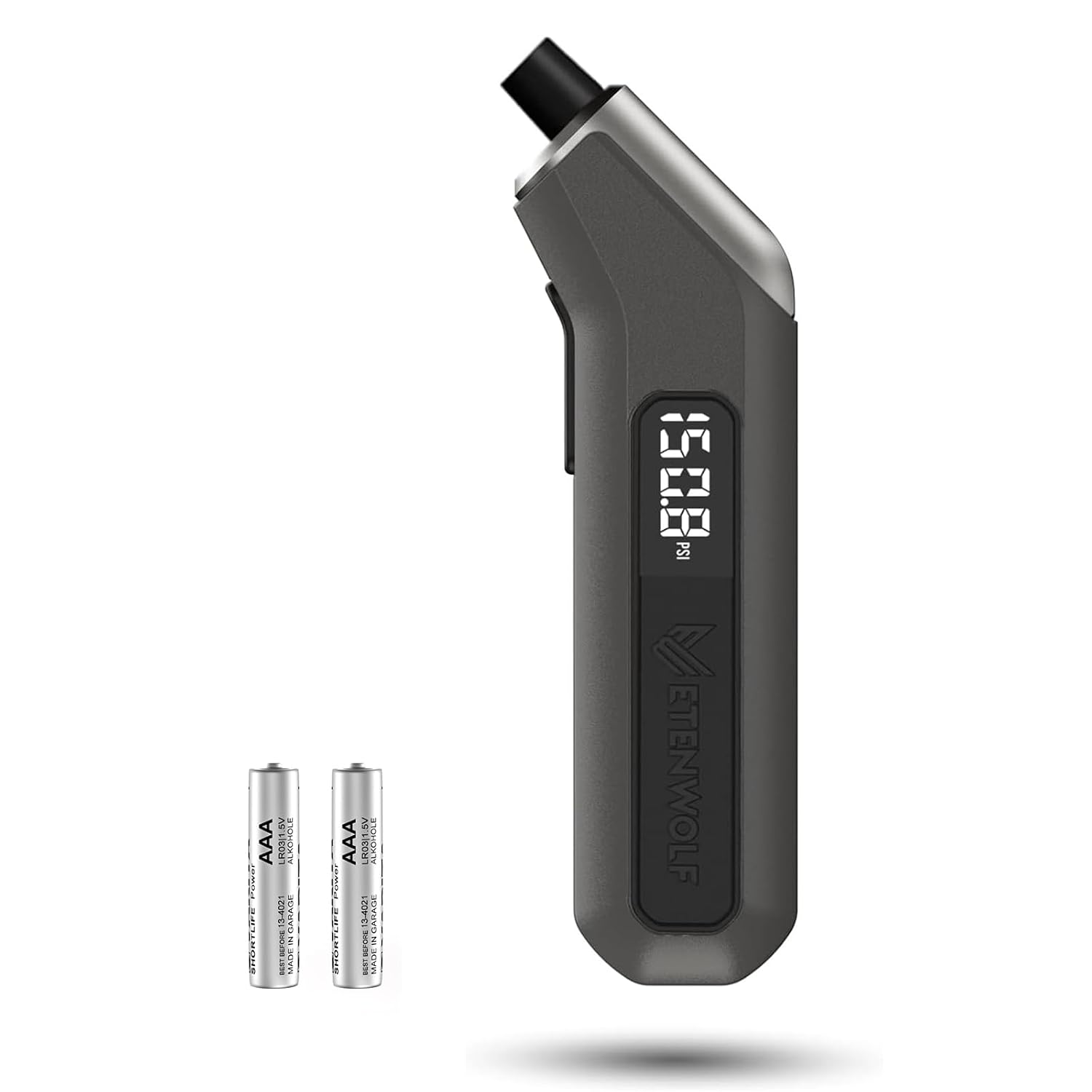
The ETENWOLF T300 digital tire pressure gauge delivers precise readings for cars, RVs, trucks, bikes, and heavy-duty vehicles with a wide measuring range and consistent accuracy. It is built to perform in extreme temperatures, includes a bright LED light for low-visibility use, and uses replaceable AAA batteries for convenient long-term operation. Durable enough to withstand rugged use, it is a practical tool for maintaining proper tire pressure across a variety of vehicles.
The Impact of Winter Tires on Load and Speed Ratings
Winter tires can be an excellent choice for a RAV4 used in snow, slush, and freezing temperatures, but they must still be selected carefully. The 3PMSF mountain snowflake symbol indicates a tire meets severe-snow traction criteria, while M+S means the tire has mud-and-snow capability. Neither symbol replaces the need for the correct load index and speed rating.
Winter Tire Performance Limits
Some winter tires carry lower speed ratings than all-season or touring tires. That does not automatically make them unsafe, but it does mean you must respect the tire’s lower speed capability and confirm the fitment is acceptable for your RAV4.
Winter tires are designed to prioritize cold-weather grip, braking, and snow traction. At higher speeds, in warm temperatures, or during aggressive cornering, they may feel softer and wear faster than all-season tires.
Load Rating Considerations
Even with winter tires, the load index should meet or exceed Toyota’s requirement. Do not assume a winter tire is acceptable just because the size fits the wheel. Check the full service description, including both the load index and the speed symbol.
Warning: Do not install winter tires only on the front or rear of a RAV4. For stable braking and handling, winter tires should be installed as a complete matching set of four.
Special Notes for AWD RAV4 Models
If your RAV4 has all-wheel drive, matching tires becomes even more important. The tires should be the same size, type, brand/model when possible, load index, speed rating, and similar tread depth. Mixing tires with different rolling diameters can stress the AWD system and may affect traction control, stability control, and handling.
When replacing only one damaged tire, ask the tire shop whether the new tire can be shaved to match the remaining tread depth or whether a full set is safer. This is especially important if the other three tires are already partly worn.
Common Mistakes When Buying RAV4 Tires
Avoid these common tire-buying errors:
- Buying by size only: Two tires can share the same size but have different load indexes, speed ratings, sidewall construction, and performance categories.
- Assuming “XL” always means better: Extra-load tires can be useful, but they must still be inflated and fitted correctly.
- Choosing LT tires without a reason: Many RAV4 models use passenger or SUV/crossover tires, not heavy-duty light-truck tires. LT tires can ride harsher and may require different pressure guidance.
- Mixing speed ratings: The lowest-rated tire limits the set, and mixed ratings can affect handling.
- Ignoring tire age: Check the DOT date code, especially when buying discounted or used tires.
- Using the sidewall maximum pressure as the daily pressure: The daily cold pressure should come from the vehicle placard unless otherwise directed.
[Products Worth Considering]

This custom-fit phone holder and dashboard storage organizer is designed for select Toyota RAV4 models with a 7/8-inch touchscreen, delivering a secure mounting solution that keeps your phone visible and your cabin tidy. Its 2-in-1 design adds a handy tray for small essentials, while 360-degree rotation and one-handed use make daily driving more convenient and safer. Built from durable materials with a soft-touch cradle, it installs quickly without tools or adhesives.

This recovery combo kit gives off-road drivers a dependable towing and extraction solution for unexpected trail situations. It includes a static tow strap and D-ring shackles designed for strong recovery performance and confident use when a vehicle needs assistance. Ideal for basic off-road recovery, it offers a compact setup that helps you stay prepared on the trail.
Where to Find the Best Tires for Your RAV4
The best tires for your RAV4 are the ones that match your year, trim, wheel size, load requirement, climate, and driving style. Start with Toyota’s placard and owner’s manual, then compare tires in the correct size and service description.
For most drivers, good choices fall into these categories:
- All-season touring tires: Best for daily commuting, quiet ride, long tread life, and mixed weather.
- All-weather tires: Useful if you want one set of tires with better snow capability than typical all-season tires.
- Winter tires: Best for regular snow, ice, and freezing temperatures.
- All-terrain tires: Good for gravel roads, camping, and light trail use, but they may add road noise and reduce fuel economy.
- Performance touring tires: Better steering response and wet grip, often with a firmer ride.
Before buying, confirm the tire’s:
- Size
- Load index
- Speed rating
- Load range or SL/XL marking
- Cold inflation guidance
- Season rating, such as all-season, all-weather, or winter
- 3PMSF symbol if you need severe-snow capability
- Warranty and expected tread life
Frequently Asked Questions
What is the difference between load rating and speed rating?
The load rating, or load index, tells you the tire’s load-carrying category. The speed rating tells you the tire’s speed and heat-performance category under controlled test conditions. For a RAV4, both should meet or exceed Toyota’s original equipment requirement unless the owner’s manual or tire manufacturer allows a specific exception.
Is Load Range C or Load Range D better for a RAV4?
Neither is automatically better for a RAV4. Load range letters are more common on light-truck tires, while many RAV4 fitments use passenger or crossover tires with a load index and SL or XL marking. Choose the tire that matches your RAV4’s required size, load index, speed rating, and inflation guidance rather than choosing by load range alone.
Can I use a higher load index on my RAV4?
Yes, a higher load index is generally acceptable if the tire is the correct size, fits the wheel, meets the needed speed rating, and is inflated according to the correct guidance. It does not increase the RAV4’s payload, towing, or axle rating.
Can I use a lower speed rating for winter tires?
Sometimes, but only if the tire is approved for your vehicle and you respect the lower speed capability. Many winter tires prioritize snow and ice traction over high-speed performance. Check your RAV4 owner’s manual, tire placard, and tire manufacturer guidance before using a lower speed rating.
Where is the correct RAV4 tire rating listed?
Check the Tire and Loading Information Label on the driver-side door edge or door post, your owner’s manual, and the sidewall of the correct original-equipment tire. If these do not agree, use Toyota’s current owner information for your exact VIN or ask a Toyota dealer or qualified tire professional.
Conclusion
Choosing the right RAV4 tire load index and speed rating is about keeping the vehicle stable, predictable, and safe. Match the tire placard first, meet or exceed Toyota’s original load and speed requirements, and avoid buying by size alone. A properly rated tire helps your RAV4 carry passengers and cargo confidently while preserving the handling Toyota engineered into the vehicle.
Sources
- Toyota Owners Manuals and Warranties — official source for Toyota model-specific owner’s manuals and tire information.
- Toyota RAV4 Owner’s Manual: Tire Information — explains tire symbols, sidewall markings, DOT/TIN information, and tire labeling.
- NHTSA TireWise — supports checking the owner’s manual or Tire and Loading Information Label for correct tire size and safety information.
- U.S. Tire Manufacturers Association Tire Care and Safety Guide — explains tire sidewall markings, load index, speed symbol, DOT date codes, and winter tire markings.
- Toyo Tires Speed Rating & Load Index Safety Warnings — supports matching or exceeding original equipment load capacity and speed rating.