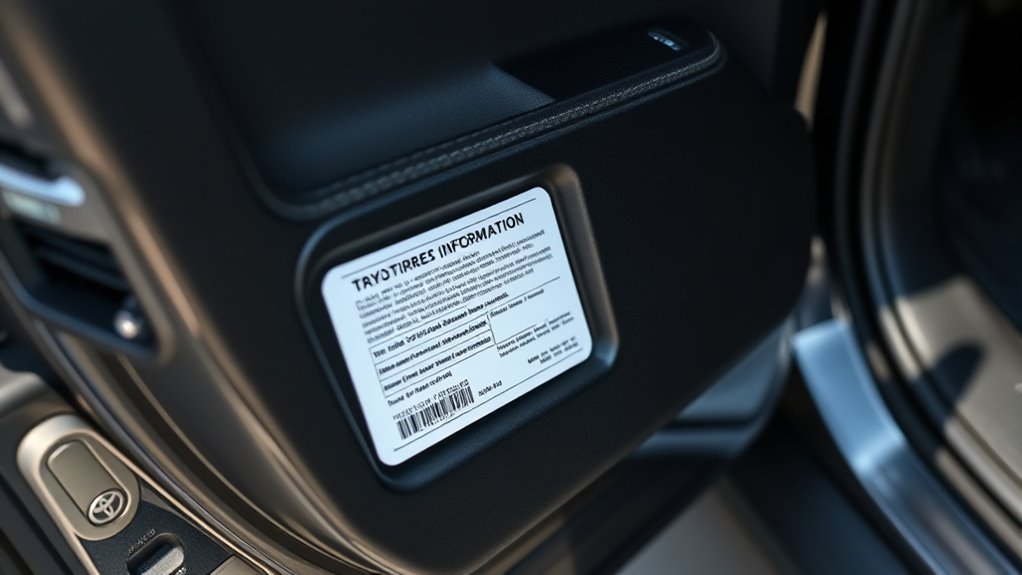
The Toyota RAV4 tire information placard is the small factory label that tells you the correct cold tire pressure, original tire size, and load limit for your exact vehicle. It is usually on the driver’s door jamb or door edge. Use this label before adding air, replacing tires, rotating tires, or troubleshooting a tire pressure warning light.
Quick Answer
Open the driver’s door and look on the door jamb or door edge for the RAV4 tire information placard. Set each tire to the cold PSI printed on that label, not the maximum PSI molded into the tire sidewall. Check with a gauge when tires are cold.
Key Takeaways
- The door-jamb placard is the best source for your RAV4’s exact cold tire pressure, tire size, and load rating.
- Do not use the tire sidewall number as your normal inflation target; it usually shows the tire’s maximum pressure.
- Check tire pressure when the tires are cold, ideally before driving or after the vehicle has been parked for at least three hours.
- Some RAV4s show individual tire pressures on the display, but TPMS should not replace monthly gauge checks.
At a Glance
| Time Required | 5–10 minutes |
| Difficulty | Easy |
| Tools Needed | Tire pressure gauge and an air source |
| Cost | Usually free to a few dollars for air; $5–$20 for a basic gauge |
Who This Guide Helps and How to Use It
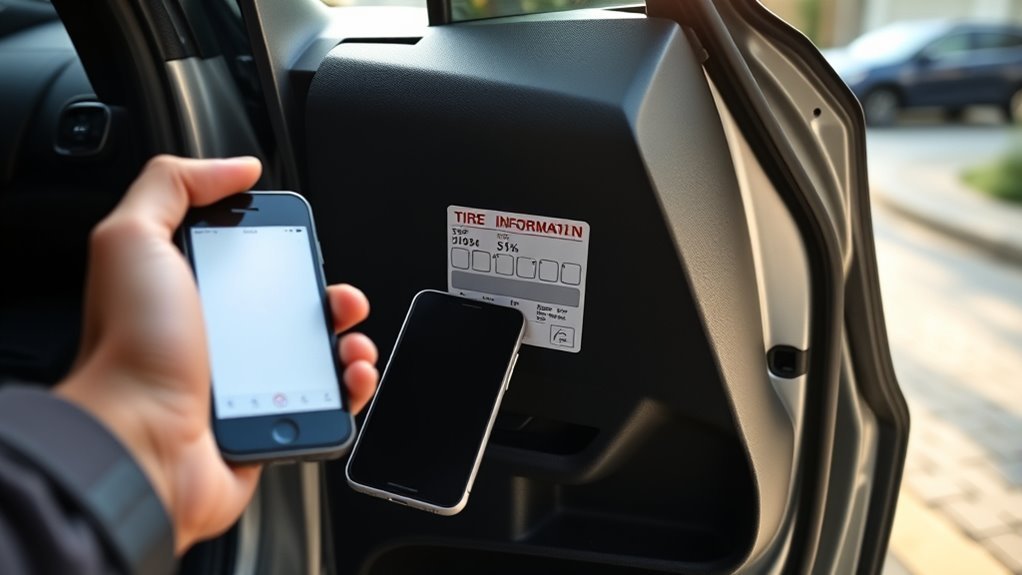
This guide is for RAV4 owners who want to check tire pressure, understand the door-jamb tire label, replace tires correctly, or troubleshoot a tire pressure warning light. It applies to gas, hybrid, and plug-in hybrid RAV4 models, but the exact PSI can vary by model year, trim, tire size, drivetrain, and market.
Many RAV4s use pressures in the low-to-mid 30 PSI range, but do not guess. The correct number is the cold inflation pressure printed on your own vehicle’s tire information placard. Toyota’s owner information and NHTSA tire-safety guidance both point drivers to the vehicle placard or owner’s manual for the recommended pressure, not the number molded into the tire sidewall.
Find the RAV4 Tire Information Placard
Open the driver’s door and inspect the door jamb, door edge, or nearby pillar. The RAV4 tire information placard is usually a white or yellow-and-white label. It lists the original tire size, recommended cold tire inflation pressure, seating/load information, and sometimes spare tire information.
If the label is damaged, missing, or hard to read, check your owner’s manual or contact a Toyota dealer with your VIN. Avoid relying on generic online PSI charts unless you are only using them as a rough starting point; the label on your vehicle is more specific.
Note: The tire sidewall is still useful for tire size, load rating, speed rating, and maximum tire limits. It is not the normal everyday inflation target for your RAV4.
How to Read the Tire Information Placard
Read the placard from top to bottom and match the information to the tires installed on your vehicle. The most important line for routine maintenance is the recommended cold tire inflation pressure, usually shown in PSI and kPa.
| Placard item | What it means | What to do |
|---|---|---|
| Cold tire pressure | The recommended PSI before the tires heat up from driving. | Inflate each tire to this number when cold. |
| Tire size | The original tire size Toyota specified for that vehicle. | Match this when replacing tires unless a qualified tire professional confirms an approved alternative. |
| Load information | The maximum combined weight of passengers and cargo. | Do not overload the vehicle; excess weight affects handling, braking, and tire heat. |
| Spare tire pressure | The pressure for the temporary spare, if listed. | Check it periodically; temporary spares often require much higher PSI than road tires. |
Locate the Placard
Stand outside the driver’s door, open it fully, and look near the latch area and vertical door pillar. If you see more than one label, look for wording such as “Tire and Loading Information” or “Cold Tire Pressure.”
Read Pressure Values
Find the front and rear tire pressure values. Some RAV4s list the same PSI front and rear; others may vary by tire size, drivetrain, or market. If your placard lists different values for front and rear, follow the label exactly.
Warning: Do not inflate tires to the sidewall maximum unless a qualified tire professional specifically instructs you to for a special service situation. Overinflation can reduce ride comfort, change handling, and increase uneven wear.
Quick Steps: Set Your RAV4 Tires to the Placard PSI
Use these steps once you have found the placard and confirmed the correct cold PSI for your exact RAV4.
[Products Worth Considering]

The JACO ElitePro Digital Tire Pressure Gauge delivers shop-grade accuracy with a clear digital readout, making it easy to maintain proper tire pressure for safer driving and better performance. Built with rugged brass and steel components, a protective guard, and a flexible air hose, it is designed for reliable use across cars, trucks, motorcycles, bikes, RVs, and trailers. The lock-on display, built-in bleeder valve, and bright backlit screen add convenience in any lighting condition.

Veepeak OBDCheck BLE is a Bluetooth LE OBD-II scanner designed to read and clear check engine codes, view live sensor data, and access freeze frame and readiness information through a compatible third-party app. It works with most 1996+ gas vehicles and many light trucks for standard diagnostics, with broader features depending on the app and vehicle support. This compact adapter is built for iOS and Android users who want a simple wireless way to monitor vehicle health without WiFi pairing.
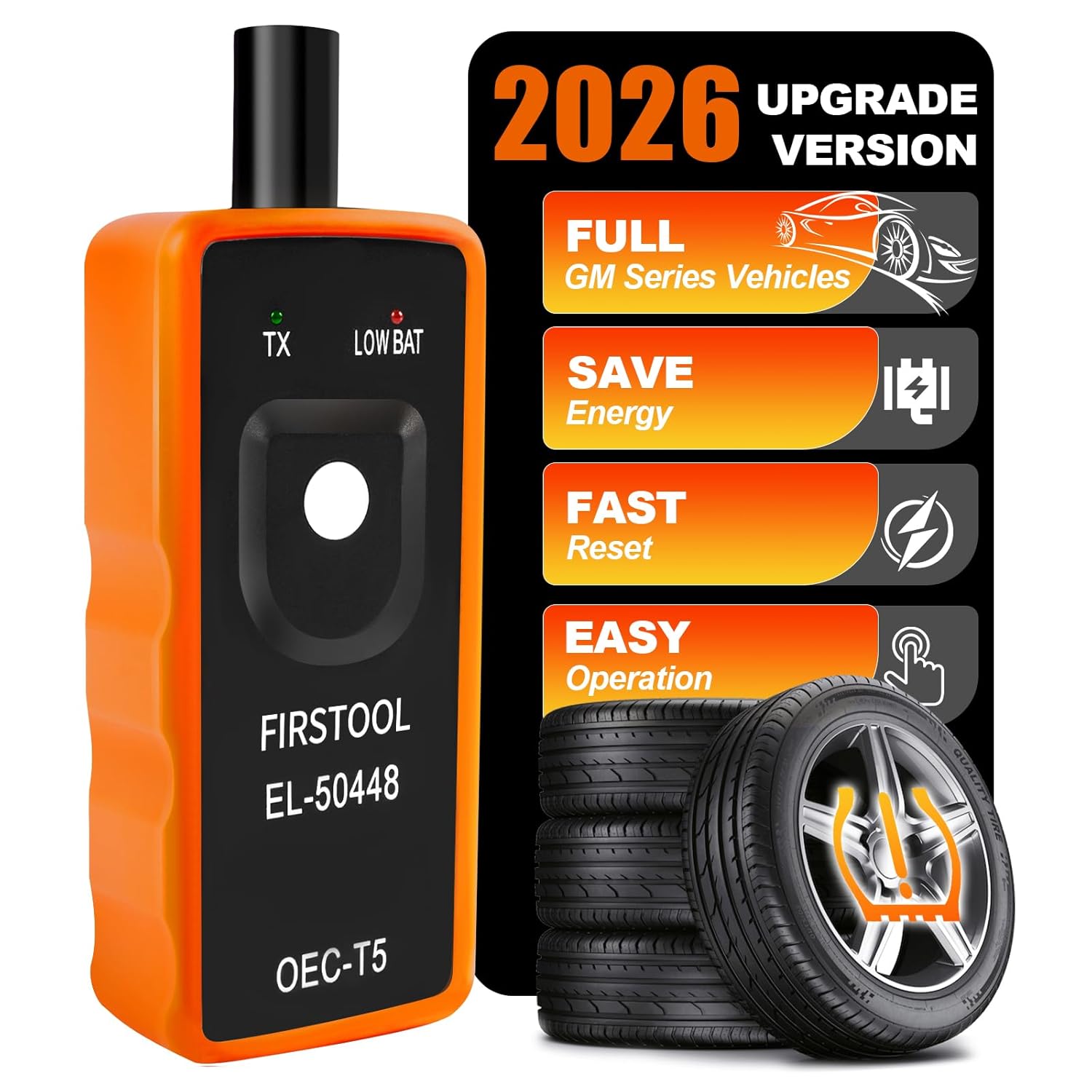
This EL-50448 TPMS relearn tool helps quickly activate and reset tire pressure sensors so your vehicle’s monitoring system stays accurate after tire rotations, sensor replacement, or seasonal tire changes. Designed for many GM-related vehicles and compatible with common 315 and 433 MHz TPMS systems, it offers simple one-button operation and reliable performance for clearing warning lights and relearning sensor positions.
1. Locate the Door-Jamb Placard
Open the driver’s door and write down the recommended cold PSI for the front and rear tires. Also note the tire size so you can confirm the tires installed on the vehicle match the label.
2. Check Cold Tire Pressure
Use a reliable tire pressure gauge before driving, or after the vehicle has been parked for at least three hours. Remove the valve cap, press the gauge straight onto the valve stem, and record the reading for each tire.
Check all four road tires. If your RAV4 has a temporary spare, check that too during routine maintenance, even though it may not be monitored by the same TPMS setup as the road tires.
3. Inflate to the Recommended PSI
Add air until each tire matches the placard value. Recheck with the gauge immediately after adding air, then reinstall the valve caps. If a tire is over the target, release a small amount of air and recheck.
- Use the placard PSI as the target.
- Use the same gauge for all four tires when possible.
- Recheck monthly and before long trips.
- If one tire keeps losing pressure, inspect it for a nail, valve-stem leak, bead leak, or wheel damage.
Pro Tip: If you must add air after driving, inflate the low tire enough to be safe, then check again when the tires are cold. Do not bleed warm tires down to the placard PSI because pressure rises as tires heat up.
Why the Door-Jamb PSI Is the Correct Reference
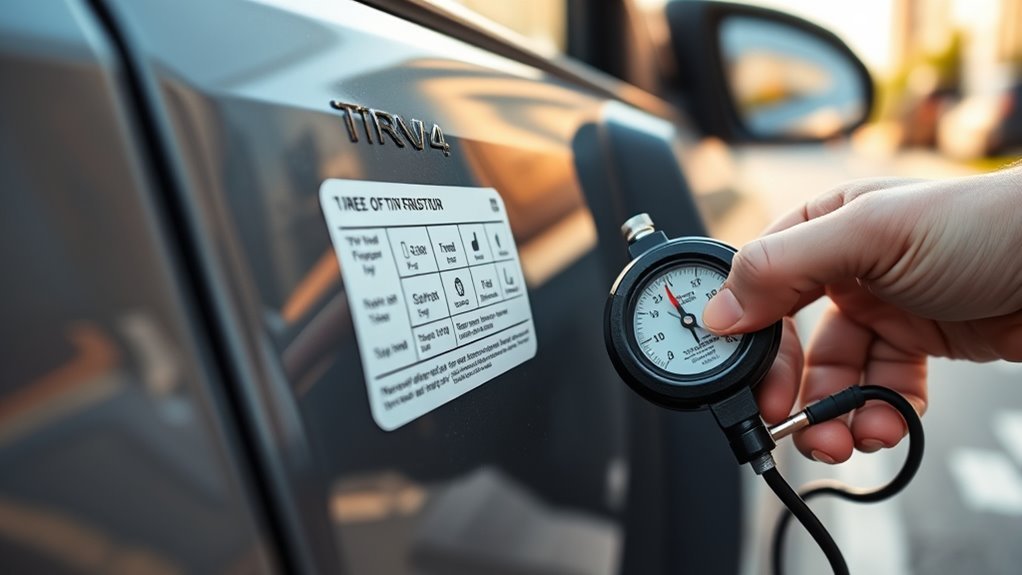
The door-jamb placard reflects the vehicle manufacturer’s tire pressure recommendation for that vehicle’s weight, suspension, tire size, and intended ride and handling. That is why NHTSA says the correct tire pressure is the vehicle manufacturer’s listed cold pressure, not the pressure printed on the tire itself.
The tire sidewall number is usually a maximum pressure or load-related limit for the tire. It is not customized to your RAV4’s trim, cargo rating, ride quality, or handling balance. Using the placard helps keep steering predictable, braking stable, tread wear more even, and fuel economy closer to Toyota’s intended setup.
The easiest tire-maintenance mistake to avoid is using the sidewall maximum as your daily PSI target. For normal driving, use the RAV4’s door-jamb placard.
When and How Often to Check Tire Pressure
Check tire pressure at least once a month and before long trips. Also check after large temperature swings, after tire rotation, after tire replacement, and when the TPMS light comes on.
- Best time: before driving, when tires are cold.
- Cold-tire rule: the vehicle has been parked for at least three hours or driven only a very short distance.
- Temperature effect: tire pressure generally changes about 1 PSI for every 10°F change in outside temperature.
- Dashboard warning: TPMS is helpful, but it is not a replacement for a gauge.
Cold weather can trigger a warning light because tire pressure drops as temperature falls. Hot weather and highway driving can raise tire pressure temporarily. That is normal, so judge your inflation against the placard when the tires are cold.
Load, Tire Replacement, and Spare Tire Notes
The tire information placard also helps when you carry cargo or replace tires. Stay within the load limit printed on the label. Extra weight increases tire heat and can affect braking, steering, and stability.
When replacing tires, match the placard tire size, load index, and speed rating unless a qualified tire shop or Toyota dealer confirms a safe alternative. If your RAV4 has aftermarket wheels or non-original tire sizes, ask a tire professional to confirm the correct pressure instead of guessing from the old placard alone.
If your vehicle has a temporary spare, check its pressure regularly. Temporary spare tires often use a much higher PSI than the four road tires, and they can lose air over time even when they are never used.
[Products Worth Considering]

This portable tire inflator delivers fast, convenient inflation for cars, bikes, motorcycles, and balls with dual power options from a rechargeable battery or a 12V car cord. Its digital LCD pressure gauge and automatic shutoff help prevent over-inflation, while multiple preset modes and a custom setting make it easy to use for different inflation tasks. Built-in flashlight and USB power ports add extra emergency utility on the road.

The NOCO Boost X GBX45 is a powerful portable jump starter designed to revive gas and diesel engines with fast, reliable performance. It combines spark-proof, reverse-polarity-safe operation with USB-C charging, power bank functionality, and a built-in LED flashlight for roadside emergencies and everyday utility.

HIGH QUALITY: Marsflex tire pressure sensors include a CR2450 battery and a cutting-edge technology chip. The upgraded battery improves the operating temperature range to -40℃~+125℃, and has 5-8 years lifespan. The chip provides best signal strength, real-time reading the condition of your tire
Troubleshoot RAV4 TPMS and Tire Pressure Warnings
Your RAV4’s Tire Pressure Monitoring System warns you when the system detects low pressure or a possible malfunction. Toyota explains that the system is designed to alert the driver when tire pressure is seriously low, but it should not replace regular pressure checks with a gauge.
[Products Worth Considering]
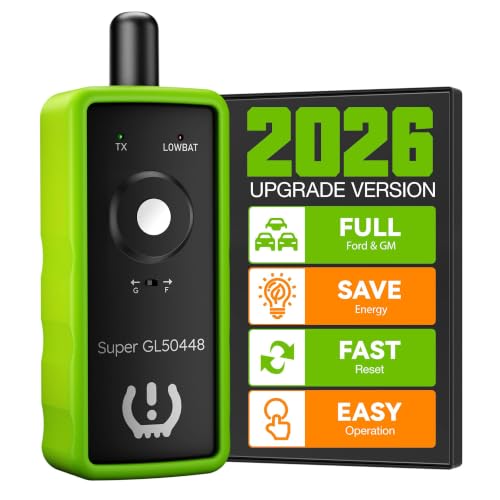
INNOVATIVE 2-IN-1 DESIGN: VXDAS TPMS relearn tool supports for GM and Ford series vehicles, (Buick, Cadillac, Chevrolet, GMC, Lincoln, Mazda, F150, F250, Focus, Fusion, and more). The added "G" and "F" model switch button on top makes it more convenient to use

【CUSTOMIZED for FORD】This TPMS Sensor Training Tool is customized for all Ford Lincoln Mercury vehicles that has a Tire Pressure Sensor. Train the TPMS sensors and activate Tire Pressure Programming on new vehicles or after a tire rotation(Tip: You can refer to the second vehicle compatibility diagram and the A+ content to check if your vehicle is compatible with this reset tool.)

✿IMPORTANT NOTE: ❶ GM VEHICLES ONLY: ONLY for Chevrolet, GMC, Cadillac and Buick, Check Compability List before buying. NOT support Ford, Toyota, Nissan, Honda and other non-GM brands; ❷ SENSOR REQUIREMENTS: Optimized for OE/OEM sensors. Most aftermarket sensors can work BUT some may fail if their frequency or parameters do not match the OEM original. NOT for UNIVERSAL TPMS sensors.❸ Requires a 9V battery for operation BUT NOT included.❹NOTE: If one or some sensors can't be activated after multiple attempts (because they were dead, low power or damaged, not our tool's not work), please replace them with new sensors then try again.
If the TPMS Light Is Solid
A solid tire pressure warning light usually means at least one tire is low. Check all four tires with a gauge and inflate them to the placard PSI. After adjustment, drive normally and see whether the light turns off.
If the TPMS Light Flashes, Then Stays On
A flashing TPMS light that later stays on can indicate a system malfunction. Possible causes include a dead sensor battery, damaged sensor, unregistered sensor ID, incompatible wheel, or radio-signal interference. If the light keeps returning after correct inflation, have the system inspected.
If Your RAV4 Shows Individual Tire Pressures
Some RAV4 models with the tire inflation pressure display function can show detected tire pressures on the multi-information display. Toyota notes that displayed values may differ from a handheld gauge and may take a few minutes to appear after starting the vehicle or adjusting pressure. Use the display as a helpful aid, not as your only pressure check.
After Rotation or Tire Replacement
Some Toyota RAV4 systems need TPMS initialization after tire rotation, tire replacement, or ID-code registration. Always adjust the tires to the specified cold PSI before initialization. If you reset the system while the tires are underinflated, the warning threshold may be set incorrectly.
Warning: Never reset or initialize TPMS just to make the warning light disappear. First check the tires, correct the pressure, and inspect for damage or leaks.
Common Mistakes to Avoid
- Using the sidewall max PSI: the sidewall number is not the RAV4’s normal recommended pressure.
- Checking only when the TPMS light appears: TPMS warnings can come after pressure is already significantly low.
- Bleeding air from hot tires: warm tires read higher, so bleeding them down can leave them low when cold.
- Ignoring one tire that keeps dropping: repeated loss usually means a leak or damage needs inspection.
- Forgetting the spare: a flat spare is useless when you need it.
Frequently Asked Questions
Does a Toyota RAV4 tell you which tire is low?
Some RAV4 models with a tire inflation pressure display can show detected tire pressures on the multi-information display. Other models may show only a general tire pressure warning light. Either way, confirm the pressure with a gauge.
How do you read your RAV4 tire information?
Find the tire information placard on the driver’s door jamb or door edge. Read the cold PSI for front and rear tires, confirm the listed tire size, and note the load limit. Use those values for routine inflation and replacement-tire checks.
How do you read a tyre placard?
A tyre placard lists the recommended cold inflation pressure, tyre size, and load capacity. Match the tyre size to the tyres fitted to the vehicle, then inflate each tyre to the cold pressure shown for its position.
Should I use the PSI on the tire sidewall or the door placard?
Use the door placard for normal driving. The sidewall number usually shows the tire’s maximum pressure or load-related limit, not the vehicle-specific cold pressure Toyota selected for your RAV4.
What PSI should a 2021 Toyota RAV4 use?
Many 2021 RAV4 configurations are in the low-to-mid 30 PSI range, but the exact value depends on tire size, drivetrain, trim, and market. Check the driver’s door-jamb placard on your specific vehicle and follow that number.
Do I need to reset TPMS after adding air?
Usually, you should first inflate the tires to the correct cold PSI and drive normally to see if the light clears. TPMS initialization may be needed after tire rotation, tire replacement, or sensor work. Never reset TPMS before correcting tire pressure.
Conclusion
The RAV4 tire information placard is the safest starting point for tire pressure, tire size, and load information. Find it on the driver’s door jamb, read the cold PSI carefully, and use a gauge instead of relying only on TPMS. When the pressure is right, your RAV4 can steer, brake, ride, and wear its tires the way Toyota intended.
Sources
- Toyota Owners — 2021 RAV4 Tire Inflation Pressure — supports Toyota owner-manual tire pressure guidance.
- Toyota Owners — 2021 RAV4 Tires and Tire Pressure Warning System — supports TPMS display, rotation, and initialization details.
- Toyota Support — How the Tire Pressure Monitor System Works — supports TPMS warning and regular gauge-check guidance.
- NHTSA TireWise — Tire Safety Ratings and Awareness — supports using the vehicle placard, checking cold pressure, and monthly tire checks.
- Firestone Complete Auto Care — Recommended Tire Pressure — supports the temperature rule of thumb for PSI changes.