If most of your Toyota RAV4 driving is stop-and-go commuting, repeated short trips, dusty roads, towing, heavy loading, long idling, or freezing-weather short runs, use the severe-service schedule instead of treating the normal oil interval as universal. The safest rule is simple: follow your exact owner’s manual and oil-cap viscosity, then shorten oil and filter service when Toyota’s special operating conditions apply.
Quick Answer
For a RAV4 driven mostly under Toyota’s special operating conditions, replace the engine oil and oil filter every 5,000 miles or 6 months, whichever comes first. Under normal driving, many late-model RAV4 maintenance charts list oil and filter replacement every 10,000 miles or 12 months, with 5,000-mile inspections still required.
Key Takeaways
- Use the oil grade listed on your oil filler cap and in your owner’s manual. Do not assume every RAV4 uses 0W-20; many newer models specify 0W-16.
- Toyota’s severe-service triggers include dirt or dusty roads, towing or heavy loading, extensive idling or low-speed driving, and repeated trips under 5 miles in freezing weather.
- A 10,000-mile oil interval does not eliminate the 5,000-mile service visit for tire rotation, fluid checks, inspections, and other maintenance items.
- Hybrid RAV4 owners should pay attention to the high-voltage battery cooling intake filter, especially in dusty areas, heavy traffic, or pet-hair-filled cabins.
- An oil maintenance reminder means schedule service soon; an oil pressure warning means stop safely and shut the engine off.
At a Glance
| Time Required | 10–15 minutes for owner checks; 45–90 minutes for a typical oil, filter, tire rotation, and inspection service |
| Difficulty | Easy for inspections; moderate for DIY oil service |
| Tools Needed | Owner’s manual, clean rag, tire pressure gauge, flashlight, service log; for DIY oil service, use the correct oil, filter, drain pan, jack stands or ramps, socket set, and torque wrench |
| Cost | Varies by region and model; expect the oil/filter service to cost less as DIY work and more at a dealer or professional shop |
Shorten RAV4 Oil Intervals for Severe Driving: Top-Line Guidance

Start with Toyota’s maintenance guide for your exact model year, then ask one practical question: Does the majority of my driving match Toyota’s special operating conditions? If yes, change the engine oil and oil filter at the shorter severe-service interval instead of stretching to the normal interval.
Toyota’s official synthetic-oil guidance says vehicles that meet special operating conditions should have engine oil replaced at 5,000-mile intervals, regardless of oil type. Toyota’s RAV4 maintenance charts also continue to require 5,000-mile or 6-month service visits for inspections and tire rotation, even when the normal oil replacement line appears every 10,000 miles.
Note: “Severe” does not mean abusive driving. It can mean normal daily use that is hard on oil: short cold trips, delivery-style stops, dusty roads, heavy traffic, towing, or carrying heavy loads.
[Products Worth Considering]

This cabin and engine air filter kit is designed for a wide range of compatible Toyota, Scion, and Pontiac models, helping improve airflow and keep your HVAC and engine systems cleaner. The activated carbon cabin filter helps reduce odors and trapped debris, while the engine air filter supports efficient performance with extended service life. It is easy to install and offers a convenient replacement solution for routine vehicle maintenance.

This replacement filter set is designed for a range of Toyota hybrid vehicles, including popular models like RAV4 Hybrid, Camry Hybrid, Highlander Hybrid, Sienna, Venza, and more. It combines cabin and engine filtration to help support cleaner airflow, reduce dust and odors, and protect your HVAC and engine systems. Built for easy installation and extended service life, it offers a convenient maintenance upgrade for compatible hybrid and gas-only Corolla models.

This dual filter kit helps keep your vehicle running and riding cleaner by replacing both the engine air filter and cabin air filter at the same time. It is designed for a range of Toyota and Lexus hybrid models, helping support engine performance while reducing odors and airborne particles inside the cabin. Built with high-quality filtration materials, it offers a convenient maintenance solution for routine filter replacement.
How Toyota’s Normal Oil Baseline Works
Many RAV4 owners hear “10,000-mile oil changes” and assume nothing else is needed until then. That is not how Toyota’s schedule works. For vehicles that qualify for a longer synthetic-oil interval under normal conditions, the 5,000-mile maintenance visit still remains. That visit commonly includes tire rotation, fluid checks, brake inspection, wiper inspection, and other items listed in the maintenance chart.
Use the Right Oil Viscosity for Your RAV4
Do not rely on a generic RAV4 oil recommendation. Toyota tells owners to refer to the owner’s manual for the specific oil viscosity rating recommended for the vehicle and engine type. Depending on the model year and powertrain, your RAV4 may call for SAE 0W-16, SAE 0W-20, or another specified grade.
The safest check is the oil filler cap plus the owner’s manual. Use Toyota Genuine Motor Oil or an equivalent oil that meets the required specification, and replace the oil filter at the same time as the oil. Using a heavier oil because it “feels safer” can reduce efficiency and may not match the engine’s design clearances.
Normal vs. Severe Service
Normal service is steady, fully warmed-up driving in moderate conditions: longer trips, low dust, light loads, and limited idling. Severe service is the pattern that keeps oil contaminated, overheated, underheated, or loaded with extra debris. If your RAV4 spends much of its life in the second category, the shorter interval is the better fit.
Toyota’s severe-service oil schedule is not based on oil color alone. It is based on how the vehicle is used, because heat cycles, condensation, fuel dilution, dust, and load can shorten oil life before the oil looks obviously bad.
Which Conditions Count as “Severe” for Your RAV4?
Toyota’s maintenance charts describe special operating conditions as conditions that apply when the vehicle is driven primarily under those circumstances. If you only occasionally drive on a dirt road or take one short trip in freezing weather, that alone may not require the severe schedule. If those conditions describe your normal week, they matter.
[Products Worth Considering]

Castrol EDGE 0W-20 advanced full synthetic motor oil is engineered for drivers seeking strong wear protection, excellent viscosity control, and thermal stability. It delivers superior performance in critical engine areas, including fuel economy, high-temperature protection, sludge control, and wear defense. Designed for extended oil-change intervals, it helps keep modern engines running smoothly under demanding conditions.

This vehicle-specific cabin and engine air filter combo is designed for Toyota RAV4 2.5L L4 models from 2013 through 2018, excluding hybrids. It helps improve cabin air quality by capturing pollutants while supporting engine airflow for smoother performance. With a direct replacement fit and simple home installation, it offers an easy way to maintain your vehicle.
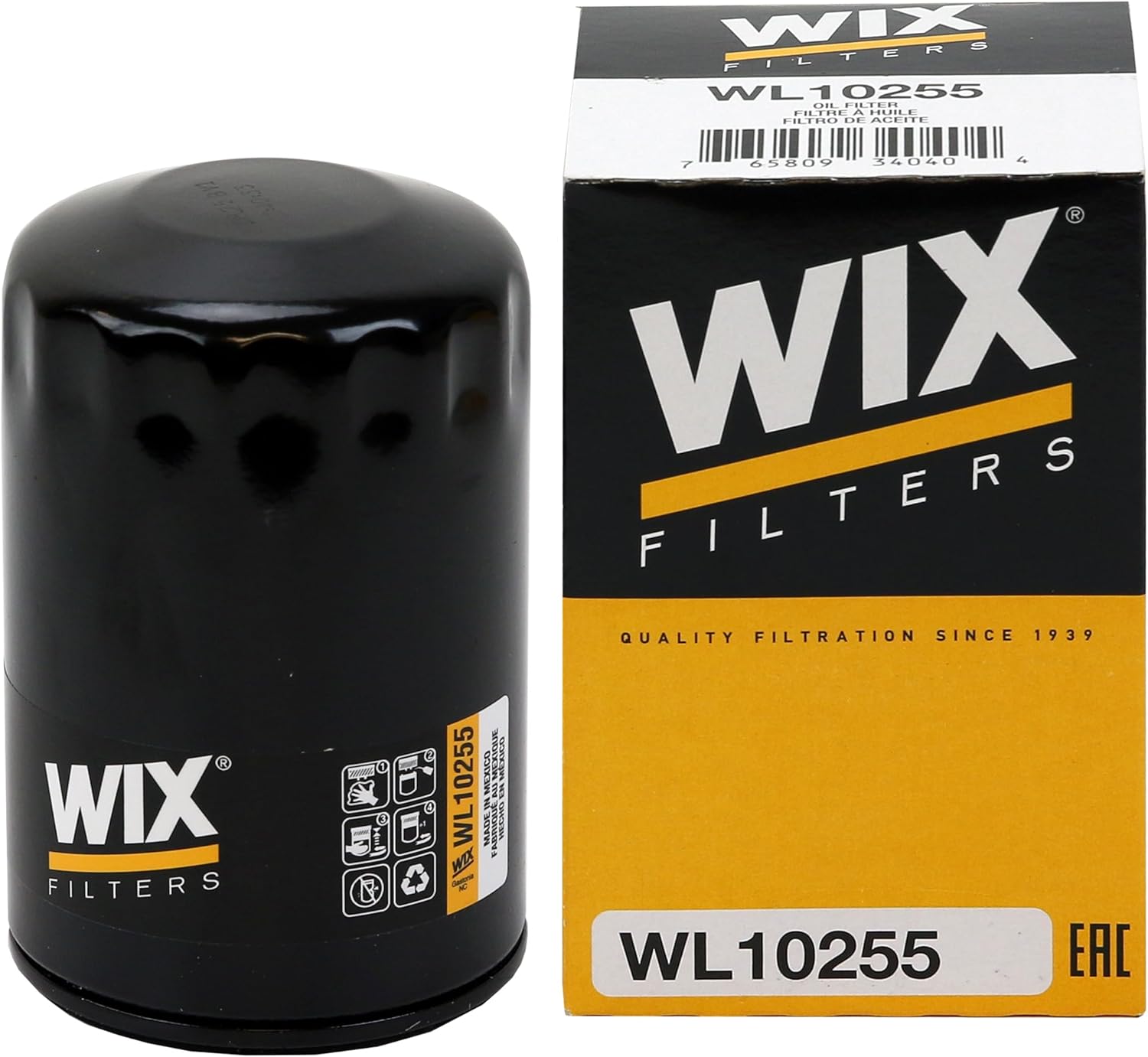
WIX WL10255 is a premium oil filter designed for synthetic and high-mileage oils, delivering reliable protection in everyday driving, towing, stop-and-go traffic, and long highway trips. Its advanced blended media captures fine contaminants with high efficiency, while the silicone anti-drainback valve helps prevent dry starts and supports dependable engine performance over extended service intervals.
Short Trips, Idling, and Low-Speed Driving
Repeated short trips are hard on oil because the engine may not stay hot long enough to evaporate moisture and fuel dilution. Toyota specifically calls out repeated trips of less than 5 miles in temperatures below freezing as a severe-service trigger. Extensive idling or long-distance low-speed operation, such as taxi, delivery, police, or similar use, is also treated as severe.
For owners, this includes many real-world patterns:
- School drop-offs and errands where the engine barely warms up
- Food delivery, courier routes, or frequent stop-and-start work
- Long idling in traffic, drive-through lines, or cold-weather warmups
- Heavy urban commuting with low average speeds
Dusty Roads, Dirt Roads, and Heavy Traffic
Dust and dirt are not just tire and paint problems. Fine debris can shorten air filter life, add load to the engine, and increase the need for underbody, suspension, steering, and driveline inspections. Toyota’s RAV4 maintenance chart adds extra inspections for dirt-road and dusty-road use, and it notes that heavy traffic, urban, dusty, desert, or dirt-road conditions may shorten cabin air filter life.
Towing, Heavy Loading, and Car-Top Carriers
Not every RAV4 is equipped or rated the same way, so always check your owner’s manual before towing. When your RAV4 is driven while towing, carrying heavy loads, or using a car-top carrier, Toyota’s special operating conditions add maintenance items such as engine oil and filter replacement at shorter intervals and extra checks for chassis, body, and drivetrain components.
Warning: Do not use a generic towing rule. Confirm your exact RAV4 model, drivetrain, towing equipment, cargo weight, tongue weight, and local requirements before towing. Overloading can damage the vehicle and reduce braking and handling control.
When to Change Oil at 5,000 Miles: Practical Checklist
Use the 5,000-mile or 6-month oil and filter interval when the majority of your driving includes Toyota’s special operating conditions. If your use is mixed, choose the conservative schedule when you plan to keep the vehicle long term, drive in extreme climates, or cannot clearly separate normal and severe miles.
| Driving Pattern | Recommended Approach |
|---|---|
| Mostly highway trips, light loads, moderate climate | Follow the normal schedule for your exact manual, while still completing 5,000-mile inspections. |
| Repeated short trips, especially below freezing | Use 5,000-mile or 6-month oil and filter service. |
| Dusty roads, dirt roads, desert areas, or frequent construction-zone dust | Use severe-service checks; inspect engine and cabin filters more often. |
| Towing, heavy loading, or car-top carrier use | Use the severe schedule and confirm towing guidance in the owner’s manual. |
| Extensive idling, delivery routes, taxi-style use, or low-speed work | Use 5,000-mile oil and filter changes and keep detailed service records. |
Do not judge oil by color alone. Dark oil can still be doing its job, and clean-looking oil can still be contaminated or old. Instead, track mileage, months, oil level, operating conditions, warning messages, and service history.
Pro Tip: Keep a simple service log with date, mileage, oil viscosity, oil specification, filter brand or part number, and driving conditions. Good records help with warranty questions and resale confidence.
[Products Worth Considering]

This A-Premium engine air filter is designed to help maintain clean airflow for compatible Lexus and Toyota vehicles, supporting better engine performance and efficiency. It uses fine filtration media to capture debris while minimizing airflow restriction, making it a practical replacement for routine maintenance. With fitment for multiple popular models and a convenient boxed single-pack design, it offers a straightforward solution for keeping your engine protected.

This 12-pack oil filter and drain plug washer set is designed for a wide range of Toyota and Scion vehicles, helping support clean oil flow and dependable engine performance. It replaces several common OE part numbers and offers an easy-fit solution for routine maintenance. Built with corrosion-resistant materials and efficient filtration, it helps keep engine contaminants out and supports longer service life.

The Funnel King 32950 Oil Drain Pan is a compact fluid catch basin designed for clean, easy draining during routine maintenance. Its open shape and pour edge help transfer used oil, coolant, and other shop fluids with less mess, while the lightweight polypropylene construction stands up to common automotive chemicals. Sized to fit under many cars and small engines, it is a practical choice for garages, workshops, and DIY oil changes.
Brake Care for Frequent Hill Starts and Winter Roads

RAV4 brakes need regular inspection even on hybrid models that use regenerative braking. Regeneration can reduce friction-brake use, but pads, rotors, calipers, brake lines, and fluid still age and still need inspection. Toyota’s maintenance chart calls for visual brake inspections at regular 5,000-mile service intervals and more detailed brake pad, disc, and runout checks at specified intervals.
Pay closer attention if you drive in hilly areas, salty winter roads, heavy traffic, or wet climates. Hill starts and downhill braking create heat. Road salt and winter moisture can accelerate corrosion. Long periods of light brake use can also allow rust buildup on rotors.
- Listen: squealing, grinding, scraping, or clunking should be inspected promptly.
- Feel: vibration, pulling, a soft pedal, or longer stopping distance needs service diagnosis.
- Look: uneven rotor surfaces, fluid leaks, warning lights, or low brake fluid require attention.
- Ask: have the shop record pad thickness, rotor condition, and brake fluid condition on the work order.
Hybrid Battery and Electrified-System Checks
Hybrid RAV4 models need the same basic maintenance mindset as gas models, plus attention to the hybrid battery cooling path. Toyota’s RAV4 hybrid maintenance chart includes the HEV battery cooling intake filter at regular intervals, with inspection and cleaning shown in the schedule. This matters because a clogged intake can reduce cooling airflow and affect hybrid performance.
Check the hybrid battery cooling intake area more often if you regularly carry pets, drive in dusty conditions, use the vehicle for rideshare or delivery work, or see a warning message such as “Maintenance Required for Traction Battery Cooling Parts See Owner’s Manual.” Use the cleaning method in the owner’s manual. Do not spray liquid into the vent, and do not blow debris deeper into the system with compressed air unless Toyota’s procedure for your model says to do so.
Warning: Do not touch high-voltage components, orange cables, service plugs, or inverter-related parts. Hybrid system inspection and repair should be handled by a qualified technician.
RAV4 Tire Rotation, Alignment and Winter Tires
Tire rotation is one of the 5,000-mile maintenance items RAV4 owners should not skip. Toyota’s U.S. maintenance guide lists tire rotation at every 5,000 miles, while Toyota Canada commonly frames routine service around 6 months or 8,000 km. Use whichever schedule applies to your market and manual.
Tire Rotation Timing
Rotate tires on schedule to even out tread wear, protect AWD system behavior, and maintain predictable handling. During every rotation, check tread depth, tire pressure, sidewall damage, punctures, cupping, feathering, and uneven shoulder wear.
- Use the rotation pattern recommended for your tire type and drivetrain.
- Check alignment after pothole impacts, curb strikes, suspension work, or uneven tread wear.
- Keep all four tires closely matched in size, tread depth, and type, especially on AWD models.
- Reset or relearn tire pressure monitoring steps only as described in your owner’s manual.
Winter Tire Installation
Install winter tires when temperatures consistently drop near or below 7°C or 45°F. Transport Canada notes that all-season and summer tires begin to lose elasticity below 7°C, while winter tires are designed to keep grip in cold conditions. Look for the three-peak mountain snowflake symbol when choosing winter tires for severe snow service.
Use a complete set of four winter tires, not just two. Mixing winter and all-season tires can create unpredictable grip balance during braking or cornering. Remove winter tires once temperatures consistently stay above the cold-weather range to reduce wear and restore warm-weather handling and efficiency.
Other Fluids and Filters to Prioritize
Oil gets most of the attention, but severe driving also affects filters, coolant, brake fluid, differential components, and transmission-related inspections. Toyota’s maintenance guide includes ongoing general maintenance such as fluid checks and visual inspections in addition to scheduled maintenance.
Coolant and Inverter Coolant
For gas and hybrid RAV4 models, coolant condition matters for temperature control and long-term reliability. Hybrid models may also include inverter coolant or related cooling circuits, depending on the model. Have coolant level, condition, and freeze protection checked at the intervals listed in your maintenance guide.
Transmission and Differential Inspections
Many Toyota transmissions and driveline components are treated as sealed systems, but they still need inspection for leaks. Toyota’s maintenance notes advise inspection of sealed transmissions, transfer cases, and differentials for signs of leakage, with dealer inspection recommended if leakage is suspected.
Engine Air Filter and Cabin Air Filter
Dust, dirt roads, urban traffic, desert areas, and heavy traffic can shorten filter life. Replace the cabin air filter earlier if airflow drops, odors appear, windows fog easily, or the filter is visibly dirty. Inspect the engine air filter more often in dusty areas, because a restricted filter can reduce performance and efficiency.
Immediate Warning Signs That Need Service Now

Some warnings mean “book service soon.” Others mean “stop safely now.” Know the difference before you keep driving.
| Sign | What It May Mean | Immediate Action |
|---|---|---|
| Oil maintenance reminder | Scheduled oil service is due or overdue | Schedule oil and filter service soon; check oil level if delayed |
| Red oil pressure warning | Possible low oil pressure or lubrication failure | Pull over safely, shut off the engine, and get professional help |
| Burning oil smell or visible smoke | Possible leak, overfill, spill, or engine issue | Stop if smoke is heavy; inspect for leaks and schedule service |
| Grinding brakes | Possible worn pads or rotor damage | Avoid unnecessary driving and have brakes inspected promptly |
| Hybrid battery cooling warning | Possible clogged cooling intake or filter | Follow the owner’s manual cleaning procedure or contact a Toyota dealer |
How to Book and What to Ask Your Toyota Service Team
When you book service, tell the advisor how you drive. “Mostly city driving,” “short trips under 5 miles,” “dusty roads,” “delivery use,” “towing,” and “winter short trips” are not small details; they determine whether the severe-service items apply.
Ask these questions before approving the work:
- Which maintenance schedule applies to my VIN: normal or special operating conditions?
- What oil viscosity and specification does my owner’s manual require?
- Will the oil filter be replaced with the oil?
- Which 5,000-mile inspection items are included today?
- Were the brakes visually inspected, and can you record pad thickness?
- Was the hybrid battery cooling intake filter inspected or cleaned?
- Are any recommended services dealer-added rather than required by Toyota’s maintenance chart?
Leave with a clear invoice showing date, mileage, oil grade, oil specification, filter replacement, inspection results, and any declined or future service recommendations.
Frequently Asked Questions
What is severe driving scheduled maintenance for a Toyota RAV4?
Severe driving scheduled maintenance is Toyota’s shorter or more detailed service schedule for vehicles driven mostly under special operating conditions. For a RAV4, that can include dirt or dusty roads, towing or heavy loading, extensive idling or low-speed driving, and repeated short trips under 5 miles in freezing weather.
How often should I change RAV4 oil under severe driving conditions?
Use 5,000 miles or 6 months, whichever comes first, when Toyota’s special operating conditions describe the majority of your driving. Replace the oil filter at the same time, and use the oil viscosity and specification listed for your exact model year and engine.
Does every Toyota RAV4 use 0W-20 oil?
No. Oil viscosity depends on the RAV4 model year, engine, and market. Many newer RAV4 models specify 0W-16, while some older models may specify 0W-20 or another grade. Always check the oil filler cap and owner’s manual before buying oil.
Is the 10,000-mile oil change interval bad for a RAV4?
Not when your exact Toyota maintenance guide allows it and your driving is normal. The problem is applying the 10,000-mile interval to severe-service driving. Even with a 10,000-mile oil interval, Toyota still expects 5,000-mile maintenance items such as tire rotation and inspections.
How often should a RAV4 be serviced?
In the U.S. Toyota maintenance guide, scheduled maintenance is generally organized around 5,000-mile or 6-month intervals. Toyota Canada commonly describes routine service as every 6 months or 8,000 km. Use the schedule for your country, model year, and VIN.
When should I install winter tires on a RAV4?
Install winter tires when temperatures consistently approach or drop below 7°C or 45°F. Transport Canada explains that all-season and summer tires begin losing elasticity below that temperature, while winter tires are designed to maintain grip in cold conditions.
Conclusion
A RAV4 can handle hard use, but the maintenance schedule has to match the way it is driven. Follow the oil viscosity listed for your exact vehicle, keep the 5,000-mile or 6-month inspection rhythm, and use 5,000-mile oil and filter changes when Toyota’s special operating conditions describe the majority of your driving. Add regular brake checks, tire rotations, filter inspections, coolant checks, and hybrid battery cooling intake maintenance, and you will protect reliability instead of guessing after wear appears.
Sources
- Toyota Support: Oil change intervals using synthetic oil — backs up 10,000-mile normal synthetic interval language and 5,000-mile oil replacement under special operating conditions.
- Toyota 2026 RAV4 Hybrid Warranty & Maintenance Guide — backs up 5,000-mile/6-month maintenance timing, maintenance chart items, special operating conditions, brake checks, tire rotation, HEV battery cooling intake filter maintenance, and fluid inspections.
- Toyota Owners Manuals and Warranties — supports checking the exact owner’s manual for model-specific oil viscosity, procedures, warnings, and maintenance details.
- Toyota Canada: What to expect in your service journey — backs up the 6-month/8,000-km Canadian routine service framing and inspection examples.
- Transport Canada: Using winter tires — backs up the 7°C winter tire guidance and three-peak mountain snowflake symbol recommendation.
- Toyota Owners Manual: Cleaning the hybrid battery air intake vent — backs up hybrid battery cooling intake warnings and cleaning precautions for current-generation RAV4 Hybrid guidance.