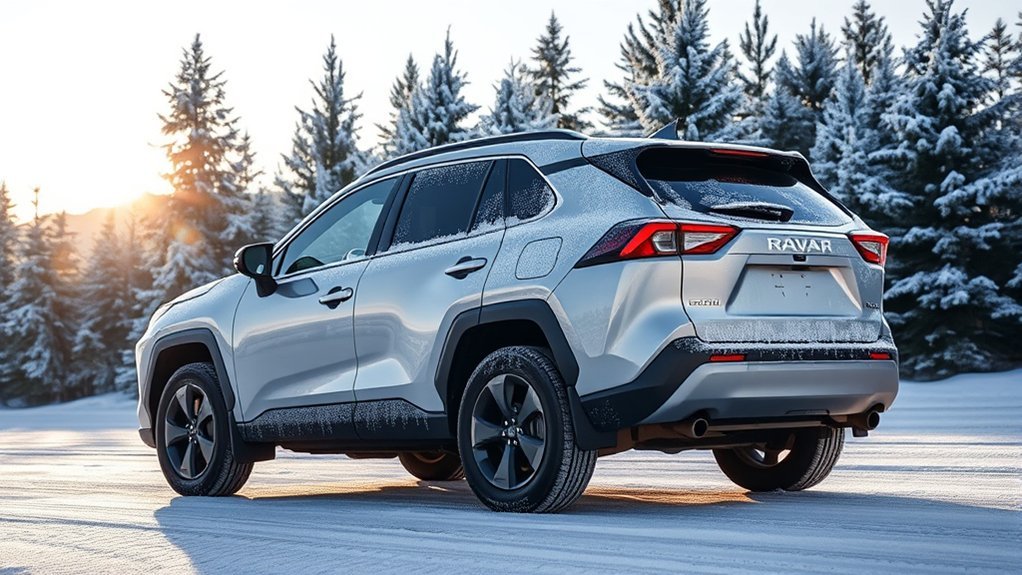
Cold weather considerably affects your RAV4 Hybrid’s performance and fuel efficiency. At temperatures around -30° C, the battery’s range drops, leading to increased gasoline engine use and fuel consumption that can exceed 15 L/100 km. The hybrid system prioritizes battery longevity and component protection, which can limit responsiveness. Additionally, under-inflated tires further impact efficiency. Adopting gentle driving habits and maintaining proper tire pressure can enhance your vehicle’s performance this winter. Discover more key strategies to maximize your RAV4’s efficiency.
How Cold Weather Affects RAV4 Hybrid Performance
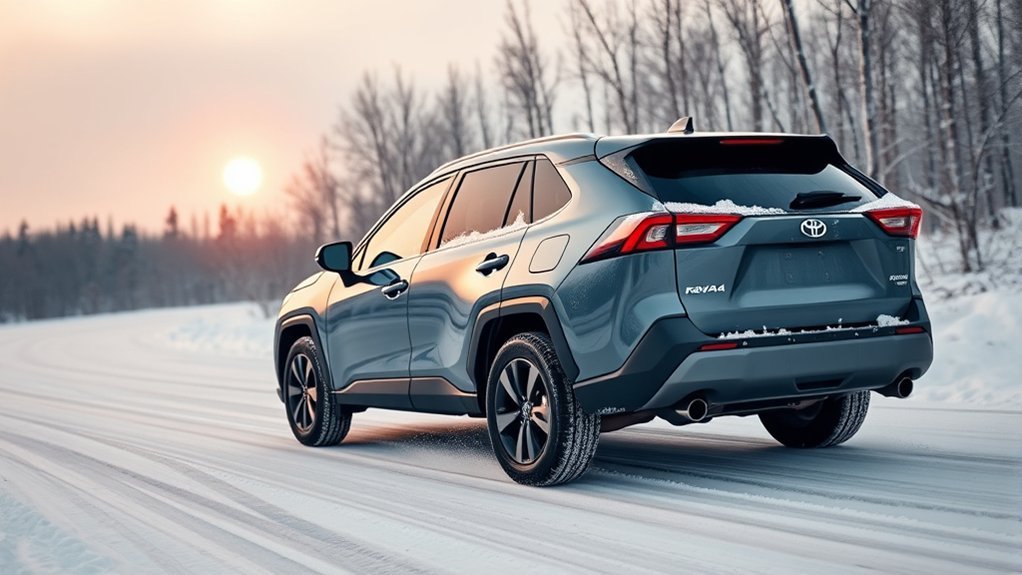
When temperatures plummet to around -30° C, you might notice that your RAV4 Hybrid doesn’t perform quite like it does in milder weather. Cold weather greatly impacts battery performance, limiting your electric vehicle (EV) driving range. The hybrid system adapts conservatively, prioritizing battery longevity by increasing reliance on the gasoline engine. As a result, fuel consumption can soar from about 9.9 L/100 km under ideal conditions to over 15 L/100 km in winter driving.
Additionally, it’s common to see tire pressure warnings, as low temperatures can temporarily deflate your tires. A brief warm-up period before you hit the road can help enhance efficiency, as fuel consumption typically spikes during cold starts. Understanding these effects can empower you to navigate winter driving more effectively and keep your RAV4 Hybrid operating smoothly, even in the harshest conditions.
Why Does Fuel Efficiency Drop in Winter?
Fuel efficiency drops in winter primarily because the cold can greatly hinder the performance of your RAV4 Hybrid’s battery and overall system. Here’s why:
- Cold Starts: Your engine needs to warm up, which means the gasoline engine activates immediately, consuming more fuel to compensate for low temperatures.
- Hybrid System Adjustments: In cold weather, the hybrid system conservatively adjusts to protect components, leading to a reduced reliance on the electric motor. This shift decreases overall efficiency.
- Chemical Reactions: At frigid temperatures around -30° C, the chemical reactions within the hybrid powertrain slow down, further increasing dependence on the gasoline engine.
These factors, combined with potential aggressive driving behavior, can cause average fuel consumption to rise considerably, making it essential to adapt your driving habits in winter to maintain efficiency.
Gasoline Engine Activation in Cold Weather
As temperatures plummet, the RAV4 Hybrid‘s gasoline engine kicks in immediately to compensate for the diminished efficiency of its electric components. In extremely cold conditions, like -30° C, your hybrid system prioritizes engine warm-up over immediate fuel efficiency. The slow chemical reactions in the battery notably reduce your electric driving range, pushing the gasoline engine to take the lead during a hybrid shift.
You might notice fuel consumption spikes, often exceeding 15 L/100 km, until the engine reaches ideal operating temperatures. This conservative adjustment in performance protects crucial components, guaranteeing a smoother ride while managing the challenges posed by the cold. Though you may feel a dip in efficiency, the quick activation of the gasoline engine assures you still have the power you need, proving that even in frigid weather, your RAV4 Hybrid remains a reliable companion.
Prioritizing Battery Longevity in Low Temperatures
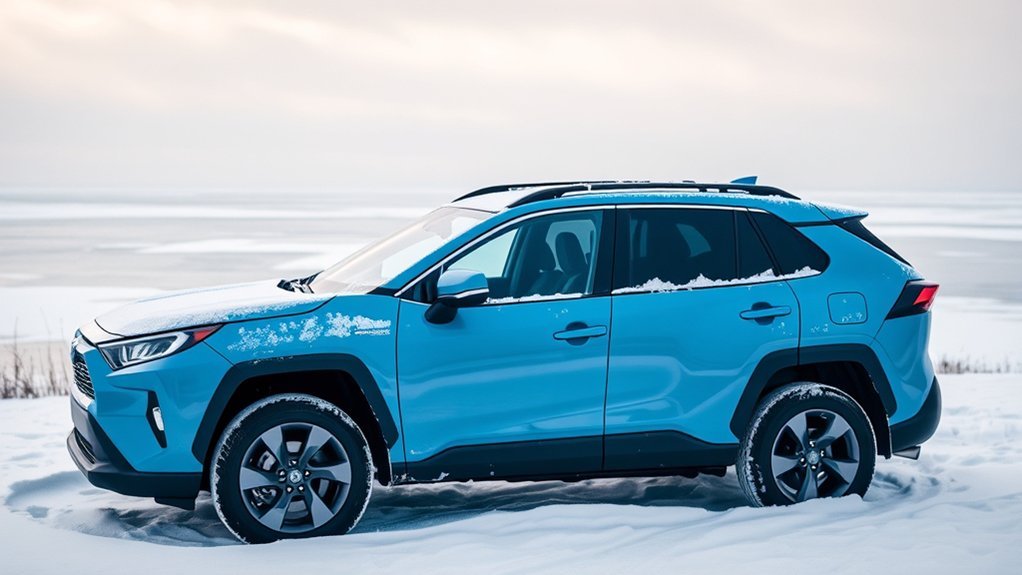
When temperatures plummet, your RAV4 Hybrid shifts its strategy to prioritize battery longevity, which can impact overall performance efficiency. You’ll notice that the vehicle relies more on the gasoline engine to maintain battery health, even if it means increased fuel consumption. Understanding these battery management strategies helps you make informed decisions for better winter driving and long-term vehicle performance.
Battery Temperature Management Strategies
To guarantee your RAV4 Hybrid performs at its best in frigid conditions, it’s essential to understand its battery temperature management strategies. When temperatures drop, the hybrid system employs several methods to protect your battery and enhance longevity:
- Battery Insulation: Insulated components help maintain optimal operating temperatures, even in extreme cold.
- Thermal Barriers: These barriers minimize heat loss, ensuring the battery remains within the ideal range of around 25° C.
- Cold Start Management: The system relies more on the gasoline engine during cold starts, reducing stress on the battery until it warms up.
Impact on Performance Efficiency
While traversing cold weather, you might notice that your RAV4 Hybrid’s performance efficiency shifts, prioritizing battery longevity over immediate fuel savings. In frigid conditions, the hybrid system conservatively adjusts, leaning more on the gasoline engine to maintain peak battery performance. As temperatures drop, the engine warm-up phase can lead to heightened fuel consumption, sometimes exceeding 15 L/100 km. This is a stark contrast to the ideal 9.9 L/100 km you’d expect in milder conditions. At -30° C, chemical reactions slow, limiting electric driving range and pushing you to rely on gasoline power. Understanding these nuances is key to enhancing your driving experience and managing fuel efficiency during winter journeys.
Long-Term Battery Health Considerations
As temperatures plunge, understanding how your RAV4 Hybrid manages battery health becomes essential. The hybrid system prioritizes battery longevity in cold weather, ensuring you don’t sacrifice long-term performance for short-term efficiency. Here are some key considerations for battery care and hybrid maintenance:
- Monitor Temperatures: Recognize that extreme cold (-30° C) can slow chemical reactions, impacting performance.
- Warm-Up Period: Allow your vehicle to warm up before driving to optimize battery health.
- Regular Inspections: Schedule inspections to address potential issues and keep the battery in top shape.
Checking Tire Pressure: A Winter Essential
Checking your tire pressure regularly during winter months is vital, especially since cold weather can lead to significant drops. For every 10° C decrease, you might lose about 1 PSI. This drop can impact your vehicle’s handling and fuel efficiency, making tire maintenance important. Under-inflated tires not only increase fuel consumption but also wear down faster, compromising your safety on icy roads.
Using a reliable pressure gauge, check your tires at least once a month and before long trips. During extreme cold, these fluctuations can happen rapidly, so it’s wise to keep an eye on your pressure. Don’t forget to allow your tires a proper warm-up period before driving; this helps guarantee their integrity. Taking these simple steps can enhance your driving experience, liberating you from the worries of unexpected flat tires and unsafe conditions. Stay proactive for a safer winter journey!
Effective Strategies for Enhancing Fuel Efficiency in Winter
To boost your RAV4 Hybrid’s fuel efficiency this winter, start by ensuring your tire pressure is ideal, as cold weather can cause a drop. Then, practice gentle acceleration techniques to avoid unnecessary fuel consumption. These simple adjustments can make a significant difference in your overall driving experience and efficiency.
Optimize Tire Pressure
When winter sets in, maintaining ideal tire pressure becomes essential for maximizing fuel efficiency in your RAV4 Hybrid. Cold weather can considerably lower tire pressure, so regular checks are vital. Each 1 psi drop can reduce your fuel efficiency by about 0.4%. Here are some effective strategies:
- Check Regularly: Inspect tire pressure at least once a week, especially during extreme cold.
- Use Proper Inflation Techniques: Inflate tires to the manufacturer’s recommended levels for best contact and traction.
- Monitor Temperature Changes: For every 5° C drop, expect about a 1 psi decrease in pressure.
Gentle Acceleration Techniques
Maintaining proper tire pressure sets the foundation for ideal fuel efficiency, but how you accelerate plays a significant role as well, especially in winter conditions. Gentle acceleration techniques can drastically reduce fuel consumption, which can spike over 15 L/100 km during cold starts. By easing into the throttle, you minimize reliance on the gasoline engine, allowing the hybrid system to warm up efficiently.
| Technique | Benefits | Tips |
|---|---|---|
| Smooth Driving | Reduces engine load | Maintain steady speed |
| Gradual Acceleration | Lowers fuel demand | Ease off the pedal gently |
| Monitor Consumption | Encourages efficient habits | Check real-time metrics |
| Consistent Speed | Enhances hybrid system efficiency | Avoid abrupt speed changes |
Adopting these strategies will enhance your winter fuel efficiency.
Driving Style and Its Impact on Fuel Consumption
While many drivers might not realize it, your driving style greatly affects fuel consumption, especially in cold weather. Aggressive acceleration techniques can push fuel consumption over 15 L/100 km, as the gasoline engine kicks in more frequently when the hybrid system struggles to warm up. To enhance your fuel efficiency, consider these key strategies:
- Warm Up: Allow your RAV4 Hybrid a few minutes to reach ideal temperatures before hitting the road.
- Gentle Starts: Use light acceleration to minimize fuel consumption during cold starts, where consumption can soar above 16.3 L/100 km.
- Monitor Fuel Economy: Keep an eye on real-time fuel monitoring to adjust your driving habits as needed, ensuring you stay efficient.
Essential Maintenance Tips for RAV4 Hybrid Owners in Winter
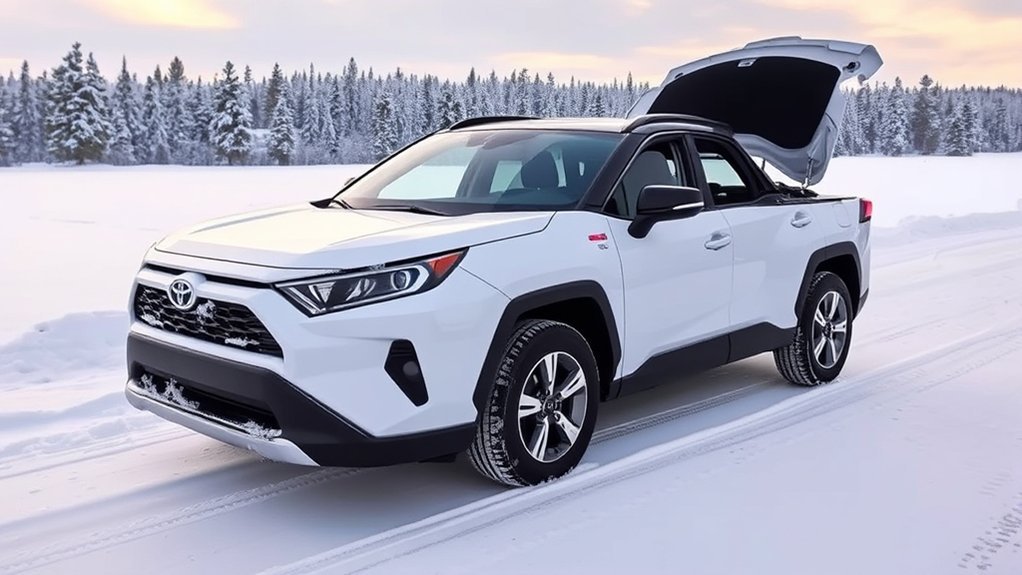
As temperatures drop, ensuring your RAV4 Hybrid’s performance remains ideal requires proactive maintenance. Start by checking your tire pressure regularly; cold weather can greatly reduce it, affecting both safety and fuel efficiency. Don’t forget about tire rotation, as even wear will enhance traction on slippery roads.
Next, schedule a coolant check to prevent engine overheating during those chilly starts. Allow your vehicle a few minutes to warm up before driving; this not only optimizes engine performance but also improves fuel economy. Monitor your fuel consumption closely during these cold starts, as it can spike above 15 L/100 km until the engine warms up.
Finally, adopt mindful driving habits. Aggressive driving can worsen fuel consumption in hybrids, particularly when temperatures drop. By following these essential tips, you’ll maintain your RAV4 Hybrid’s efficiency and reliability throughout the winter months.
Preparing Your RAV4 Hybrid for Cold Weather Conditions
Preparing your RAV4 Hybrid for cold weather conditions is essential for ensuring reliable performance and efficiency. By following a few key cold weather tips, you can enhance your hybrid readiness during winter months:
- Warm Up Your Vehicle: Allow your RAV4 Hybrid to idle for a few minutes before driving. This helps achieve an efficient operating temperature, improving performance and fuel economy.
- Check Tire Pressure: Regularly monitor your tire pressure, as cold weather can cause it to drop. Maintaining proper pressure prevents potential warnings and enhances fuel efficiency.
- Drive Smoothly: Be mindful of your driving style in cold conditions. Aggressive driving can worsen fuel consumption, especially before your vehicle reaches ideal temperature.
Frequently Asked Questions
Why Is My Toyota Hybrid Not Starting in Cold Weather?
Your Toyota hybrid’s struggling to start in cold weather due to reduced battery performance and engine efficiency. Low temperatures hinder chemical reactions, forcing the engine to work harder, which impacts overall vehicle performance.
What Is the Cold Weather Package on a Toyota RAV4?
The Cold Weather Package on a Toyota RAV4 enhances your winter driving experience with heated seats, a heated steering wheel, and features that improve battery performance, ensuring your vehicle starts smoothly even in frigid conditions.
How to Drive a Hybrid in Winter?
To drive a hybrid in winter, you’ll need to master tire traction and battery performance. Warm up your vehicle, maintain tire pressure, and adopt a smooth driving style to conquer the cold and enhance efficiency.
Conclusion
In cold weather, your RAV4 Hybrid’s performance can take a hit, particularly in fuel efficiency. You might think it’s just the winter chill, but it’s actually a combination of factors like battery performance and gasoline engine activation. By understanding these dynamics and implementing effective strategies, you can counteract the winter effects. So, don’t accept decreased efficiency as a given; instead, prepare your vehicle and adjust your driving habits to keep your RAV4 running smoothly all season long.