Maintaining your RAV4’s brake fluid is crucial for safe driving. Moisture lowers its boiling point, risking brake fade and internal corrosion. You should look for signs like a spongy pedal, dark fluid, or increased braking effort, indicating it’s time for a flush. Testing moisture levels regularly can help guarantee peak performance. Remember, the smoother your brake system operates, the safer you are on the road. There’s plenty more to learn about keeping your brakes in top shape.
What Is Brake Fluid and Why Is It Important?
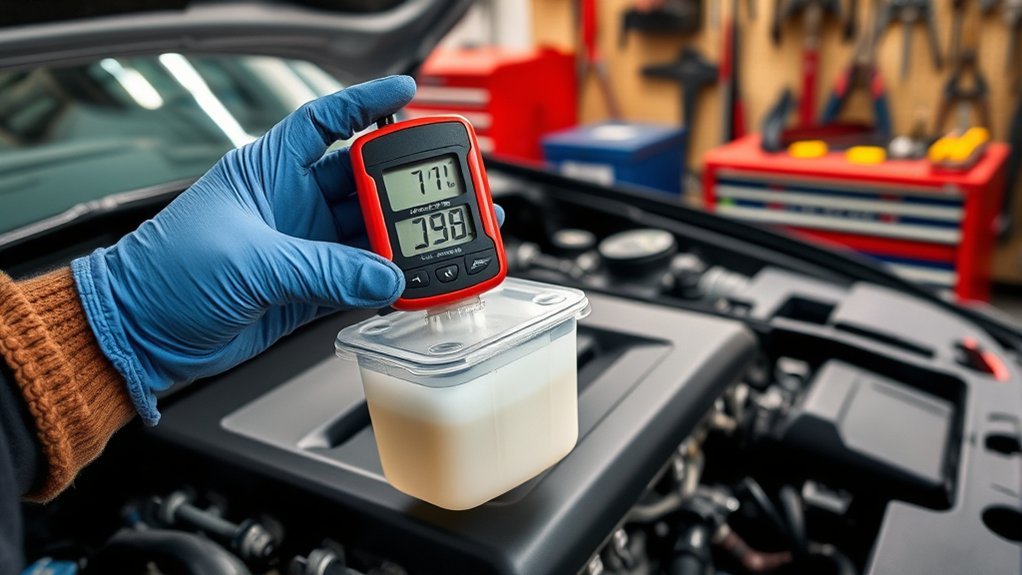
Brake fluid plays an essential role in your vehicle’s braking system. It’s a hydraulic fluid that transfers force from the brake pedal to the brakes, enabling you to stop efficiently. There are various brake fluid types, each with distinct properties, but all are hygroscopic, meaning they absorb moisture over time. This can lower the boiling point and compromise your braking performance.
Regular brake system maintenance is vital; changing your brake fluid every two years or 20,000 miles helps maintain peak braking efficiency. If the fluid becomes contaminated, it can lead to reduced stopping power and even brake system failure, jeopardizing your safety. You can assess the condition of your brake fluid by its color—clean fluid should be clear with a yellowish tint. Dark fluid indicates contamination, signaling a need for a flush. Prioritizing this maintenance keeps your braking system robust and responsive.
Why Moisture Harms Your Brake Fluid Performance
Moisture in your brake fluid greatly impacts its performance by lowering the boiling point, which can lead to brake fade during emergencies. It also increases the risk of internal corrosion in braking components, ultimately resulting in costly repairs. Regular flushing is essential to prevent these issues and maintain peak braking efficiency.
Moisture Absorption Impact
When you consider the performance of your braking system, it’s important to recognize that brake fluid’s hygroscopic nature means it readily absorbs moisture from the air. Common moisture sources include humidity and temperature fluctuations, which can greatly reduce the boiling point of various brake fluid types. Even small amounts of water can create vapor bubbles during braking, leading to brake fade and longer stopping distances. This diminished performance not only affects safety but can also increase wear on brake system components, resulting in costly repairs. Regular inspections are vital; dark or cloudy fluid often indicates high moisture content. Flushing your brake fluid every 2 years or 20,000 miles helps remove these contaminants, ensuring peak braking efficiency.
2. Corrosion Risks Increase
As brake fluid absorbs moisture over time, the risk of corrosion within your braking system greatly increases. This moisture, being hygroscopic, not only lowers the boiling point of the fluid but also fosters internal corrosion of crucial components. When corrosion occurs, it markedly reduces the lifespan of parts and compromises the integrity of the entire system. Contaminated brake fluid can lead to sludge and debris accumulation, further impairing braking efficiency. To mitigate these risks, effective corrosion prevention is essential. Regular maintenance strategies, such as brake fluid flushing, are necessary to remove moisture and contaminants, ensuring top performance. Prioritizing these practices will enhance your braking system’s reliability and safety on the road.
3. Boiling Point Reduction
Corrosion isn’t the only concern when moisture infiltrates your brake fluid; it also greatly impacts the fluid’s boiling point. Moisture absorption occurs over time because most brake fluid types are hygroscopic, meaning they attract water from the air. This contamination can reduce the boiling point from around 400°F for new fluid to as low as 280°F when compromised. When brake fluid boils, vapor bubbles form in the hydraulic system, leading to a spongy brake pedal feel and diminished stopping power. Understanding these moisture effects is essential for maintaining performance. Regularly flushing and replacing your brake fluid guarantees ideal boiling points, safeguarding your braking system’s reliability and enhancing your overall driving safety. Don’t underestimate the importance of moisture management.
Signs Your RAV4 Needs a Brake Fluid Flush?
If you notice a spongy brake pedal feel, it’s a clear indication that your RAV4 may need a brake fluid flush. Additionally, dark or cloudy brake fluid suggests contamination that could compromise your braking system. Addressing these signs promptly helps maintain peak braking performance and safety.
Spongy Brake Pedal Feel
Experiencing a spongy brake pedal feel in your RAV4 often signals moisture contamination in the brake fluid. This can lower the fluid’s boiling point, compromising your braking effectiveness. Here are some key indicators to contemplate:
- Soft Pedal: If your brake pedal feels unusually soft or requires more effort to engage, it’s a sign of potential fluid issues.
- High Temperature Performance: Spongy pedals are particularly concerning during high-temperature conditions, as moisture can lead to brake failure.
- Fluid Replacement Intervals: Regular brake fluid inspections every 2-3 years or 20,000 miles are essential for ideal brake pedal diagnostics.
If you notice these symptoms, it’s time for a brake fluid flush to restore performance and guarantee safety.
Dark Fluid Color Indication
A dark brake fluid color is a clear sign that your RAV4 needs a brake fluid flush. This darkening typically indicates contamination, often due to moisture accumulation, which can greatly lower the boiling point of the fluid. Ignoring these brake fluid indicators can lead to internal corrosion of brake components, risking safety and escalating repair costs. Ideally, brake fluid should be mostly clear with a yellowish tint; a notable darkening signals it’s time for a flush. Regular inspections every 2-3 years or 20,000 miles are essential to maintain braking efficiency. Don’t overlook the impact of dark fluid causes—your safety depends on responsive brakes, especially during high-stress situations like hard braking.
When to Change Brake Fluid in Your RAV4
How often should you change the brake fluid in your RAV4? Toyota recommends changing the brake fluid every two years or 20,000 miles to guarantee peak braking performance. Here’s what to keep in mind:
- Regular Inspections: Check your brake fluid often. Dark fluid indicates contamination, which can affect braking efficiency.
- Moisture Content: High moisture levels can lead to corrosion, especially in humid climates. Timely changes are essential to prevent performance issues.
- Signs of Trouble: Look for indicators like a spongy brake pedal or warning lights. These can signal low fluid, requiring immediate inspection.
Understanding brake fluid types and maintaining a consistent maintenance frequency will help you keep your RAV4’s braking system in top shape. Don’t overlook these details; staying proactive guarantees your safety on the road.
How to Flush Your Brake Fluid: A Step-by-Step Guide

Flushing your brake fluid is essential for maintaining ideal braking performance in your RAV4. Start by safely lifting the vehicle and removing the wheel to access the brake caliper and fluid reservoir. Use a brake fluid extractor or turkey baster to remove old fluid from the reservoir, then fill it with the appropriate brake fluid type for your vehicle.
Next, connect a brake bleeder kit to the brake caliper, starting with the wheel furthest from the master cylinder. Open the bleeder valve to allow old fluid and air to escape until clean fluid appears. Repeat this process for each brake caliper, ensuring the reservoir remains topped up to prevent air from entering the system.
Finally, conduct a thorough inspection of brake components and take the vehicle for a test drive to confirm improved braking performance. These brake maintenance tips will keep your RAV4 performing at its best.
Busting Myths About Brake Fluid Maintenance
When it comes to brake fluid maintenance, several misconceptions can jeopardize your vehicle’s safety. Regular testing for moisture content is essential; relying solely on visual checks isn’t sufficient. Understanding the importance of timely changes and complete flushes helps prevent costly repairs and guarantees peak braking performance.
Common Misconceptions Explained
Many drivers mistakenly believe that brake fluid maintenance is unnecessary, but understanding the facts is crucial for safe driving. Here are some common brake fluid myths you should know:
- Moisture Absorption: Brake fluid is hygroscopic, meaning it absorbs moisture from the air, which can compromise performance over time.
- Flush Necessity: A flush isn’t just needed when fluid appears dark; even clear fluid can be contaminated and require replacement.
- System Sealing: The brake fluid system isn’t sealed; neglecting maintenance schedules can lead to corrosion and costly repairs.
Don’t let these misconceptions put you at risk. Regular maintenance guarantees your braking system performs effectively and keeps you safe on the road.
Importance of Regular Testing
Regular testing of brake fluid moisture content is essential, as even a small amount of absorbed water can substantially lower the fluid’s boiling point, increasing the risk of brake failure. Glycol-based brake fluid types, such as DOT3 and DOT4, are particularly prone to moisture absorption over time, so you should check them regularly. A brake fluid flush is recommended every 2 years or 20,000 miles to prevent moisture buildup and preserve braking integrity. In humid climates, you may need to increase your testing frequency to adapt to accelerated moisture absorption. Utilizing moisture testing strips or electronic testers can give you precise measurements, empowering you to make informed maintenance decisions and guarantee safe driving conditions.
How ABS Affects Brake Fluid Management
Although you might not think about it often, the Anti-lock Braking System (ABS) considerably influences brake fluid management in your vehicle. Proper brake fluid maintenance is crucial for peak ABS functionality and brake safety. Here are three key points to reflect on:
- Moisture Contamination: Moisture in brake fluid lowers its boiling point, risking vapor lock during heavy braking, which can impair ABS performance.
- Corrosion Risks: Regular flushing of brake fluid prevents corrosion of internal components, safeguarding against costly repairs and ensuring reliability.
- Sensitive System: ABS is designed to be sensitive; contaminated fluid can lead to erratic activation, compromising braking efficiency.
Comparing Brake Flush Costs: Dealer vs. Independent Shops
When considering a brake fluid flush, understanding the cost differences between dealerships and independent shops is essential for informed decision-making. Dealers often charge around $200 for a flush, citing concerns about black fluid potentially damaging your ABS system. In contrast, independent shops typically offer the same service for about $50, making them a more economical choice. The cost of brake fluid types averages around $12 per quart, so regular maintenance can prevent costly repairs down the line.
Choosing an independent shop doesn’t mean you’ll sacrifice quality, provided they use proper equipment. Familiarizing yourself with these price differences and knowing the necessity of a flush can empower you to adhere to your maintenance schedules effectively. In the end, opting for an independent shop can save you money while ensuring your brake system remains in peak condition.
How to Test Your Brake Fluid Moisture at Home
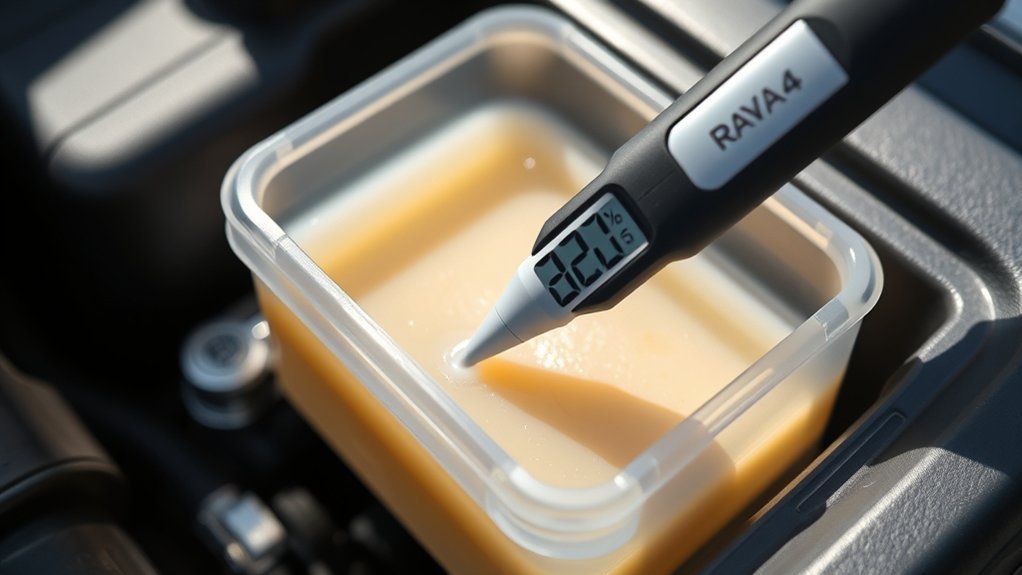
Testing your brake fluid moisture at home is a straightforward process that can greatly enhance your vehicle’s safety. Here’s how to do it effectively:
- Use a Moisture Testing Strip: Acquire a strip designed for brake fluid types. When dipped, it’ll change color based on moisture content. A reading of 3% or higher means it’s time for a flush.
- Visual Inspection: Check the fluid color. Clear or yellowish indicates healthy fluid, while dark fluid suggests contamination and necessitates a replacement.
- DIY Testing: Use a turkey baster to extract a small amount of fluid for testing. Be sure to replace it properly to maintain system integrity.
Regular testing every 2-3 years or 20,000 miles is advisable, especially in humid climates. This guarantees peak brake performance and prevents moisture buildup, keeping your braking system safe and effective.
How to Choose the Right Brake Fluid for Your RAV4
Choosing the right brake fluid for your RAV4 is vital for maintaining ideal braking performance and safety. Refer to your owner’s manual, which typically specifies brake fluid types like DOT3 or DOT4. Opt for a fluid with a high boiling point to prevent vapor lock during intense braking, guaranteeing reliable stopping power.
Look for brake fluid labeled as “hygroscopic,” meaning it absorbs moisture. This property is important for maintaining braking efficiency over time. Always check the expiration date, as brake fluid can degrade, especially in humid environments.
To further secure your brake fluid’s effectiveness, consider using a moisture tester. This device will help you assess the condition of your brake fluid, confirming it remains safe and functional for your RAV4. Choosing the right fluid isn’t just about performance; it’s about your safety and liberation on the road.
Frequently Asked Questions
How Often Should Brake Fluid Be Changed on a Toyota RAV4?
You should change your Toyota RAV4’s brake fluid every two years or 20,000 miles. Regular brake fluid testing can help guarantee peak performance, maintaining safety and efficiency in your braking system through proper maintenance.
What Does Moisture in Brake Fluid Mean?
Imagine your brakes as a lifeline. Moisture in brake fluid means compromised safety, lowering boiling points and efficiency. You’re risking corrosion and costly repairs. Regular checks and maintenance keep your braking system strong and reliable.
Conclusion
In summary, maintaining your RAV4’s brake fluid is essential for safety and performance. For instance, if you neglect to flush contaminated fluid, you might experience brake failure during a sudden stop—like a driver who lost control on a wet road due to moisture-laden fluid. Regularly checking and replacing your brake fluid not only enhances braking efficiency but also extends the lifespan of your braking system. Stay proactive to guarantee your RAV4 remains reliable and safe on the road.