On a Land Cruiser the tire pressure placard is usually on the driver’s door jamb (the edge of the door opening, visible when you open the door). It lists the recommended cold tire pressures for the factory tire size. The exact location and numbers depend on the model year and trim, so confirm against your own vehicle and owner’s manual.
Where to Find It
- Open the driver’s door and look at the door jamb or the edge of the door.
- If it is not there, check the owner’s manual, which also lists tire pressures, or look at the inside of the fuel filler door.
What the Placard Tells You
- The recommended cold inflation pressures for front and rear tires, and sometimes the spare.
- The original tire size and load or speed information.
- The vehicle’s load capacity and seating capacity.
Use these numbers, not the maximum pressure printed on the tire sidewall. The sidewall number is the most the tire can safely hold, not the right pressure for your vehicle. If you have fitted different tires, the placard is still the starting point, and a tire shop can advise on changes.
How to Check Pressure Properly
- Check when the tires are cold, meaning the car has been parked for a few hours or driven only a short distance.
- Use a reliable gauge, and remove the valve cap.
- Add or release air until each tire matches the placard.
- Replace the caps.
Pressure rises when tires warm up and falls when the weather gets colder, so recheck after a big temperature swing. Check at least once a month and before long trips. Heavy loads or towing may call for different pressures, so see the manual.
Do Not Forget the Spare
Check the spare too. It may need a different pressure, which is listed on the placard, in the manual or on the tire.
TPMS Warning Light
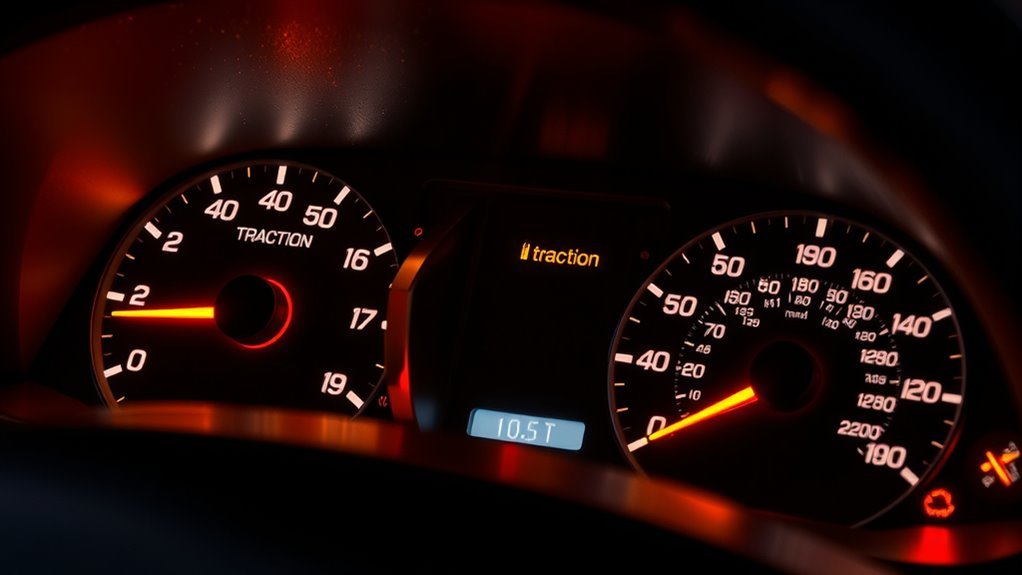
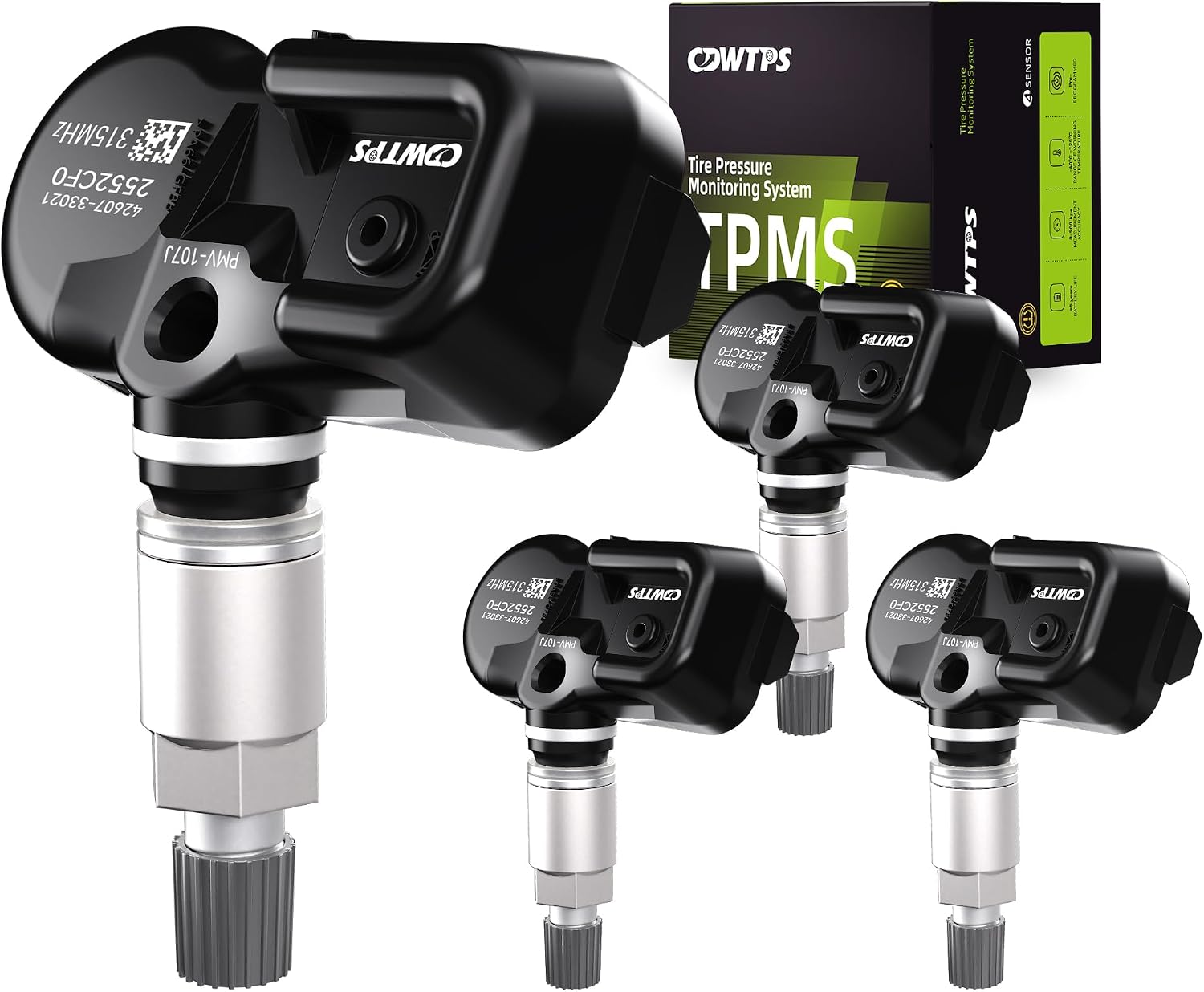
The tire pressure monitoring system (TPMS) lights up when pressure falls well below the recommended level. If it comes on, check all four tires with a gauge and inflate them to the placard pressure. The light usually goes out after driving for a short time. If it stays on, flashes when the car starts, or comes back repeatedly, a sensor may be faulty or a tire may have a slow leak, so have it checked. The TPMS is a warning aid and is not a substitute for checking with a gauge. Procedures to reset or register sensors differ by model, so follow your manual.
Common Mistakes
- Using the sidewall maximum instead of the placard.
- Checking hot tires and then adjusting to the cold figure.
- Ignoring the spare.
- Trusting the TPMS alone.
Frequently Asked Questions
Can tire pressure change with the weather?
Yes. Pressure drops in cold weather and rises in heat, so check it after big temperature changes.
What tools do I need?
A tire pressure gauge and a way to add air, such as a portable inflator or a compressor at a service station.
How often should I check tire pressure?
At least once a month and before long trips.
Is the placard in the same place on all Land Cruiser models?
Usually the driver’s door jamb, but check your own vehicle, because placement can vary with the model and market.
What if the placard is missing?
Check the owner’s manual, or ask a dealer to confirm the correct pressures for your exact model and tire size.
Conclusion
Find the placard on the driver’s door jamb, use its cold-tire pressures, check monthly with a gauge, and treat the TPMS light as a prompt to check, not as the measure. Correct pressure helps with handling, tire life and fuel economy.