
If your Sonata’s check engine light is on, it could be due to a loose gas cap, faulty oxygen sensor, or a failing catalytic converter. Using an OBD-II scanner can help identify the specific issue through trouble codes. Ignoring this warning can lead to more serious problems and costly repairs. Following the maintenance schedule in your owner’s manual helps avoid some of these warnings. Learn about detailed causes and fixes to keep your vehicle running smoothly.
Identifying Common Causes of the Check Engine Light

When your Sonata’s check engine light illuminates, it’s crucial to identify the underlying issue promptly. A loose gas cap can trigger this light by letting fuel vapors escape, which the evaporative emissions system detects. It’s a quick fix, so don’t overlook it. Conversely, failing catalytic converters can greatly affect emissions and fuel economy, leading to costly repairs if ignored. Fouled spark plugs or wires may cause engine misfires, resulting in noticeable declines in performance and potential damage. A faulty oxygen sensor disrupts the air-fuel mixture, harming engine performance and increasing emissions—it should be diagnosed soon. Additionally, malfunctions in the mass air flow sensor can lead to misfires and considerably reduced fuel efficiency, necessitating diagnostic checks. Addressing these issues early helps protect your engine and emissions system.
How to Diagnose Your Check Engine Light Issue
Diagnosing the issues behind your Sonata’s check engine light can save you time and money. Start by using an OBD-II scanner, an essential diagnostic tool that retrieves trouble codes pinpointing specific malfunctions. Many auto parts stores, like Autozone or O’Reilly’s, often offer free code reading, which gives you a starting point. Pay close attention to your check engine light’s behavior; a constant light signals the need for prompt service, while a blinking light indicates a serious issue that requires immediate attention. Common problems, such as a loose gas cap or faulty oxygen sensor, can be easily identified through these scans, helping you prevent minor issues from escalating into costly repairs.
Decoding OBD-II Trouble Codes for Your Hyundai
Understanding OBD-II trouble codes is essential for effectively addressing issues with your Hyundai’s engine and emissions systems. These standardized codes, consisting of a letter and four digits, help pinpoint specific problems when your check engine light activates. For instance, a code starting with “P” indicates powertrain issues, while “P0301” signifies a cylinder 1 misfire.
Using an OBD-II scanner, you can perform OBD II interpretation to read these codes directly from your vehicle’s computer. This process provides valuable insights into potential malfunctions. Recognizing the code significance allows you to prioritize repairs; some problems may need immediate attention, while others can wait. Regularly scanning for trouble codes not only keeps you informed but also helps catch minor issues before they escalate into costly repairs. Taking this proactive approach can empower you to maintain your Hyundai effectively and avoid unexpected breakdowns.
What to Do When Your Check Engine Light Activates?
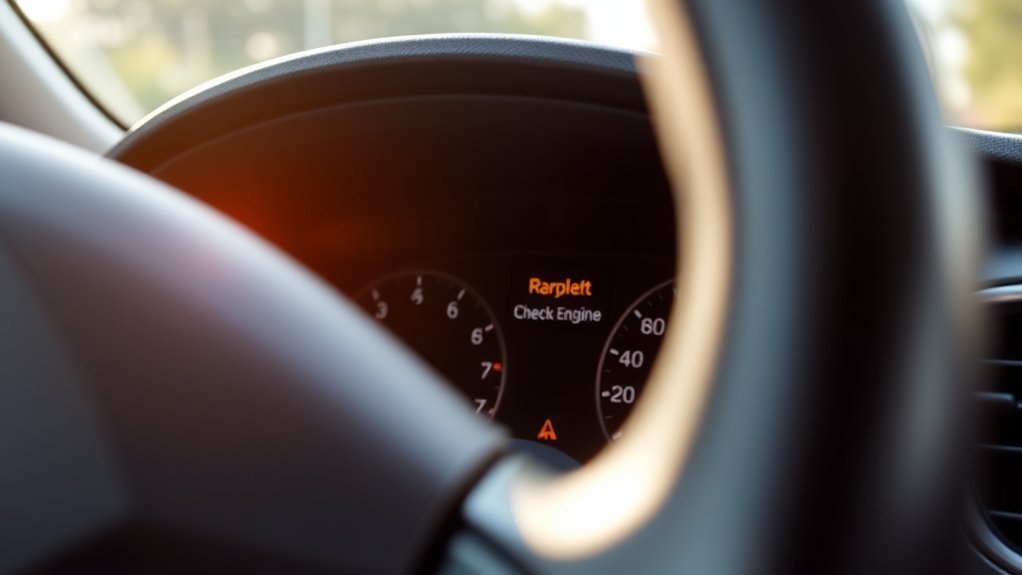
As the check engine light illuminates on your Hyundai Sonata, it’s crucial to take immediate action. Start with light behavior analysis: if the light is constant, seek professional service without delay, as this could indicate serious issues. For an intermittent light, monitor your vehicle’s performance closely; schedule a service appointment if you notice any changes in driving behavior. A blinking check engine light signals a major problem—avoid hard acceleration and heavy loads, and have the car checked right away; if it runs roughly, have it towed.
Using an OBD-II scanner can help identify diagnostic trouble codes that pinpoint the issue. Early diagnosis and prompt attention to these problems can save you from expensive repairs, as unresolved issues can escalate quickly. Remember, addressing concerns early is key to maintaining your Sonata’s performance and longevity. Don’t ignore the light.
Repair Costs for Common Issues
Repair costs vary widely by model year, location and shop, so get a written estimate after the codes are read. Some causes, such as a loose gas cap, cost very little, while others, such as a failing catalytic converter, can be expensive.
Risks of Ignoring Your Check Engine Light
Ignoring your check engine light can lead to significant financial repercussions, as unresolved issues may escalate into costly repairs. Minor problems, like a loose gas cap, can snowball into serious engine or emissions issues if not addressed promptly. Delaying repairs not only raises costs but also risks engine performance and safety concerns.
Here are some key risks to evaluate:
- Increased repair costs due to additional damage to components like the catalytic converter.
- Potential for engine failure, leaving you stranded and facing higher towing fees.
- Decline in fuel efficiency, resulting in higher gas expenses.
- Safety hazards, since some faults can cause stalling or loss of power.
Understanding the severity of trouble codes helps prioritize repairs, ensuring you tackle moderate issues before they escalate into severe problems.
Preventing Future Warnings Through Regular Maintenance
To prevent future check engine light warnings, it’s essential to perform routine inspections and servicing. Regularly changing fluids and addressing any wear in engine components can keep your Sonata running smoothly. Staying proactive with maintenance not only enhances performance but also minimizes the risk of triggering warning lights.
Routine Inspections and Servicing
Regular inspections and servicing of your Sonata can greatly reduce the likelihood of the check engine light activating unexpectedly. By adhering to a consistent maintenance checklist, you’ll enhance engine performance and avoid costly repairs. Here are some key steps to contemplate:
- Check the gas cap for a secure fit to prevent minor issues.
- Replace spark plugs and oxygen sensors as scheduled to maintain efficiency.
- Utilize diagnostic tools during routine checks for early detection of OBD-II trouble codes.
- Identify potential problems early, before they turn into bigger repairs.
Incorporating these practices into your routine can improve overall vehicle reliability and safety, ensuring your Sonata runs smoothly while minimizing the risk of unexpected warning lights.
Timely Fluid Changes
Timely fluid service helps your Sonata run well and can avoid some warning lights. Follow the maintenance schedule in your owner’s manual for engine oil, transmission fluid, coolant, brake fluid and power steering fluid; the intervals depend on the model year, engine and whether you drive under severe conditions. Keep service records so you can show that the schedule was followed.
Frequently Asked Questions
What Causes the Check Engine Light to Come on in a Hyundai Sonata?
The check engine light in your Hyundai Sonata can illuminate due to a loose gas cap, a faulty ignition system, engine misfires, or issues with the oxygen sensor affecting performance and emissions.
What’s the Most Common Reason for a Check Engine Light to Come On?
Common reasons include a loose gas cap, a failing oxygen sensor, ignition problems such as worn spark plugs or coils, and a failing catalytic converter. A code scan shows which applies to your car.
Conclusion
In summary, when your Sonata’s check engine light comes on, it’s crucial to address it promptly. Ignoring the warning can lead to more significant issues down the road. By diagnosing the problem and understanding OBD-II codes, you can tackle repairs efficiently. Remember, an ounce of prevention is worth a pound of cure; regular maintenance can help you avoid future warnings and keep your vehicle running smoothly.