
To reset the TPMS light in your Toyota Camry, start by turning on the ignition without starting the engine. Verify your tires are at the recommended pressure of 34 PSI. Locate the TPMS reset button in the glove compartment, press and hold it for five seconds until the light blinks three times. If the light stays on, check tire pressure or sensor issues. For further insights on maintaining peak tire performance, keep exploring the topic.
Understanding the Importance of TPMS
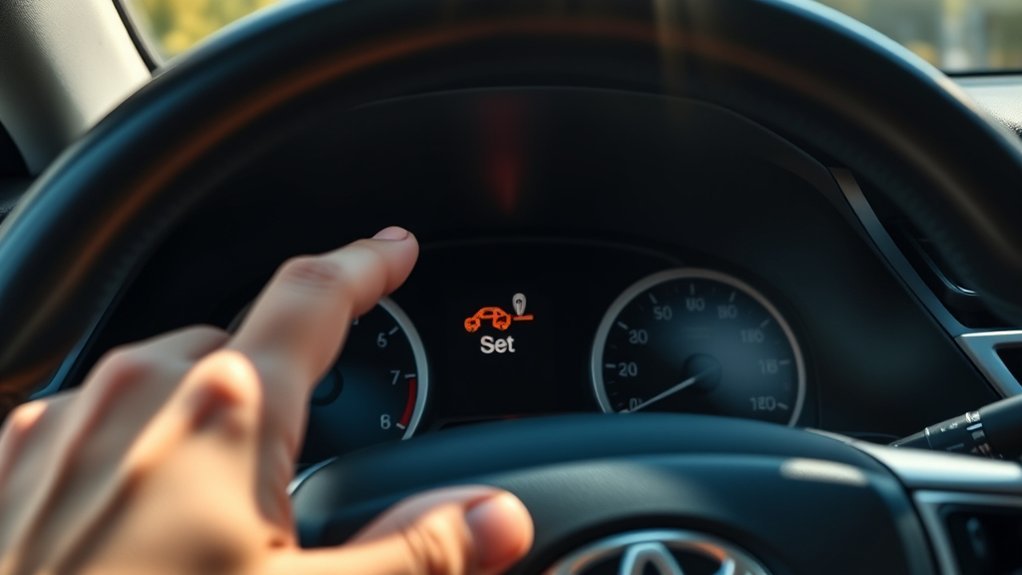
Understanding the importance of the Tire Pressure Monitoring System (TPMS) is essential for any Toyota Camry driver. This system alerts you when tire pressure drops below the recommended level, typically around 34 PSI. Proper tire pressure isn’t just a number; it directly impacts your vehicle’s handling, braking, and overall stability, addressing critical safety concerns.
Maintaining correct tire pressure enhances fuel efficiency, potentially improving mileage by up to 3% or more. Regularly monitoring your tire pressure also prevents premature tire wear, saving you money on replacements and extending tire lifespan.
How to Reset the TPMS Light
To reset the TPMS light in your 2011 Toyota Camry, start by turning on the ignition without starting the engine. Open the glove compartment and locate the TPMS reset button underneath. Press and hold this button for five seconds until the indicator blinks three times, signaling a successful reset.
It’s vital to verify your tire pressure is maintained at the recommended 34 PSI before performing this TPMS reset technique. Proper tire pressure not only enhances vehicle performance but also promotes safety on the road.
If the TPMS warning light remains illuminated after you’ve reset it, this could indicate low tire pressure, uneven wear, or a malfunctioning sensor that requires further inspection. Regular tire pressure maintenance is important for ideal driving conditions, so stay vigilant and address any issues promptly to keep your Camry running smoothly.
Recognizing When Your TPMS Light Is Triggered
After resetting the TPMS light, it’s important to recognize when it triggers again. The TPMS indicators on your Toyota Camry generally illuminate when tire pressure drops below the recommended level of 34 PSI. If the light blinks, it may signal a malfunction in the tire pressure monitoring system, not just low tire pressure. Be attentive to changes in your driving experience; uneven tire wear or significant temperature drops can also activate the warning. Regularly checking tire pressure helps prevent these issues, ensuring your tires are adequately inflated and in good condition. If the TPMS light remains illuminated after correcting tire pressure, a reset may be necessary to clear the warning. Staying vigilant about these indicators empowers you to maintain peak tire performance and safety on the road.
Identifying Common Causes of TPMS Warning Lights

While driving, you might notice the TPMS warning light illuminating for several reasons. Understanding these common causes can empower you to guarantee your safety and vehicle performance.
| Cause | Description |
|---|---|
| Low Tire Pressure | Check tire pressure regularly with a gauge. |
| Uneven Tire Wear | Indicates potential alignment or inflation issues. |
| Tire Rotation/Replacement | Requires a TPMS reset to recalibrate sensors. |
| Temperature Changes | Fluctuations can affect tire pressure readings. |
| Sensor Malfunctions | Dead batteries or damaged sensors may trigger false warnings. |
Addressing these issues is essential for maintaining your vehicle’s health. By conducting proper sensor diagnostics and confirming ideal tire pressure, you enhance not just safety but also enjoy a liberating driving experience. Don’t overlook these factors, as they play a pivotal role in your vehicle’s performance.
Troubleshooting Persistent TPMS Issues
If your TPMS light stays on after a reset, start by checking tire pressure in all tires, including the spare. Inspect the functionality of the TPMS sensors, as malfunctions can cause persistent alerts. Finally, verify if you’ve recently rotated or replaced tires, since these changes require a TPMS reset for accurate readings.
Check Tire Pressure Regularly
Regularly checking your tire pressure is essential for ideal vehicle performance and TPMS functionality. The recommended pressure for all tires on a 2011 Toyota Camry is 34 PSI. Use reliable pressure monitoring tools, like a tire pressure gauge, to guarantee accurate readings for each tire, including the spare. Aim to check tire pressure at least once a month and before long trips. Temperature fluctuations can affect tire pressure, so keep an eye on it during seasonal changes. Proper tire maintenance tips, such as maintaining correct pressure, help prevent uneven tire wear, which could trigger the TPMS warning light. By staying proactive, you can avoid issues and guarantee a smooth driving experience.
Inspect TPMS Sensors Functionality
Inspecting your TPMS sensors is essential for resolving persistent warning light issues. If the light stays on after a reset, follow these steps to guarantee your sensors are functioning properly:
- Check for visible damage or corrosion on the sensors that could hinder performance.
- Use a diagnostic tool to read any error codes linked to sensor malfunctions.
- Verify that the tire pressure monitoring system is properly calibrated, especially after tire rotation or replacement.
- Inspect all tires for proper inflation and abnormal wear, as these can trigger false warnings.
Taking these steps empowers you to maintain your vehicle’s safety and performance, guaranteeing a smoother driving experience. Don’t let faulty sensors hold you back!
Verify Recent Tire Changes
After ensuring your TPMS sensors are functioning correctly, it’s time to verify any recent tire changes that might be affecting the system. First, check the tire compatibility; if you’ve installed aftermarket tires, make sure they’re equipped with compatible sensors. After installation, always adjust the tire pressure to the recommended 34 PSI for your 2011 Toyota Camry, as incorrect pressure can trigger the TPMS light. If the warning light persists, inspect the sensor integrity—damaged sensors during installation could lead to ongoing issues. Remember to follow the TPMS reset procedure after any tire rotation or replacement. Finally, monitor for irregularities in tire performance, as uneven wear or pressure differences may indicate a malfunctioning TPMS sensor.
Benefits of Proper Tire Pressure Maintenance
Maintaining proper tire pressure at the recommended 34 PSI greatly enhances your vehicle’s safety by improving traction and handling. Regularly checking your tire pressure also boosts fuel efficiency, as under-inflated tires increase rolling resistance and fuel consumption. By prioritizing tire pressure maintenance, you guarantee a safer, more economical driving experience.
Enhanced Vehicle Safety
Proper tire pressure is essential for enhancing vehicle safety, as it greatly improves traction and handling across various driving conditions. By ensuring your tires are properly inflated, you’re not just maintaining tire safety but also elevating your driving experience. Here are some crucial benefits:
- Reduces the risk of blowouts and flat tires, preventing roadside emergencies.
- Prevents uneven tire wear, extending the lifespan of your tires.
- Enhances overall driving comfort, providing a smoother ride.
- Improves handling and stability, promoting safer maneuvers.
Regularly checking tire pressure and following maintenance tips can liberate you from the stress of unexpected issues on the road. Embrace the freedom that comes with a well-maintained vehicle and enjoy safer journeys.
Improved Fuel Efficiency
When you keep your tires inflated to the recommended pressure, you can greatly boost your vehicle’s fuel efficiency. Proper tire pressure minimizes rolling resistance, allowing your engine to operate more efficiently. For every 1 PSI drop, you could lose up to 3% in fuel efficiency, costing you around $0.10 per gallon. Regular pressure checks can prevent excessive wear, extending tire life and enhancing fuel savings.
| Tire Pressure (PSI) | Fuel Efficiency (%) | Cost Savings ($/gallon) |
|---|---|---|
| 34 | 100 | 0.00 |
| 33 | 97 | 0.10 |
| 32 | 94 | 0.20 |
Maintaining correct tire pressure not only saves fuel but also guarantees safer handling.
How to Check Tire Pressure
To guarantee your Toyota Camry performs at its best, regularly checking tire pressure is essential. Follow these simple measurement techniques to keep your tires in prime condition:
- Locate the Information: Open the driver’s side door to find the recommended tire pressure on the sticker inside the door jamb.
- Use a Gauge: Grab a tire pressure gauge and measure each tire, ensuring they read the recommended PSI—typically around 34 PSI for most vehicles.
- Inflate as Needed: If any tire’s pressure is below the recommended level, use an air compressor to inflate it to the correct PSI.
- Check the Spare: Don’t forget to check your spare tire; it should also be properly inflated for emergencies.
Regular tire pressure checks enhance safety and vehicle performance, empowering you to drive with confidence. Take charge of your Camry’s well-being!
When to Call in the Pros for TPMS Issues?
While most TPMS issues can be resolved with a simple reset, certain situations require professional attention. If the TPMS warning light stays on after a reset, it likely indicates a malfunctioning sensor that needs expert diagnostics. Unusual tire wear or consistent low tire pressure readings are signs you should consult a tire specialist, as these can hint at alignment or sensor problems.
Frequent fluctuations in tire pressure without visible damage also warrant a professional inspection of the TPMS system. Additionally, if the TPMS light blinks continuously, it signals a deeper issue that requires a qualified technician’s expertise. Not sure how to reset the TPMS or check tire pressure? Seeking professional services guarantees accurate maintenance and safety for your vehicle. Don’t hesitate to call in the pros when in doubt; it’s an essential step toward maintaining your car’s performance and your peace of mind.
Frequently Asked Questions
How Do You Reset the TPMS Sensor on a Toyota?
To reset the TPMS sensor on your Toyota, verify tire pressure is at 34 PSI, then press the TPMS reset button under the glove compartment until the light blinks. Regular maintenance helps prevent sensor issues.
Conclusion
In the intricate dance of your Toyota Camry’s performance, the TPMS light serves as a sentinel, alerting you to hidden pressures beneath the surface. By resetting this warning, you’re not just silencing a light; you’re nurturing the essential bond between your vehicle and the road. Embrace the routine of checking your tire pressure, ensuring every journey is smooth. Remember, a well-maintained tire isn’t just rubber; it’s the foundation of safety and efficiency in your driving experience.