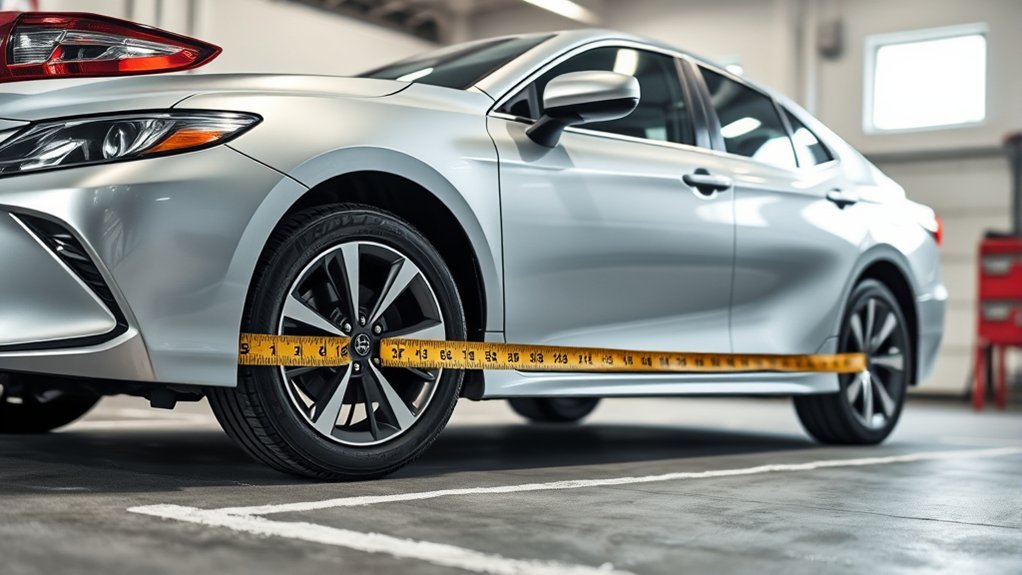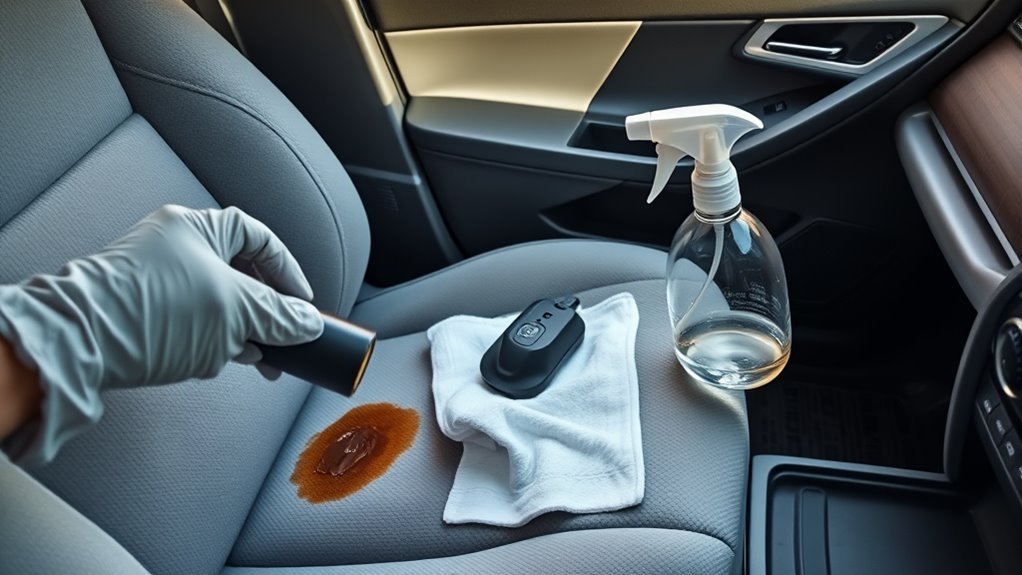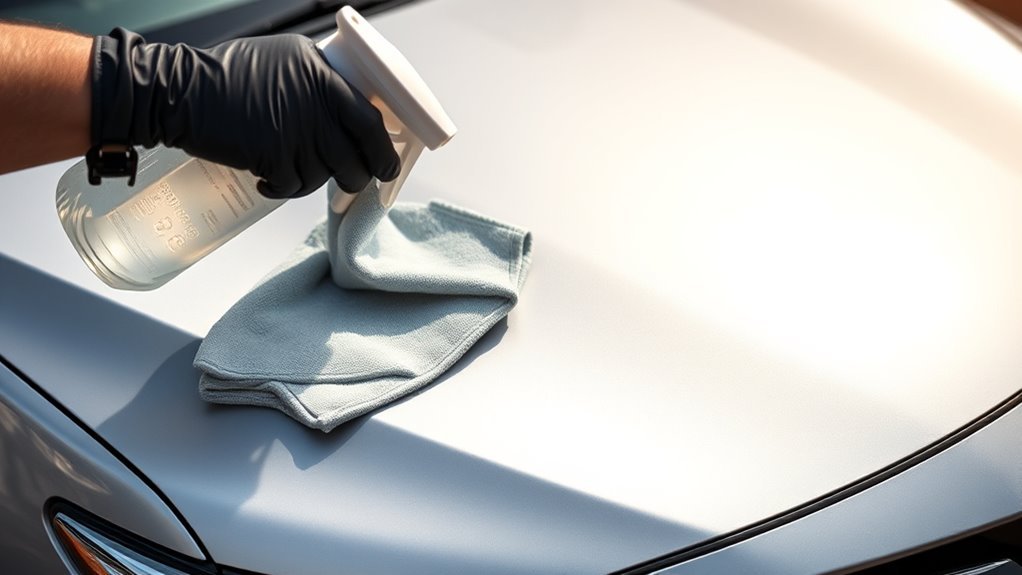
Water spots on a Toyota Camry usually come from mineral-rich water that dries on the paint, glass, or trim before you wipe it away. Fresh spots often lift with a careful wash, quick detailer, or dedicated water-spot remover, while etched marks may need polishing. The safest approach is to start mild, test a small area, and protect the finish after cleaning.
Quick Answer
To remove water spots from a Toyota Camry, wash and dry the car first, then treat light spots with quick detailer or a mild vinegar-and-water wipe on glass only. For paint, use a dedicated automotive water-spot remover, wipe clean, inspect for etching, and finish with wax, sealant, or ceramic protection.
Key Takeaways
- Always wash and dry the Camry before using any remover so grit does not scratch the clear coat.
- Use dedicated automotive products on paint; avoid household cleaners, abrasive pads, and harsh scrubbing.
- Fresh mineral deposits can often be removed by hand, but etched spots may require machine polishing or professional paint correction.
- Drying quickly, parking away from sprinklers, and keeping wax or sealant on the paint are the best ways to prevent spots from returning.
At a Glance
| Time Required | 20–60 minutes for light to moderate spots |
| Difficulty | Easy for fresh spots; moderate for etched paint |
| Tools Needed | pH-balanced car soap, wash mitt, microfiber towels, quick detailer, water-spot remover, optional clay mitt or fine polish |
| Cost | About $15–$50 for DIY supplies; more for professional correction |
Prep the Camry: Wash, Clay-Bar Alternatives, and When to Skip
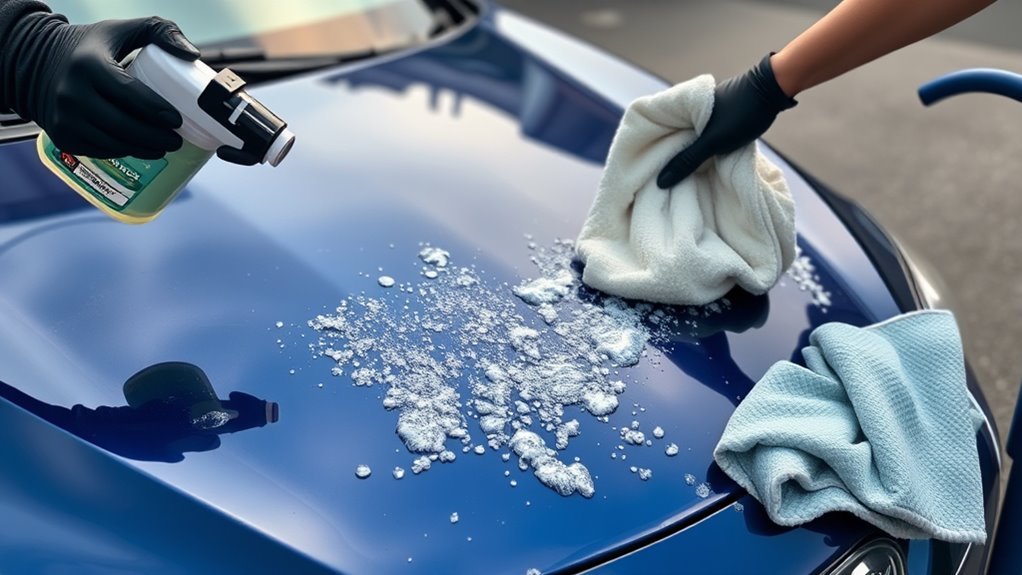
Before treating water spots, wash your Camry with an automotive car-wash soap and plenty of water. Toyota’s owner guidance for the Camry recommends washing from top to bottom, using a sponge or soft cloth, rinsing thoroughly, wiping away water, and waxing when the waterproof coating deteriorates. Toyota’s Camry manual also notes that wax should be applied when water no longer beads on a clean, cool body surface.
Work in the shade on cool panels. Rinse first to float away loose dirt, then use a clean microfiber wash mitt and a two-bucket method if possible. Dry panel by panel with soft microfiber towels so new minerals do not dry on the surface while you are still working.
Warning: Do not use dish soap, bathroom lime remover, magic erasers, scouring pads, or aggressive rubbing compound on Camry paint. These can strip protection, haze the clear coat, or leave scratches that are harder to fix than the original water spots.
After washing, run your clean fingertips inside a thin plastic sandwich bag over the paint. If the panel feels gritty, you may have bonded contaminants as well as water spots. A synthetic clay mitt or clay bar can help remove surface contamination before spot treatment. Use plenty of clay lubricant or quick detailer, move lightly, and stop if the clay drags or marring appears. If the spots are light, rare, and the paint already feels smooth, skip claying and move straight to targeted treatment.
Identify the Type of Water Spot Before You Clean
Water spots are not all the same. Hard water often contains dissolved calcium and magnesium, according to the U.S. Geological Survey. When that water evaporates on your Camry, the minerals stay behind as cloudy rings or dots.
- Fresh mineral spots: White or gray marks that sit on top of the paint or glass. They usually feel slightly rough and often lift with a water-spot remover.
- Bonded spots: Mineral deposits that have had time to cling to the surface. These may need repeated treatment or a clay step before protection.
- Etched spots: Marks that look like dull craters or ghost rings even after the deposit is gone. These are clear-coat defects and usually need polishing.
Note: A fingernail test can help you judge severity, but it is not perfect. If your nail catches, or the mark still looks dull after chemical cleaning, treat it as possible etching and avoid repeated chemical applications.
Quick Fix for Water Spots on Paint, Glass, and Trim: 3-Step Routine
For a fast, safe fix, start with the least aggressive method that matches the surface. Paint, glass, gloss black trim, rubber, and matte trim do not all tolerate the same products.
- Clean the surface first. Spray quick detailer on the affected panel and wipe with a clean microfiber towel. This removes light dust so you do not grind dirt into the finish.
- Apply a dedicated water-spot remover. Put a few small drops on a microfiber applicator and work a small section with light, overlapping passes. Many automotive water-spot removers are designed for glossy paint, glass, chrome, hard plastic, and metal, but always follow the label. For example, Meguiar’s Water Spot Remover says it is safe for clear coat and glossy paint but not for flat, matte, or satin finishes.
- Wipe, inspect, and protect. Remove residue before it dries, mist with detail spray if needed, and inspect under bright light. Repeat once for stubborn deposits, then apply wax, sealant, or ceramic spray after the surface is clean.
On glass, a dedicated automotive glass water-spot remover can be used according to its label. A mild white vinegar-and-distilled-water wipe may help fresh mineral film on exterior glass, but do not use vinegar as a general paint treatment unless the product maker specifically allows it. On textured black trim, test first because some acidic removers can discolor trim.
Pro Tip: Fold towels into quarters and switch to a clean side often. One contaminated towel can drag minerals, dust, or old polish across several panels.
[Products Worth Considering]

This key fob shell is a replacement case and button pad designed to refresh worn or damaged Toyota remote housings. It fits select Camry, Corolla, RAV4, and Highlander models and installs without programming when you transfer your existing electronics and battery. It is a simple way to restore the look and function of your keyless entry remote.

AstroAI’s extra-long windshield cleaner kit makes interior and exterior glass cleaning easier with an extendable handle and 180° rotating head that reaches tight corners without strain. It includes reusable microfiber pads, a spray bottle, and a storage bag for streak-free, lint-free results at home or on the road. Designed for cars, SUVs, RVs, and household windows, it helps deliver clearer visibility with less effort.

These HOMEXCEL microfiber cleaning cloths deliver excellent absorbency and gentle, scratch-free cleaning for cars, homes, and glass surfaces. The soft, lint-free towels help remove dirt, water, and streaks quickly for a polished finish, and they are machine washable for repeated everyday use.
Apply the Heavy-Duty Water Spot Remover Gel: Step-by-Step
A heavy-duty water-spot remover gel is useful when quick detailer does not remove the mineral rings. Use it carefully, because stronger products can stain trim, dry on the surface, or irritate your skin if handled carelessly.
[Products Worth Considering]

Protect your Toyota RAV4 with this custom-fit all-weather car cover designed for year-round outdoor defense. Its six-layer construction combines waterproofing, UV resistance, and a soft inner lining to help shield against rain, snow, dust, bird droppings, and paint scratches. Practical details like a driver-side zipper, windproof straps, mirror pockets, and reflective strips make it convenient and secure in daily use.

This all-weather SUV cover is designed to protect compatible vehicles from rain, snow, dust, UV exposure, and everyday outdoor wear. Its tear-resistant outer shell and soft cotton lining help guard against scratches while maintaining breathability to reduce trapped moisture and condensation. A secure-fit system with elastic edges, buckle straps, and a side zipper improves wind resistance and convenience.

This coolant electric water pump is designed as a replacement for select Toyota vehicles, helping maintain proper engine cooling performance and reliable temperature control. Built to OE specifications, it offers fitment support for compatible Avalon, Camry, and RAV4 models with 2.5L L4 engines. It also includes cross-reference part numbers for easier matching and comes with after-sales support for covered defects.
Prep Surface Thoroughly
Start with a fully washed and dried panel. Spray quick detailer and wipe once more with a clean microfiber towel so the gel contacts the mineral deposit directly. Confirm that the surface is glossy painted clear coat, exterior glass, chrome, or another surface approved by the product label.
- Work in shade on a cool panel.
- Tape off sensitive textured trim if the remover label warns against trim contact.
- Wear nitrile gloves if recommended by the product’s safety directions.
- Test a small hidden area before treating a visible panel.
Apply and Wipe
Place small drops of gel on a microfiber applicator. Work a 1-by-1-foot area with light pressure and tight, overlapping circular or crosshatch passes. Let the product dwell only as long as the label allows, and do not let it dry on the surface.
Wipe residue with a clean microfiber towel. If the surface feels grabby, mist quick detailer on the towel and wipe again. Inspect the panel from different angles. If the spots improve but remain visible, repeat once. If there is no improvement, stop and move to the etched-spot section instead of scrubbing harder.
Fix Etched Spots: DIY Polishing vs. When to Call a Pro
If the mineral deposit is gone but a dull ring remains, the spot may be etched into the clear coat. Chemical removers dissolve or loosen deposits; they do not rebuild clear coat. Etching needs careful polishing to level the surrounding clear coat and restore gloss.
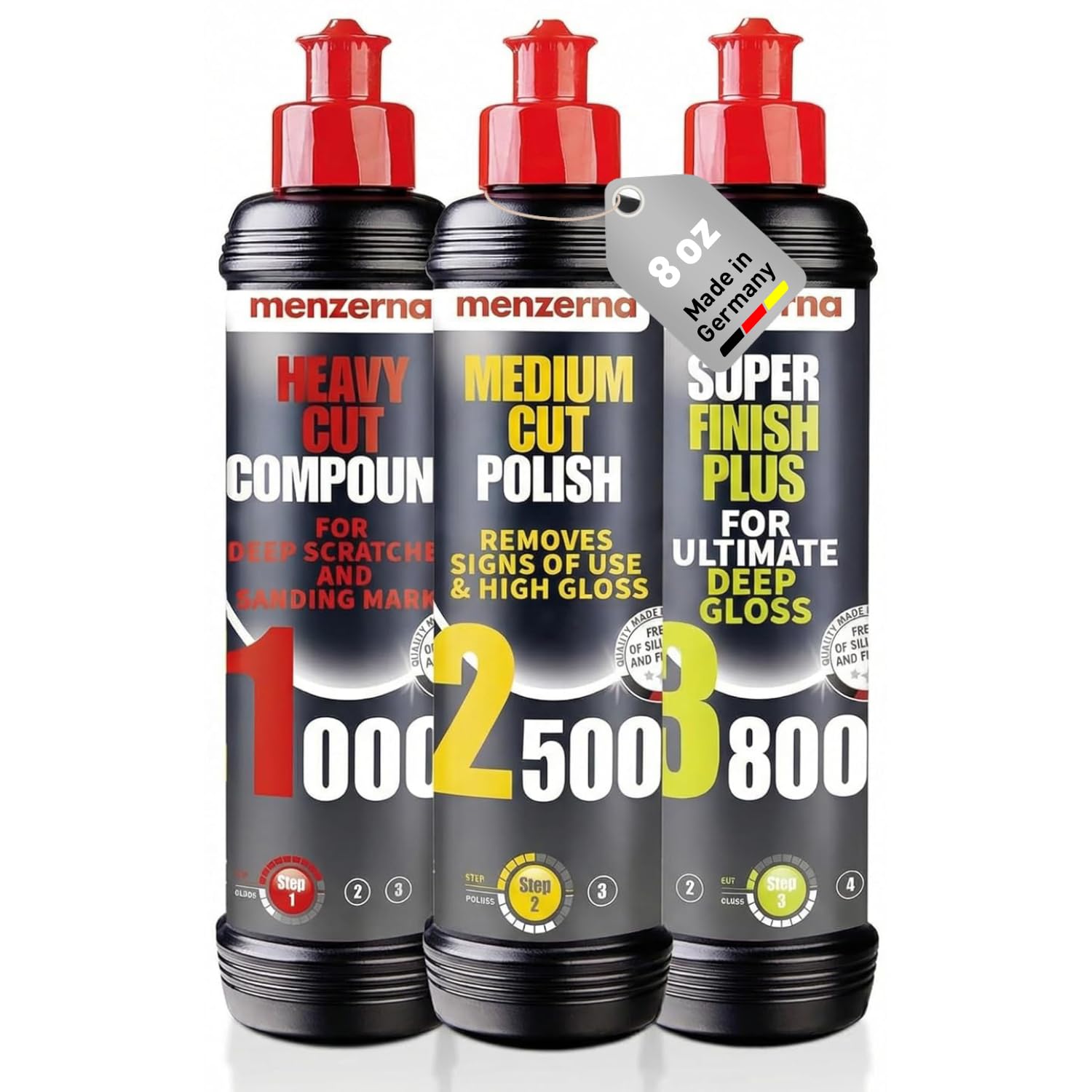
- Try DIY polishing when the mark is shallow, the paint still feels smooth, and you have a fine finishing polish with a soft foam applicator or dual-action polisher.
- Stop and reassess if the area becomes hazy, hot, sticky, or thinner-looking.
- Call a professional detailer when spots cover large areas, the clear coat looks cloudy, or previous polishing has already thinned the paint.
For DIY work, test an inconspicuous area first. Use the mildest polish that improves the mark, keep the pad clean, and work slowly. Deep etching may require machine polishing, paint-thickness judgment, or wet sanding, which is best left to a professional.
The safest rule is simple: remove deposits chemically, remove etching mechanically, and stop whenever the paint stops improving.
[Products Worth Considering]
This EPAuto GP377 engine air filter replacement is designed for select Toyota and Lexus gas models, offering a direct-fit solution that helps maintain engine performance and protection. It meets or exceeds original equipment standards for fit, form, and function while trapping dirt and debris to support cleaner airflow. Compatible with multiple popular vehicles, it provides an easy, tool-free replacement for routine maintenance.

The AOBEN 6-inch dual action polisher is designed to help achieve a smooth, swirl-free finish for car detailing, waxing, polishing, and light sanding. With six variable speed settings and an ergonomic detachable handle, it offers better control, reduced fatigue, and versatile performance for automotive and other surface care tasks. The kit includes multiple foam pads and a wool pad to support different detailing stages and surface types.

This LDHTHOPI buffer polisher delivers strong, consistent performance with a powerful motor and seven variable speed settings for everything from fine polishing to more aggressive correction. Its versatile design supports multiple grip options and includes pads for different detailing tasks, making it a practical choice for cars, boats, furniture, and other surfaces. Built for efficiency and control, it helps remove oxidation, scratches, and stains while improving finish quality.
Prevent Future Spots: Parking, Watering, and Protective Coatings
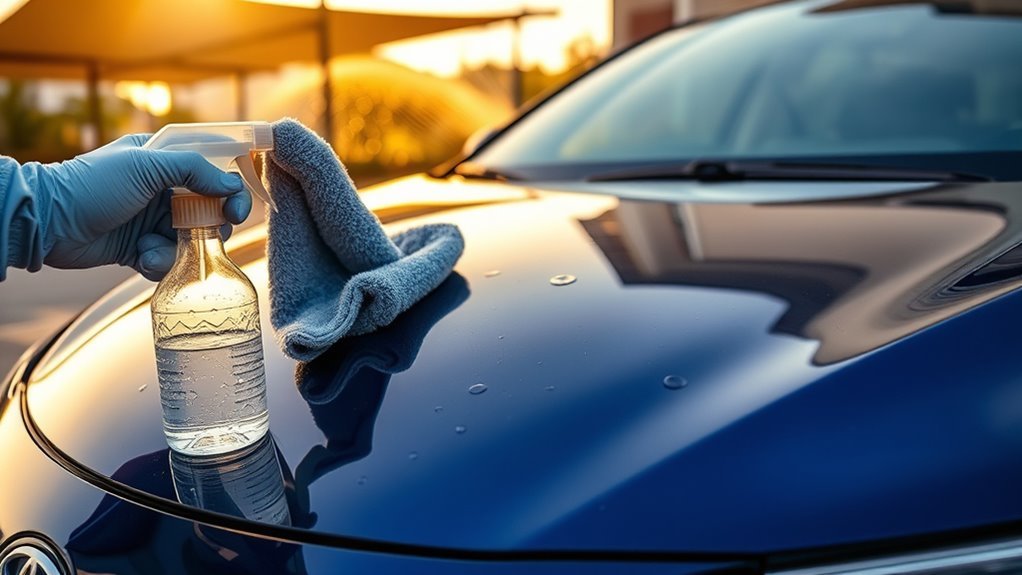
Prevention matters because water spots are easier to avoid than to correct. The main goal is to keep mineral-rich water from drying on the Camry and to maintain a slick protective layer so deposits do not bond as quickly.
Choose Safer Parking Spots
Avoid parking under sprinklers, leaky balconies, trees, roof edges, and gutters. These spots expose the Camry to hard water, sap, fertilizer runoff, bird droppings, and dirty drips. Choose a garage, carport, or open well-drained space when possible. If the car must sit outside for long periods, use a clean, breathable car cover only on a clean vehicle.
Mind Plant Watering Areas
Plant watering can leave heavy mineral deposits, especially when sprinkler water dries in the sun. Aim sprinklers away from the driveway, use drip irrigation where possible, and avoid parking near overspray zones. If sprinkler water hits the car, rinse and dry it as soon as practical.
Apply Protective Coatings
After removing water spots, apply a wax, paint sealant, or ceramic spray to clean paint. A protective layer helps water bead and makes future deposits easier to wash away. Toyota recommends applying wax when water no longer beads on a clean surface, with the vehicle body cool. For longer-lasting protection, a professional ceramic coating can help, but it still needs proper washing and drying.
Routine Maintenance Checklist to Keep Your Camry Spotless
A simple maintenance routine keeps your Camry looking clean and reduces the chance of etched water spots.
- Wash regularly: Wash every one to two weeks, or sooner after sprinkler exposure, road salt, bird droppings, tree sap, or dusty rain.
- Use the right soap: Choose an automotive car-wash soap, not dish detergent or household cleaners.
- Rinse thoroughly: Flush soap and loosened minerals from badges, mirrors, door handles, and trim seams.
- Dry immediately: Use clean microfiber drying towels or a car-safe blower, working from the roof down.
- Refresh protection: Apply wax or sealant when water no longer beads strongly on clean paint.
- Keep a trunk kit: Carry a few microfiber towels, quick detailer, and a small glass towel for fresh spots.
- Wash responsibly: The U.S. Environmental Protection Agency notes that outdoor vehicle washing can send detergent-rich, contaminated runoff into storm drains, so use a commercial car wash or wash where runoff is captured when possible.
Common Mistakes That Make Water Spots Worse
- Washing in direct sun: Heat makes water and soap dry faster, which can create more spotting.
- Letting remover dry: Water-spot removers should usually be wiped off while still workable unless the label says otherwise.
- Using one towel for the whole car: A loaded towel can spread minerals and grit.
- Polishing too soon: Remove mineral deposits first. Polishing over deposits can grind them into the paint.
- Ignoring trim: Strong removers can stain unpainted plastic. Mask or test trim before use.
Frequently Asked Questions
How do you remove water spots from a car without damaging paint?
Wash and dry the car first, then use quick detailer for very light spotting or a dedicated automotive water-spot remover for mineral deposits. Work by hand with a clean microfiber applicator, use light pressure, wipe residue before it dries, and protect the paint afterward with wax or sealant.
Does WD-40 remove water spots on car glass?
WD-40 may make some glass spots look less obvious for a short time because it leaves an oily film, but it is not the best fix. Use an automotive glass cleaner, glass-safe water-spot remover, or glass polish instead, then clean the glass thoroughly so visibility is not reduced.
Can water spots on a car be permanent?
Yes. Fresh mineral spots are usually removable, but spots left on hot paint can etch the clear coat. Once etching happens, a chemical remover may clean the surface but the dull mark can remain until the paint is polished or professionally corrected.
Is vinegar safe for Toyota Camry paint?
Vinegar is acidic and should not be used as a routine paint cleaner. It may be used carefully on exterior glass for fresh mineral film, but paint is safer with a product made for automotive clear coat. If you do use any acidic cleaner, test first, rinse well, and reapply protection.
Will a clay bar remove water spots?
A clay bar can remove some bonded surface contamination, but it does not dissolve minerals or fix etched clear coat. Use clay when the paint feels rough after washing, then follow with a dedicated water-spot remover or polish if needed.
Conclusion
You can remove most water spots from a Toyota Camry with a careful wash, microfiber towels, quick detailer, and a dedicated water-spot remover. The key is to start gently, match the product to the surface, and stop if the marks are etched rather than scrubbing harder. Once the paint is clean, protect it with wax, sealant, or ceramic coating, then prevent repeat spots by drying quickly and parking away from sprinklers, gutters, and plant runoff.
Sources
- Toyota Camry Owner’s Manual: Cleaning and Protecting the Vehicle Exterior — supports washing, drying, and waxing guidance.
- U.S. Geological Survey: Hardness of Water — supports the explanation of calcium and magnesium in hard water.
- Meguiar’s Water Spot Remover Product Guidance — supports surface compatibility and the caution about matte, flat, and satin finishes.
- Meguiar’s Smooth Surface Clay Kit — supports clay use for bonded surface contaminants and clear-coat-safe decontamination.
- U.S. Environmental Protection Agency: Vehicle Maintenance and Washing BMP — supports responsible car-washing runoff guidance.