
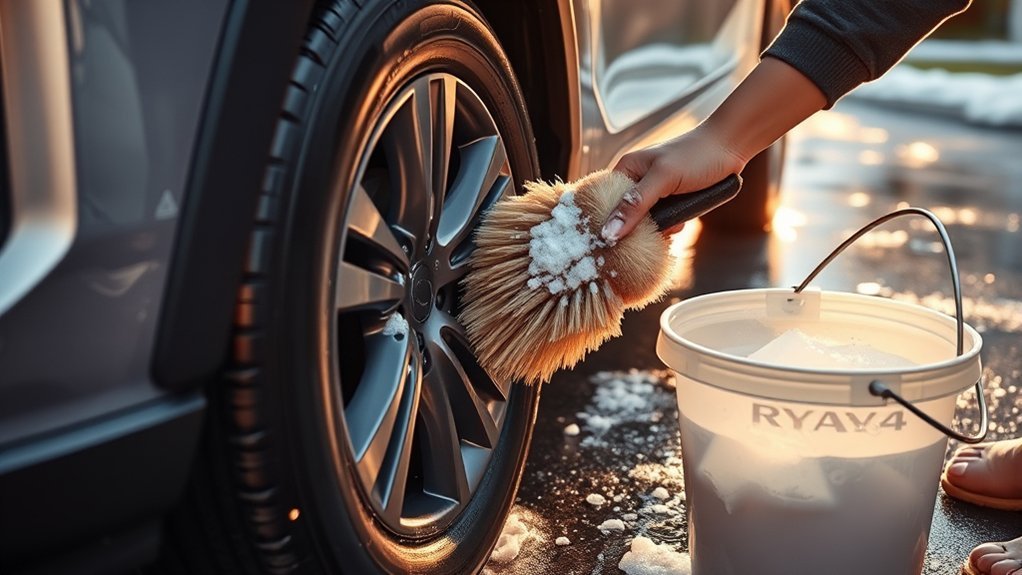
Road salt is helpful for winter traction, but it is rough on your RAV4’s paint, wheel wells, undercarriage, brake lines, suspension hardware, and exposed metal fasteners. The safest way to deal with it is simple: loosen the salt first, rinse the underside thoroughly, wash the body with a proper car-wash soap, dry the exterior, and keep a protective layer of wax, sealant, or corrosion inhibitor on vulnerable areas.
Quick Answer
To remove road salt from a RAV4, rinse the undercarriage, wheel wells, lower doors, rocker panels, and wheels with plenty of water first. Then use a foam pre-wash, contact wash with car soap and a soft mitt, rinse again, and dry the paint. Rewash every one to two weeks during salty winter driving.
Key Takeaways
- Road salt is water-soluble, so a thorough rinse is the most important first step before touching the paint.
- Focus on the undercarriage, wheel wells, rocker panels, lower doors, brake hardware, and rear hatch area where salty slush collects.
- Use automotive soap, a soft wash mitt, and clean microfiber towels; avoid household detergents, stiff brushes, and washing in direct sun.
- Add protection after cleaning with wax, paint sealant, ceramic spray, or an underbody corrosion inhibitor where appropriate.
At a Glance
| Time Required | 30–60 minutes for a driveway wash; 10–15 minutes for a touchless wash with underbody rinse |
| Difficulty | Easy |
| Tools Needed | Garden hose or pressure washer, undercarriage sprayer or car wash underbody rinse, foam cannon or pump sprayer, car soap, wash mitt, buckets, microfiber drying towels |
| Cost | About $10–$25 per touchless wash, or $40–$100 for reusable DIY wash supplies |
Why You Must Remove Road Salt From Your RAV4
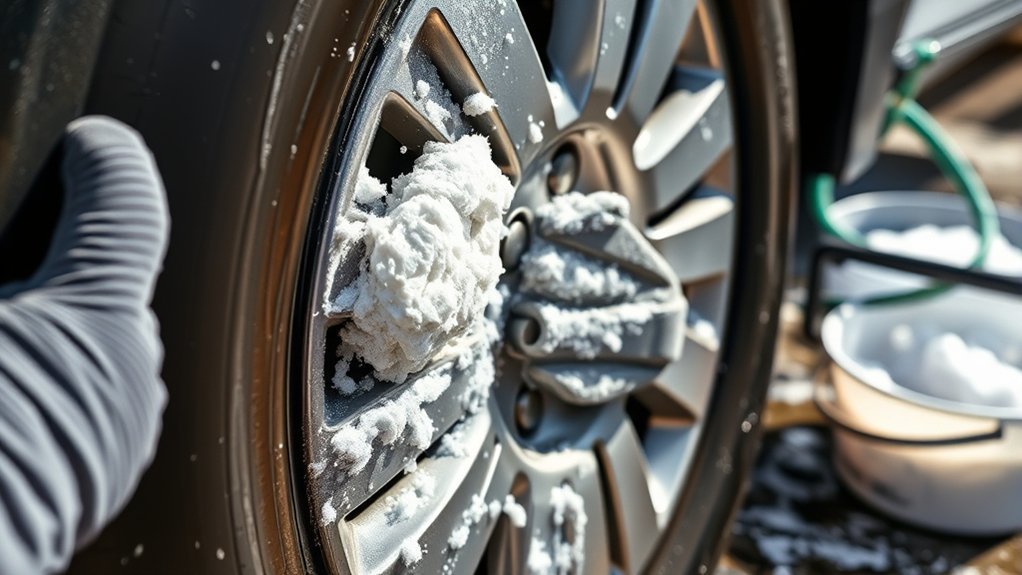
Removing road salt from your RAV4 is essential because salt, moisture, and oxygen speed up the corrosion process on exposed metal. Toyota’s own exterior-care guidance recommends applying water to the vehicle body, wheel wells, and underside to remove dirt and dust, then washing with a sponge or soft cloth and rinsing thoroughly. Toyota’s RAV4 owner’s manual also recommends waxing when water no longer beads on a clean surface.
Salt buildup can affect more than appearance. Toyota Canada notes that winter salt and sand can contribute to corrosion on body panels, wheel wells, undercarriage components, brake lines, suspension parts, and exhaust parts. Toyota Canada’s winter vehicle-care guidance recommends regular rinses with attention to the undercarriage, wheel wells, and lower panels.
AAA recommends washing at least every two weeks during salty winter driving, and more often after driving on heavily salted roads.
The damage is not always visible right away. Salt can sit inside seams, behind splash shields, around fasteners, inside wheel wells, and on the rear underside where road spray collects. That is why the undercarriage deserves as much attention as the painted body panels.
Essential Pre-Cleaning Steps Before Washing Your RAV4
Before you touch the paint with a mitt, loosen as much salt and grit as possible. This reduces the chance of dragging abrasive particles across the clear coat.
Start With a Thorough Rinse
Begin with clean water and work from top to bottom. Rinse the roof, glass, hood, doors, liftgate, lower panels, wheels, wheel wells, and underside. For road salt, the undercarriage rinse matters most because salty slush collects around suspension arms, brake parts, exhaust components, subframes, and seams.
- Use a garden hose, pressure washer, or touchless car wash with an underbody rinse.
- Pay special attention to the wheel wells, rocker panels, lower door edges, front bumper, rear bumper, and liftgate area.
- If using a pressure washer, keep the nozzle moving and avoid spraying directly into door seals, window gaps, sensors, electrical connectors, or the engine bay.
Warning: Do not crawl under a vehicle supported only by a jack. If you need to clean or inspect underneath more closely, use proper ramps or jack stands on level ground, or let a professional shop handle it.
Use a Decontaminant Only When Needed
An iron remover can help break down embedded brake dust and ferrous particles on wheels, lower panels, and the rear hatch area. However, iron remover is not the main road-salt remover; water is. Use an automotive iron remover only when the surface has bonded contamination, and always follow the product label.
For best results, spray the product on a cool surface, allow it to dwell for the label-recommended time, and rinse thoroughly before it dries. Do not use iron remover in direct sunlight or on hot wheels.
Avoid Products That Strip Protection
Use a dedicated automotive wash soap. Avoid dish soap, household degreasers, abrasive cleaners, and strong all-purpose cleaners on paint because they can reduce wax or sealant protection. If you use a citrus-based pre-wash, choose one made for automotive finishes and dilute it correctly.
How to Use Foam Pre-Wash Techniques Effectively
A foam pre-wash helps soften grime and lift salty film before the contact wash. It is especially useful after driving through slush, brine, or heavily treated roads.
Foam Cannon Setup Tips
Fill your foam cannon or pump foamer with the soap-and-water ratio recommended on the soap label. Many car soaps work well at about 1 to 2 ounces of soap in a foam cannon bottle, but product strength varies, so the label should be your final guide.
Apply foam evenly from top to bottom, then add a second pass over the lower doors, rocker panels, bumpers, wheel arches, and rear hatch. Let the foam dwell for a few minutes, but do not let it dry on the paint.
Optimal Soap Mixing Ratios
More soap is not always better. Too much soap can leave residue, waste product, and make rinsing harder. Too little soap may not provide enough lubrication during the wash. Use the manufacturer’s dilution instructions, then adjust slightly for your water hardness, foam cannon, and level of winter grime.
Rinse the Foam Before Contact Washing
After the foam has loosened the salty film, rinse it off thoroughly. This step removes a large portion of the contamination before your mitt touches the paint, which lowers the chance of wash marks.
Pro Tip: Wash when the temperature is above freezing if possible. If you wash in very cold weather, dry door jambs, fuel door edges, liftgate edges, and rubber seals so they do not freeze shut.
Best Practices for Contact Washing Your RAV4
Contact washing your RAV4 requires a gentle method. The goal is to remove the remaining road film without grinding salt, sand, or grit into the clear coat.
| Step | Details |
|---|---|
| 1. Rinse First | Flush loose salt from the body, wheel wells, wheels, and underside. |
| 2. Foam Pre-Wash | Let automotive foam dwell briefly, then rinse before touching the paint. |
| 3. Contact Wash | Use a soft mitt and car soap, working from the cleanest upper panels to the dirtiest lower panels. |
| 4. Rinse Thoroughly | Remove all soap, salt, and loosened grime from seams, badges, mirrors, and lower trim. |
| 5. Dry Immediately | Use clean microfiber towels or forced air to reduce water spots and frozen seals. |
Use separate mitts or towels for paint and wheels. Wheels and lower panels carry the most grit, so cleaning them with the same mitt used on the hood or doors can scratch the finish. If your RAV4 has matte-painted wheels, follow Toyota’s warning that matte wheel finishes may require different care and that abrasive, acidic, or alkaline detergents should be avoided.
How to Clean the Undercarriage and Wheel Wells
The undercarriage is the hardest area to see, but it is one of the most important places to rinse after winter driving. A standard body wash will not remove salt trapped underneath the vehicle.
Touchless Car Wash Method
A touchless car wash with an underbody rinse is the easiest option during winter. Choose touchless when possible because brushes at some automatic washes can scratch paint or trim. Toyota notes that brushes used in automatic car washes may scratch vehicle surfaces, wheels, and paint.
Driveway Undercarriage Rinse Method
If you wash at home, use an undercarriage sprayer attachment or a low-angle rinse wand. Move slowly from front to rear and side to side. Spend extra time near the wheel wells, suspension mounting points, rocker panels, rear subframe area, and exhaust hangers.
Note: Avoid blasting high pressure directly at rubber boots, electrical connectors, parking sensors, camera areas, and exposed seals. A steady rinse with plenty of water is safer than a narrow high-pressure stream.
After-Winter Deep Clean
At the end of winter, give the underside a more complete cleaning or schedule a professional underbody wash. This is also the best time to inspect for chipped coating, early surface rust, loose splash shields, damaged liners, or trapped debris.
How to Effectively Dry Your Vehicle to Prevent Water Spots?
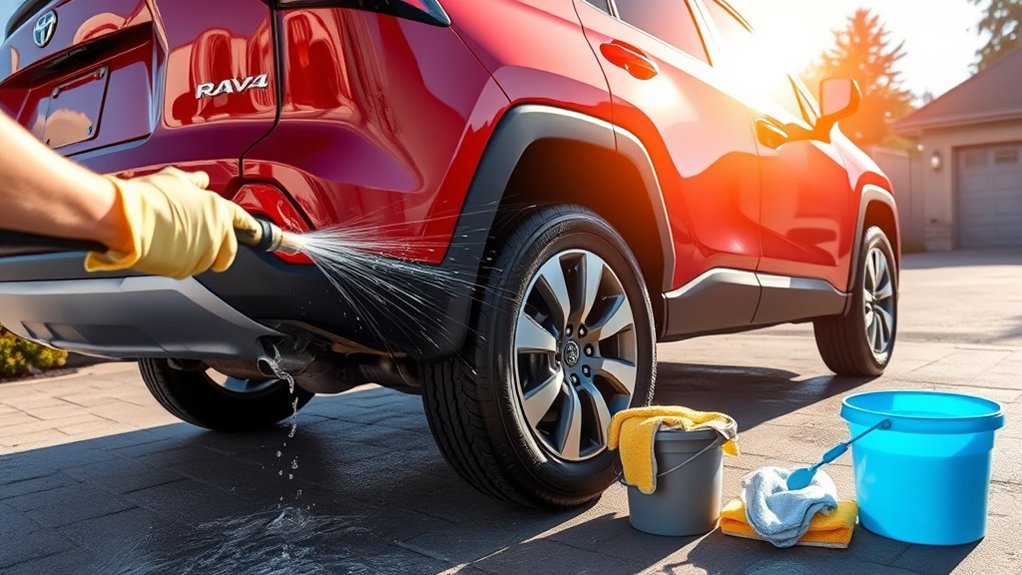
To dry your RAV4 and prevent water spots, start with a clean, high-quality microfiber drying towel. Dry from the top down so dirty water from lower areas does not run onto clean panels. Use a blotting or light-drag technique instead of pressing hard.
Open and wipe the door jambs, liftgate jamb, fuel door area, mirror edges, and lower door seams. These spots hold water and salty residue. If temperatures are near freezing, drying these areas also helps prevent stuck doors and frozen seals.
A dedicated automotive drying aid or detail spray can add slickness and reduce towel friction, but use it only on a clean surface. If the paint still feels gritty after washing, do not rub harder; rinse again or use a proper decontamination process later.
How to Maintain Your RAV4 to Prevent Future Rust From Road Salt
After your RAV4 is clean and dry, protect it before the next storm. A maintenance routine is more effective than waiting until corrosion is visible.
Wash Frequency During Salt Season
During winter, wash your RAV4 at least every one to two weeks when roads are salty. Wash sooner after driving through heavy slush, brine, or freshly salted roads. AAA recommends regular washing at least every two weeks during salty winter conditions, with more frequent washing after heavily salted road exposure.
Protect the Paint
Apply a quality wax, paint sealant, or ceramic spray before winter and refresh it as needed. Toyota recommends waxing when water no longer beads on a clean surface. Protection will not make your RAV4 salt-proof, but it gives the paint a sacrificial layer that makes future washes easier.
Protect the Undercarriage
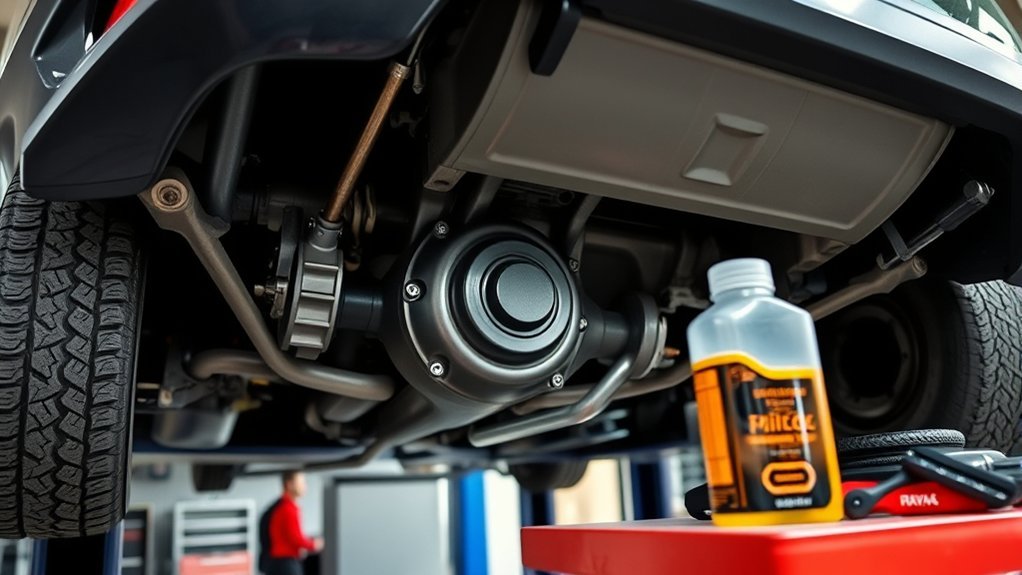
For long-term rust prevention, consider a corrosion-inhibiting underbody coating or spray, especially if you live in a region that uses road salt or brine for several months each year. Avoid thick coatings over existing rust or wet grime; the surface should be clean and dry first. If you are unsure what product is safe for your vehicle, ask a Toyota dealer or qualified repair shop.
Inspect Common Salt-Trap Areas
Check these areas throughout winter and again after the season ends:
- Wheel wells and plastic liners
- Lower door seams and rocker panels
- Rear hatch and bumper area
- Brake lines and brackets
- Suspension arms and mounting points
- Exhaust hangers and fasteners
- Undercarriage seams and drain holes
If you see bubbling paint, flaking coating, deep rust, brake-line corrosion, or loose underbody panels, have the RAV4 inspected by a professional. Surface rust on some exposed hardware can be normal in snowy regions, but structural rust or brake-line corrosion should not be ignored.
Common Mistakes to Avoid When Removing Road Salt
- Wiping before rinsing: Salt and grit can scratch the paint if you touch the surface too soon.
- Skipping the underside: A shiny hood does not mean the undercarriage is clean.
- Using household soap: Dish soap and household cleaners can strip protection and dry out trim.
- Letting foam or soap dry: Dried chemicals can leave residue and streaks.
- Ignoring chipped paint: Exposed metal should be cleaned and touched up quickly to slow corrosion.
- Using aggressive pressure in sensitive areas: High pressure can force water past seals or damage delicate parts.
Frequently Asked Questions
How do you neutralize road salt on a vehicle?
The most reliable first step is to dissolve and flush away salt with plenty of clean water, especially from the undercarriage and wheel wells. Salt-neutralizing automotive products can help, but they still need a thorough rinse. Do not rely on a spray product without flushing the salt away.
How do you prevent rust on a car from salt?
Wash regularly during winter, rinse the undercarriage, keep wax or sealant on the paint, repair chips quickly, clean wheel wells and lower panels, and consider a corrosion-inhibiting underbody coating if you live in a heavy-salt region.
Should you wash road salt off your RAV4?
Yes. Road salt should be washed off regularly because it accelerates corrosion when mixed with moisture. During winter, wash every one to two weeks, and wash sooner after driving on freshly salted roads or through salty slush.
What deactivates road salt?
Water dissolves and removes road salt. Some automotive salt removers are designed to help break down salty residue, but they should be used as part of a rinse-and-wash process, not as a replacement for rinsing.
Is a touchless car wash safe for removing salt from a RAV4?
A touchless wash with an underbody rinse is a good winter option because it removes salt without brushes touching the paint. It may not clean as deeply as a careful hand wash, but it is useful between full washes.
Can road salt damage the brakes or suspension?
Yes. Salt buildup can contribute to corrosion on brake lines, suspension parts, exhaust components, brackets, and fasteners. That is why underbody rinsing and periodic inspections are important during and after winter.
Conclusion
Removing road salt from your RAV4 does not require complicated detailing skills. The most important habits are rinsing the underside, washing before salt sits for weeks, using paint-safe products, drying carefully, and keeping protective coatings refreshed. Focus on the undercarriage, wheel wells, rocker panels, lower doors, and rear hatch area, and your RAV4 will be better protected from winter corrosion and long-term rust damage.
Sources
- Toyota RAV4 Owner’s Manual: Cleaning and Protecting the Vehicle Exterior — supports rinsing the body, wheel wells, and underside, using soft cloths, rinsing soap, and waxing when water no longer beads.
- Toyota Canada: Protect Your Vehicle From Winter Roads — supports the connection between winter salt, corrosion, brake and undercarriage wear, and regular underbody-focused washing.
- AAA: Winter Road Salt Can Cause Hidden Vehicle Damage — supports washing at least every two weeks during salty winter driving, prioritizing the undercarriage, rinsing first, and applying wax.
- U.S. EPA: Winter Is Coming! And With It, Tons of Salt on Our Roads — supports the broader corrosion and property-damage impacts of road salt.
- Toyota Warranty & Maintenance Guide — supports corrosion-perforation warranty context and the importance of maintenance and care guidance.


[…] will cover more area if you want maximum protection. When salt does reach the carpet or paint, our road salt removal guide walks through cleanup, and most of it applies to any […]