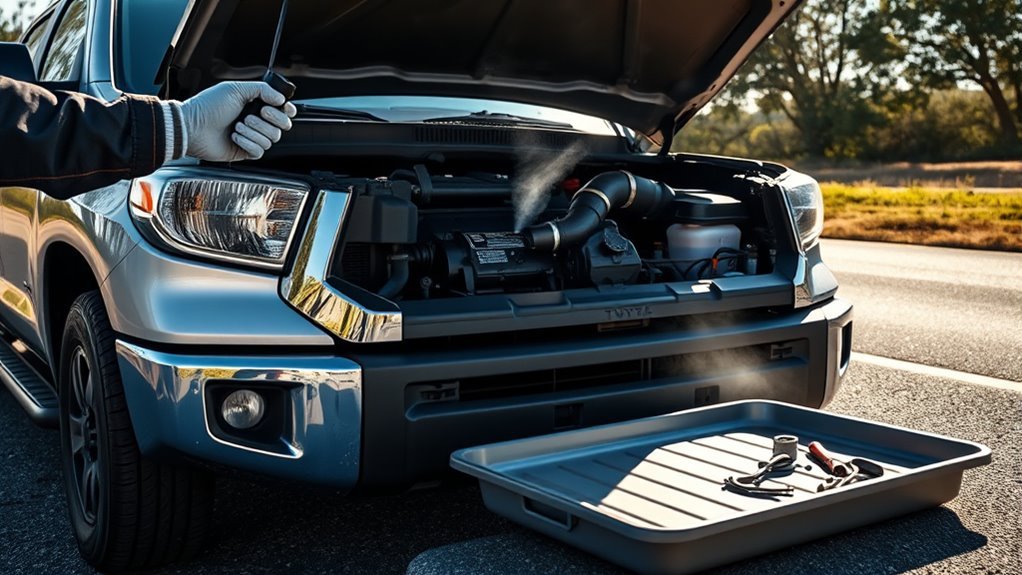
Preparing for a Toyota Tundra recall appointment is mostly about confirming your exact recall status, bringing the right paperwork, and knowing what to ask before the truck goes into the service bay. This is especially important for Tundra engine-debris recalls because some VINs have an available engine-replacement remedy, while newer recall phases may still be waiting for final remedy instructions.
Quick Answer
Before taking your Toyota Tundra in for recall service, check your VIN or license plate on Toyota’s official recall lookup, save the appointment confirmation, bring registration or proof of ownership, ID, repair records, and symptom notes, then ask the dealer for the campaign code, remedy status, parts availability, estimated timing, and written repair documentation.
Key Takeaways
- Use the official Toyota Recall Lookup and the NHTSA recall tool before booking or arriving.
- Bring appointment proof, registration or ownership documents, ID, repair history, recall notices, and receipts for any related out-of-pocket repair.
- If your truck has knocking, rough running, warning lights, no-start, or power loss, tell the dealer before driving it in and follow their safety guidance.
- Do not assume every Tundra recall visit ends the same way; the dealer’s next step depends on the VIN-specific campaign and remedy status.
At a Glance
| Time Required | 15–30 minutes to prepare documents; dealer inspection may take a few hours; major engine work can take longer depending on parts and scheduling. |
| Difficulty | Easy preparation, but timing depends on campaign status. |
| Tools Needed | 17-digit VIN, phone or computer, recall notice if received, service records, ID, registration, and receipt copies. |
| Cost | Safety recall repairs are performed at no charge when the remedy applies to your VIN. |
Confirm Your Tundra Recall Status and Bring the 17-Digit VIN

Start with the official recall lookup. Toyota lets owners search by license plate and state or by the 17-digit VIN on its Recall Lookup page. The VIN is usually visible through the lower driver-side windshield and also appears on your registration and insurance documents.
Because recall records can change, check both Toyota and NHTSA before your appointment. This matters for newly announced recalls because some VINs may take time to appear in lookup systems after the manufacturer identifies the affected vehicles.
Save or screenshot the result. If your Tundra shows an open recall, write down the campaign code, recall description, and whether the result says “remedy available,” “interim notice,” or “repair not yet available.” Those words affect what the dealer can do at the appointment.
Note: Do not rely only on a social media post, forum thread, or generic model-year list. A recall may apply to some Tundras within a model year but not every truck in that year. Your VIN is the deciding detail.
Know Which Tundra Engine Recall You Are Dealing With
Several Toyota Tundra recalls can appear in owner searches, including lighting, camera, transmission, and engine-related campaigns. If your concern is the well-known engine-debris issue, the key detail is whether your specific VIN falls under a remedy that is already available.
For the May 2024 engine-debris recall, Toyota’s dealer remedy notice for certain 2022–2023 Tundras, NHTSA Recall No. 24V-381 and Toyota campaign 24TA07, states that dealers will replace the engine assembly free of charge for covered vehicles. The notice also lists a phased remedy rollout and a 13.6-hour repair labor time for that engine assembly replacement.
Toyota later announced additional engine-debris recalls. On November 6, 2025, Toyota announced a safety recall involving certain 2022–2024 Toyota Tundra, 2022–2024 Lexus LX, and 2024 Lexus GX conventional gas models. On May 20, 2026, Toyota announced another recall involving certain 2024 Toyota Tundra non-hybrid vehicles. Toyota said it was completing remedy preparations for the November 2025 and May 2026 recalls and would contact customers in phases as remedies became available.
That means two Tundra owners can visit the dealer for similar-sounding engine recall concerns and receive different next steps. One may be eligible for engine replacement now; another may receive interim guidance until the remedy is released for that VIN.
Warning: If your Tundra has engine knocking, rough running, repeated warning lights, a no-start condition, or any loss of motive power, contact your Toyota dealer before continuing to drive it. If the truck loses power while driving, move to a safe location if you can and arrange towing or roadside assistance.
Gather Documents: Appointment, Registration, ID, and Repair History
Organize your documents before you leave for the dealer. You do not need a complicated folder, but you should be able to show proof of the appointment, identify the truck, and support any questions about past repairs or reimbursement.
Bring Appointment Confirmation
Bring your appointment confirmation in print or on your phone. It should show the date, time, dealership, service advisor if assigned, and any recall notes the dealer added when you booked.
| Item | Why It Helps |
|---|---|
| Appointment confirmation | Confirms your service slot and recall request |
| Recall lookup screenshot | Shows the campaign status you saw before arrival |
| Recall notice or owner letter | Gives the dealer the exact campaign language |
| Dealer call notes | Helps confirm promised timing, loaner options, or parts status |
Prepare Registration, ID, and Ownership Information
Bring your current registration, driver’s license, and insurance card. If the truck was recently purchased, transferred, inherited, or registered under a business name, bring any supporting paperwork that proves your connection to the vehicle. Dealers may not need every document every time, but having them prevents avoidable intake delays.
Keep the VIN visible on your paperwork and on your phone. If you have a printed recall result, highlight the VIN so the service advisor can quickly match it to the truck.
Compile Repair History Records
Bring a simple repair history if the truck has had engine, drivetrain, towing, electrical, or warning-light work. Include dates, mileage, shop names, symptoms, and outcomes. If you paid for a repair that may relate to the recall condition, bring the full invoice, proof of payment, and any diagnostic notes.
| Date | Mileage | Repair or Symptom | Shop |
|---|---|---|---|
| 2024-08-15 | 32,410 | Engine knock diagnosis | Toyota dealer |
| 2025-01-07 | 38,905 | Check engine light inspection | Independent shop |
The dealer will rely on Toyota’s campaign instructions, but your service records can help explain symptoms, avoid duplicate diagnostics, and support a reimbursement request later.
Prep Your Tundra: Key Checks and Notes to Give the Service Tech
Before the appointment, remove personal items from the cab, center console, glove box, and bed if the dealer needs access. If you have aftermarket accessories, tuning devices, fleet tracking hardware, or recent modifications, tell the service advisor instead of hoping the technician notices.
Write symptom notes in plain language. Include what happened, when it started, how often it happens, whether it appears during towing or heavy acceleration, and whether any warning lights came on. Do not exaggerate. Clear details help the technician reproduce the concern and document it correctly.
- Engine noise: knocking, tapping, grinding, or rattling.
- Driveability: rough idle, hesitation, stalling, no-start, reduced power.
- Warning lights: check engine, oil pressure, hybrid warning, or other messages.
- Conditions: towing, highway speeds, hill climbing, hot weather, cold start, or heavy load.
- Timing: first date noticed, mileage, and whether it is getting worse.
Pro Tip: Call the service department the day before your appointment and ask: “Is my VIN showing remedy available, parts available, or interim status?” Write down the answer, the employee’s name, and the time of the call.
[Products Worth Considering]

This replacement bed cleat tie down anchor kit restores secure cargo management for compatible Toyota truck bed rail systems. Designed to match OEM dimensions and fit, these anchors help keep gear, tools, and luggage firmly in place during daily hauling. Built for dependable use in demanding pickup truck conditions, the kit offers a practical replacement for worn factory tie-downs.

This replacement gas cap is designed for a wide range of Toyota and Lexus models, offering a direct-fit solution for restoring a proper seal at the fuel tank. It helps address check engine light issues related to the fuel cap while providing easy installation and dependable performance. Built from durable materials and rigorously tested before shipping, it is a practical replacement for worn or damaged fuel caps.

These heavy-duty running board side steps are designed to improve access to your Toyota Tundra without reducing ground clearance. Built for Double Cab and CrewMax front door applications, they offer practical convenience for everyday entry, roof loading, and off-road use. The durable iron construction and easy no-drill installation make them a reliable upgrade for rugged driving.
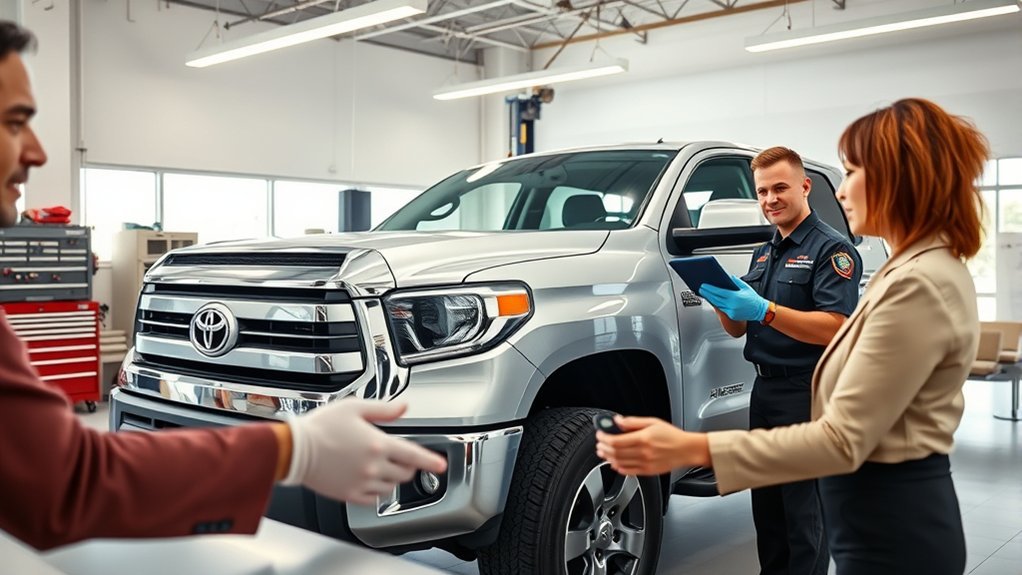
What to Expect at the Dealer: VIN Check, Inspection, and Remedy Decision
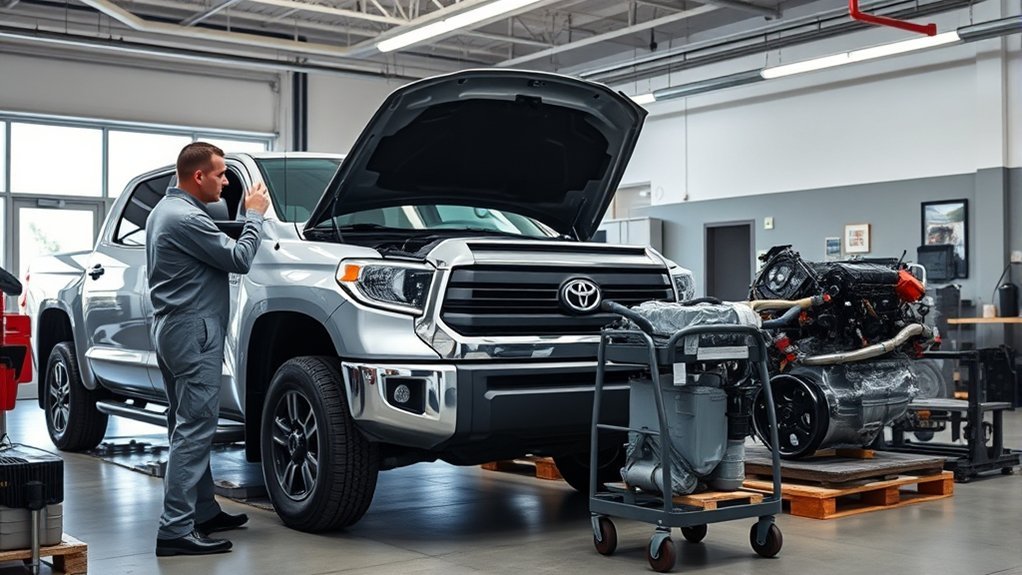
At check-in, the service advisor should verify the VIN, pull open campaigns, and create a repair order. Ask them to list the recall campaign code on the repair order before you leave the truck.
For a Tundra engine recall, the dealer may do one of several things depending on Toyota’s current campaign instructions for your VIN:
| Dealer Step | What It Means | What to Ask |
|---|---|---|
| VIN verification | Confirms your truck is or is not included | “What campaign code is open?” |
| Inspection only | Dealer documents symptoms or checks condition | “Will I receive written findings?” |
| Parts or remedy pending | Repair cannot be completed yet | “When should I expect the next notice?” |
| Engine assembly replacement | Applies when Toyota’s remedy is available for that VIN | “What is the estimated calendar time?” |
If the dealer says no repair can be performed yet, ask for that status in writing. The written record should show the VIN, campaign code, date, and current remedy status.
[Products Worth Considering]

This car document holder keeps registration, insurance cards, and other essential paperwork neatly organized and easy to access when needed. Its clear inner sleeves help you quickly identify documents, while the hidden magnetic closure keeps everything secure and protected in a compact, glove-box-friendly design.

This replacement gas cap is designed to restore a tight fuel-tank seal, helping reduce vapor leaks, prevent check engine light issues, and maintain proper fuel system performance. Built in OE-style form for a wide range of Toyota and Lexus vehicles, it offers a direct DIY fix with durable materials for reliable, long-lasting use.

This custom-fit passenger storage organizer mat is designed for the Toyota RAV4 2026 to help protect and organize the center console storage area. Made from soft silicone with an anti-slip surface, it keeps small items neatly in place while adding a clean, refined look to the interior. Installation is quick and tool-free, making it an easy upgrade for everyday convenience.
How Long the Visit Takes and Transport or Loaner Options
A basic recall check-in or inspection may take a few hours, but a major engine-recall repair is not the same as a quick software update. Toyota’s 24TA07 engine-replacement notice lists 13.6 repair labor hours for that specific remedy, and real calendar time can be longer if the dealer is waiting on parts, technician scheduling, authorization, or quality checks.
Before dropping off the truck, ask for three separate time estimates:
- Inspection time: how long until the truck is first evaluated.
- Repair labor time: how much shop time the campaign requires if repair is available.
- Calendar time: when you can realistically pick up the truck.
Loaner vehicles, shuttles, rideshare credits, and rental assistance vary by dealer, region, parts availability, and campaign. Ask before you arrive. If a loaner is available, confirm whether you need a driver’s license, insurance card, credit card, age eligibility, and a signed loaner agreement.
[Products Worth Considering]

This center console latch lock restores a secure, reliable closure for damaged or worn console lids on a wide range of Toyota, Lexus, and Scion vehicles. Made from durable materials for long-lasting use, it helps keep the console locked properly again and is a practical replacement for failing original latches.

These heavy-duty running boards are designed to improve access to your Toyota Tundra CrewMax while maintaining ground clearance for off-road use. Built from durable aluminum with a high weight capacity, they provide stable step-up support for daily driving, cargo loading, and outdoor adventures. The no-drill installation makes setup simple, and the included customer support adds extra peace of mind.

Keep your Toyota navigation system current with this SD card map update designed for select factory-installed GPS units. It provides updated coverage for the USA and Canada, including roads, points of interest, and key travel locations for smoother trip planning. Easy plug-and-play installation helps restore accurate guidance without complicated setup.
If a Dealer Delays Service: Escalation Steps and Who to Contact
If the dealer delays your Tundra recall service, first ask for the exact reason. Common reasons include remedy not released, parts not available, technician scheduling, or Toyota authorization still pending. Then ask for the next checkpoint date.
Use this escalation path:
- Service advisor: ask for campaign code, status, and estimated next action.
- Service manager: request a written explanation if the timeline is unclear or keeps moving.
- Toyota Brand Engagement Center: call 1-800-331-4331 with your VIN, dealer name, dates, repair order number, and notes.
- NHTSA complaint: if a safety-related symptom remains unresolved or the truck has a dangerous failure, file a complaint through NHTSA.
Keep your tone factual. A clear record with dates, names, repair order numbers, and screenshots is more effective than a long complaint with missing details.
How to Request Reimbursement If You Already Paid for Repairs
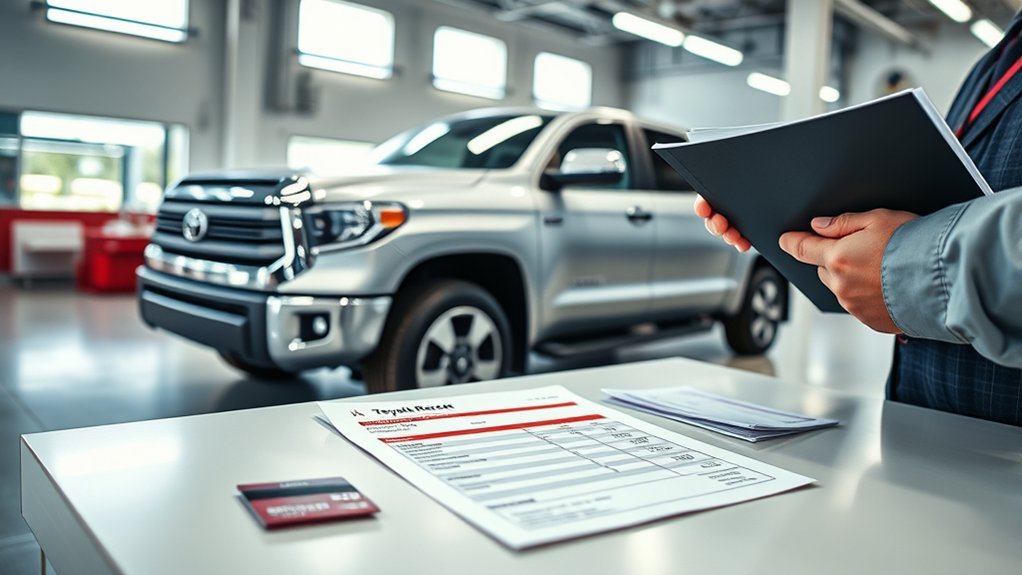
If you paid out of pocket for a repair that matches the condition described in a Toyota recall or owner notification letter, you may be eligible for reimbursement review. Eligibility depends on the exact campaign, the repair performed, the timing, and the documentation you submit.
Prepare these items before filing:
- Repair order or invoice showing the work performed.
- Proof of payment, such as card receipt, canceled check, or paid invoice.
- Ownership information for the vehicle at the time of repair.
- VIN, mileage, repair date, and shop contact information.
- A short note explaining how the repair relates to the recall condition.
Follow the instructions in your owner notification letter or Toyota’s reimbursement guidance. Toyota support notes that owners who previously paid for repairs for the specific condition outlined in the owner notification letter may be eligible for reimbursement consideration.
After the Tundra Recall: Verify Repairs, Keep Records, and Note Trade-In Effects
When the dealer finishes the visit, ask for a detailed repair order before you leave. The document should show the VIN, campaign code, parts used if any, labor performed, technician notes, and whether the campaign is now closed for your truck.
Do not rely only on the dealer saying “you’re all set.” Save the repair order digitally and keep a paper copy with your vehicle records. This matters for future warranty questions, resale, trade-in appraisal, and proving that the recall was completed.
If the recall remedy was not available, ask the dealer for a written status note and when you should expect the next owner notification. Recheck the Toyota and NHTSA lookup tools periodically, especially after Toyota announces that remedy phases are being released.
Frequently Asked Questions
Do dealerships have to give you a loaner car for recalls?
Not always. Recall repairs are performed at no charge when the remedy applies, but loaner vehicles, shuttles, rental reimbursement, and rideshare help depend on the dealer, campaign, vehicle status, and availability. Ask before your appointment and get any promise in writing.
What should I do if my Toyota Tundra is recalled?
Check your VIN or license plate on Toyota’s official recall lookup, read the campaign status, schedule service with a Toyota dealer, bring your documents, and ask whether the remedy is available for your truck. If you notice safety symptoms, contact the dealer before continuing to drive.
Can Toyota customer service help with a recall problem?
Yes. If the dealer cannot explain the campaign status, delays keep changing, or you need help with documentation, call Toyota Brand Engagement Center at 1-800-331-4331. Have your VIN, dealer name, repair order number, and timeline ready.
How do I submit reimbursement for a Toyota recall repair I already paid for?
Use the instructions in your Toyota owner notification letter or Toyota support guidance. You will usually need a repair order, proof of payment, ownership information, VIN, mileage, and a clear explanation showing that the paid repair matches the recall condition.
Will every recalled Tundra get a new engine?
No. It depends on the exact recall and VIN. Some covered 2022–2023 Tundras in the May 2024 engine-debris recall have an engine assembly replacement remedy. Newer recall phases may still be waiting for final remedy instructions, so the dealer must check your VIN-specific campaign status.
Conclusion
Before your Toyota Tundra recall appointment, confirm the VIN or license plate on official Toyota and NHTSA recall tools, bring your appointment confirmation, registration, ID, recall notice, and repair records, and write down any symptoms clearly. At the dealer, ask for the campaign code, remedy status, parts availability, transportation options, and a detailed repair order. If the remedy is delayed, document the timeline and escalate through the service manager, Toyota Brand Engagement Center, and NHTSA when safety concerns remain unresolved.
Sources
- Toyota Recall Lookup — official Toyota VIN and license plate recall search.
- NHTSA Recalls — federal recall lookup, owner guidance, and complaint resources.
- Toyota / NHTSA Safety Recall 24TA07 Remedy Notice — 2022–2023 Tundra engine-debris recall remedy and repair-time reference.
- Toyota November 2025 Tundra, Lexus GX, and Lexus LX Recall Announcement — additional engine-debris recall context.
- Toyota May 2026 2024 Tundra Recall Announcement — newer 2024 non-hybrid Tundra engine-debris recall and remedy-preparation status.
- Toyota Reimbursement Documentation Guidance — documents commonly needed for reimbursement review.