You can extend your Toyota Tundra’s engine life by doing the boring things on time: use the correct oil for your exact engine, keep heat under control, service fluids by duty cycle, prevent rust, and catch small leaks or misfires before they become expensive failures. The best schedule is not one universal mileage number—it depends on your model year, engine, towing habits, climate, and maintenance history.
Quick Answer
To extend Toyota Tundra engine life, follow Toyota’s maintenance guide for your exact model, service the truck every 5,000 miles or six months, use the owner-manual oil viscosity, shorten oil and fluid intervals for towing or dusty use, keep the cooling system healthy, prevent rust, and check recalls by VIN.
Key Takeaways
- Use the oil grade and viscosity in your owner’s manual; do not assume every Tundra uses 5W-30.
- Treat towing, heavy payloads, dusty roads, short trips, and long idling as severe service.
- Coolant, transmission, differential, transfer case, spark plug, and air filter intervals vary by generation and duty cycle.
- Late-model 2022–2024 Tundras should be checked by VIN for engine-related recalls before blaming maintenance.
- A clean undercarriage, correct tire pressure, good brakes, and smooth driving reduce stress on the engine and drivetrain.
At a Glance
| Time Required | 15 minutes monthly; 1–3 hours for routine service checks |
| Difficulty | Beginner for inspections; intermediate for DIY fluid services |
| Tools Needed | Owner’s manual, tire gauge, flashlight, OBD-II scanner, torque wrench, drain pan, gloves |
| Cost | Low for inspections; moderate for fluids, plugs, tires, brakes, or cooling-system service |
Essential Tundra Maintenance Schedule: Start With Your Exact Model Year
Toyota’s maintenance guides are built around a simple baseline: schedule maintenance every 5,000 miles or six months, whichever comes first. That does not always mean every fluid is replaced at every visit. Some visits are inspections, tire rotations, fluid-level checks, or special-service items based on how the truck is used.
| Tundra Type | What to Watch | Best Longevity Move |
|---|---|---|
| Older belt-equipped engines | Timing belt, water pump, accessory belts, age-related hoses | Follow the exact timing-belt interval in that truck’s owner’s manual or service manual. |
| 2007–2021 5.7L V8 models | Oil history, coolant age, spark plug interval, frame rust, ball joints, towing wear | Keep records and follow the Toyota maintenance guide, especially for severe-service oil and drivetrain fluid items. |
| 2022+ twin-turbo V6 models | Oil quality, heat management, intercooler coolant, turbo-related symptoms, recalls | Use the correct 0W-20-class specification where required, maintain cooling systems, and check recall status by VIN. |
Note: Dealer-recommended add-ons are not automatically required for warranty maintenance. Compare every recommendation with your Toyota maintenance guide and ask the service adviser why it is needed.
Oils & Fluids: Use the Right Spec, Not a Universal 5W-30 Rule
The safest oil advice is simple: use the grade and viscosity listed in your owner’s manual. For many recent U.S. Tundras, Toyota specifies SAE 0W-20 engine oil meeting the required ILSAC grade; if a temporary alternate oil is allowed, the manual will say when it must be replaced with the recommended viscosity. You can confirm the current spec in Toyota’s 2024 Tundra maintenance data.
| Item | Longevity Rule | Why It Matters |
|---|---|---|
| Engine oil and filter | Use the manual-specified oil. Normal service may allow longer oil intervals; towing, dusty roads, short trips, heavy traffic, or long idling call for shorter intervals. | Clean oil protects bearings, timing components, turbochargers, cam journals, and piston rings. |
| Automatic transmission fluid | Inspect for leaks during routine service. Replace sooner when Toyota’s severe-service schedule applies, especially towing or heavy loading. | Heat and worn fluid shorten clutch, valve body, and torque-converter life. |
| Engine coolant | Toyota’s 2024 guide lists initial engine coolant replacement at 100,000 miles or 120 months, then every 50,000 miles or 60 months when using the specified long-life coolant. | Old coolant can lose corrosion protection and contribute to overheating, leaks, and gasket stress. |
| Intercooler coolant on applicable models | Follow the owner’s manual and maintenance guide; some newer turbo models have a separate intercooler coolant circuit. | Proper charge-air cooling helps control intake temperatures and protects performance under load. |
| Differential and transfer case oils | Inspect at scheduled visits; replace sooner for towing, heavy loading, off-road use, water crossings, or dusty conditions. | Contaminated gear oil accelerates bearing, seal, and gear wear. |
Warning: Used engine oil can contain harmful contaminants. Wear gloves, keep oil away from children and pets, and recycle used oil and filters through an approved collection center rather than dumping them in trash, drains, soil, or stormwater systems.
[Products Worth Considering]

Castrol GTX Full Synthetic 5W-30 motor oil is designed to deliver maximum engine protection in severe driving conditions. It helps fight wear, control sludge, and resist viscosity breakdown while supporting longer intervals between oil changes. Formulated to meet or exceed key industry and vehicle manufacturer specifications, it offers dependable performance for modern engines.

This spill-proof radiator coolant filling funnel kit helps you refill cooling systems cleanly while reducing trapped air pockets that can affect heater and engine performance. It includes a 5-inch extension bar and 45-degree elbow for easier access under shrouds or at awkward angles. Color-matched caps for dedicated adapters make setup simpler and more organized.

This 7-piece car cleaning kit brings together essential wash, wheel, and interior care products for a complete at-home detailing routine. It includes foaming car wash soap, interior cleaner and protectant, sprayable wheel cleaner, microfiber towels, and a plush wash mitt to help deliver a safer, scratch-free clean. Designed for beginners and enthusiasts alike, it helps keep cars, trucks, SUVs, motorcycles, and more looking fresh inside and out.
Critical Service Intervals: Timing Components, Spark Plugs, and Valvetrain
Do not treat every Tundra like it has the same timing system. Some older Toyota truck engines use a timing belt that must be replaced on schedule. Many later Tundra engines use timing chains, which are not handled like a routine 90,000-mile belt replacement. If you hear chain rattle, see timing-cover leaks, get cam/crank correlation codes, or notice metal in the oil, have the timing system inspected promptly.
Spark plug intervals also vary. For example, Toyota’s 2024 Tundra Warranty & Maintenance Guide lists spark plug replacement much earlier than the old “around 100,000 miles” rule, while Toyota’s 2021 Tundra Warranty & Maintenance Guide lists spark plugs at a different interval. The correct answer is the schedule for your exact model year and engine.
- Timing belt: replace only on belt-equipped engines, using the manual-specified interval and parts list.
- Timing chain: inspect for abnormal noise, oil-pressure problems, leaks, and diagnostic trouble codes; do not apply a belt interval to a chain engine.
- Spark plugs: replace at the Toyota interval for your engine; do not stretch plug life on turbocharged or heavily loaded trucks.
- Valve and compression concerns: investigate ticking, rough idle, misfires, poor compression, or abnormal oil consumption instead of waiting for a scheduled interval.
Pro Tip: Keep a photo or PDF of your truck’s maintenance chart on your phone. It prevents guessing when a shop recommends plugs, coolant, transmission fluid, or differential service.
Control Heat Before It Damages the Engine or Transmission
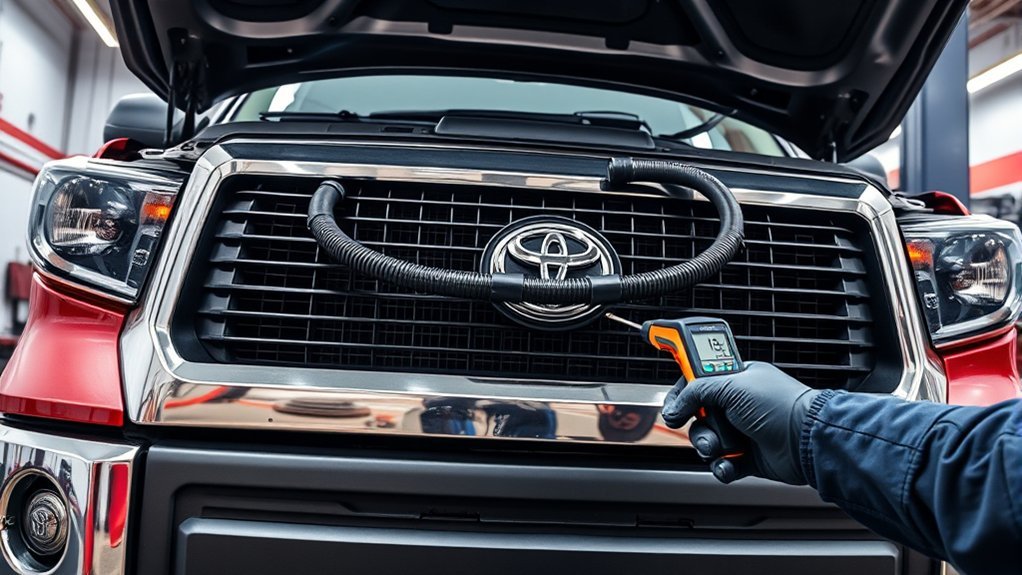
Heat is one of the fastest ways to shorten engine, turbocharger, transmission, and differential life. If you tow frequently, drive in desert heat, climb grades, idle for long periods, or haul near payload limits, treat your Tundra as severe service.
A Tundra that tows often needs more inspection, cleaner fluids, and better heat control than a commuter truck with the same mileage.
- Keep the radiator, condenser, intercooler, and grille area clean and unobstructed.
- Check coolant level only when the system is cool and use the correct Toyota-approved coolant type.
- Inspect hoses, clamps, radiator seams, water pump area, thermostat behavior, and cooling fans.
- Use Tow/Haul or the correct drive mode when applicable, and slow down if coolant or transmission temperatures rise.
- Service transmission, differential, and transfer case fluids more aggressively when towing or hauling.
Warning: Do not install a larger radiator, auxiliary cooler, or aftermarket tune without confirming compatibility with your engine, transmission, sensors, active grille shutters, warranty status, and emissions rules. A poorly matched upgrade can create new problems.
Tire, Brake, and Wheel Practices That Reduce Drivetrain Stress
Your tires and brakes affect engine life more than most owners realize. Underinflated tires, dragging brakes, warped rotors, oversized heavy wheels, poor alignment, and overloaded payloads all make the engine and transmission work harder.
[Products Worth Considering]
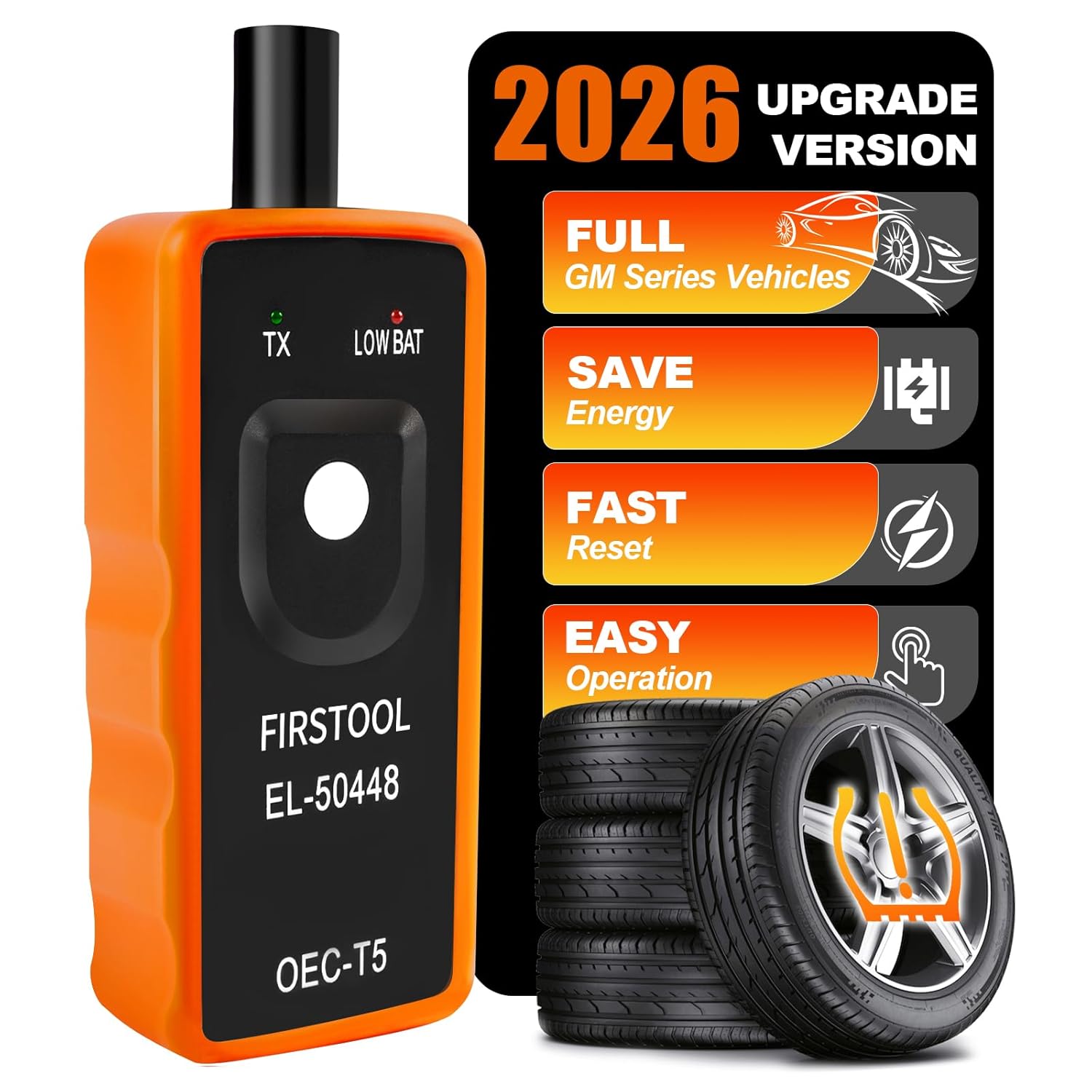
This EL-50448 TPMS relearn tool helps quickly activate and reset tire pressure sensors so your vehicle’s monitoring system stays accurate after tire rotations, sensor replacement, or seasonal tire changes. Designed for many GM-related vehicles and compatible with common 315 and 433 MHz TPMS systems, it offers simple one-button operation and reliable performance for clearing warning lights and relearning sensor positions.

Keep your vehicle looking freshly detailed with this all-in-one car care wipe kit from Armor All. It includes cleaning, protectant, and glass wipes to remove dirt, defend against UV damage, and deliver a streak-free shine on interior and glass surfaces. Convenient, lint-free, and disposable, these wipes make everyday car interior cleaning fast and simple.

Accurate, Dependable Readings: Factory‑calibrated to ±1 PSI, so you can confidently match your vehicle’s recommended PSI (check the door jamb sticker). Ideal for monthly checks and road trips — consistent results every time, cold or warm.
Proper Tire Inflation
Use the cold tire pressure on the driver-door placard or tire information label, not a generic 30–35 PSI rule. The National Highway Traffic Safety Administration recommends checking tires cold and using the vehicle manufacturer’s recommended pressure.
- Check tire pressure at least monthly and before towing or long trips.
- Rotate tires on schedule to reduce uneven wear and drivetrain vibration.
- Use tires with the correct load rating for your truck and payload.
- Fix alignment problems quickly if you see feathering, cupping, or one-sided wear.
- Avoid unnecessary oversized wheels and heavy tire packages if fuel economy, braking, and drivetrain life are priorities.
Brake System Maintenance
Dragging calipers, contaminated brake fluid, uneven pad wear, and warped rotors increase rolling resistance and send vibration through the driveline. Inspect pads, rotors, calipers, hoses, brake fluid condition, and parking brake operation at scheduled services.
- Replace pads before they damage rotors.
- Torque lug nuts to specification after wheel removal.
- Flush or replace brake fluid when testing or Toyota service guidance shows it is due.
- Investigate brake smell, pull, vibration, or hot wheels immediately.
Payload and Towing Loads
Engine life drops when a truck is constantly overloaded. Stay within payload, gross combined weight rating, tongue weight, axle ratings, and tire load limits. Use the right hitch setup, distribute weight correctly, and avoid high-speed towing in extreme heat.
Rust Prevention and Undercarriage Care for Long-Term Health
Rust can shorten a Tundra’s usable life even when the engine still runs well. Frame corrosion, seized fasteners, leaking brake lines, damaged fuel lines, and rusted suspension mounts can turn a reliable truck into an unsafe one.
Undercarriage Cleaning Routine
Wash the undercarriage after winter storms, beach driving, muddy trails, and salted roads. Focus on the frame rails, crossmembers, wheel wells, spring mounts, brake lines, fuel lines, hitch area, and skid-plate pockets where salt and mud collect.
- Use low-to-moderate pressure around electrical connectors, seals, and sensors.
- Let the truck dry before applying rust inhibitor.
- Remove loose scale before coating; do not trap moisture under thick products.
- Photograph problem areas so you can track rust over time.
- Have structural rust inspected before towing or hauling heavy loads.
Frame Rust Protection
A simple seasonal routine works best: clean, inspect, treat, and document. If you live where salt is common, apply a quality corrosion inhibitor every 6–12 months and touch up exposed metal before it spreads.
| Action | Frequency | Notes |
|---|---|---|
| Clean undercarriage | Monthly in winter | Remove salt, mud, and trapped debris |
| Apply inhibitors | Every 6–12 months | Focus on seams, brackets, and frame rails |
| Inspect/frame repair | Seasonal | Treat surface rust early; inspect structural rust professionally |
Driving Habits That Extend Your Tundra’s Engine Life
Good driving habits reduce heat, bearing load, oil contamination, and transmission stress. You do not need to baby the truck, but you should avoid repeated hard launches, overloaded towing, long idling, and constant short trips where the engine never fully warms up.
- Accelerate smoothly until the engine and transmission reach operating temperature.
- Avoid shutting the engine off immediately after hard towing or steep climbs; let temperatures stabilize first.
- Plan errands to reduce repeated cold starts and very short trips.
- Use the correct towing mode and avoid lugging the engine under heavy load.
- Back off speed in extreme heat, steep grades, or strong headwinds while towing.
- Fix warning lights, rough idle, misfires, knocking, or coolant-temperature changes immediately.
Inspecting a High-Mileage Tundra Before Daily Use or Purchase
A high-mileage Tundra can be a strong buy, but only if the service history and inspection match the asking price. Start with records, not appearance. A clean interior does not prove the engine oil, coolant, transmission fluid, plugs, brakes, or frame were maintained.
Note: For 2022–2024 Tundras, check recall status by VIN before purchase. Toyota has announced engine-related recalls involving machining debris on certain late-model non-hybrid Tundras, and recall eligibility depends on the exact vehicle.
- Check Toyota and NHTSA recall tools with the VIN before buying.
- Review oil-change receipts, coolant service, spark plug replacement, transmission service, and differential/transfer case service.
- Start the truck cold and listen for timing noise, knocking, ticking, rough idle, exhaust leaks, and belt noise.
- Scan for current, pending, and historical diagnostic codes.
- Inspect the dipstick and oil cap for sludge, fuel smell, metallic particles, or coolant contamination.
- Check coolant color, reservoir level, radiator condition, hose softness, water pump area, and signs of dried coolant.
- Drive long enough to test transmission shifts, torque-converter behavior, temperature stability, braking, steering, and 4WD engagement.
- Inspect frame rails, cab mounts, bed mounts, brake lines, fuel lines, rocker panels, suspension points, and hitch structure for corrosion.
- Have a trusted mechanic perform a pre-purchase inspection if records are incomplete or the truck has towed heavily.
Simple DIY Checks and Tools to Catch Problems Early
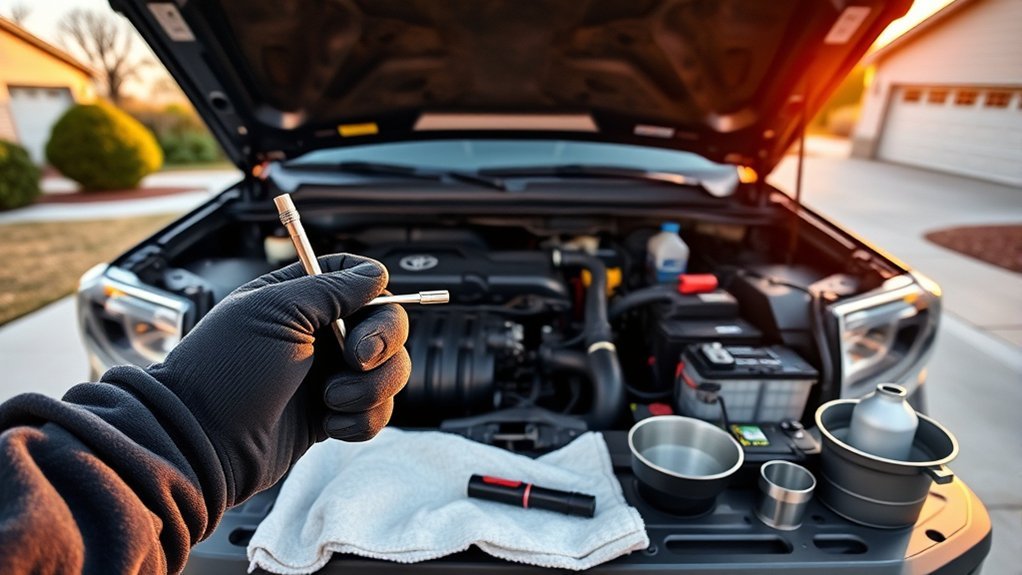
You do not need a lift to catch many expensive problems early. A monthly inspection with a flashlight, tire gauge, OBD-II scanner, and maintenance log can reveal patterns before they become failures.
- Check engine oil level monthly and before long trips or towing.
- Look for new drips under the engine, transmission, transfer case, differentials, and coolant system.
- Inspect the air filter more often on dusty roads.
- Check coolant level when cold and investigate any unexplained drop.
- Read stored codes if the truck feels different, even before a warning light stays on.
- Measure tire pressure cold and inspect tread wear.
- Retorque wheels correctly after tire rotation or brake work.
- Write down mileage, date, fluid used, parts used, and any symptoms.
Pro Tip: A simple maintenance log is one of the cheapest engine-life tools you can own. It helps you spot rising oil consumption, repeat coolant loss, uneven tire wear, and missed service intervals.
[Products Worth Considering]

Understand Your Check Engine Light – The ANCEL AD410 OBD2 scanner helps everyday drivers quickly read and clear engine-related fault codes, view code definitions, and understand why the check engine light is on before visiting a repair shop. With 42,000+ built-in DTC lookups, this car code reader helps reduce guesswork and makes basic vehicle diagnostics easier for beginners and DIY users

CEL Doctor: The ANCEL AD310 is one of the best-selling OBD II scanners on the market and is recommended by Scotty Kilmer, a YouTuber and auto mechanic. It can easily determine the cause of the check engine light coming on. After repairing the vehicle's problems, it can quickly read and clear diagnostic trouble codes of emission system, read live data & hard memory data, view freeze frame, I/M monitor readiness and collect vehicle information

SUBSCRIPTION REQUIRED for Advanced Features: The Carista EVO Scanner activates basic OBD2 features upon purchase. To access advanced diagnostics, service tools, live data parameters, and vehicle customization, a paid subscription to the Carista App is required. Choose between 1-month, or 12-month plan to access Carista Advanced features.
Frequently Asked Questions
How many Tundra engines need to be replaced?
Most Tundra engines do not need replacement as normal maintenance. However, certain 2022–2024 non-hybrid Tundras have been covered by engine-related recalls tied to machining debris. Check your VIN at Toyota’s recall lookup or NHTSA’s recall lookup to see whether your specific truck has an unrepaired recall.
Can a Toyota Tundra last 300,000 miles?
A well-maintained Tundra can reach very high mileage, but 300,000 miles is not guaranteed. The trucks that get there usually have consistent oil changes, cooling-system care, rust prevention, transmission and differential service, timely repairs, and a driving history that avoids chronic overheating or overloading.
What oil should I use in a Toyota Tundra?
Use the oil grade and viscosity in your owner’s manual for your exact engine. Many recent U.S. Tundras specify SAE 0W-20 with the required ILSAC grade, but you should confirm by model year and engine rather than relying on a universal 5W-30 recommendation.
How often should I change Tundra oil?
Follow Toyota’s maintenance guide for your model year. Many schedules separate normal use from special operating conditions. If you tow, idle for long periods, drive dusty roads, make repeated short cold trips, or haul heavy loads, use the shorter severe-service interval.
Does the Toyota Tundra have a timing belt or timing chain?
It depends on the engine and model year. Some older engines use a timing belt, while many later Tundras use timing chains. Check the owner’s manual or service information for your VIN before planning a timing service.
What shortens Tundra engine life the fastest?
The biggest engine-life killers are missed oil changes, wrong oil, overheating, coolant neglect, dirty air filtration, towing beyond limits, ignoring misfires or knocking, long-term rust damage, and continuing to drive after warning signs appear.
Conclusion
Extending Toyota Tundra engine life comes down to precision, not guesswork. Use the maintenance guide for your exact truck, choose the correct oil, shorten service intervals when you tow or drive in harsh conditions, keep coolant and drivetrain fluids fresh, prevent rust, maintain tires and brakes, and check recall status before buying or troubleshooting a late-model truck. Do those consistently and your Tundra has a much better chance of delivering the long service life the model is known for.
Sources
- Toyota 2024 Tundra Warranty & Maintenance Guide — scheduled maintenance, special operating conditions, spark plugs, coolant, and severe-duty items.
- Toyota 2021 Tundra Warranty & Maintenance Guide — 2007–2021-generation maintenance reference points, oil notes, coolant, spark plugs, and severe-duty items.
- Toyota 2024 Tundra Maintenance Data — owner-manual oil grade, viscosity, coolant, and fluid specifications.
- Toyota May 2026 Tundra Recall Notice — current engine-debris recall information and VIN-check guidance.
- NHTSA Tire Safety — cold tire-pressure and placard guidance.
- U.S. EPA Used Oil Recycling Guidance — safe used-oil and filter recycling practices.