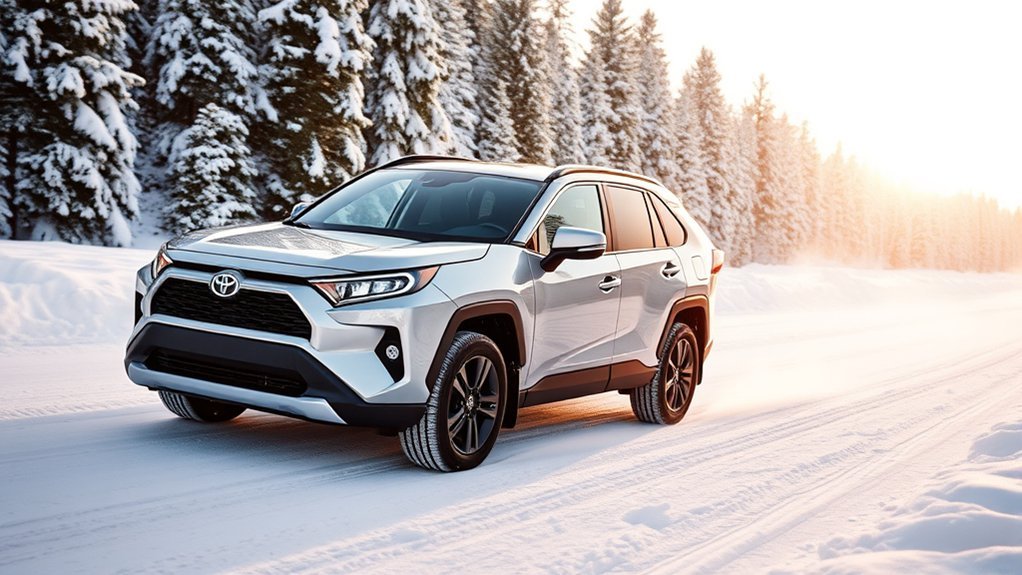
Driving a Toyota RAV4 in snow is safest when you treat its all-wheel-drive system as a traction aid, not a substitute for winter driving habits. Use Snow Mode or Trail/Multi-Terrain Select if your RAV4 has it, slow down early, leave more room than usual, and choose tires that match your winter conditions. Features vary by model year and trim, so always check your owner’s manual before relying on a specific drive mode.
Quick Answer
For snow, drive your Toyota RAV4 gently, use Snow Mode if equipped, keep AWD/VSC/traction control active, and avoid sudden braking or steering. AWD helps you get moving, but winter tires and a longer following distance are what help most with stopping and control on snow or ice.
Key Takeaways
- Snow Mode softens throttle response and helps reduce wheel spin, but it does not make icy roads safe at normal speeds.
- AWD helps with acceleration and stability, while tires do most of the work for braking, cornering, and grip.
- Dedicated winter tires are best for frequent snow, slush, and ice; all-weather tires are a practical middle ground for milder winters.
- Leave extra following distance, brake early, and keep steering inputs smooth to avoid skids.
- Carry a winter emergency kit, especially for highway trips, rural roads, and mountain driving.
At a Glance
| Time Required | 5–10 minutes to set up before driving |
| Difficulty | Easy, but requires slower and smoother driving |
| Tools Needed | Tire pressure gauge, ice scraper, snow brush, emergency supplies |
| Cost | Free for driving technique; higher if adding winter tires, chains, or emergency gear |
How the Toyota RAV4 Handles Snow and Ice
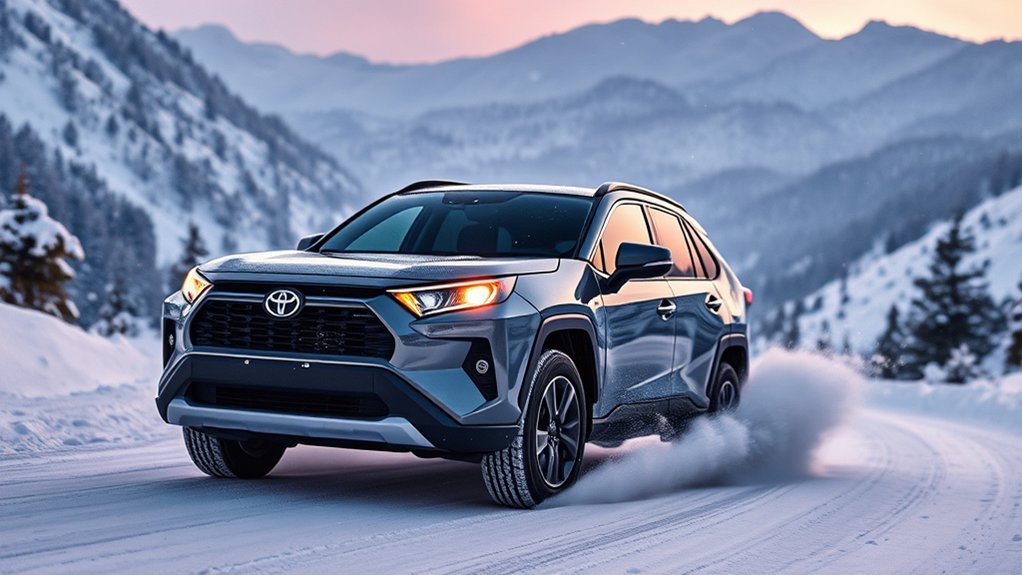
The Toyota RAV4 can be a strong winter vehicle when it is equipped and driven properly. Many RAV4 models offer all-wheel drive, and newer hybrid and plug-in hybrid versions use an electronic on-demand AWD setup that can send power to the rear wheels when extra traction is needed. Toyota also lists available Dynamic Torque Vectoring All-Wheel Drive and up to 8.6 inches of ground clearance on certain RAV4 configurations, which helps in moderate snow but does not make the vehicle immune to getting stuck.
The biggest advantage of AWD is that it helps the RAV4 move away from a stop and maintain better traction while accelerating. The biggest limitation is stopping: AWD does not shorten braking distance on ice. Your tires, road speed, following distance, and braking technique matter more once you need to slow down or turn.
Warning: Do not assume AWD lets you drive at normal dry-road speeds in snow. It can help you go, but it cannot cancel out ice, poor tires, or a short stopping distance.
What Mode Should You Use in Snow?
If your RAV4 has Snow Mode, use it when roads are covered with snow, slush, or light ice. In Toyota owner guidance for AWD models, Snow Mode is designed to support snowy-road driving by changing vehicle response. In plain language, it helps make the RAV4 less jumpy from a stop and less likely to spin its wheels when you press the accelerator.
Some RAV4 trims may also include Multi-Terrain Select, with modes such as Snow, Mud & Sand, or Rock & Dirt depending on the model year and trim. Use the mode that matches the surface. For normal paved roads with snow or slush, Snow Mode is the right choice if available.
Note: On many RAV4 models, AWD is automatic. You normally do not “engage AWD” manually. Instead, select the appropriate drive mode, keep traction and stability control on, and let the system manage power delivery.
How Snow Mode Enhances Winter Driving
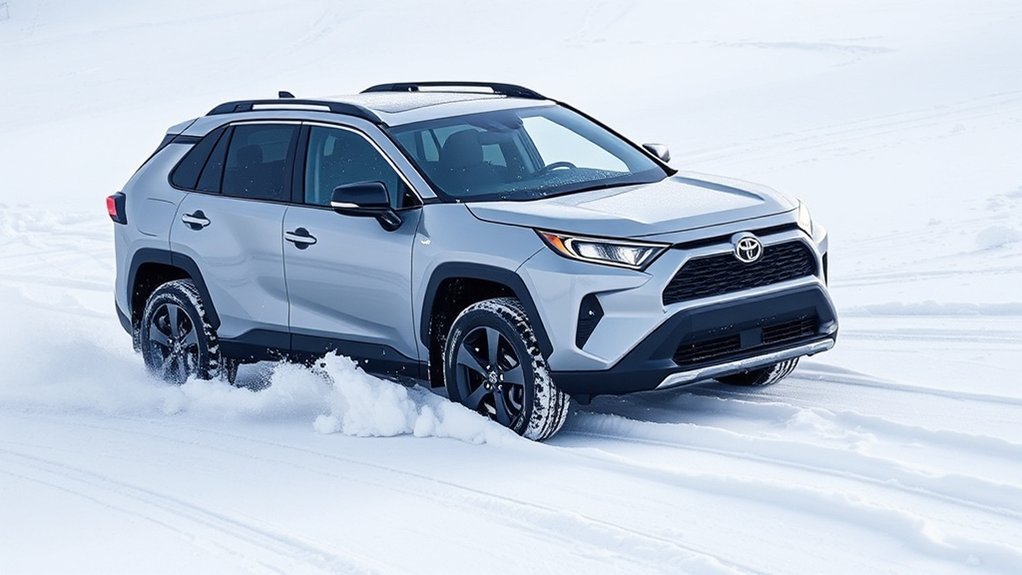
Snow Mode helps most when you are starting from a stop, climbing a snowy driveway, or driving slowly through a slippery neighborhood street. It can make the accelerator feel calmer, help reduce wheel spin, and work with the RAV4’s traction and stability systems.
- Smoother starts: Snow Mode reduces the chance of sudden wheel spin when you press the accelerator.
- Better low-speed control: The RAV4 feels easier to manage on packed snow or slick pavement.
- More predictable response: Softer throttle behavior can help prevent abrupt weight shifts that trigger sliding.
Snow Mode is not a deep-snow rescue button. If snow is deeper than the vehicle’s ground clearance, if the underbody is resting on packed snow, or if the tires cannot bite, the RAV4 can still get stuck.
Safety Tips for Driving in Snow With Your RAV4
Check Road Conditions Before You Go
Before leaving, check the weather, road closures, and local travel advisories. If freezing rain, black ice, whiteout conditions, or a severe winter warning is in effect, the safest choice may be to delay the trip. The National Highway Traffic Safety Administration advises drivers to slow down in winter weather because slick or snow-covered surfaces make vehicles harder to control and stop.
Accelerate and Brake Gradually
Use light pressure on the accelerator and brake pedal. Sudden throttle input can cause wheel spin, and sudden braking can make the tires lose grip. In most snowy situations, it is safer to begin slowing down earlier than usual and let the RAV4 settle before turning.
Keep Extra Following Distance
Leave much more space than you would on dry pavement. A good winter target is at least 6 to 8 seconds behind the vehicle ahead, and even more on ice, hills, bridges, or poorly plowed roads. If another driver cuts into that gap, ease off and rebuild the space instead of braking sharply.
Steer Smoothly
Most winter skids start when the driver asks the tires to do too much at once. Avoid braking hard while turning, avoid jerky steering, and do not accelerate aggressively through a curve. Slow down before the turn, steer gently, and accelerate only after the RAV4 is pointed straight again.
Keep VSC and Traction Control On
Vehicle Stability Control and traction control are there to help correct wheel slip and skids. Leave them on for normal snow driving. Only consider reducing traction control briefly if you are stuck and need a small amount of controlled wheel spin to rock the vehicle free, then turn it back on.
Pro Tip: Practice gentle starts, stops, and turns in an empty snowy parking lot before you need those skills in traffic. Learning how your RAV4 reacts at low speed builds confidence without risking a busy road.
Best Tires for Winter Performance
Tires are the most important winter upgrade for a RAV4. AWD helps distribute power, but the tires are the only parts touching the road. Tire Rack’s winter testing has repeatedly shown that dedicated winter tires outperform all-season tires in deep snow, frequent slush, and icy conditions.
[Products Worth Considering]

The AICEL TPMS Relearn Tool helps quickly reset and relearn tire pressure sensors on compatible GM vehicles after tire rotation, sensor replacement, or warning light issues. Designed for easy handheld use, it works with most cars, SUVs, and pickup trucks and can save time by eliminating unnecessary trips to the auto store. Its durable ABS housing and simple activation process make it a practical tool for keeping the tire pressure monitoring system operating properly.

This smart color coded tire tread depth gauge makes it easy to check tread wear at a glance with clear red, yellow, and green ranges. Calibrated from 0 to 1 inch in 1/32 inch increments, it helps you quickly assess tire condition for safer driving and timely replacements. The pocket clip design makes it convenient to carry and use on trucks, motorcycles, cars, and other passenger vehicles.

This extendable snow brush and ice scraper helps clear windshields, roofs, and windows quickly in harsh winter conditions. Its 360° pivoting brush head, wide ice scraper blade, and comfortable foam grip make snow removal easier, while the detachable design stores compactly in your vehicle.
Winter Tires
Choose dedicated winter tires if you regularly drive in snow, ice, freezing rain, mountain passes, or rural winter roads. Winter tires use rubber compounds and tread patterns designed to stay flexible in cold weather and grip packed snow better than ordinary all-season tires.
All-Weather Tires
All-weather tires can be a good option if your area sees moderate winter weather but you do not want to swap tire sets twice a year. Look for the three-peak mountain snowflake symbol, which indicates the tire meets a snow-traction performance standard.
All-Season Tires
All-season tires may be acceptable for light snow in milder climates, but they are a compromise. They are not the best choice for frequent ice, deep snow, steep snowy roads, or long winter highway trips.
Tire Pressure and Tread Depth
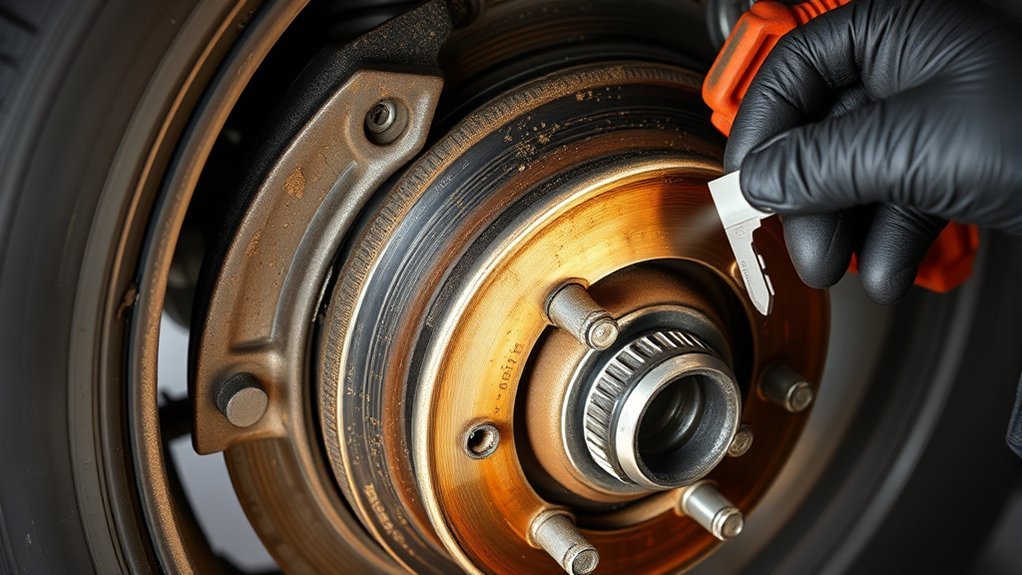
Cold weather can lower tire pressure, so check your RAV4’s tire pressure regularly and set it to the recommended PSI listed on the driver-side door placard. Also inspect tread depth and uneven wear before winter starts. Worn tires can make even an AWD RAV4 feel unstable on snow.
AWD helps your RAV4 move, but the right tires help it stop, turn, and stay predictable.
Best RAV4 Trims for Winter Driving
The best RAV4 for winter driving is usually one with AWD, suitable tires, heated comfort features, and the drive modes that match your roads. The exact trim names and AWD systems vary by model year, so use this as a practical guide rather than a fixed rule for every RAV4 ever built.
[Products Worth Considering]

The KONNWEI KW208 is a versatile 12V battery tester designed to quickly analyze battery health, cranking performance, and charging system status for cars, trucks, boats, motorcycles, and more. It supports multiple battery types and provides clear guidance on whether a battery should be recharged or replaced, helping you diagnose issues before they become failures. With plug-and-play use, high accuracy, and multilingual support, it offers a convenient way to test batteries in-vehicle or out-of-vehicle.

This dual dash cam captures detailed road footage with front and rear recording for added driving security. Built-in WiFi and app control make it easy to review, download, and manage videos from your phone, while the IPS screen provides clear on-device viewing. With loop recording, G-sensor protection, parking mode, and WDR support, it is designed to help document incidents day or night.

[Fitment]: This KAX Struts and Shocks Complete Assembly with Coil Spring replacement for 2000 Toyota RAV4 AWD(From 05/2000; w/P215/70R16 Tires; w/Permanently Sealed Struts), 2001-2002 RAV4 AWD AT(w/Air Conditioning), 2003-2005 RAV4 AWD.
AWD RAV4 Models
If you drive in snow often, AWD is worth choosing over front-wheel drive. FWD RAV4 models can handle light snow with proper tires and careful driving, but AWD gives better traction when starting, climbing grades, or driving through uneven snow.
Adventure, TRD Off-Road, Woodland, and Rugged Trims
Older Adventure and TRD Off-Road trims, plus newer rugged-oriented RAV4 grades such as Woodland depending on model year, are strong choices for drivers who see rougher roads, deeper snow, gravel, or unplowed driveways. These trims may include features such as higher ground clearance, all-terrain tires, Multi-Terrain Select, or enhanced AWD hardware.
XLE Premium, Limited, and Hybrid Trims
Comfort-focused trims with AWD are often the best fit for city and suburban winter driving. Heated front seats, a heated steering wheel, heated mirrors, remote start capability, and good visibility can make daily snow driving easier and safer.
Plug-In Hybrid and Newer Hybrid Models
RAV4 Hybrid and RAV4 Plug-in Hybrid models can be excellent in winter when equipped with AWD and proper tires. Toyota’s electronic on-demand AWD systems use a rear electric motor on AWD hybrid models to help provide rear-wheel traction when needed.
Preparing Your RAV4 for Winter Weather
Winter preparation should start before the first storm. A few simple checks can prevent many cold-weather problems and make the RAV4 easier to control when roads get slick.
- Install the right tires: Use winter tires for harsh climates, or all-weather tires for moderate snow.
- Check tire pressure: Set pressure to the door-placard recommendation when the tires are cold.
- Top off winter washer fluid: Use fluid rated for freezing temperatures.
- Inspect wiper blades: Replace streaking or cracked blades before snow season.
- Test the battery: Cold weather weakens batteries, especially older ones.
- Clear all snow and ice: Clean the windshield, roof, hood, mirrors, lights, cameras, sensors, and license plates before driving.
- Keep the gas tank or battery charged: For gas and hybrid models, avoid running near empty in winter. For plug-in models, start with enough charge and fuel for delays.
Warning: Do not warm up the vehicle in a closed garage. Carbon monoxide can build up quickly. Move the RAV4 outside before idling for cabin heat or defrosting.
Essential Comfort Features for Winter Drives
Winter comfort features are not just luxuries. They can help visibility, reduce fatigue, and keep your hands and body warm enough to drive smoothly.
- Heated front seats: Help warm you quickly so you can stay relaxed behind the wheel.
- Heated steering wheel: Helps you keep a secure grip without bulky gloves.
- Heated mirrors: Improve side visibility when ice and frost build up.
- Remote start or remote climate features: Help defrost the windshield before you leave, where equipped and used safely.
- All-weather floor mats: Trap snow, slush, salt, and mud before they soak into the carpet.
- Dual-zone climate control: Keeps the driver and passengers comfortable without constant adjustments.
Before driving away, make sure the windshield, rear glass, side windows, mirrors, headlights, taillights, and driver-assistance sensors are clear. Snow left on the roof can slide onto your windshield or blow into traffic behind you.
What to Keep in Your RAV4 for Emergencies
A winter emergency kit is especially important if you drive on highways, mountain roads, rural routes, or areas where help may take time to arrive. NHTSA and OSHA both recommend preparing your vehicle before winter trips and carrying supplies for cold-weather delays.
- Ice scraper and snow brush
- Blanket, gloves, hat, and warm layers
- Flashlight with extra batteries
- Portable phone charger or power bank
- Jumper cables or a portable jump starter
- Small shovel
- Traction aid such as sand, non-clumping cat litter, or traction boards
- First-aid kit
- Water and non-perishable snacks
- Reflective triangles or road flares
- Tire chains or cables if legal and recommended for your route
If you carry tire chains or cables, confirm they are compatible with your RAV4’s tire size and your owner’s manual. Some vehicles have clearance limits around the wheel wells, brakes, and suspension.
[Products Worth Considering]
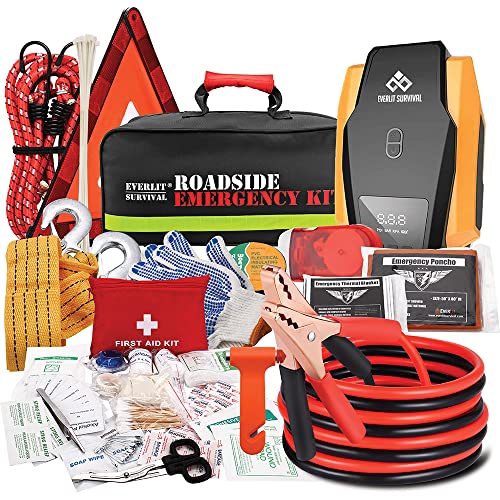
The Road Guardian- The portable roadside assistance kit is designed and hand picked by a group of experienced veterans and experts to provide every essential tools you need in roadside emergencies. The automotive safety bag contains accessories such as repair cable ties, bungee cords, electrical tape, space blanket, rain poncho, reflective warning triangle, glass breaker, seatbelt cutter, safety gloves, tow rope and more to get your vehicle back on the road and continue your travel.

Premium Roadside Emergency Kit: This winter safety kit includes 86 essential items, featuring 12 ft 8 Gauge jumper cables, and a 73-item first aid kit, preparing you for any roadside crisis

Portable & Compact: The car safety kit is designed to fit neatly into an organizer bag, allowing for easy storage in either the backseat or trunk of your vehicle. This ensures that all essential safety items are kept together and easily accessible in case of an emergency. By keeping the kit organized and readily available, you can be better prepared for unexpected situations while on the road
How to Get a RAV4 Unstuck in Snow
If your RAV4 gets stuck, stay calm and avoid spinning the tires aggressively. Fast wheel spin can dig the tires deeper, overheat components, or polish the snow into ice.
- Clear snow around the tires: Use a shovel, brush, or gloved hands to open a path in front of and behind each tire.
- Straighten the steering wheel: Straight wheels reduce resistance and help the tires climb out.
- Use Snow Mode or Trail/Multi-Terrain mode if equipped: Select the mode that best matches the surface.
- Try gentle rocking: Shift between reverse and drive only after the vehicle stops moving, and use very light throttle.
- Add traction: Place sand, cat litter, traction boards, or floor mats in front of the drive path if safe to do so.
- Stop if it is not working: If the RAV4 is high-centered or the wheels keep digging down, call for help rather than forcing it.
Note: If you are stuck near traffic, prioritize visibility and personal safety. Turn on hazard lights, stay clear of moving vehicles, and call roadside assistance when needed.
Real User Experiences Driving a RAV4 in Snow
RAV4 owners commonly report the best winter results when three things come together: AWD, quality winter or all-weather tires, and patient driving. The vehicle’s ground clearance helps in moderate snow, and Snow Mode can make low-speed driving feel smoother. However, drivers who rely only on AWD with worn all-season tires often notice longer stops, more sliding, and less confidence on ice.
Driving in Light Snow
In light snow, an AWD RAV4 with good tires usually feels stable and predictable. Use Snow Mode if equipped, keep your speed down, and avoid sudden lane changes. FWD models can also do well in light snow when fitted with proper tires.
Navigating Deeper Snow
In deeper snow, ground clearance becomes important. A RAV4 can handle moderate accumulation, but it is not built like a heavy-duty off-road truck. If snow is deep enough to pack under the vehicle, reduce speed and avoid stopping in the deepest areas. For frequent unplowed roads, a rugged AWD trim with winter tires is the better setup.
Tire Performance Insights
The most consistent owner lesson is simple: tires change everything. Winter tires improve confidence during braking and turning, while worn all-season tires can make even an AWD model feel nervous on packed snow or ice.
Common Winter Driving Mistakes to Avoid
- Driving too fast for conditions: Speed is the main reason AWD vehicles still slide off snowy roads.
- Following too closely: Snow and ice demand more stopping space.
- Using cruise control on slick roads: Control speed manually in snow, slush, and ice.
- Making sudden inputs: Abrupt steering, braking, or acceleration can break traction.
- Ignoring tire condition: AWD cannot compensate for bald or unsuitable tires.
- Leaving snow on the vehicle: Snow and ice can block your view or fly off into other traffic.
Frequently Asked Questions
What mode should I drive my RAV4 in for snow?
Use Snow Mode if your RAV4 has it. If your model has Multi-Terrain Select, choose the Snow setting for snowy paved roads. If your RAV4 does not have Snow Mode, drive gently, leave traction and stability control on, and avoid sudden throttle, braking, or steering.
Is the Toyota RAV4 good for winter driving?
Yes, the Toyota RAV4 can be good for winter driving, especially with AWD and proper winter or all-weather tires. Its higher ride height and available snow-focused drive modes help, but safe winter driving still depends on speed, tire grip, road conditions, and driver input.
Do I need winter tires on an AWD RAV4?
You need winter tires if you regularly drive in snow, ice, slush, or temperatures near freezing. AWD helps with acceleration, but winter tires improve braking and turning. For mild winters, all-weather tires with the three-peak mountain snowflake symbol can be a practical alternative.
Can a RAV4 drive in deep snow?
A RAV4 can handle moderate snow, especially with AWD and winter tires, but it can still get stuck in deep snow. If snow is deeper than the vehicle’s ground clearance or packs under the body, traction drops quickly.
Should I turn traction control off in snow?
Leave traction control and Vehicle Stability Control on for normal snow driving. Only consider reducing traction control briefly if you are stuck and need a small amount of wheel spin to rock the vehicle free. Turn it back on once you are moving again.
Is Snow Mode better than Eco Mode in winter?
Snow Mode is usually better for slippery roads because it is designed for traction and smoother response. Eco Mode is designed mainly for efficiency and may not provide the same snow-focused behavior.
Conclusion
Driving a Toyota RAV4 in snow is about preparation and restraint. Use Snow Mode if equipped, rely on AWD as a helpful support system, and remember that tires and smooth driving matter most. With the right winter tires, extra following distance, clear visibility, and a proper emergency kit, your RAV4 can be a confident and practical winter vehicle.
Sources
- Toyota Owners Manuals and Warranties — owner-manual reference for RAV4 features, controls, and model-specific guidance
- Toyota Crossovers and Compact SUVs — official RAV4 AWD and ground-clearance information
- Toyota USA Newsroom: 2026 RAV4 — official information on current RAV4 hybrid and AWD systems
- NHTSA Winter Driving Tips — winter road safety, vehicle preparation, and safe driving recommendations
- OSHA Safe Winter Driving — winter trip preparation and emergency safety guidance
- Tire Rack All-Season vs. Winter Tire Test — winter tire performance comparison and traction guidance