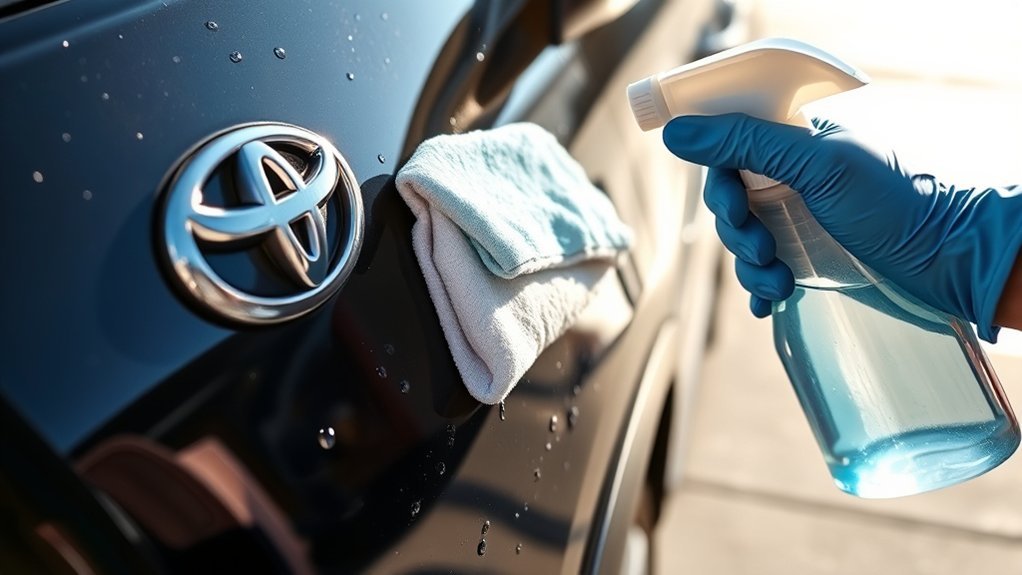
Road tar can stick hard to your Toyota RAV4’s paint, especially around the lower doors, rocker panels, wheel arches, rear bumper, and behind the tires. The safest way to remove it is to wash first, soften the tar with a paint-safe tar remover, wipe gently with microfiber, rinse, and then restore wax or sealant protection. Avoid harsh scrubbing, steel wool, household abrasives, gasoline, and razor blades on painted panels.
Quick Answer
To clean road tar off a Toyota RAV4 without damaging paint, wash and dry the area first, apply a dedicated tar remover to a cool panel, let it dwell briefly, then wipe with a clean microfiber towel. Rinse well, repeat if needed, clay any leftover specks, and finish with wax or sealant.
Key Takeaways
- Always wash first so dirt and grit do not scratch the RAV4’s clear coat while you wipe the tar.
- Use a paint-safe tar remover, such as Stoner Tarminator or Koch-Chemie Eulex, and follow the product dwell-time directions.
- Use microfiber towels, light pressure, and repeated short applications instead of aggressive scrubbing.
- Do not use steel wool, Comet cleanser, gasoline, Coleman fuel, or metal razor blades on painted panels.
- After tar removal, reapply wax, sealant, or ceramic spray because solvents and clay can reduce existing protection.
At a Glance
| Time Required | 20–45 minutes for normal tar spots; longer for heavy buildup |
| Difficulty | Easy to moderate |
| Tools Needed | Car wash soap, hose or pressure washer, microfiber wash mitt, microfiber towels, tar remover, clay bar or synthetic clay mitt, clay lubricant, wax or sealant |
| Cost | About $15–$60, depending on products already on hand |
Understanding Road Tar’s Impact on Your RAV4’s Finish
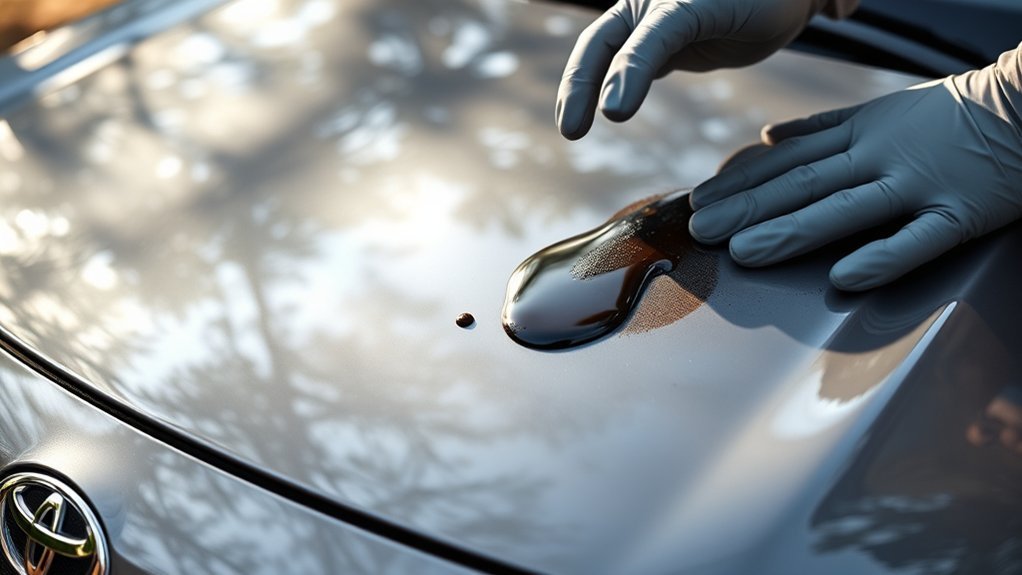
Road tar is a sticky petroleum-based contaminant that often comes from fresh asphalt, road repairs, construction zones, and hot pavement. Once it lands on your RAV4, it can collect dust and grit, making the lower paint panels look dull and dirty.
Tar usually does not ruin paint the second it lands, but leaving it there is a bad idea. Toyota’s exterior-care guidance recommends washing the vehicle promptly when coal tar, tree sap, insects, bird droppings, salt, mud, or chemical contamination is present on the paint. That is because stuck-on contaminants can make cleaning harder over time and may contribute to paint deterioration if neglected.
On lighter RAV4 colors, tar looks like black or brown dots. On darker colors, it may show up as rough specks that catch your towel when you wash. Either way, the goal is the same: soften the tar chemically, remove it gently, and protect the finish afterward.
Warning: Do not attack tar with dry wiping, steel wool, scouring pads, household cleanser, gasoline, or a metal razor blade on paint. These methods can scratch, haze, stain, or permanently damage the clear coat.
Essential Materials for Effective Tar Removal
For safe road tar removal, use products made for automotive exterior surfaces. The right materials make the job faster and reduce the risk of scratching your RAV4’s paint.
[Products Worth Considering]

This custom-fit windshield sun shade umbrella is designed for Toyota Rav4 models from 2019 through 2026, helping block sunlight and reduce interior heat for a cooler driving experience. Its upgraded cooling material, high-density fabric, and reflective coating work together to protect your dashboard and seats from UV damage while offering quick umbrella-style setup and compact storage.

This plastic razor blade scraper set is designed to remove stickers, decals, glue, grease, and paint without scratching delicate surfaces. It includes four ergonomic scrapers and 100 replacement plastic blades for convenient, long-term use on glass, windows, cars, walls, appliances, and more. Easy blade changes and a comfortable grip make it a practical choice for everyday cleaning and removal tasks.

This complete vinyl wrap applicator kit provides the essential tools needed for smooth vehicle wrapping, window tinting, and film installation. It includes a versatile mix of squeegees, cutting tools, holding magnets, and protective accessories to help with corners, bumpers, marking, trimming, and finishing. Designed for precision and convenience, it supports cleaner application and more efficient installation on a variety of wrap and film projects.
Effective Removal Products
Good tar removal starts with a paint-safe cleaner and gentle towels. These are the most useful options:
- Dedicated tar remover: Products such as Stoner Tarminator are made to break down tar, sap, bug residue, and asphalt buildup. Use only as directed, keep the panel cool, and do not let the product dry on the surface.
- Koch-Chemie Eulex: Koch-Chemie Eulex is a strong adhesive, tar, resin, grease, and stain remover for solvent-resistant surfaces, including paintwork. Because it is a solvent cleaner, test first and keep it away from sensitive plastics, decals, and rubber trim.
- 3M Adhesive Remover: 3M Adhesive Remover can remove adhesive, tar, and wax from most cured automotive paint surfaces without scraping tools or abrasives. Note that some 3M versions are labeled for industrial or occupational use, so read the product label before buying or applying.
- Clay bar or synthetic clay mitt: A clay product, such as Meguiar’s Smooth Surface Clay Kit, can remove tiny bonded specks left behind after chemical tar removal.
- WD-40 as a backup: WD-40 can help loosen tar in some cases, but it is not the best first choice for a well-maintained finish. If you use it, follow the product instructions, wash the area afterward with car soap, and reapply protection.
Tools You Should Have Ready
- pH-balanced car wash soap
- Hose, pressure washer, or clean water source
- Microfiber wash mitt
- Several clean microfiber towels
- Nitrile gloves
- Tar remover or adhesive remover
- Clay bar, clay towel, or synthetic clay mitt
- Clay lubricant or quick detail spray
- Wax, paint sealant, or ceramic spray sealant
Note: If your RAV4 has matte paint, vinyl wrap, fresh body-shop paint, decals, paint protection film, or ceramic coating, check the care instructions for that surface before using tar remover.
Application Techniques Overview
The safest technique is simple: clean, soften, wipe, rinse, and protect. Work in the shade on a cool surface. Spray the tar remover onto a microfiber towel or directly onto the tar spots, depending on the product label. Let the cleaner dwell for the recommended time, then wipe lightly. If the tar does not come off, apply again instead of pressing harder.
Use a fresh towel face often. Once a towel loads up with tar, it can drag sticky residue and grit across the paint. After each section, rinse the area thoroughly so solvent does not sit on trim, seams, badges, or plastic parts.
Post-Cleaning Maintenance Tips
Tar removers and clay products can strip or weaken existing wax. After the tar is gone, wash the treated area again, dry it, and apply protection. This helps restore slickness and makes future tar easier to remove.
- Inspect the lower panels: Look along the rocker panels, lower doors, wheel arches, mud flaps, and rear bumper.
- Apply wax or sealant: A slick protective layer helps reduce bonding from road film, bugs, tar, and grime.
- Wash regularly: Frequent washing prevents fresh tar and road film from hardening on the surface.
Step-by-Step RAV4 Wash Before Treatment
Do not apply tar remover to a dirty panel. Dirt trapped under a towel can scratch the finish, especially on dark RAV4 paint colors. A proper wash gives you a clean surface so the tar remover can work on tar instead of loose grime.
Initial Vehicle Assessment
Before washing, walk around your RAV4 and check where the tar is located. It is most common behind the front wheels, along the lower doors, around the rocker panels, and on the rear bumper. Heavy tar may feel raised, rough, or gritty when you lightly glide a clean hand over the paint.
- Look for tar spots on the lower half of the vehicle first.
- Check textured plastic trim separately from painted panels.
- Note any existing chips, scratches, peeling clear coat, or repainted areas before applying solvent.
2. Pre-Wash Preparation Steps
Start by rinsing the vehicle well, working from top to bottom. Toyota recommends using plenty of water on the body, wheel wells, and underside to remove dirt and dust before washing. Then wash with car soap and a soft sponge, chamois, or microfiber mitt.
| Step | Action |
|---|---|
| Rinse | Flush away loose dirt, grit, mud, and road film |
| Wash | Use pH-balanced car wash soap and a microfiber mitt |
| Dry | Dry with a clean microfiber towel before applying tar remover |
3. Choosing the Right Detergent
Use a dedicated car wash soap, not dish soap or household cleaner. A pH-balanced automotive shampoo removes grime without being overly harsh on paint protection. Wash gently from the top down, saving the dirtiest lower panels for last.
After washing, rinse thoroughly and dry the tar-affected panels. Tar removers usually work best on a clean, dry, cool surface unless the product label says otherwise.
Pro Tip: Keep a separate microfiber towel set for dirty lower panels. Do not reuse towels that touched tar on upper paint, glass, or glossy black trim until they have been properly cleaned.
How to Apply Koch-Chemie Eulex for Optimal Tar Removal
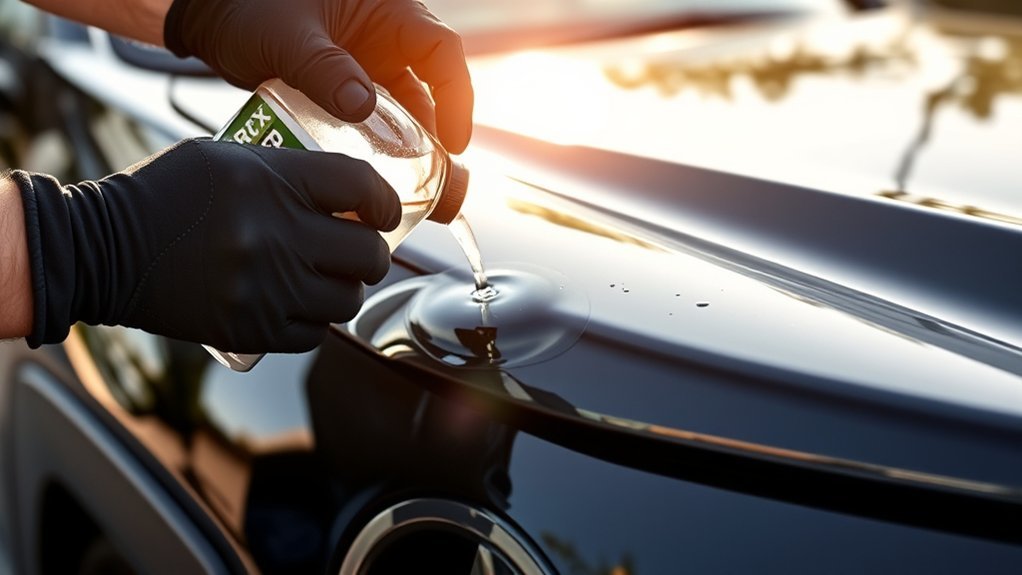
Koch-Chemie Eulex is a strong solvent-based remover for adhesives, rubber marks, resin, grease, tar, and similar contaminants on solvent-resistant surfaces. It can be very effective, but it should be used with care.
- Test first: Apply a small amount to a hidden painted area and check for staining, dulling, softening, or discoloration.
- Work on a cool panel: Keep the RAV4 out of direct sun. Heat can make solvents flash too quickly or leave residue.
- Apply to a towel: For better control, dampen a clean microfiber towel with Eulex instead of flooding the panel.
- Wipe the tar spot gently: Use light pressure and short passes. Let the chemical do the work.
- Repeat if needed: Stubborn dots may need a second application. Do not scrub aggressively.
- Rinse and wash: Once the tar is gone, rinse the area and wash it with car soap to remove solvent residue.
- Protect the paint: Apply wax, sealant, or ceramic spray once the surface is clean and dry.
Warning: Keep strong tar removers away from headlights, clear plastics, decals, rubber seals, unpainted textured trim, and fresh paint unless the product label specifically says the surface is safe.
[Products Worth Considering]

This three-piece windshield wiper set is designed for compatible Toyota RAV4 and Highlander models to help deliver clear visibility in everyday driving. The natural rubber blades feature a graphite-treated surface for quiet, smooth wiping performance and reliable weather resistance. Installation is quick and tool-free, making it easy to replace worn blades on the front and rear of your vehicle.
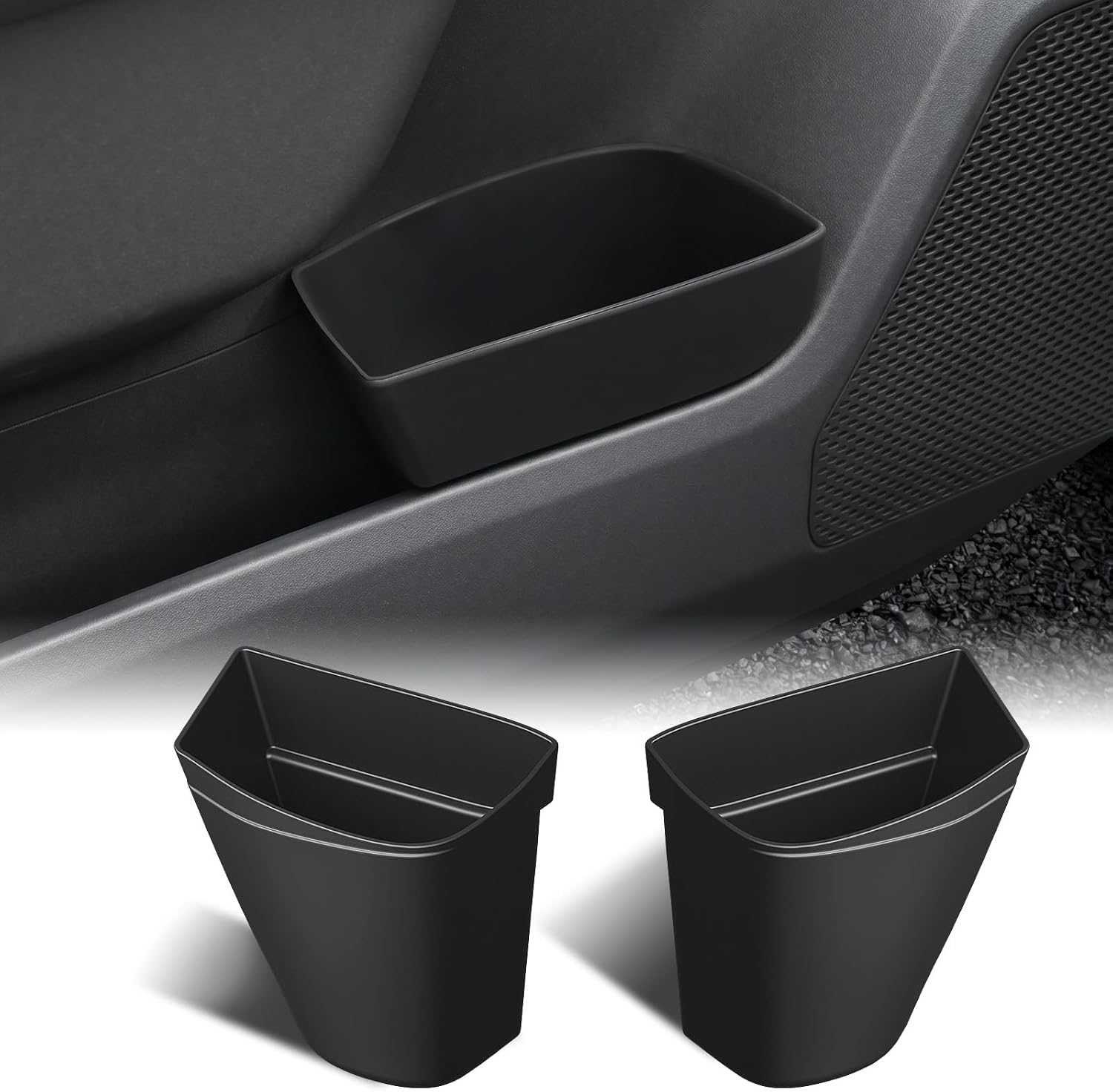
This custom-fit two-piece door side trash can set is designed for the front doors of the 2026 Toyota RAV4, helping keep the cabin organized while adding convenient extra storage. The open-top design allows quick, one-handed disposal of trash and other small items, while the snug silicone construction stays secure without glue and is easy to remove and rinse clean.

This vinyl wrap and tinting kit brings together the essential tools needed for clean, accurate vehicle graphics, window film, and decal installation. The included heat gun, squeegees, magnet holders, cutter, and specialty applicators help reduce bubbles, improve alignment, and make trimming and finishing easier in tight or detailed areas. It is a practical all-in-one solution for car wrapping, tinting, and sign work.
Effective Clay Bar Techniques for Tar Removal
A clay bar is useful after the main tar spots are chemically removed. It is not the best first tool for thick tar blobs because dragging heavy tar across paint can smear residue and increase scratch risk. Use clay for tiny bonded specks that remain after washing and tar removal.
- Wash first: Clay should only touch clean paint.
- Use plenty of lubricant: Clay lubricant or quick detailer keeps the clay gliding safely.
- Move in straight lines: Use light back-and-forth motions rather than hard circular scrubbing.
- Check the clay often: Fold and knead it to expose a clean surface. Discard it if it falls on the ground.
- Wash or wipe afterward: Remove leftover lubricant and inspect the paint.
After claying, the paint should feel smooth. Because clay can reduce wax protection, follow with a wax, sealant, or ceramic spray.
[Products Worth Considering]
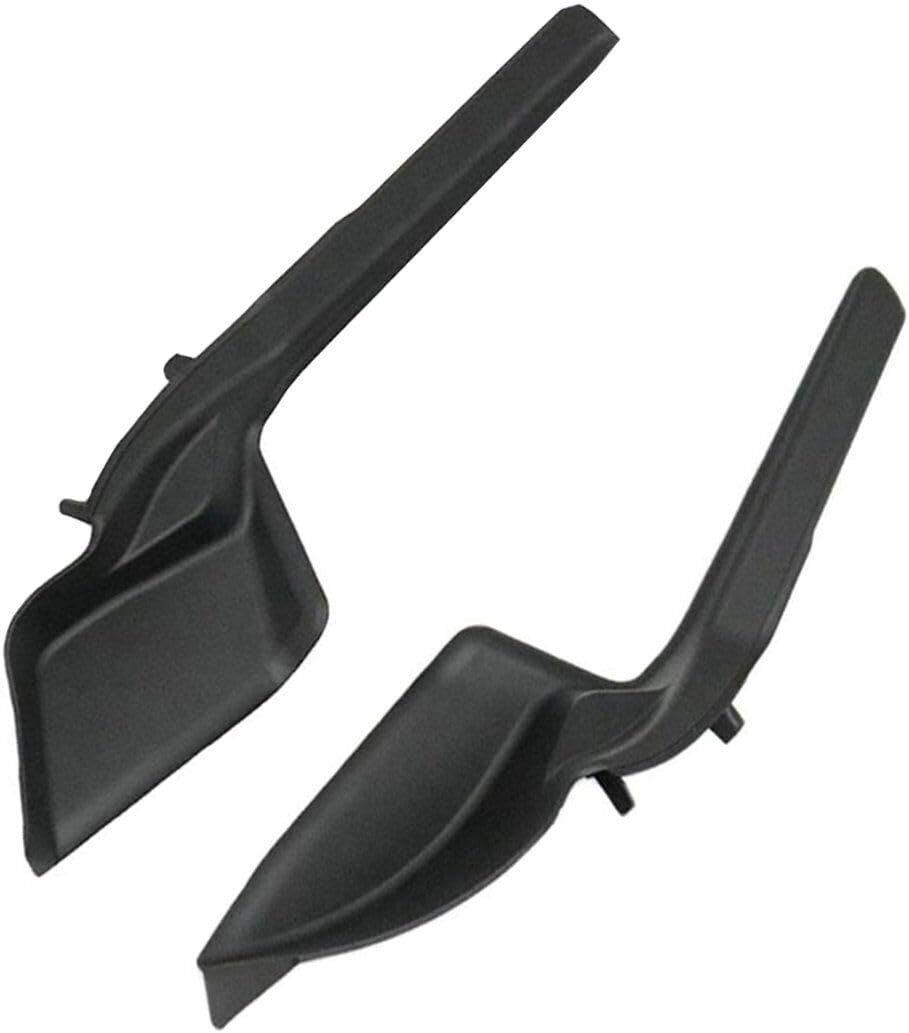
Upgrade the front-end look of your vehicle with this windshield wiper side cowl extension cover trim designed for select RAV4 models. It helps protect the wiper area from weather exposure while delivering a cleaner, more polished appearance. With a straightforward installation process and vehicle-specific fitment, it is a simple way to enhance both style and function.

This AUTOBOO windshield wiper blade set is designed to fit Toyota RAV4 models from 2013 to 2018 with an OE-style replacement fit. It includes front and rear blades for clear visibility, quiet operation, and dependable all-weather performance, while the easy J/H arm installation helps make replacement quick and simple.
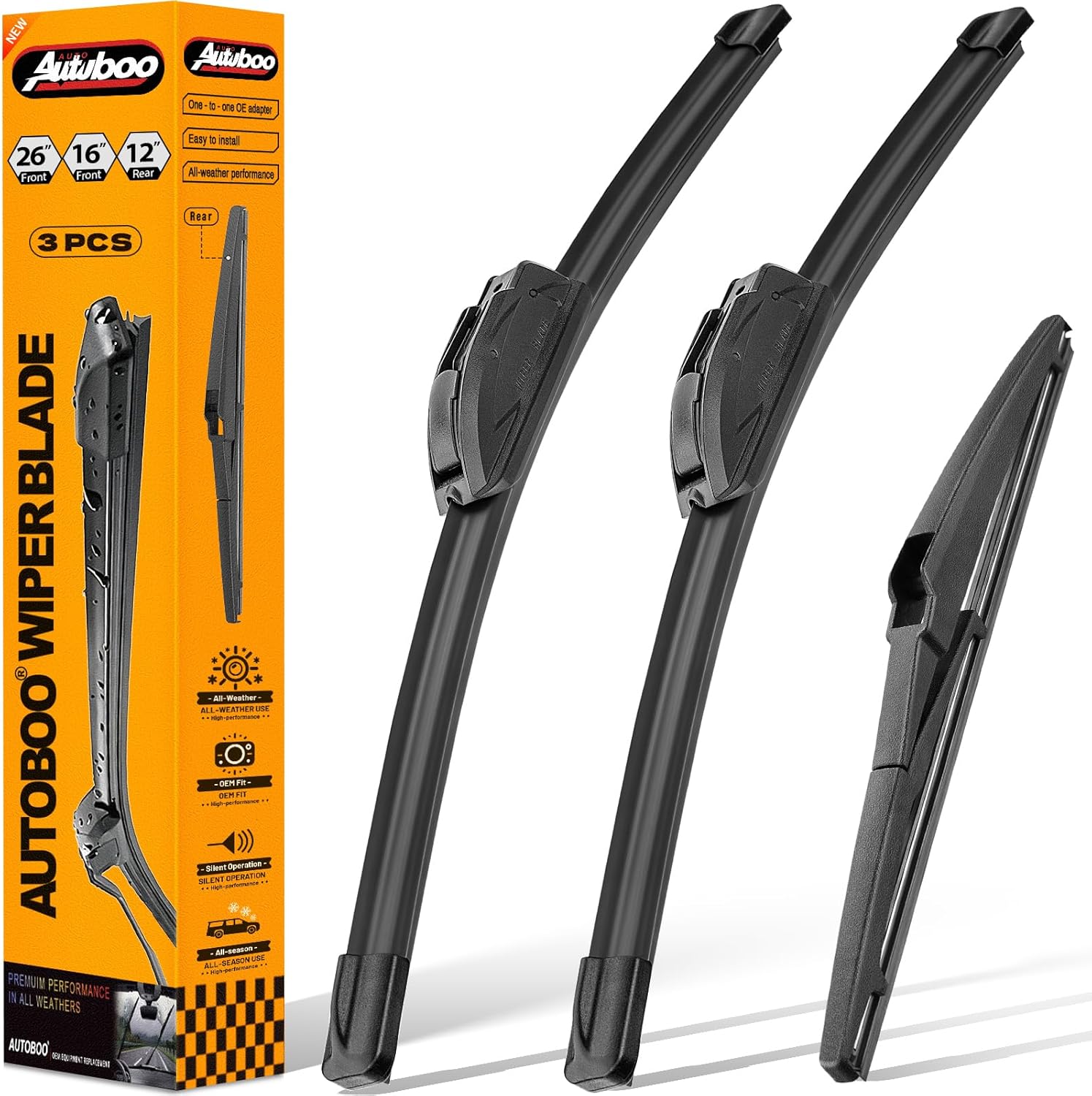
This AUTOBOO windshield wiper blade set is designed as a replacement fit for Toyota RAV4 and Mazda 5 models, delivering OE-style performance and reliable all-weather visibility. The complete three-blade set includes front and rear sizes for a precise fit, quiet operation, and easy installation using J/H attachment compatibility. Built for smooth, streak-free wiping, it helps improve driving safety in changing weather conditions.
Tackling Stubborn Tar: Additional Techniques
Some tar spots are stubborn because they are old, thick, or baked onto the surface. The safest fix is patience, not force. Use repeated short applications of tar remover instead of one harsh attack.
What to Do for Heavy Tar
- Wash and dry the lower panel.
- Apply tar remover to a microfiber towel or the tar spot as directed.
- Let it dwell only as long as the label allows.
- Wipe lightly in one direction.
- Rinse the area.
- Repeat until the tar softens and releases.
- Clay the remaining tiny specks only after the bulk of the tar is gone.
What Not to Use on RAV4 Paint
Several common internet tips are risky for clear coat. Avoid these on painted RAV4 panels:
- Steel wool or scouring pads: These can scratch or haze clear coat.
- Comet cleanser or household abrasives: These are too aggressive for automotive paint.
- Coleman fuel, gasoline, or strong unapproved solvents: These can stain, soften trim, damage protection, and create fire risk.
- Metal razor blades: These should not be used on paint. A plastic razor blade may help on glass, but it is still risky on painted panels.
- Peanut butter or cooking oils: These may soften some residue, but they are messy, inconsistent, and can leave oily film in seams and trim.
The safest tar-removal method is chemical softening plus gentle wiping. If you feel tempted to scrub harder, stop and reapply the remover instead.
How to Bring Back Your RAV4’s Shine After Cleaning
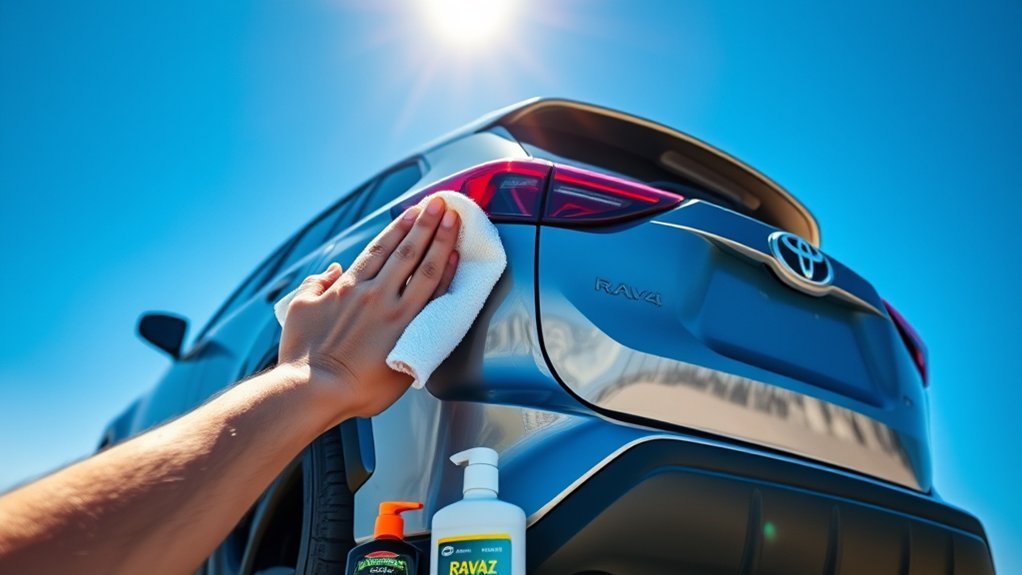
Once the tar is gone, the paint may look clean but slightly flat because solvents and clay can remove wax. Bring back the shine with a final wash, careful drying, and a fresh protective layer.
- Wash the treated area again: Use car soap to remove solvent residue.
- Dry with microfiber: Do not let hard water dry on the panel.
- Inspect under good light: Check for remaining dots, smears, or staining.
- Polish only if needed: If the area is hazy or lightly marred, use a mild automotive polish by hand or with a dual-action polisher.
- Apply protection: Use wax, paint sealant, or ceramic spray to restore slickness and water beading.
If water no longer beads on a clean RAV4 panel, Toyota’s care guidance recommends applying wax when the vehicle body is cool. A protected finish is easier to clean the next time you drive through fresh asphalt or road construction.
Common Mistakes to Avoid in Tar Removal
Road tar removal is not difficult, but small mistakes can make the finish worse. Avoid these common problems:
- Skipping the wash: Dirt and tar together create a scratch risk.
- Working in direct sun: Hot paint makes cleaners dry too fast.
- Letting solvent dry on the panel: Tar remover should be wiped and rinsed according to the label.
- Using one towel for the whole job: A tar-loaded towel can smear residue and grind contaminants into paint.
- Scrubbing instead of repeating: Multiple gentle passes are safer than one aggressive pass.
- Forgetting trim and headlights: Solvent can harm clear plastics, decals, rubber, and sensitive materials.
- Skipping wax or sealant: Tar removal often reduces existing protection.
When to Consider Professional Help for Tar Removal?
DIY tar removal is fine for light to moderate spots. Professional detailing is smarter when the tar is widespread, old, or stuck on delicate surfaces.
Consider a professional detailer if:
- Tar covers large areas: Heavy contamination may need stronger products and controlled techniques.
- Your RAV4 has repaint work: Repainted panels can react differently to solvents.
- The paint is already damaged: Chips, peeling clear coat, or deep scratches need extra care.
- You have paint protection film or vinyl wrap: Some solvents can stain, lift, or dull these surfaces.
- DIY attempts failed: Continued rubbing may cause more damage than the tar itself.
A professional can safely decontaminate the paint, clay it, polish if needed, and apply fresh protection.
Frequently Asked Questions
How do you get road tar off car paint without damaging it?
Wash the area first, dry it, apply a paint-safe tar remover to a cool panel, let it dwell briefly, and wipe gently with microfiber. Rinse the area, repeat if needed, then apply wax or sealant. Avoid abrasive pads, harsh household cleaners, gasoline, and metal razor blades.
Will WD-40 remove tar from car paint?
WD-40 can help loosen light tar, but a dedicated automotive tar remover is usually a better first choice. If you use WD-40, test a small area, keep it off sensitive trim, wash the spot afterward with car soap, and reapply wax or sealant.
Can I use a clay bar to remove road tar?
Yes, but clay is best for small bonded specks after most of the tar has already been dissolved with a tar remover. Do not clay thick tar blobs first because they can smear and drag contamination across the paint.
Is road tar permanent on a Toyota RAV4?
Most road tar is not permanent if removed promptly with the right products. Old, baked-on tar may need repeated applications, clay, light polishing, or professional detailing, especially if it has stained or bonded to neglected paint.
Can tar remover damage plastic trim or headlights?
Yes, some solvent-based tar removers can stain, haze, or soften clear plastics, decals, rubber, and textured trim. Always read the label, test first, and wipe off any overspray immediately.
How do I remove road grime from car paint?
Rinse the vehicle well, wash with pH-balanced car soap and a microfiber mitt, then use an automotive tar remover, iron remover, or clay product only for bonded contamination that remains after washing. Finish with wax or sealant to keep the paint easier to clean.
Conclusion
Removing road tar from your Toyota RAV4 is mostly about patience and the right products. Start with a proper wash, use a paint-safe tar remover on a cool surface, wipe gently with microfiber, rinse thoroughly, and clay only the tiny specks that remain. Skip risky shortcuts like steel wool, household abrasives, gasoline, and metal razor blades. Once the tar is gone, restore protection with wax or sealant so your RAV4 keeps its shine and is easier to clean the next time road tar shows up.
Sources
- Toyota 2025 RAV4 Owner’s Manual: Cleaning and Protecting the Vehicle Exterior — supports washing, rinsing, waxing, and prompt exterior care guidance.
- Stoner Car Care Tarminator — supports tar remover use, dwell-time caution, clear-coat guidance, and sensitive-surface warnings.
- Koch-Chemie Eulex — supports Eulex use for tar, adhesive, resin, grease, and solvent-resistant surfaces.
- Meguiar’s Smooth Surface Clay Kit — supports clay bar use for bonded contaminants, including road tar, on clear-coat finishes.
- 3M Adhesive Remover — supports use of non-abrasive adhesive and tar remover on most cured automotive paint surfaces.
- WD-40: How to Remove Tar From a Car — supports cautious use of WD-40 as a tar-loosening option when label directions are followed.