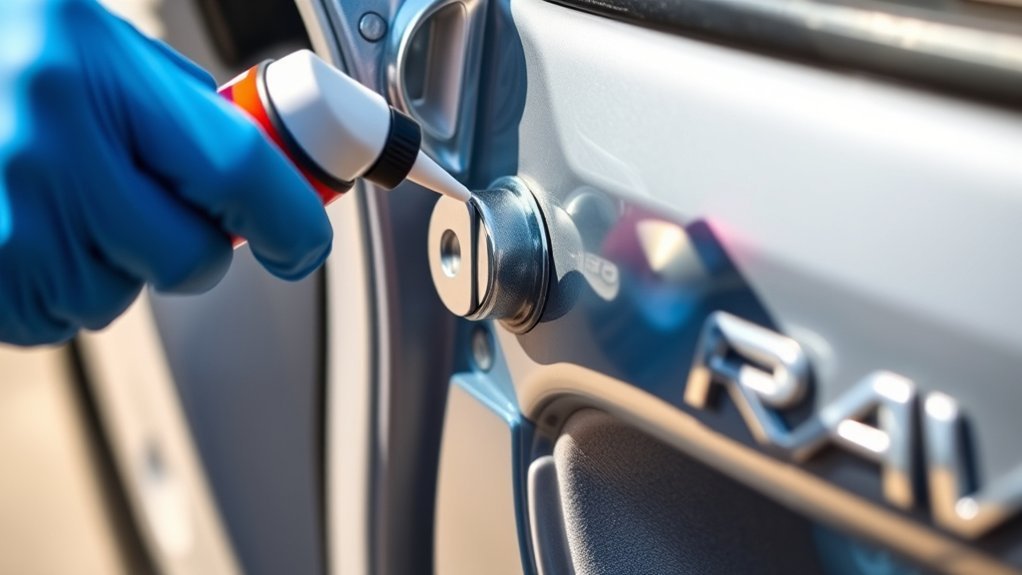
A squeaky or stiff Toyota RAV4 door usually means the hinge, door-check arm, or latch area needs cleaning before it needs more force. The fix is simple: remove grit, apply the right lubricant in the right spots, work the door several times, and wipe away the excess so it does not collect dirt.
Quick Answer
Clean Toyota RAV4 door hinges with a damp cloth, mild cleaner, and a small brush, then dry the area completely. Apply a thin coat of white lithium grease or another automotive hinge lubricant to the hinge pivots and latch contact points. Open and close the door several times, then wipe away extra grease.
Key Takeaways
- Clean first. Lubricant works best when grit, old grease, and road dust are removed.
- White lithium grease is a strong choice for hinges because it stays in place and helps protect metal contact points.
- Use only a light coat. Too much grease attracts dirt and can stain nearby trim.
- Check the door-check arm, latch, and striker if the squeak remains after hinge lubrication.
- For model-specific repair details, always defer to your Toyota owner’s manual or Toyota service information.
At a Glance
| Time Required | 10–20 minutes for all doors |
| Difficulty | Easy beginner maintenance |
| Tools Needed | Microfiber cloth, small brush or toothbrush, mild cleaner, automotive lubricant, gloves, and optional compressed air |
| Cost | Usually under $10–$20 if you already have basic cleaning supplies |
Why You Need to Lubricate Your Door Hinges
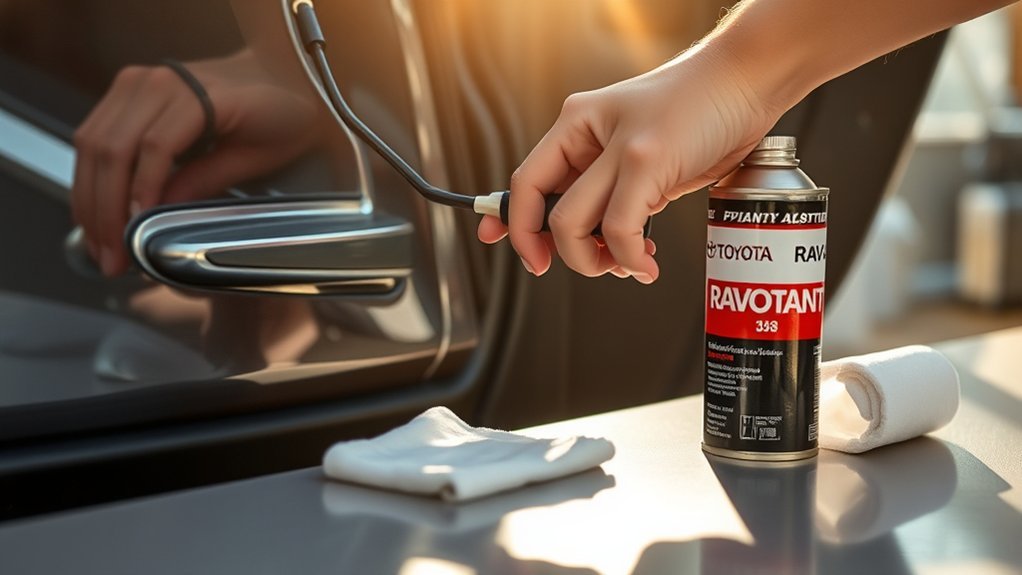
Lubricating your Toyota RAV4 door hinges helps the doors open and close smoothly, reduces squeaks, and slows wear at the hinge pivot points. Door hinges live in a tough area: they collect dust, moisture, road salt, pollen, and old wax or cleaner residue. When that buildup mixes with dried lubricant, the hinge can start to groan, pop, or feel rough.
A good automotive hinge lubricant also helps protect exposed metal from moisture. White lithium grease is commonly used for metal-to-metal and metal-to-plastic contact because it leaves a longer-lasting film than a light cleaner or water-displacing spray. Product makers such as Permatex and WD-40 Specialist list white lithium grease for load-bearing metal contact, moisture resistance, and door-hinge-type applications.
Routine hinge care also gives you a chance to spot bigger problems early. If a door sags, rubs the body, clicks loudly, or needs to be lifted to close, lubrication alone will not fix it. Those symptoms may point to hinge wear, misalignment, striker adjustment issues, or previous body damage.
Tools and Materials Needed for the Job
You do not need special equipment to clean and lubricate RAV4 door hinges, but using the right materials keeps the job cleaner and safer.
| Item | Why You Need It |
|---|---|
| Microfiber cloths | Wipe dirt, cleaner, moisture, and extra grease without scratching paint. |
| Small brush or old toothbrush | Loosens grime from hinge folds, latch edges, and the door-check area. |
| Mild car-safe cleaner or diluted car wash soap | Removes road film without using harsh solvents near paint and seals. |
| White lithium grease or automotive hinge lubricant | Provides longer-lasting lubrication for hinge pivots and latch contact points. |
| Gloves and eye protection | Protects your skin and eyes from cleaner, aerosol overspray, and debris. |
| Optional compressed air | Blows loose dust from tight hinge gaps before lubrication. |
Warning: Aerosol lubricants can be flammable and messy. Work in a ventilated area, keep spray away from hot parts and open flames, and follow the product label. Do not spray lubricant onto brake parts, tires, pedals, glass, seat belts, or electrical connectors.
[Products Worth Considering]

This Tesla interior cleaner kit is designed to safely clean and protect vegan leather seats, trim, and other delicate cabin surfaces across Model 3, Y, S, and X vehicles. Its pH-balanced formula helps lift dirt, spills, and dye transfer without harming factory coatings, while the included microfiber towel supports scratch-free, streak-free detailing. It is a simple all-in-one solution for keeping your Tesla interior looking fresh and well maintained.

This Tesla interior cleaner is designed to help keep seats, consoles, dashboards, door panels, and other high-touch cabin surfaces looking fresh. It works on white and black vegan leather to remove everyday dirt, smudges, and light stains with a simple spray-and-wipe routine. The kit includes a larger bottle and towel, making it a practical maintenance accessory for Tesla owners who want easy interior care.

This dual dash cam captures detailed road footage with front and rear recording for added driving security. Built-in WiFi and app control make it easy to review, download, and manage videos from your phone, while the IPS screen provides clear on-device viewing. With loop recording, G-sensor protection, parking mode, and WDR support, it is designed to help document incidents day or night.
How to Properly Clean Door Hinges Before Lubrication
Cleaning is the step most people skip, but it makes the biggest difference. Spraying new grease over dirt creates a sticky paste that can make hinges feel worse over time.
Tools Needed for Cleaning
For cleaning, use a microfiber cloth, a small brush, mild car-safe cleaner, and a dry cloth. If the hinge area has loose dust or sand, use a gentle puff of compressed air before wiping. Keep the nozzle away from your face and do not blast debris into painted surfaces.
Avoid aggressive degreasers unless the product label says it is safe for automotive paint and trim. Strong solvents can dull finishes, stain rubber seals, or remove protective wax from the door jamb.
Step-by-Step Cleaning Process
- Park safely. Choose a flat spot, turn the vehicle off, and open the door fully enough to reach the hinges without straining the door.
- Inspect the hinge area. Look for dirt, rust, old grease, sagging, cracked seam sealer, or rubbing marks on the door jamb.
- Remove loose debris. Wipe with a dry cloth first. Use a small brush for the hinge folds and the door-check arm area.
- Clean the surface. Lightly dampen a cloth with mild cleaner and wipe the hinge, latch, striker area, and surrounding painted metal.
- Dry completely. Use a clean cloth to remove moisture before applying lubricant. Grease sticks better to a dry surface.
Note: Do not remove hinge bolts for routine lubrication. Door alignment can change if hinge fasteners are loosened. If the door is sagging or misaligned, use Toyota service information or a qualified technician.
Your Easy Guide to Applying White Lithium Grease to Door Hinges
White lithium grease is a practical choice for RAV4 door hinges because it clings to metal, handles moisture better than a light spray, and is easy to apply in small amounts. Use it carefully: more grease is not better.
[Products Worth Considering]

All-purpose white lubricant for metal-to-metal and metal-to-plastic applications

2 Pack Value - Includes 2 Tubes - Meets NLGI-2 performance

PREMIUM DOOR HINGE LUBRICANT; Eliminate annoying squeaks quickly and effectively. Qucship door hinge lubricant bonds to the surfaces, providing long-lasting protection from rust, corrosion, friction, and wear.
Selecting the Right Lubricant
For most Toyota RAV4 door hinges, choose one of these:
- White lithium grease: Best general choice for hinge pivots, latch contact points, and exposed metal areas that need a lasting film.
- Silicone spray: Cleaner and lighter, useful near rubber weatherstripping when the product label says it is rubber-safe, but it may not last as long on hinge pivots.
- Boeshield T-9: Leaves a waxy corrosion-protection film and can work well where moisture protection is the priority.
- LPS-3: A heavier rust inhibitor for areas needing longer corrosion protection, though it may be too waxy or messy for visible hinge areas if overapplied.
Plain water-displacing sprays can help free sticky parts or push out moisture, but they are not the best final lubricant when you want a longer-lasting grease film on a hinge. For best results, finish with a dedicated hinge lubricant or white lithium grease.
Application Techniques Explained
- Shake the can if required. Follow the lubricant label, especially for aerosol grease.
- Use the straw nozzle. Aim at the hinge pivot points, not the whole door jamb.
- Apply a thin coat. A short burst is enough. If using tube grease, apply a pea-sized amount with a small applicator or gloved finger.
- Work the door. Open and close it 5–10 times to pull the lubricant into the moving surfaces.
- Lubricate the latch contact area lightly. Apply a tiny amount where the latch meets the striker, then close and open the door a few times.
- Wipe off excess. Remove drips from paint, trim, and visible hinge surfaces.
Pro Tip: Hold a folded paper towel or rag behind the hinge while spraying. It catches overspray and keeps grease off the painted door jamb.
Maintenance Tips for Longevity
After lubricating, listen and feel for the difference. A properly lubricated door should move smoothly without scraping, squeaking, or popping. Check the hinges again after a day or two and wipe any grease that has migrated out of the hinge.
Wash road salt and mud out of the door jamb during normal car washes. If you drive on gravel roads, through winter salt, or in wet coastal areas, hinge cleaning matters more because grit and corrosion can build up faster.
Tips for Ensuring Even Lubrication Distribution
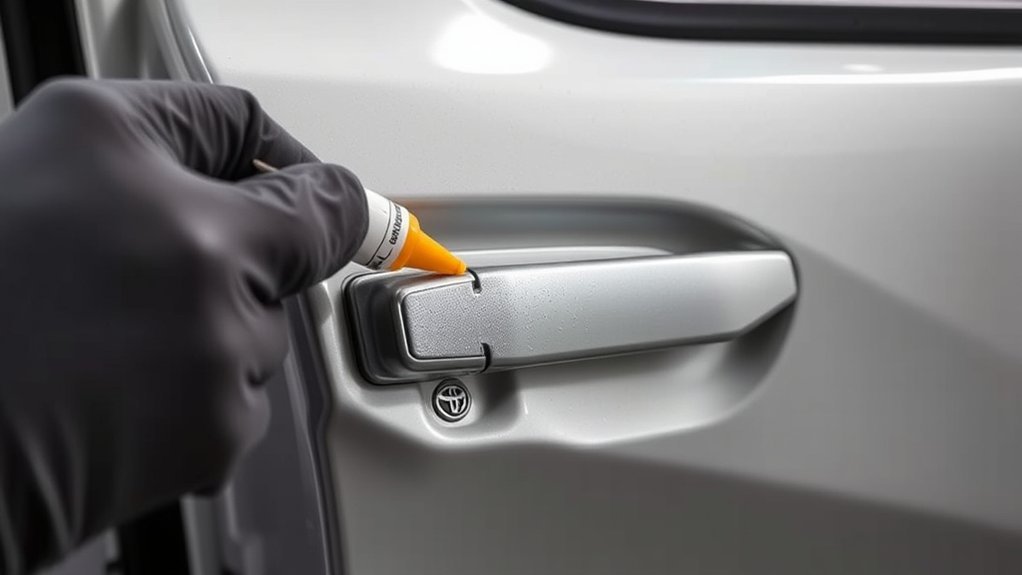
Even lubrication depends on using a small amount in the correct place. Aim for the hinge crevice and pivot area, then let door movement spread the lubricant. If the grease stays only on the outside of the hinge, it will collect dirt without helping the moving parts.
Work one hinge at a time. Spray lightly, move the door, inspect, and wipe. Repeat only if the hinge still looks dry at the pivot. The same approach works for the latch and striker: a small amount where metal contacts metal is enough.
A clean hinge with a thin, targeted lubricant film will usually last longer and stay quieter than a dirty hinge covered in heavy grease.
Top 5 Mistakes to Avoid When Lubricating Door Hinges
- Skipping the cleaning step. Dirt trapped under fresh grease can turn into abrasive sludge.
- Using too much lubricant. Excess grease drips, stains, and attracts dust.
- Spraying the wrong areas. Keep lubricant off rubber seals, seat belts, pedals, tires, glass, and electrical parts.
- Ignoring alignment problems. A sagging door, uneven gap, or hard slam needs inspection, not just lubrication.
- Using one product for everything. Hinge pivots, rubber weatherstripping, locks, and electrical connectors have different lubricant needs.
How Often Should You Lubricate RAV4 Door Hinges?
For normal driving, inspect and lightly lubricate the door hinges about every six months. A good routine is once before winter and once after winter, especially if your roads are salted. If you drive in heavy rain, road salt, dust, mud, or coastal air, inspect them every three months.
Do not wait for a fixed schedule if the door starts squeaking, feels stiff, pops, or resists closing. Those are signs the hinge, latch, or door-check mechanism needs attention sooner.
What to Do If Your Hinges Still Squeak
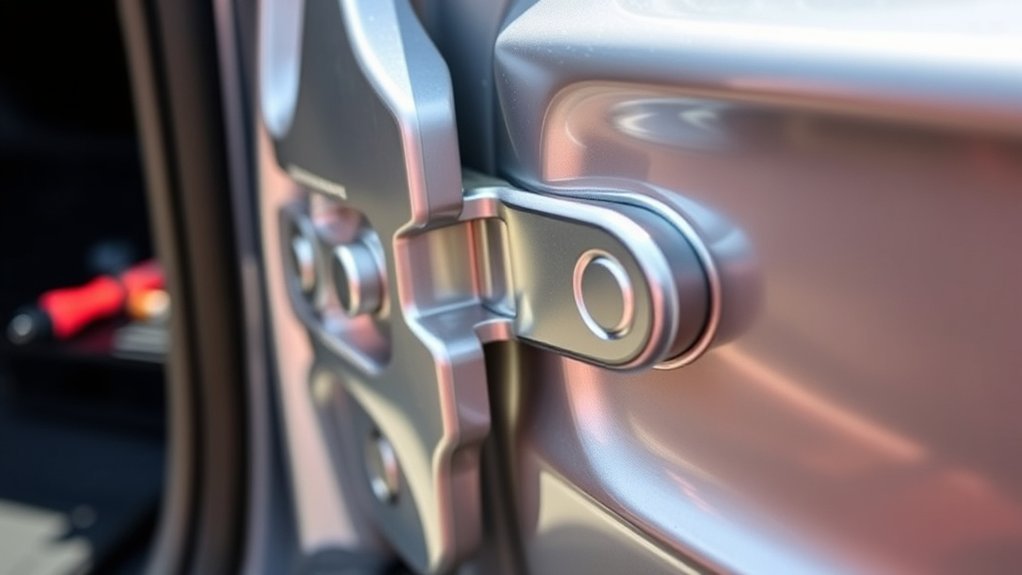
If the squeak remains after cleaning and lubrication, the noise may not be coming from the hinge pivot itself. Check these areas next:
- Door-check arm: This is the arm that holds the door in stages as it opens. A dry or worn door check can click, pop, or groan.
- Latch and striker: A dry contact point can squeak when the door closes or flexes while driving.
- Weatherstripping: Rubber seals can creak against painted surfaces. Use only a rubber-safe product, not hinge grease.
- Door alignment: Uneven gaps, rubbing paint, or a door that needs lifting may indicate hinge wear or striker misalignment.
- Hidden corrosion or damage: Rust, bent hinges, or previous collision repair can cause noise that lubricant will not solve.
If the door still binds, drops, or makes a sharp popping sound, have it inspected. Toyota’s Technical Information System is the official service-information source for Toyota vehicles marketed in North America, and your Toyota owner’s manual is the best first stop for model-specific owner guidance.
Choosing the Right Lubricant for Vehicle Door Hinges
The best lubricant depends on where you are applying it. A product that works well on metal hinges may be wrong for rubber seals or lock cylinders.
| Lubricant | Best Use | Important Note |
|---|---|---|
| White lithium grease | Door hinges, latch contact points, hood latches, and exposed metal pivots | Long-lasting, but use sparingly to avoid dirt buildup. |
| Silicone spray | Rubber weatherstripping and light-duty plastic-safe areas when label-approved | Cleaner than grease, but usually thinner on metal hinges. |
| Boeshield T-9 | Moisture protection and light corrosion prevention | Leaves a waxy film, so wipe visible excess. |
| LPS-3 | Longer-term rust inhibition on metal parts | Useful for corrosion-prone areas, but can be too heavy for neat visible hinges. |
| Water-displacing multi-use spray | Freeing sticky parts, removing moisture, and light temporary lubrication | Helpful as a cleaner or penetrant, but not the best final long-term hinge grease. |
[Products Worth Considering]

Everything you need in a garage door lubricant: High performance and fast drying. Select a wide or narrow spray for fast, easy application
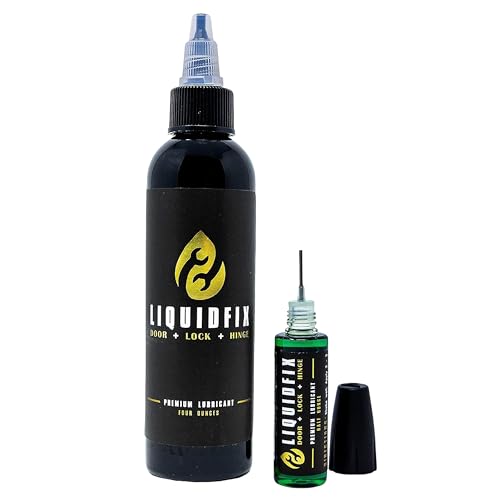
Multi-Purpose Lubricant: LIQUIDFIX Door, Lock & Hinge Lubricant offers a complete solution for cleaning and maintaining door hardware, car hinges, stubborn locks, patio tracks, and more

Versatile & Multi-Purpose Hinge Oil: Perfect for door locks, chains, keyholes, knife pivot, sewing machines, razors, clocks, and drawers. Eliminates squeaks and ensures smooth operation of moving parts.
Frequently Asked Questions
What is the best thing to lubricate Toyota RAV4 door hinges?
White lithium grease is the best all-around choice for Toyota RAV4 door hinge pivots because it clings to metal and provides longer-lasting lubrication. Silicone spray is cleaner but thinner, and it is better suited for rubber weatherstripping when the label says it is safe for rubber.
How do you clean and grease car door hinges?
Open the door, wipe away loose dirt, scrub tight areas with a small brush, clean with a mild car-safe cleaner, and dry the hinge completely. Apply a small amount of white lithium grease to the hinge pivot points, open and close the door several times, then wipe away excess grease.
Can I use regular WD-40 on RAV4 door hinges?
A water-displacing multi-use spray can help loosen a sticky hinge or remove moisture, but it is not the best final lubricant for long-term hinge protection. For a longer-lasting result, clean the hinge first and finish with white lithium grease or a dedicated automotive hinge lubricant.
Should I lubricate the door latch and striker too?
Yes, but only lightly. A small amount of lubricant on the latch contact point and striker can reduce squeaks and closing friction. Wipe off extra lubricant so it does not transfer to clothing or collect dust in the door jamb.
Why does my RAV4 door still squeak after I lubricate the hinges?
The noise may come from the door-check arm, latch, striker, weatherstripping, or misalignment rather than the hinge pivot. Recheck the source of the sound. If the door sags, rubs, pops loudly, or needs to be lifted to close, have the hinge and alignment inspected.
Conclusion
Keeping your Toyota RAV4 door hinges clean and lightly lubricated is easy maintenance that prevents squeaks, reduces wear, and helps protect exposed metal from moisture. Clean the hinge area first, apply a small amount of white lithium grease or a suitable automotive lubricant, move the door to spread it, and wipe away the excess. If the door still squeaks, binds, or looks misaligned, inspect the door-check arm, latch, striker, and hinge condition before adding more grease.
Sources
- Toyota Owners Manuals and Warranties — official owner manual and warranty source for Toyota vehicles.
- Toyota Technical Information System — official Toyota service-information source for North American Toyota vehicles.
- Permatex White Lithium Grease — product information for white lithium grease use on metal-to-metal and metal-to-plastic applications.
- WD-40 Specialist White Lithium Grease — product information listing door hinges and automotive hinge-style applications.
- Boeshield T-9 — product information for waxy corrosion protection and moisture displacement.
- LPS-3 Premier Rust Inhibitor — product information for corrosion protection and moisture displacement.