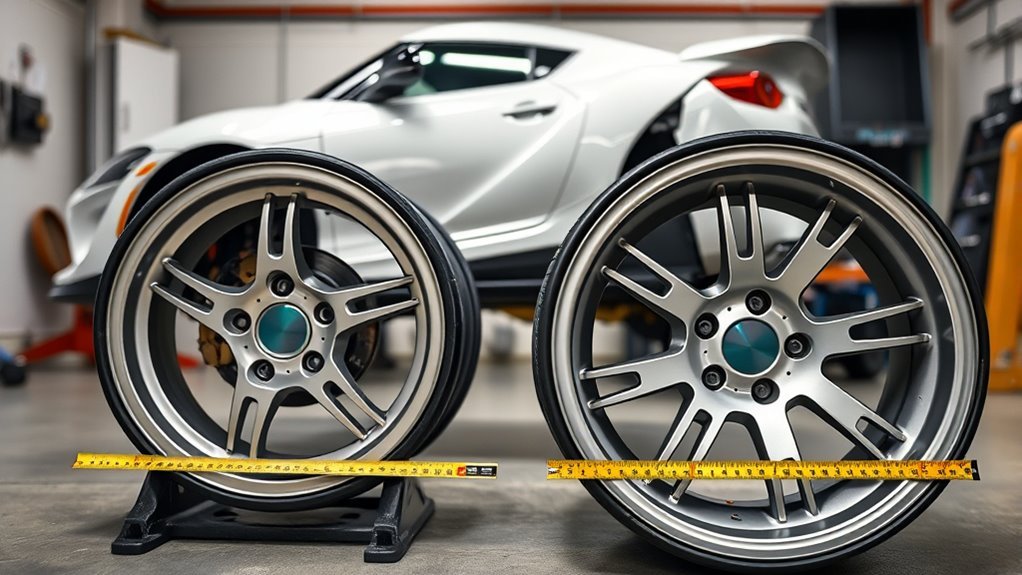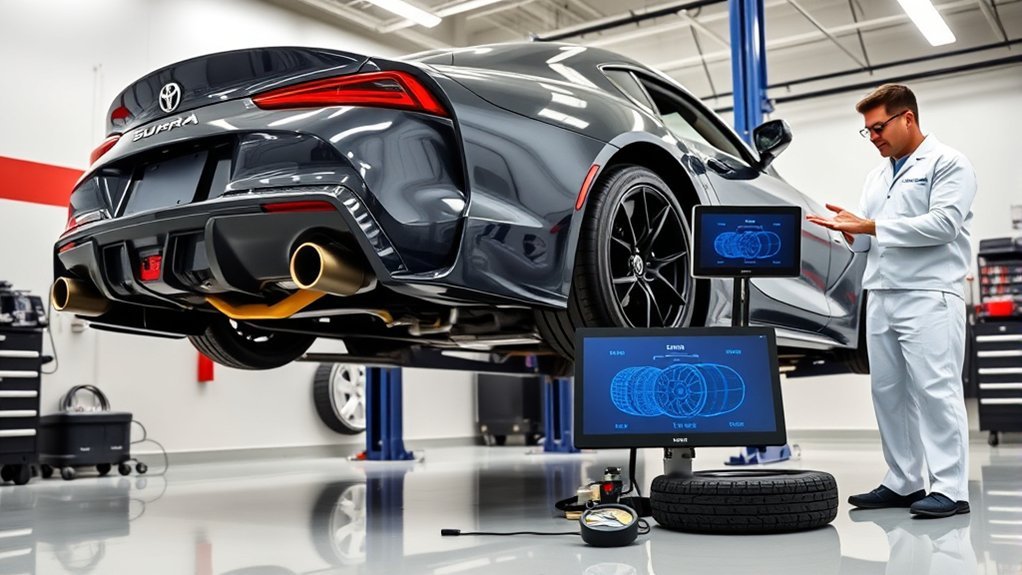
Driving a Toyota Supra in winter is possible, but it takes the right expectations and setup. The Supra is a low, rear-wheel-drive sports car, so it will not behave like an AWD crossover in snow. With true winter tires, gentle inputs, smart maintenance, and a clear plan for bad weather, you can make cold-weather driving safer and more predictable.
Quick Answer
A Supra is not ideal for heavy winter weather, but it can handle cold, light snow, and slush when fitted with proper winter tires. Keep traction control on, drive smoothly, avoid deep snow, check tire pressure often, and store the car during storms or salt-heavy conditions if preserving it matters most.
Key Takeaways
- The Supra’s rear-wheel-drive layout, low ride height, and wide performance tires make deep snow and ice especially challenging.
- Dedicated winter tires with the Three-Peak Mountain Snowflake rating are the biggest winter upgrade you can make.
- Use gentle throttle, smooth steering, longer following distance, and manual gear control when needed to avoid sudden wheelspin.
- Do not guess on oil grade, tire pressure, or tire chains; follow the Toyota owner’s manual and the tire placard for your exact model year.
- If roads are deeply snow-covered, icy, or heavily salted, storing the Supra may be the smarter choice.
At a Glance
| Time Required | 1–3 hours for winter prep, plus seasonal tire installation |
| Difficulty | Moderate; tire fitting and battery testing may need a shop |
| Tools Needed | Tire pressure gauge, snow brush, washer fluid rated for freezing weather, battery maintainer, emergency kit |
| Cost | Usually $900–$2,000+ for winter tires and wheels, depending on size and brand |
Understanding the Supra’s Winter Limitations
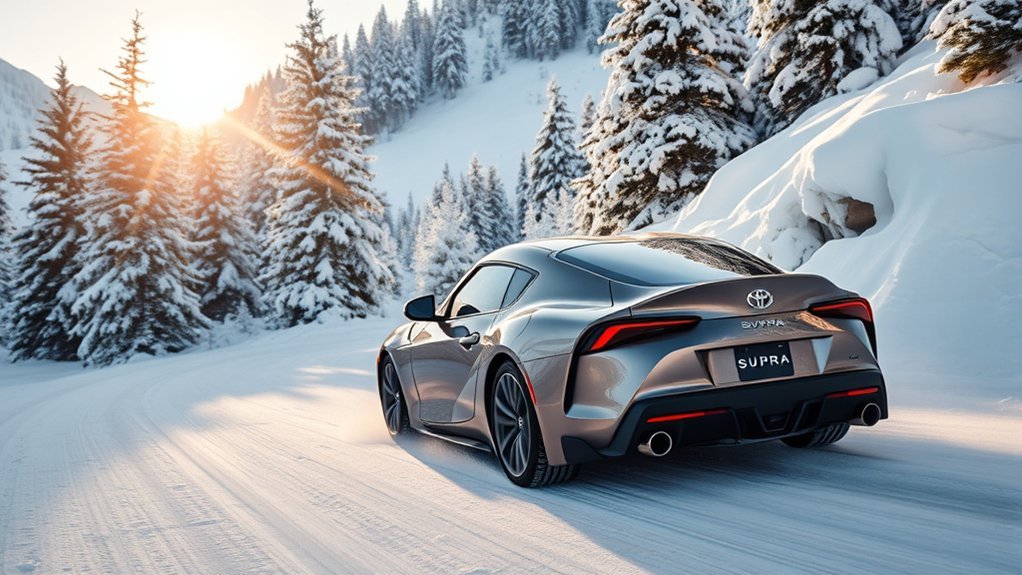
The Toyota GR Supra is built as a performance coupe, not a snow vehicle. Toyota lists the current GR Supra as a two-seat sports car with a rear-wheel-drive platform and performance-focused hardware, which is great for dry handling but less forgiving on slick roads. You can review current model details on the official Toyota GR Supra specs page.
The main winter limitations are simple: the Supra sits low, sends power to the rear wheels, and often wears wide performance tires. That combination can make the car slide more easily on ice, struggle to climb steep snowy driveways, and get stuck when snow is deeper than the front bumper or underbody clearance.
Warning: Do not treat traction control, stability control, or winter tires as permission to drive fast on ice. They improve your margin, but they cannot overcome physics, deep snow, or poor visibility.
One important correction: not every Supra comes with the same “stock” tire. Some cars may have summer performance tires, some may have performance winter tires installed by a previous owner, and some may have all-season or all-weather replacements. Check the sidewall, tire size, speed rating, load rating, and date code before winter begins.
Choosing the Right Winter Tires for Your Supra
Winter tires are the most important upgrade for a Supra in cold weather. A dedicated winter tire uses a tread pattern and compound designed for cold pavement, snow, slush, and ice. Look for the Three-Peak Mountain Snowflake symbol, which is the industry mark for tires that meet severe snow service performance criteria. The U.S. Tire Manufacturers Association explains the severe snow tire definition and marking standards.
Popular winter tire choices for performance cars include Bridgestone Blizzak models, Michelin X-Ice/Snow, Nokian Hakkapeliitta, Continental VikingContact, and Pirelli Winter Sottozero, depending on available sizes. The Bridgestone Blizzak WS90 remains a well-known winter option for passenger cars, while Bridgestone has also announced the newer Blizzak IcePeak with both 3-Peak Mountain Snowflake and Ice Grip certifications. The best tire for your Supra is the one that fits your wheel size, load rating, speed rating, brake clearance, and winter driving needs.
[Products Worth Considering]

This dash clock spring replacement is designed for a wide range of Toyota vehicles and helps restore reliable steering wheel control functions. It supports audio controls, cruise control, and other multi-function commands while using vehicle-specific connectors for easier installation. Built with durable materials and OEM-referenced part compatibility, it is a practical solution for repairing steering wheel signal issues.

This car emergency roadside assistance kit helps drivers handle unexpected breakdowns and roadside incidents with confidence. It includes jumper cables and a tire inflator to support quick, practical solutions in emergencies, while the compact bag keeps everything organized in the trunk. Ideal for new drivers, families, road trips, and seasonal travel, it is a thoughtful and useful safety essential for any vehicle.

Be ready for roadside emergencies with this comprehensive car safety kit designed to help you handle common breakdown situations quickly and confidently. It includes a portable air compressor for fast tire inflation, jumper cables for dead batteries, and a self-contained emergency set with essential tools and first aid supplies. Built for all-weather preparedness, this kit helps keep drivers, passengers, and families safer on the road.
Dedicated Winter Tires vs. All-Season Tires
All-season tires can work in mild cold weather, but they are a compromise. For a rear-wheel-drive sports car, that compromise becomes more obvious when roads are icy or snow-packed. If you regularly drive below freezing, deal with slush, or park on hills, dedicated winter tires are the safer choice.
All-weather tires with a Three-Peak Mountain Snowflake mark can be a practical middle ground in mild climates, but they still may not match a dedicated winter tire on ice or deep snow. For a Supra, where rear traction is already limited, extra winter grip matters.
Should You Go Narrower for Winter?
A narrower winter tire can help cut through snow and reduce floating on slush, but the tire must still match an approved wheel size and maintain proper load capacity. Do not guess. Use a reputable tire shop, Toyota dealer, or fitment guide to confirm wheel diameter, offset, brake clearance, tire pressure monitoring compatibility, and speed/load ratings.
Pro Tip: A separate winter wheel-and-tire set usually pays off in convenience. It protects your summer wheels from salt, makes seasonal swaps easier, and lets you choose a more winter-friendly tire size when properly fitted.
Do Tire Pressure and Tread Depth Matter More in Winter?
Yes. Cold air lowers tire pressure, and underinflated tires reduce steering response, braking performance, and tire life. The National Highway Traffic Safety Administration recommends checking tire pressure when tires are cold and using the pressure listed by the vehicle manufacturer, not the maximum pressure printed on the tire sidewall.
Check tread depth before the season starts and inspect for cracks, bulges, uneven wear, or old date codes. Winter tires can lose effectiveness before they look completely worn out, especially if they have been driven in warm weather or stored poorly.
Driving Techniques for Improved Traction
Winter driving in a Supra is about being smooth, patient, and early with every input. You want to avoid sudden weight transfer, sudden boost, and sudden steering corrections. The car can feel stable one second and loose the next if you shock the rear tires on ice.
- Use smooth inputs: Press the throttle gently, brake early, and steer with small movements. Sudden actions can break traction.
- Keep stability and traction control on: Avoid disabling driver aids on public winter roads. Sportier modes can make the car more reactive.
- Use manual mode carefully: Holding a higher gear can soften throttle response and reduce wheelspin. Lower gears can help with controlled downhill speed, but too much engine braking in a rear-wheel-drive car can unsettle the rear tires.
- Avoid kickdown: A sudden downshift can send too much torque to the rear wheels. Roll into the throttle instead of stabbing it.
- Increase following distance: Leave several extra seconds between you and the car ahead, especially on bridges, shaded roads, and ramps.
- Skip cruise control: Do not use cruise control on snow, ice, or slush because it can react poorly when traction changes.
The biggest winter-driving upgrade is not horsepower, weight, or a driving mode. It is tire grip, followed by calm inputs from the driver.
Starting From a Stop Without Spinning
Start with the steering wheel straight whenever possible. Use light throttle and let the car creep before adding power. If the rear tires spin, back off the throttle instead of pushing harder. In automatic models, manual mode can help you avoid an abrupt downshift. In manual models, release the clutch smoothly and avoid aggressive throttle.
Cornering on Snow and Ice
Slow down before the turn, not during it. Brake in a straight line, ease off the brake, then turn gently. If the front pushes wide, reduce steering angle and slow down. If the rear starts to slide, look where you want to go, ease off the throttle, and make a measured correction. Overcorrecting can make the slide worse.
Getting Unstuck Safely
If the Supra gets stuck, do not keep spinning the tires. Clear snow from around the tires and under the car, straighten the steering wheel, and use sand, traction boards, or kitty litter for grip. Rock the car gently only if the owner’s manual allows it and the area is clear. If the underbody is packed in snow, stop and call for help before damaging trim, cooling components, or brake lines.
Note: Adding a small amount of secured weight in the trunk may help low-speed rear traction, but it is not a substitute for winter tires. Keep weight low, secure it tightly, and never exceed the vehicle’s payload rating.
Essential Maintenance for Winter Performance in Your Supra
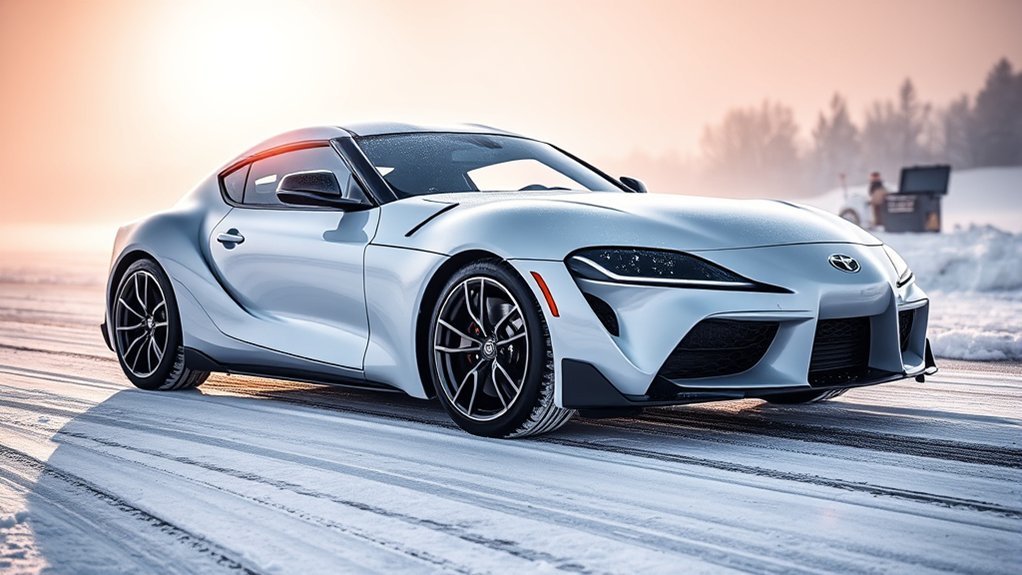
Winter maintenance should start before the first storm. The goal is to make sure the Supra starts reliably, stops predictably, stays visible, and resists salt damage.
- Use the correct oil: Do not switch to a random “thinner oil” just because it is winter. Use the viscosity and specification listed in the Toyota GR Supra owner’s manual for your model year, climate, and engine.
- Test the battery: Cold weather reduces battery performance. Have it load-tested before winter, clean the terminals, and use a maintainer if the car sits.
- Check coolant and washer fluid: Make sure coolant protection is correct and use windshield washer fluid rated below your local winter temperatures.
- Inspect brakes: Winter exposes weak brakes quickly. Check pads, rotors, fluid condition, and brake feel before icy roads arrive.
- Protect the underbody: Rinse salt from the wheel wells, underbody, suspension parts, and lower panels when temperatures allow.
- Keep visibility high: Replace streaking wipers, clean the inside of the glass, and clear snow from the roof, hood, lights, and sensors before driving.
[Products Worth Considering]
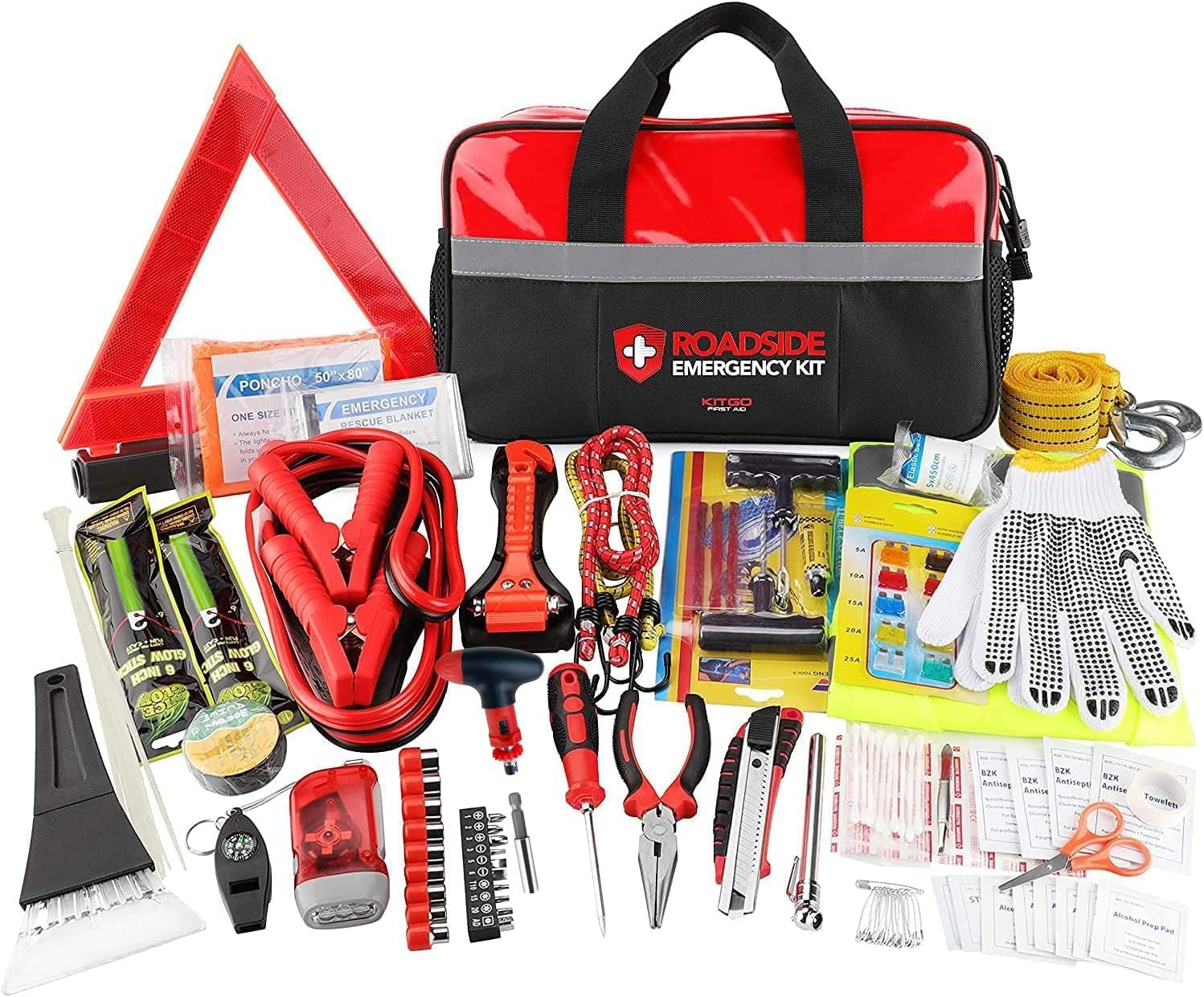
This all-in-one car emergency kit is designed to help drivers handle unexpected roadside problems with confidence. It includes essential tools and medical supplies such as jumper cables, a warning triangle, a flashlight, a shovel, and a screwdriver set, making it useful for cars, trucks, RVs, and outdoor travel. The compact, durable storage bag is easy to keep in a trunk or backseat for quick access when emergencies happen.

This all-in-one car emergency kit helps drivers stay prepared for roadside breakdowns, flat tires, and dead batteries with essential tools in one compact package. It includes a portable air compressor, heavy-duty jumper cables, a first aid kit, and other safety items designed for year-round peace of mind. Compact enough for easy trunk storage, it makes a practical safety solution and thoughtful gift for drivers of all ages.
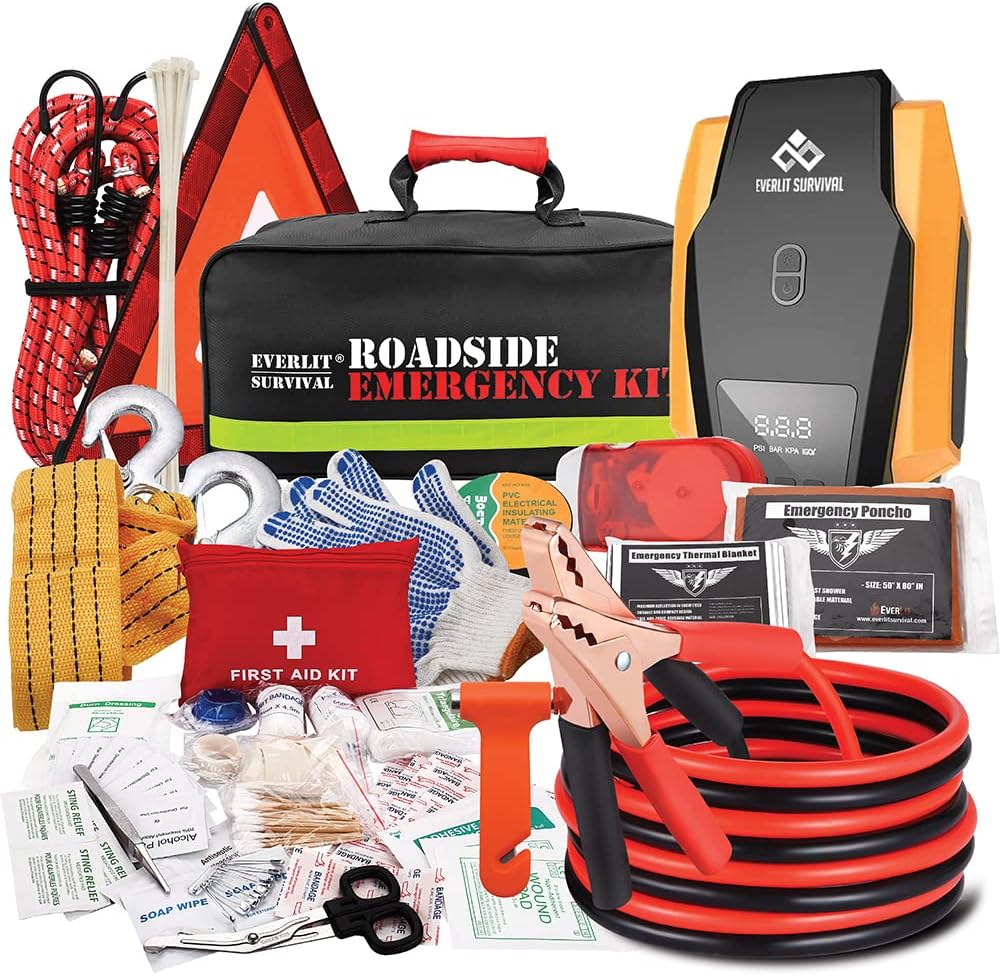
This roadside emergency kit packs essential tools to help drivers handle unexpected breakdowns and stay prepared on the road. It includes a digital tire inflator, jumper cables, first aid supplies, and other safety accessories to support quick, practical roadside response. Designed for everyday drivers and road trips alike, it offers peace of mind for emergencies day or night.
Winter Emergency Kit for a Supra
Because the Supra is low and traction-limited in deep snow, carry a compact winter kit. At minimum, keep an ice scraper, gloves, blanket, flashlight, portable jump starter, phone charger, first-aid kit, small shovel, tire inflator, pressure gauge, and traction material such as sand or non-clumping kitty litter. NHTSA also recommends planning for winter emergencies before you drive in severe weather.
Should You Use Tire Chains?
Do not install chains unless your exact owner’s manual, tire size, and local laws allow them. Low-clearance sports cars can have limited space around the fenders, suspension, and brake hardware. Improper chains can damage the body, wheels, sensors, or brake lines. If chains are required in your area, ask a Toyota dealer or tire professional about approved low-clearance traction devices for your exact Supra setup.
When to Store Your Supra for Winter: Pros and Cons
Storing your Supra for winter can be the smartest move if you live where roads stay snowy, icy, or heavily salted for months. But storage is not the only answer. The right choice depends on your climate, driving needs, parking situation, and how much you care about long-term condition.
[Products Worth Considering]
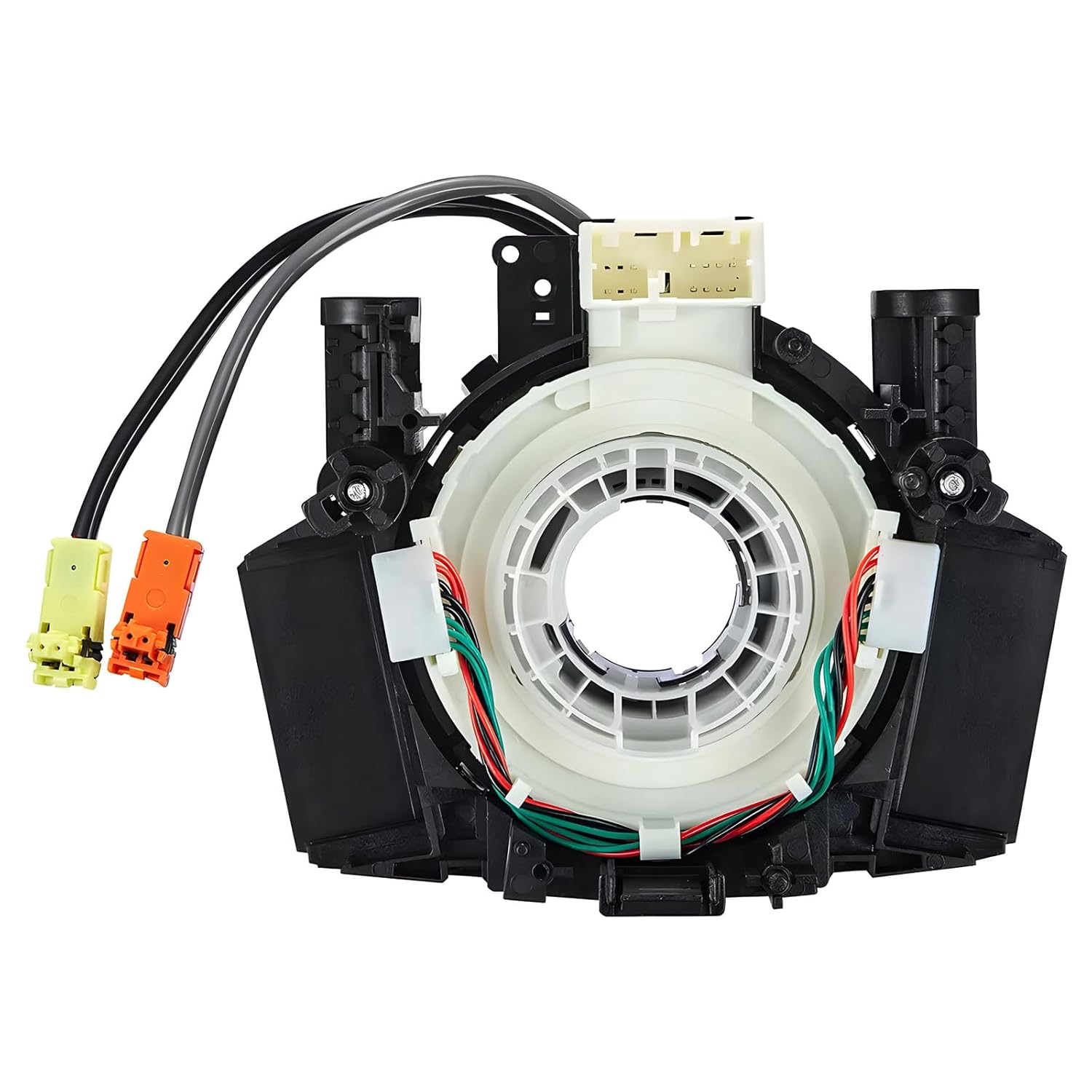
This steering clock spring assembly is an OEM-style replacement designed to restore steering wheel controls and related electronic functions in compatible Nissan vehicles. It supports audio, cruise control, and multi-function button operation while matching multiple factory part numbers for a reliable fit. Built for direct installation with vehicle-specific connectors, it helps return steering column electronics to proper working order.

This steering clock spring is designed to restore reliable steering wheel controls across a wide range of Toyota models. It supports audio, cruise control, and other multifunction commands while matching OEM part numbers for confident replacement fitment. Built for dependable signal transfer and straightforward installation, it is an effective solution for repairing steering column control issues.

This set of four pre-programmed TPMS sensors is designed to restore accurate tire pressure monitoring for a wide range of Toyota, Lexus, and Scion vehicles. Built to OE-quality standards with long battery life and broad compatibility, these sensors help maintain proper tire pressure, improve safety, and eliminate TPMS warning lights when installed and activated correctly.
Reasons to Store the Supra
- Protection from salt: Road salt can speed corrosion on underbody parts, fasteners, brake components, and suspension hardware.
- Less winter damage: Storage avoids snowbank scrapes, curb hits, pothole impacts, and frozen slush buildup.
- Better resale condition: Fewer winter miles can help preserve paint, wheels, underside condition, and interior wear.
- Lower stress: You avoid forcing a low sports car through weather it was not designed to handle.
Reasons to Drive It Year-Round
- You enjoy the car: A Supra is meant to be driven, and light winter days can still be fun with the right tires.
- You have mild winters: Cold rain and occasional flurries are manageable with good tires and careful driving.
- You have no storage space: Not every owner has a garage or second vehicle.
- You stay prepared: With winter tires, maintenance, and smart route planning, occasional winter use can be reasonable.
How to Store It Properly
Wash and dry the car, clean the wheels and underbody, fill the fuel tank if recommended for your storage plan, connect a quality battery maintainer, inflate tires to the recommended storage pressure, and park on a clean, dry surface. Avoid starting the engine briefly every few weeks unless you can fully warm the car and drive it; short starts can add moisture to the exhaust and oil.
Community Experiences With Winter Driving
Supra owners who drive through winter often report the same pattern: the car is manageable on cold dry pavement and light snow with proper winter tires, but it becomes difficult in deep snow, steep driveways, packed ice, and unplowed parking lots. That lines up with the car’s layout. Rear-wheel drive rewards smooth driving but punishes sudden throttle on low-grip roads.
The most useful community advice is practical: fit real winter tires, avoid deep snow, do not lower the car for winter use, keep traction control on, leave early, and choose routes with flatter roads. Drivers who try to make summer tires work in freezing weather usually have the worst experience.
Winter Driving Checklist Before You Go
- Check the weather, road closures, and local chain laws before leaving.
- Confirm tire pressure when the tires are cold.
- Clear all snow and ice from the roof, windows, mirrors, lights, grille, and sensors.
- Use normal or comfort drive settings instead of aggressive sport settings.
- Keep the fuel tank from running too low in freezing weather.
- Carry a winter emergency kit and a charged phone.
- Turn around if snow is deeper than the Supra’s safe clearance.
Common Winter Mistakes Supra Owners Should Avoid
- Driving on summer tires: Summer performance tires are not designed for snow and can lose grip badly in freezing conditions.
- Disabling traction control: Turning off stability systems on public roads makes the car harder to recover when grip disappears.
- Using too much throttle: More throttle usually means more wheelspin, not more movement.
- Following SUVs too closely: AWD helps them accelerate, but it does not magically shorten your stopping distance.
- Ignoring salt: Salt damage builds slowly. Regular rinsing matters if you drive through treated roads.
- Assuming one tire fits all winters: Mild climates, mountain roads, ice, slush, and deep snow all call for different tire priorities.
Frequently Asked Questions
Is a Supra good for winter?
A Supra is not the best winter vehicle because it is low, rear-wheel drive, and performance-focused. It can be driven in cold weather and light snow with dedicated winter tires, careful throttle control, and realistic limits, but deep snow and ice are better left to a higher-clearance winter vehicle.
Can I drive a Supra in snow with all-season tires?
You can in very light snow if the tires are in excellent condition, but dedicated winter tires are much safer for regular snow, ice, and freezing temperatures. For a rear-wheel-drive Supra, tire grip matters more than almost any other winter modification.
Are Blizzak WS90 tires good for a Supra?
Blizzak WS90 tires are strong winter tires for many passenger cars, but the right choice depends on whether they are available in a safe size and load rating for your Supra. If the WS90 is not available for your setup, compare other 3PMSF-rated winter tires that fit properly.
Should I add weight to the trunk for winter traction?
A small amount of secured weight may help rear traction at low speeds, but it should be used carefully. Too much weight changes braking and handling, and loose weight can become dangerous in a crash. Winter tires are a much better first step.
Should I change the oil for winter driving?
Use the oil grade and specification listed in the Toyota owner’s manual for your exact model year. Do not switch viscosity based only on general advice. If you drive in extreme cold, ask a Toyota dealer or qualified technician what the manual allows for your climate.
When should I store my Supra instead of driving it?
Store it when roads are deeply snow-covered, icy for long periods, heavily salted, or when your commute includes steep unplowed roads. If you want to preserve paint, wheels, underbody parts, and resale condition, winter storage is often the cleaner choice.
Conclusion
A Toyota Supra can survive winter, but it needs respect. The winning formula is simple: fit proper winter tires, keep the car maintained, drive with smooth inputs, and avoid weather that overwhelms a low rear-wheel-drive coupe. If the roads are only cold and lightly snowy, your Supra can still be enjoyable. If the roads are icy, deeply rutted, or buried under snow, let the delicate snowflake stay in the garage and save the heroics for spring.
Sources
- Toyota GR Supra Specifications — official model details and performance-focused vehicle information.
- Toyota 2026 Supra Owner’s Manual — owner guidance for maintenance, tires, and vehicle operation.
- NHTSA Winter Driving Tips — vehicle preparation, tire pressure, battery, and winter safety guidance.
- U.S. Tire Manufacturers Association Severe Snow Tire Definition — 3PMSF severe snow service marking background.
- Bridgestone Blizzak WS90 — manufacturer tire information for the Blizzak WS90 winter tire.
- Bridgestone Blizzak IcePeak Announcement — newer Bridgestone winter tire details, including 3PMSF and Ice Grip certifications.