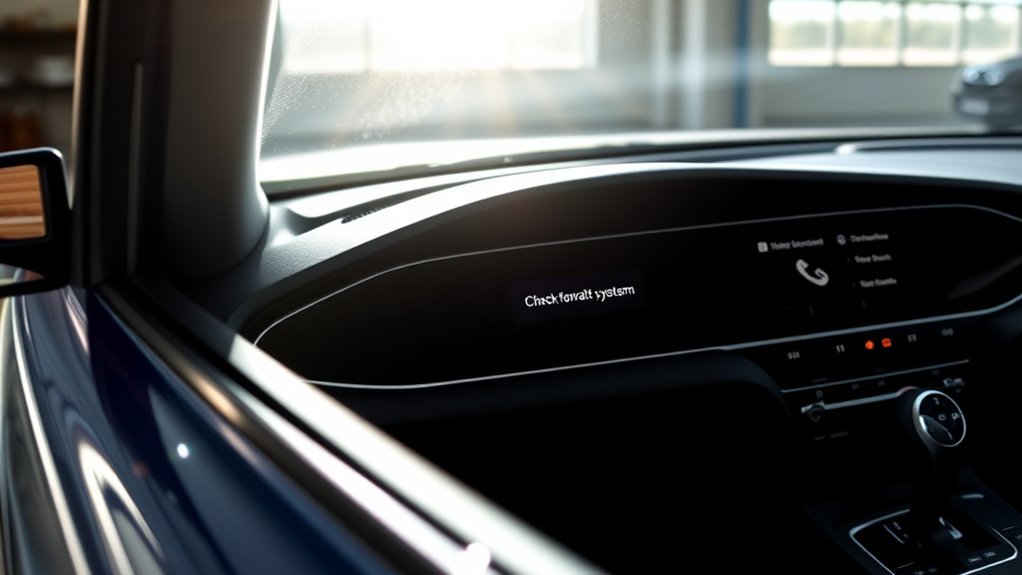
If you see the “Check Forward Safety System” warning in your Sonata, it likely indicates a malfunction in the Forward Collision-Avoidance Assist feature. Begin by inspecting the front windshield and sensors for dirt, ice, or misalignment. If issues persist after troubleshooting, consult your authorized Hyundai dealer.
Understanding the “Check Forward Safety System” Warning
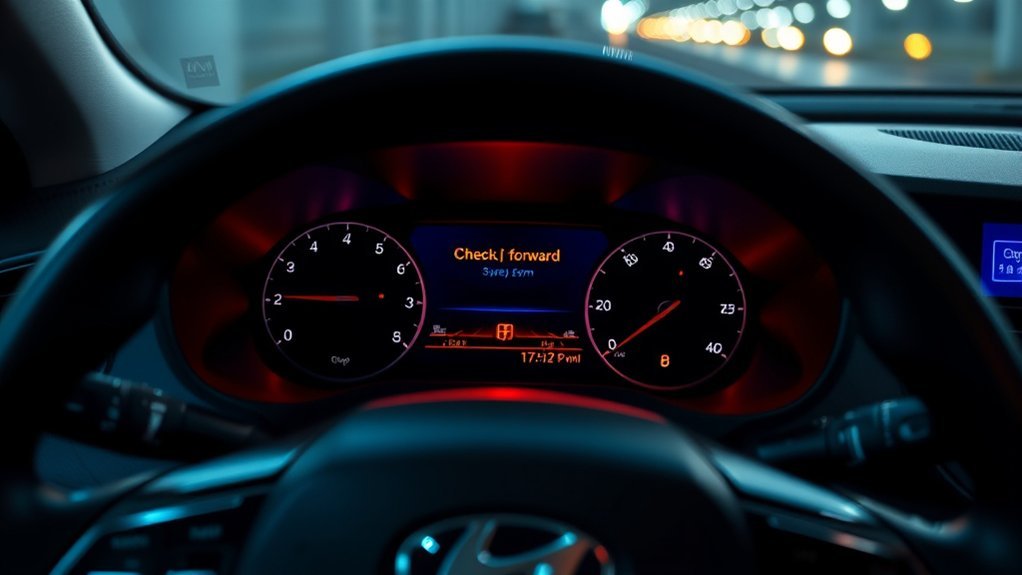
When your vehicle displays the “Check Forward Safety System” warning, it typically signals a malfunction in the Forward Collision-Avoidance Assist feature. This warning often stems from obstructions or misaligned sensors, crucial components in your vehicle’s sensor technology. For instance, blocked cameras or sensors due to snow or ice can impair system functionality, temporarily disabling necessary safety features.
Additionally, misaligned radar units may disrupt cruise control and other systems, necessitating a professional inspection. Extreme weather, low visibility, or sudden brightness changes can further complicate operations, leading to the warning’s appearance.
Check warning messages promptly, because the forward collision system may be limited or off until the cause is fixed.
Top Reasons Your Forward Safety System May Fail
Your Forward Safety System may fail due to obstructions and contaminants on the sensors, which can obscure their functionality. Additionally, misaligned or damaged sensors, often stemming from minor accidents or installation errors, can further compromise performance. Regular maintenance is essential to guarantee these issues are addressed promptly and effectively.
Obstructions and Contaminants
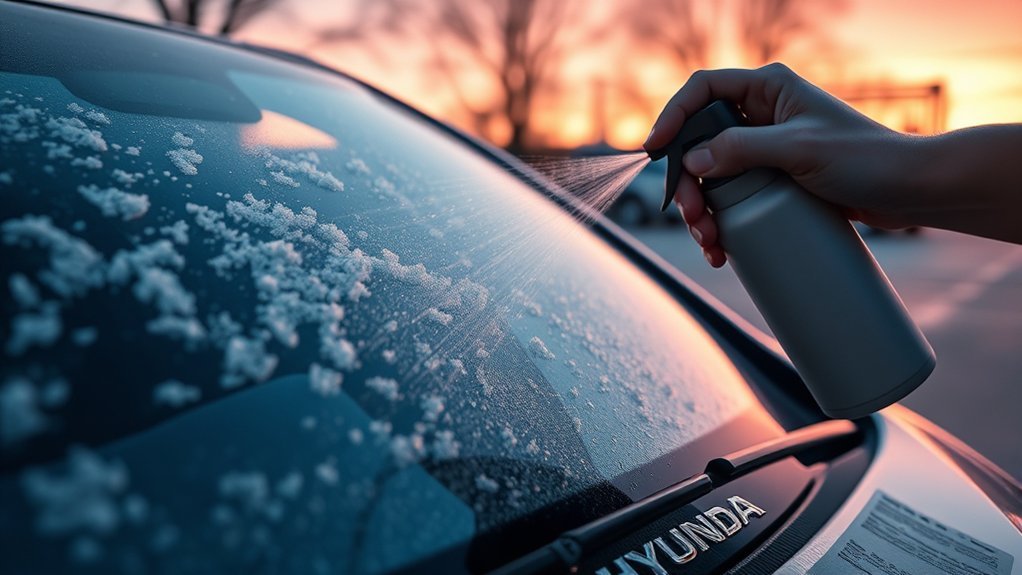
Obstructions and contaminants can greatly impair the performance of your Forward Safety system, often leading to critical failures. Snow, rain, or dirt on the windshield or sensors can cause warning messages like “Camera obscured” or “Radar blocked.” Tinted windshields and foreign materials can further hinder detection, compromising the Forward Collision-Avoidance Assist system’s functionality. Contaminated or damaged sensors, along with extreme temperatures, may generate erroneous warnings or system failures. Sudden brightness changes, such as entering tunnels, disrupt camera operation and sensor detection. Regular sensor cleaning and thorough obstruction identification are essential for maintaining peak performance. By ensuring your sensors are clear, you enhance your vehicle’s safety capabilities and reduce the risk of system malfunctions.
Sensor Alignment Issues
Sensor alignment issues can greatly compromise the effectiveness of your Forward Safety System, often leading to unexpected failures. Misalignment of radar or camera sensors, which can follow bumper damage or a collision, is one possible cause. Additionally, ice, snow, or debris can obstruct sensor functionality, prompting warning messages such as “Camera obscured” or “Radar blocked.” External conditions like extreme temperatures and heavy rain can further disrupt sensor performance. To combat these challenges, the sensors may need recalibration by a dealer after accidents, bumper repairs or windshield replacement. Documenting any sensor warnings during service visits can also facilitate diagnosing alignment issues and aid in warranty claims. Maintaining proper sensor alignment is vital for ensuring your system operates effectively and reliably.
Troubleshooting Steps for the Sonata’s Sensors
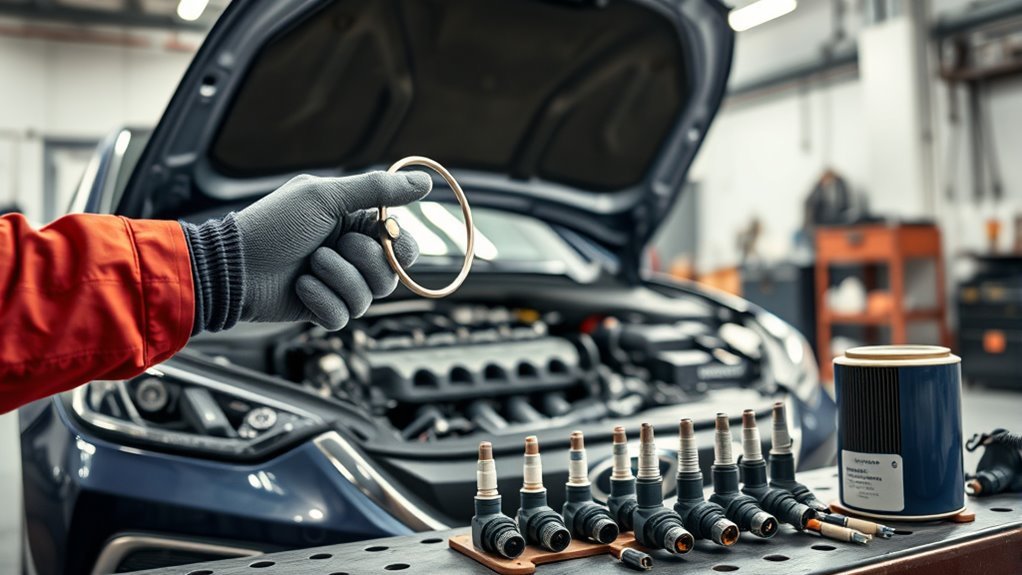
To troubleshoot the Sonata’s Forward Collision-Avoidance Assist system, start by inspecting the front windshield and sensors for any obstructions. Dirt, ice, or snow can temporarily disable the system and trigger warning messages. Next, check for physical damage or misalignment of the radar and camera sensors. Minor accidents or bumper damage can lead to recurring issues.
Also, validate that extreme weather conditions aren’t impacting the sensors; heavy rain, snow, or fog can hinder performance and cause false warnings. Ask a dealer whether any software updates or recalls apply to your VIN.
Implement these sensor maintenance tips along with effective troubleshooting techniques. If warning messages persist despite these efforts, consult an authorized Hyundai dealer for a diagnostic check, as deeper underlying problems may require professional assistance.
What to Do After Troubleshooting: When to Seek Help
If you’ve addressed the initial issues but the “Check Forward Safety System” message remains, it’s time to contemplate professional help. Persistent problems might signal deeper issues that require a thorough diagnosis from an authorized dealer. Additionally, explore warranty options to potentially cover repair costs and guarantee your safety features function correctly.
Signs of Persistent Issues
While troubleshooting your vehicle’s “Check Forward Safety System,” it’s important to recognize when persistent issues signal the need for professional assistance. If you encounter ongoing warnings, don’t ignore them; they can jeopardize your safety. Consider these indicators:
- Continuing Warnings: Messages like “Camera obscured” or “Radar blocked” persistently appear, indicating potential sensor performance malfunctions.
- Repeated Errors: You’ve cleaned sensors or checked for obstructions, yet issues reoccur after repairs; this may require deeper diagnostics.
- Long-Term Problems: If these warnings last for days or months, it’s likely a more significant hardware or software issue needing expert evaluation.
Documenting error codes and service interactions will also aid in communicating effectively with your authorized HYUNDAI dealer.
Importance of Professional Diagnosis
Recognizing the importance of a professional diagnosis becomes essential when the “Check Forward Safety System” message persists despite your troubleshooting efforts. Authorized dealers possess advanced diagnostic tools and technician training necessary to identify underlying issues you may not detect. A dealer can assess radar and camera alignment and check for damage. Unresolved radar and sensor issues can disable cruise control and other safety features, so have them checked. Documenting error codes and symptoms enhances the diagnostic process, allowing technicians to pinpoint malfunctions effectively.
Exploring Warranty Options
Exploring warranty options is essential when your troubleshooting efforts for the “Check Forward Safety System” warning fall short. To navigate the claim process effectively, follow these steps:
- Document Everything: Keep a detailed record of error codes, repair attempts, and communications with the dealership. This history supports your warranty claim.
- Understand Warranty Coverage: Familiarize yourself with what’s included in your vehicle’s warranty, especially regarding sensor failures and electronic systems.
- Reach Out for Help: If issues persist, contact Hyundai’s customer service. They can provide guidance on warranty options and potential reimbursement for repairs.
Why Regular Maintenance Matters
Keeping the front windshield and sensor areas clear of snow, ice, mud and debris is the simplest way to avoid many of these warnings; even a small obstruction can limit the system.
How Weather Conditions Affect Sensor Performance?
Weather conditions can dramatically impact the performance of your vehicle’s forward safety system sensors. Understanding these weather impacts is essential for maintaining sensor calibration and ensuring peak functionality. Here are key factors to take into account:
- Obstructions: Ice, snow, or dirt can block sensors, leading to temporary failures. Regular cleaning is essential for reliable detection.
- Visibility: Low visibility from fog or darkness complicates the system’s ability to detect vehicles and pedestrians, increasing the risk of missed alerts.
- Temperature Extremes: Extreme cold or heat, and sudden changes in brightness, can temporarily limit the camera.
These weather conditions necessitate your vigilance in maintaining the sensors. The system usually recovers when conditions improve. Until then, drive as if the system isn’t there.
Documenting Dealer Interactions for Warranty Claims
When dealing with warranty claims for your “Check Forward Safety System,” it’s crucial to meticulously document all interactions with the dealer. This thorough dealer documentation will support your case and streamline the warranty escalation process. Follow these steps:
- Record Details: Note dates, times, and the names of service representatives during your visits or calls.
- Request Written Explanations: Always ask for a written diagnosis, repair details, or reasons for warranty denials to guarantee transparency.
- Share Error Codes: If you see any error messages or codes, share them with the dealer for a more accurate diagnosis.
If you face warranty denial, escalate the matter to Hyundai corporate with your documentation. By being thorough and proactive, you can enhance your chances of a favorable outcome.
Checking for Recalls on the Forward Safety System
After ensuring your warranty claims are well-documented, it’s important to check for any recalls on your Forward Safety System. Start by visiting the official Hyundai website and entering your Vehicle Identification Number (VIN) in the recall section. This will provide you with the latest recall notifications relevant to your model. You can also utilize the National Highway Traffic Safety Administration (NHTSA) website for additional safety assessments by entering your VIN there as well.
Don’t hesitate to contact your local Hyundai dealership for specific information regarding any open recalls affecting your Forward Safety System; they can offer detailed assistance. Regularly checking for updates from Hyundai is essential, as ongoing safety assessments may lead to new recalls that could impact your vehicle’s safety features.
Frequently Asked Questions
Can I Manually Reset the Forward Safety System Warning?
You can’t manually reset the safety system warning. Instead, check for any obstructions or faults in the system. If issues persist, consult your vehicle’s manual or a professional for proper diagnosis and resolution.
How Much Does Sensor Recalibration Typically Cost?
Cost varies by dealer and by what caused the need for recalibration, so ask for a written estimate.
Will a Dead Battery Affect the Forward Safety System?
A weak or dead battery can trigger various warning messages, including driver-assistance warnings, because low voltage can disable electronic systems. If the warning appeared after a jump-start or battery problem, check the battery and see whether the message clears.
Are Aftermarket Sensors Compatible With My Hyundai Sonata?
Aftermarket sensors aren’t recommended for safety systems. Use parts approved for your Sonata, and have any camera or radar replacement calibrated by a dealer.
How Often Should I Clean the Radar and Camera Sensors?
Clean the camera area of the windshield and the radar area on the front of the car whenever they get dirty, using a soft cloth and a mild cleaner, and avoid harsh chemicals.
Conclusion
In summary, check the sensors and windshield for dirt, ice or snow first. If the warning persists, have an authorized Hyundai dealer diagnose it, since this system affects collision avoidance.