
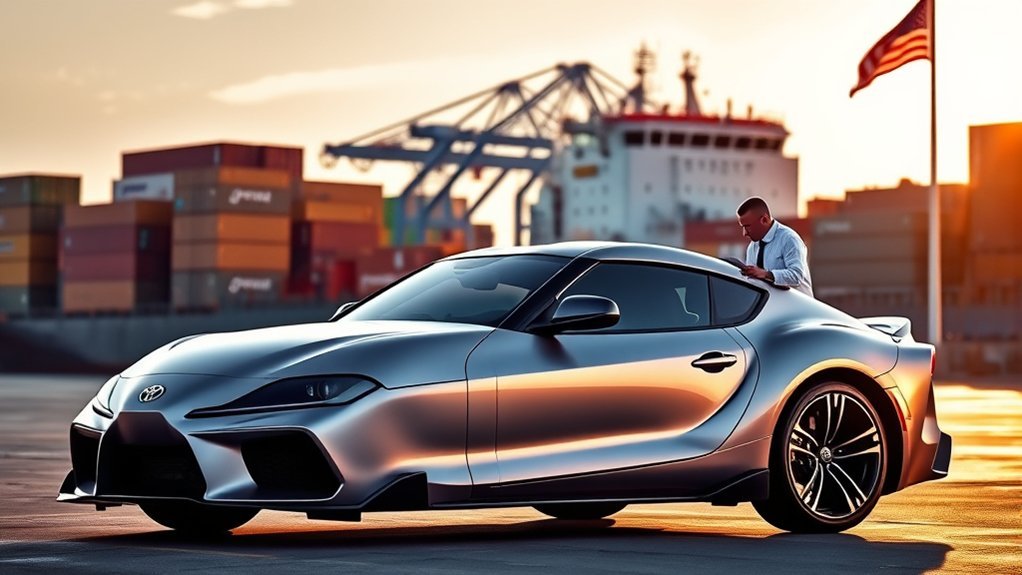
To import a Toyota Supra to the U.S., verify it’s at least 25 years old (the NHTSA safety-standard exemption; EPA’s exemption applies at 21 years). Gather essential documents like the HS-7 and customs forms, along with the original title. Research reputable importers who specialize in Japanese vehicles and offer pre-purchase inspections. Budget for shipping, customs duties, and state fees while considering insurance costs. Understanding compliance and state regulations is vital for a smooth import process, and there’s much more to explore on this topic.
Avoiding Common Pitfalls in Importing a Toyota Supra
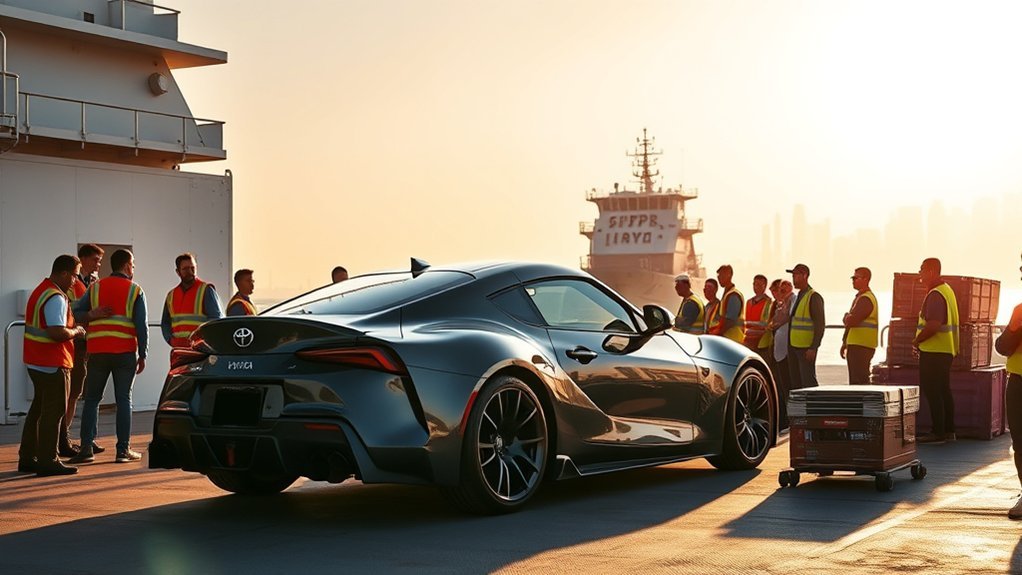
When you’re importing a Toyota Supra, avoiding common pitfalls can save you time and money. First, make sure the vehicle’s at least 25 years old; this qualifies it for NHTSA’s exemption from federal safety standards (FMVSS), and EPA exempts vehicles at least 21 years old in original configuration. Next, conduct a thorough pre-purchase inspection to uncover any issues like rust or modifications that might complicate compliance. Pay attention to import timing; delays can be costly. Familiarize yourself with state-specific regulations, as they can impose additional requirements for registering RHD vehicles. Finally, budget for costs like shipping, customs duties, and state fees to avoid unexpected financial strain. A solid understanding of the vehicle history can also help you make informed decisions along the way.
What Documents Do You Need to Import Your Supra?
Importing a Toyota Supra requires careful attention to the necessary documentation, or you might face delays and complications. Here’s a quick document checklist to help you navigate the importer requirements:
| Document | Purpose | Notes |
|---|---|---|
| HS-7 Form | Declares compliance with safety regulations | Required for every imported vehicle; box 1 covers vehicles 25+ years old |
| CBP 3461 & 7501 Forms | Customs clearance | Essential for import duties |
| Original Title & Bill of Sale | Proves ownership | Needed for state registration |
You will also need EPA Form 3520-1, plus a vehicle history report and proof of payment for import duties. A Supra under 25 years old generally must go through a Registered Importer and be eligible for import, which is rarely practical. Being organized will smoothen your importing journey!
How to Select a Reputable Importer for Your Supra?
How do you choose a reputable importer for your Toyota Supra? Start by researching importers who specialize in Japanese vehicles with a proven track record in handling Supras. Check their importer qualifications and explore online reviews to gauge their reliability. A solid vetting process should include transparent pricing—understand every cost, from sourcing to customs clearance. Confirm they offer pre-purchase inspection services, partnering with trusted mechanics who know the Supra inside and out. Finally, look for importers who provide ongoing support for registration and compliance with state-specific requirements, especially for RHD vehicles. This approach not only safeguards your investment but also guarantees that your Supra arrives ready for the open road.
What to Look for During a Pre-Purchase Inspection?
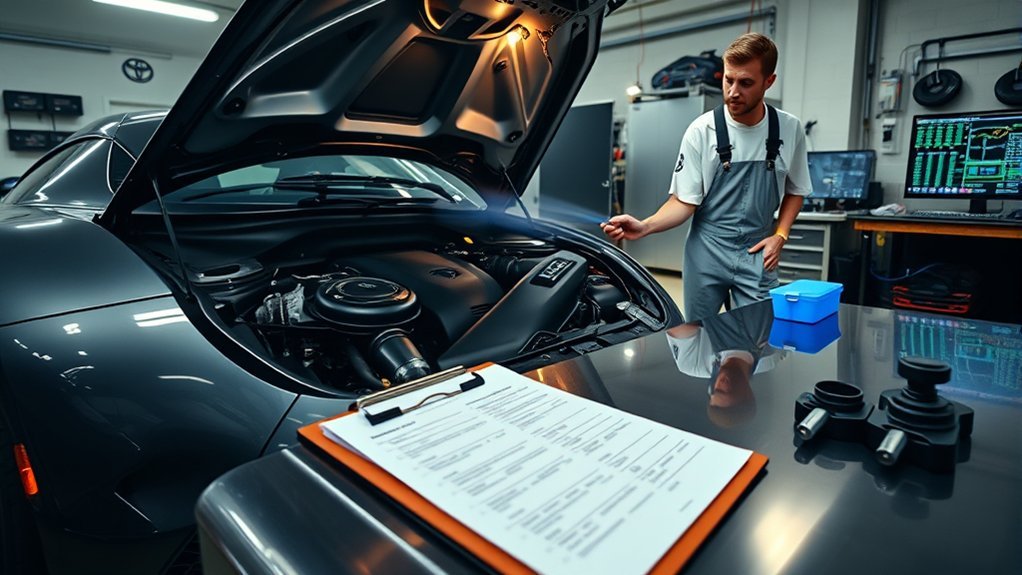
Before sealing the deal on your Toyota Supra, conducting a thorough pre-purchase inspection is essential. First, assess the engine condition—ensure the 2JZ-GTE powerplant has no oil leaks and that the timing belt was replaced within the 60,000-100,000 mile interval. Next, check the transmission functionality; smooth gear shifts are vital, especially in the manual version, as worn shift bushings can cause issues. Don’t overlook a rust inspection—examine the undercarriage and bodywork, particularly around the targa top seals. Finally, scrutinize suspension wear, focusing on original shock absorbers, which can lose effectiveness over time. Review the maintenance history to confirm regular service records, especially for critical components like the turbocharger and brakes.
How to Budget for Import Costs and Insurance?
Budgeting for your Toyota Supra’s import costs and insurance requires a clear understanding of various expenses involved in the process. Start by considering shipping fees, which can range from $1,000 to $2,500, and customs duties at 2.5% of the vehicle’s declared value. Don’t forget state registration fees and taxes, which can add hundreds to your total. Insurance premiums for specialty cars like the Supra typically range from $500 to $1,500 annually, so securing insurance quotes beforehand is vital. Additionally, factor in potential port fees ($200 to $500) and inspection costs. Establish an overall budget that includes a contingency fund of at least 10-15% to handle unexpected expenses during the import journey.
Importing a Supra: Compliance and State Regulations
Importing a Toyota Supra into the U.S. can be a rewarding experience, but it requires careful attention to compliance and state regulations. To qualify for the federal safety-standard exemption, your Supra must be at least 25 years old (EPA’s exemption applies at 21 years). Start with a compliance checklist: gather necessary documentation like the HS-7 form, original title, and bill of sale to meet customs requirements. Research your state’s DMV regulations, especially for RHD vehicles, as safety inspections and VIN verification may vary. For the EPA exemption, the car should be in its original configuration when imported; afterward, your state’s emissions and inspection rules decide which modifications are allowed. If you’re in California, make sure you also meet CARB regulations, which can impact your registration eligibility.
Frequently Asked Questions
Why Does the U.S. Have a 25 Year Import Rule?
The U.S. has a 25-year import rule to simplify access to classic cars, allowing enthusiasts like you to bypass strict import regulations. This rule fosters appreciation for vintage vehicles while protecting the domestic automotive market.
How Much Does It Cost to Import a Car Into the United States?
Importing a car into the U.S. typically costs around 2.5% of the vehicle’s value in import fees, plus shipping costs that range from $1,000 to $3,000, depending on your chosen method.
What Is the JDM Import Rule?
The JDM import rule allows you to bypass strict import restrictions for vehicles over 25 years old. This means you can enjoy classic Japanese cars while complying with U.S. import rules, simplifying your import journey.
Conclusion
By following this guide, you’ll navigate the complexities of importing a Toyota Supra with confidence. Coincidentally, many enthusiasts find that the journey of importing their dream car strengthens their connection to it. So, whether you’re budgeting for costs or ensuring compliance, each step brings you closer to that exhilarating drive. Remember, your Supra isn’t just a car; it’s a story waiting to be written on the open road. Happy importing!