
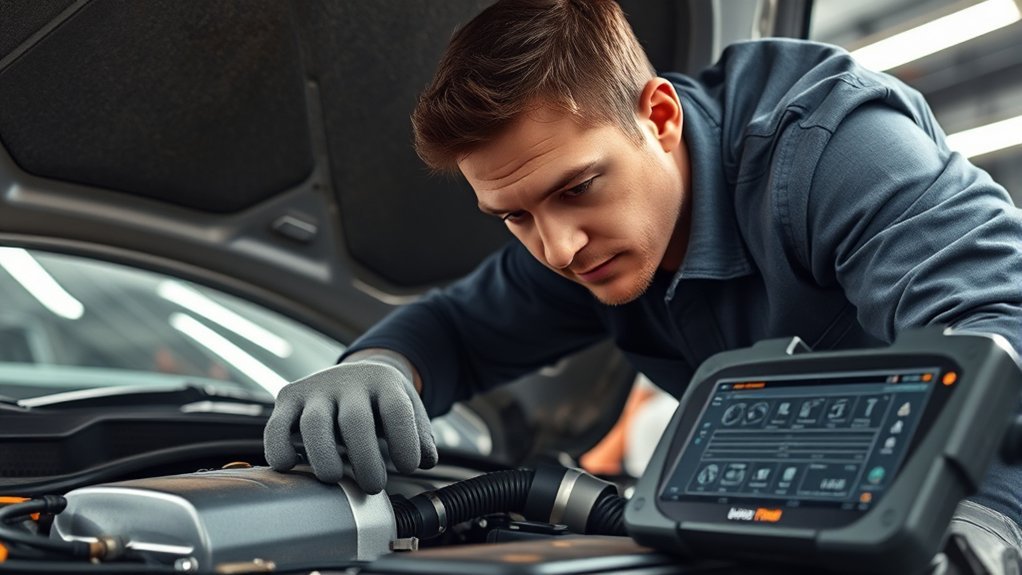
A Hyundai Sonata vacuum leak can cause rough idle, hesitation, stalling, lean trouble codes, or a check engine light. Start with the visible intake and vacuum connections, but do not replace sensors or gaskets based on symptoms alone. Record the diagnostic data, compare fuel trims at idle and higher RPM, and use a smoke test when the leak is not visible.
Last updated: July 14, 2026
Quick Answer
To diagnose a Hyundai Sonata vacuum leak, inspect the intake duct, vacuum lines, PCV system, purge connection, and brake-booster hose. Listen for a hiss at warm idle, record stored and pending codes, review fuel trims, and compare the readings at idle and higher RPM. Confirm a suspected leak with a low-pressure smoke test before replacing the hose, gasket, valve, fitting, or other failed part.
Key Takeaways
- A vacuum leak lets air enter the intake or a connected system through a path the engine-control system did not expect.
- Common Sonata leak points include intake hoses, PCV hoses or valves, intake manifold gaskets, purge connections, brake-booster hoses, and throttle-body seals.
- Positive fuel trim that is strongest at idle and improves as RPM rises supports a vacuum-leak diagnosis, but the pattern does not prove the leak location.
- Save codes and freeze-frame information before clearing anything. Clearing codes may also reset emissions-readiness monitors.
- Do not use flammable spray cleaners around a hot or running engine. A regulated smoke test is safer and more precise.
- A hard brake pedal or reduced brake assist can indicate a brake-booster vacuum problem. Stop driving and arrange service if braking effort changes.
At a Glance
| Diagnosis Time | A visible hose problem may be found during a brief inspection. Hidden gasket, purge, booster, or intake leaks usually require more testing. |
| Difficulty | Beginner for visual inspection; intermediate or professional-level for smoke testing, intake removal, or brake-booster diagnosis |
| Useful Tools | Flashlight, gloves, OBD-II scanner with live data, basic hand tools, inspection mirror, and a regulated automotive smoke machine |
| Repair Cost | A hose or fitting may cost much less than an intake repair. As of July 14, 2026, RepairPal lists the average Hyundai Sonata intake manifold gasket replacement at $440–$531 before taxes, location adjustments, and related repairs. |
What Is a Vacuum Leak in a Hyundai Sonata?
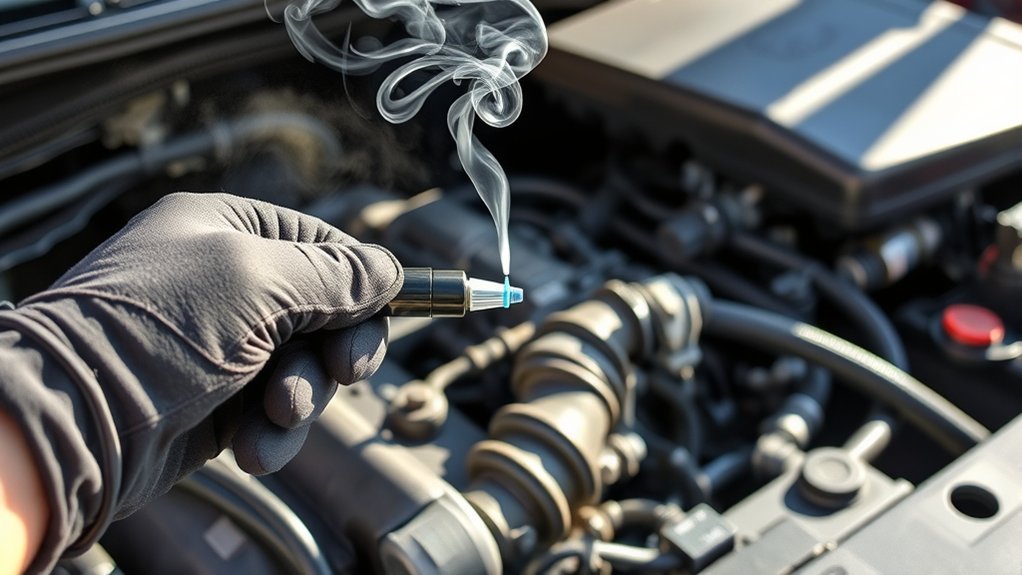
A vacuum leak occurs when air enters the intake manifold or a connected system through a path the engine-control system did not expect. On an engine that uses a mass airflow sensor, the leak may allow air to bypass measured airflow. On a manifold-pressure-based strategy, the leak changes manifold pressure and calculated engine load.
The engine computer may respond by adding fuel. That correction appears as positive short-term fuel trim or positive long-term fuel trim on an OBD-II scan tool. The effect is often easiest to see at idle because a fixed-size leak represents a larger share of total airflow when the throttle is nearly closed.
Possible Sonata leak points include cracked vacuum hoses, loose intake ducting, a leaking intake manifold gasket, a PCV-system fault, a brake-booster hose, an EVAP purge valve stuck open, or a loose seal near the throttle body. The exact routing depends on the model year and engine, so compare the vehicle with the correct Hyundai owner’s manual and vehicle-specific service information.
A leak can cause rough idle, stalling, hesitation, increased emissions, and a check engine light. Similar symptoms can also result from ignition faults, low fuel pressure, injector problems, inaccurate airflow data, an upstream exhaust leak, or mechanical engine trouble.
Why Do the Sonata Model Year and Engine Type Matter?
Hyundai has used different engines and air-management strategies across Sonata generations. Hose routing, PCV design, sensor layout, turbo plumbing, and intake access can therefore differ substantially. Use the VIN and engine information when ordering parts or following a service procedure. This overview of Hyundai Sonata engine options can help you identify the broad engine family before checking the vehicle-specific manual.
- Naturally aspirated gasoline engines: Intake manifold gaskets, PCV hoses, brake-booster lines, purge connections, and throttle-body seals are common inspection areas.
- Turbocharged engines: A manifold-side vacuum leak may affect idle, while a charge-pipe or intercooler leak may appear mainly under boost. A pressure-side leak is not diagnosed by idle fuel trims alone.
- Hybrid models: The gasoline engine may start and stop automatically, which can make a steady warm-idle test harder to perform. Follow the correct service mode and safety procedure. Some Sonata Hybrid and turbocharged models also use an electric vacuum pump to support the brake booster; a pump fault can produce brake-assist symptoms similar to a vacuum leak without an intake-side leak being present.
What Symptoms Point to a Hyundai Sonata Vacuum Leak?
Look for a combination of symptoms rather than treating one code or sound as proof. A vacuum leak often affects idle more strongly than higher-load operation, but the exact pattern depends on the leak location and engine strategy.
- Hissing, whistling, or sucking sound: A split hose, loose connection, intake gasket, or throttle-body seal may make noise while the engine idles. A steady high-pitched hiss or whistle usually points to a small, consistent opening such as a pinhole in a hose or a gasket edge, while an intermittent sucking or “kissing” sound is more often a larger disconnected hose or loose fitting moving with engine vibration.
- Rough idle or idle surge: The RPM may rise and fall, feel uneven, or dip low enough for the engine to stall.
- Hesitation or weak response: An incorrect air-fuel calculation can cause hesitation when you first press the accelerator.
- Check engine light: OBD systems can illuminate the warning lamp and store diagnostic information after detecting an emissions-related fault, as explained by the California Air Resources Board OBD program.
- Lean trouble codes: P0171 indicates a lean condition on Bank 1. P0174 can appear only on an engine that has a second cylinder bank. EVAP-related codes such as P0442, P0455, or P0456 can also point to a purge-valve or hose leak rather than a conventional intake vacuum leak.
- Positive fuel trim at idle: STFT or LTFT may become more positive at idle and move closer to the vehicle’s normal range as RPM increases.
- Lower fuel economy: Fuel use may increase when the computer repeatedly adds fuel or the engine operates inefficiently.
- Hard starts or stalling: A larger leak can make the engine difficult to start or cause it to stall while slowing or stopping.
- Hard brake pedal: A failed brake-booster hose, check valve, or booster can reduce available brake assist. Stop driving if pedal effort changes.
Note: Negative fuel trim means the computer is subtracting fuel because it detects a rich condition. A vacuum leak more often creates positive trim, especially at idle. Strong negative trims point toward other possibilities, including excessive fuel pressure, a leaking injector, incorrect sensor data, or restricted intake airflow.
Which Diagnostic Patterns Help Narrow the Cause?
The following patterns can guide the next test, but none should be treated as final confirmation. Record the conditions under which each symptom appears.
| Observation | What It Suggests | Next Check |
|---|---|---|
| Positive trim is strongest at idle and improves as RPM rises | An intake-side vacuum leak is more likely | Inspect hoses, PCV parts, purge connection, booster hose, and intake seals; confirm with smoke |
| Positive trim remains high at idle and under load | A vacuum leak is possible, but fuel delivery or sensor accuracy becomes more important | Check fuel pressure, injector operation, MAF or MAP data, and upstream exhaust leaks |
| Rough idle or hard restart after refueling | A purge valve may be flowing when it should be closed | Test the purge valve and hose using the correct service procedure |
| Hard brake pedal plus hissing or idle change | Brake-booster hose, check valve, or booster fault | Stop driving and arrange a brake-assist inspection |
| Loss of power mainly under turbo boost | Charge-air leak may be more likely than an idle vacuum leak | Inspect charge pipes, couplers, intercooler connections, and pressure-side seals |
Where Do Vacuum Leaks Commonly Occur on a Sonata?
Begin with parts exposed to engine heat, vibration, oil vapor, and repeated removal. Rubber and plastic parts can harden, split, collapse, or loosen with age.
- Vacuum hoses and plastic fittings: Look for cracks, loose elbows, broken tees, disconnected lines, and damage hidden beneath clamps.
- PCV valve and PCV hose: A split hose, damaged seal, or valve that allows incorrect airflow can act like an intake leak.
- Brake-booster hose and check valve: A leak can affect both idle quality and brake assist.
- Intake manifold gasket: A failed seal may affect one intake runner, several cylinders, or an entire cylinder bank, depending on the engine.
- Throttle body and intake duct: Check loose clamps, torn boots, damaged seals, and ducting that was not fully seated after service.
- EVAP purge valve and purge hose: A purge valve stuck open can admit vapor-system airflow at the wrong time and imitate a conventional vacuum leak.
- Oil cap, dipstick seal, and crankcase connections: A PCV-system sealing problem can change crankcase and intake airflow.
- Other engine-specific passages: EGR-related or actuator vacuum circuits may exist on some applications. Confirm equipment before testing or ordering parts.
How Do You Diagnose a Hyundai Sonata Vacuum Leak?
Move from non-invasive checks to precise testing. Work on a cool engine during the visual inspection. Perform running tests outdoors or in a properly ventilated area.
[Products Worth Considering]
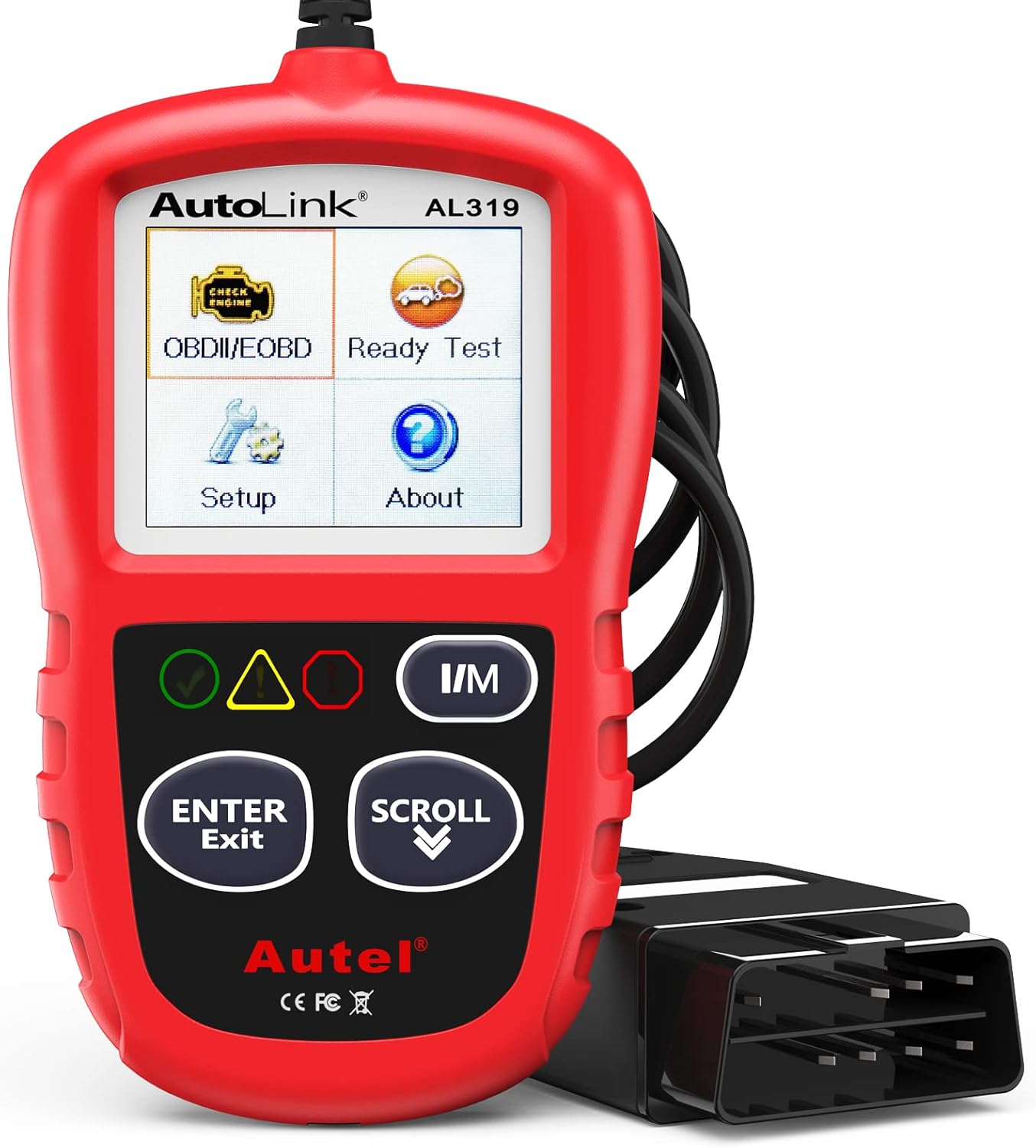
The Autel AL319 is a user-friendly OBD2 scan tool designed to help drivers quickly diagnose check engine light issues and understand vehicle fault codes. It supports reading and clearing DTCs, live data, freeze frame, I/M readiness, and vehicle information, making it a practical choice for DIYers and everyday car owners. With plug-and-play operation, a color display, built-in speaker, and broad vehicle compatibility, it delivers fast, reliable diagnostics without complicated setup.

This smart color coded tire tread depth gauge makes it easy to check tread wear at a glance with clear red, yellow, and green ranges. Calibrated from 0 to 1 inch in 1/32 inch increments, it helps you quickly assess tire condition for safer driving and timely replacements. The pocket clip design makes it convenient to carry and use on trucks, motorcycles, cars, and other passenger vehicles.

This automotive circuit tester checks low-voltage DC systems from 3-65V, making it useful for diagnosing headlights, taillights, fuses, sockets, and other vehicle wiring issues. The digital backlit display provides clear voltage readings with fine accuracy, while the bidirectional polarity indicator helps you test from either ground or positive. Built with a durable probe, insulated tip, and extra-long spring wire, it is designed for dependable everyday use in automotive and household electrical work.
Step 1: Inspect the Hoses, Ducting, and Intake Connections
Inspect each visible vacuum hose, intake boot, PCV connection, purge hose, and clamp. Bend rubber hoses gently and look for cracks that open as the hose moves. Use an inspection mirror to check the underside of elbows and molded hoses.
Check connections near the throttle body, intake manifold, valve cover, brake booster, and air-filter housing. Oil-softened rubber, collapsed hoses, broken plastic nipples, and clamps sitting behind their sealing bead all deserve attention.
Step 2: Listen at Warm Idle
Start the engine outdoors or in a properly ventilated work area. Listen for a steady hiss, whistle, or sucking sound that changes as you move around the engine bay. The sound is often easiest to isolate near the throttle body and intake boot before it becomes noticeable elsewhere in the bay, so start listening there before working outward.
Keep clothing, tools, hair, and hands away from belts, pulleys, fans, and hot exhaust components. Use an automotive mechanic’s stethoscope designed for noise tracing when available.
Warning: Do not spray carburetor cleaner, brake cleaner, starting fluid, propane, or another flammable product around a hot or running engine. These products can ignite, damage components, or create harmful fumes. Use a regulated automotive smoke test instead.
Step 3: Record Codes, Freeze-Frame Data, and Fuel Trims
Connect an OBD-II scanner before clearing codes or disconnecting the battery. Save stored codes, pending codes, freeze-frame information, and readiness-monitor status. Freeze-frame data can show whether the fault appeared at idle, during cruise, after startup, or under load.
After the engine reaches the correct operating temperature, review live data:
- STFT: Short-term fuel trim reacts quickly as the computer changes fueling.
- LTFT: Long-term fuel trim shows the correction the computer has learned over time.
- MAF or MAP data: Airflow or manifold-pressure readings help evaluate the engine’s load calculation.
- RPM, coolant temperature, and load: These values provide the conditions needed to compare one reading with another.
Compare trim at stable idle with trim at approximately 1,500–2,500 RPM while the vehicle remains safely parked. A leak often has its largest proportional effect at idle. If positive trim improves as airflow rises, an intake leak becomes more likely.
If trim remains strongly positive under load, also investigate fuel pressure, injector performance, sensor accuracy, and exhaust leaks ahead of the oxygen or air-fuel-ratio sensor.
Step 4: Confirm the Fault With a Low-Pressure Smoke Test
An automotive smoke machine introduces regulated, low-pressure smoke into the intake or connected circuit with the engine off. Escaping smoke can reveal a split hose, loose fitting, gasket leak, throttle-body seal, purge-system opening, or hidden crack.
Follow the smoke-machine instructions and the vehicle-specific service procedure. Do not apply excessive pressure to the intake, sensors, crankcase, brake booster, or EVAP components. Cap or isolate normal openings only as directed by the test procedure.
If a smoke machine is not available, a soapy-water spray at idle can serve as a lower-precision alternative: with the engine warm and idling, spray a light soapy-water mist around suspect hoses and fittings and watch for bubbles being drawn inward, which indicates air entering at that point. This method is safe and non-flammable, but it is less thorough than a regulated smoke test and can miss small or hard-to-reach leaks.
Step 5: Confirm the Exact Leak Before Buying Parts
Do not replace the intake manifold gasket, oxygen sensor, purge valve, PCV valve, or airflow sensor only because a lean code appeared. A small hose leak and a labor-intensive gasket problem can create similar symptoms.
Base the repair on visible smoke, a confirmed failed seal, a component test, or another repeatable result. After correcting the fault, compare the same live-data conditions again.
Pro Tip: Photograph the original hose routing, clamps, electrical connectors, and brackets before removing anything. Label similar-looking lines so they return to the correct ports.
How Do You Fix a Hyundai Sonata Vacuum Leak?
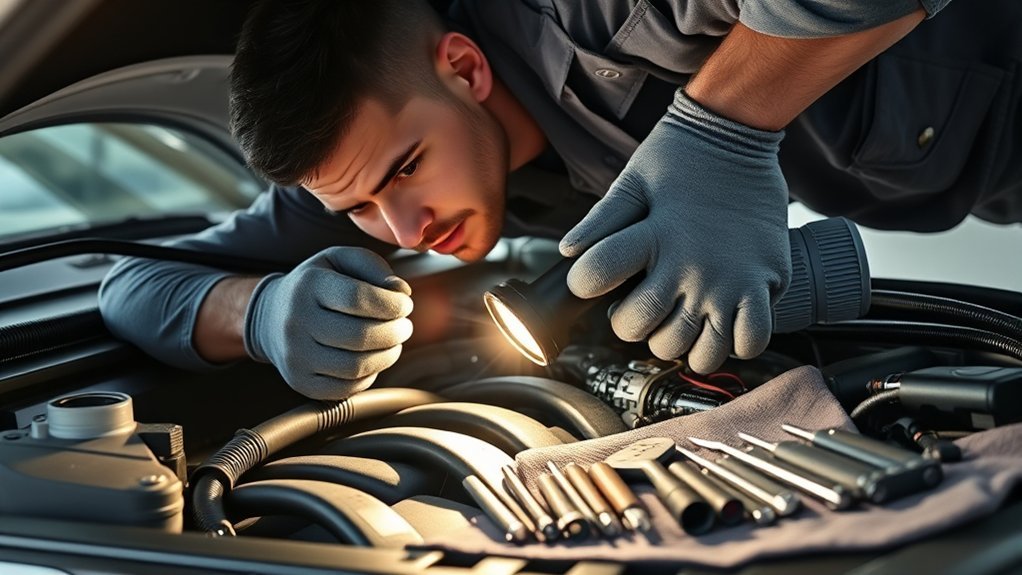
The repair depends on the confirmed failure. A loose clamp or exposed hose can be straightforward. An intake manifold gasket, brake booster, molded PCV assembly, or hard-to-reach purge connection may require professional service.
[Products Worth Considering]
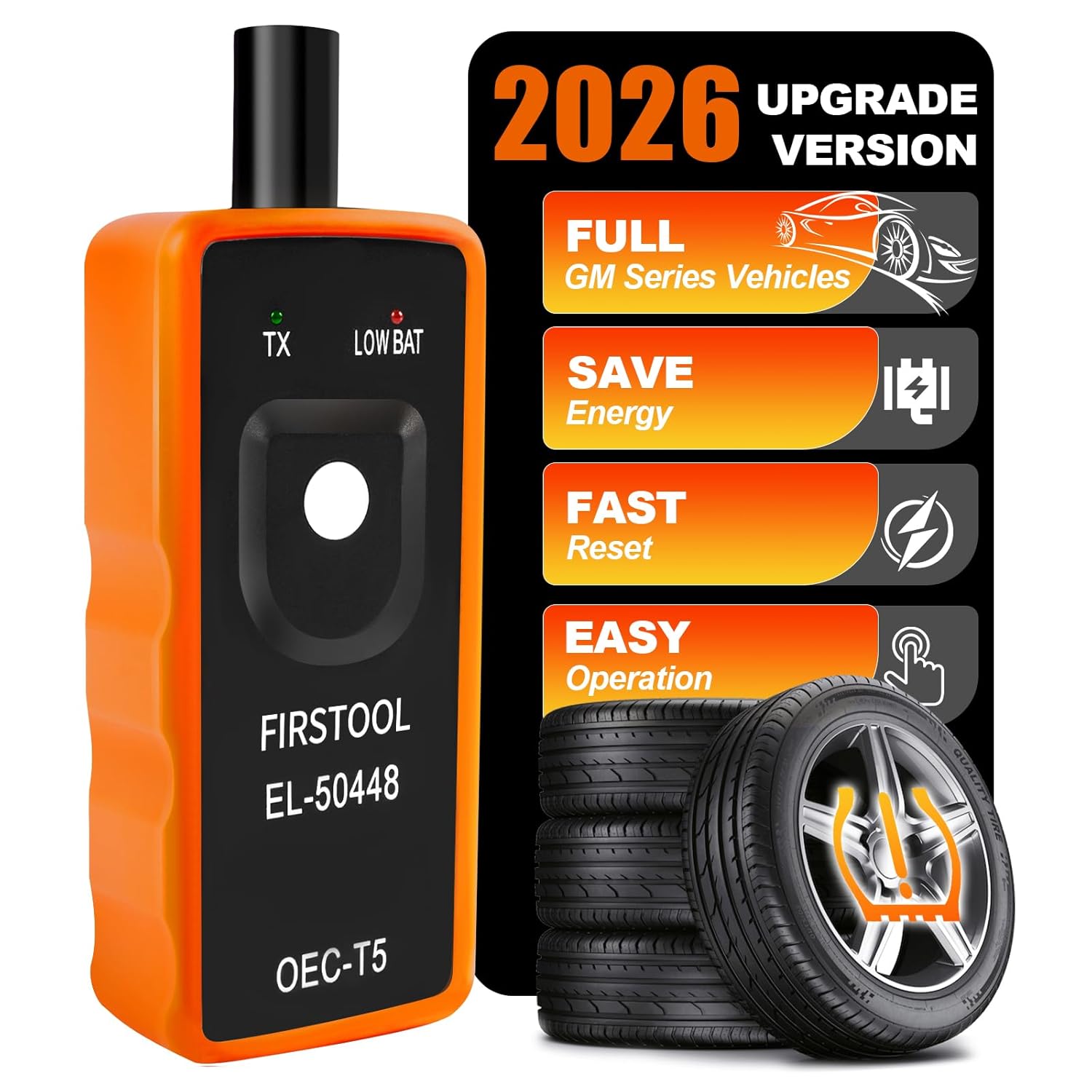
This EL-50448 TPMS relearn tool helps quickly activate and reset tire pressure sensors so your vehicle’s monitoring system stays accurate after tire rotations, sensor replacement, or seasonal tire changes. Designed for many GM-related vehicles and compatible with common 315 and 433 MHz TPMS systems, it offers simple one-button operation and reliable performance for clearing warning lights and relearning sensor positions.

[Built-in Air Pump]: Smoke machine features a built-in air pump, eliminating the need for an external air source, allowing you to perform tests anytime, anywhere. Simply add about 20ml of baby oil or Glycerin (oil not included) to start your testing effortlessly

HyperSmoke Technology – Creates Thick Visible Smoke for Easy Leak Testing. Adjustable Pressure. Infinite Smoke. Instant Warmup. Built-In Air Compressor Motor. OEM Approved Smoke Fluid. Designed and Engineered by AutoLine Pro USA, an American Team of Individuals bringing the latest innovation to you.
Tools and Supplies You May Need
- OBD-II scanner with live data and freeze-frame access
- Flashlight and inspection mirror
- Gloves and eye protection
- Basic socket set, screwdrivers, hose tools, and pliers
- Correct replacement hose, PCV component, purge component, gasket, clamp, seal, or fitting
- Regulated automotive smoke machine or access to a repair shop that performs smoke testing
- Torque wrench for parts that require a specified tightening sequence
- Vehicle-specific service information for hose routing, test procedures, and torque values
Repair Steps
- Record the diagnostic evidence. Save codes, freeze-frame data, fuel trims, readiness status, and any smoke-test result before disconnecting parts.
- Let the engine cool. Perform removal and installation work only after hot components can be handled safely.
- Mark or photograph the routing. Record hoses, clamps, brackets, and electrical connectors before disassembly.
- Remove the failed hose or component carefully. Twist a stuck hose gently before pulling. Cut deteriorated hose material carefully rather than breaking a plastic nipple.
- Match the replacement to the vehicle. Confirm the VIN, engine, hose inside diameter, molded shape, material rating, connector design, and gasket application.
- Clean and inspect the sealing surfaces. Remove old gasket material using the service-manual method. Check plastic fittings and intake surfaces for cracks or distortion.
- Install the replacement securely. Seat clamps behind their retaining beads, avoid kinked hoses, and follow the specified bolt sequence and torque.
- Inspect everything disturbed during the repair. Confirm that electrical connectors, air ducts, grounds, brackets, and nearby hoses are reinstalled.
- Clear codes only after recording the original data. Clearing codes may reset emissions-readiness monitors. Review the Hyundai Sonata emissions-test readiness guide if an inspection is approaching.
- Retest under the original conditions. Check idle quality, fuel trims, pending codes, brake feel, and the repaired area. Perform a careful road test only when the car is safe to drive.
Note: Adaptive fuel corrections may need additional operating time to settle after a repair. A returning warning light does not automatically prove that the same leak remains. Read the new codes and freeze-frame data before continuing.
Could the Problem Be Something Other Than a Vacuum Leak?
A lean code, rough idle, or hesitation does not identify the failed part. Use the full pattern to avoid replacing working sensors or ignition components.
| Symptom or Data | Vacuum Leak Likelihood | Also Check |
|---|---|---|
| Positive fuel trim mainly at idle | More likely | PCV system, booster hose, purge valve, intake gasket, throttle-body seal |
| Positive fuel trim at idle and under load | Possible | Fuel pressure, injectors, MAF or MAP data, upstream exhaust leak |
| Negative fuel trim | Less likely | Rich condition, excessive fuel pressure, leaking injector, sensor error, restricted intake |
| Misfire isolated to one cylinder | Possible near one runner | Spark plug, ignition coil, injector, wiring, compression, localized gasket leak |
| Hard restart after refueling | Possible purge-related airflow fault | Purge valve, EVAP hoses, tank-pressure data, fuel saturation |
| Hard brake pedal plus idle problem | Possible booster-system leak | Brake booster, check valve, booster hose; stop driving if assist is reduced |
[Products Worth Considering]

A comprehensive coolant system pressure test & refill kit locates system leaks from header and expansion tanks and fittings, head gasket, radiator core, heater matrix, water pump, hoses and pipes, and is designed for refilling radiators with coolant without introducing air pockets.

【TROUBLESHOOTING & SAVING MONEY】28pcs universal radiator pressure tester and vacuum refill kit with functions of leak detection, temperature measurement, liquid filling, etc. If you use the coolant pressure tester, the tester can quickly and easily solve any problems related to radiator pressure, making your job easier and faster.Note: Please select the corresponding adapter according to the user manual; otherwise, leakage may occur. If a suitable adapter is not available, please use a universal adapter, which is suitable for all vehicle models.
When Should You Stop Driving or Call a Mechanic?
Arrange professional diagnosis if the leak is not visible, the warning light returns, the Sonata stalls in traffic, or a smoke test is needed. Professional service is also appropriate for leaks beneath the intake manifold, turbo pressure-side faults, brake-booster problems, and EVAP faults that require bidirectional scan-tool tests.
Stop Driving for These Safety or Damage Warnings
Stop driving and arrange service when the vehicle cannot be operated safely. Warning signs include:
- Hard brake pedal or noticeably reduced brake assist
- Stalling at intersections, while turning, or when shifting into gear
- Flashing check engine light or severe misfire
- Strong fuel smell, visible fuel leakage, or smoke
- Sudden loss of power that makes merging or crossing traffic unsafe
- Hissing near the brake booster or intake area that cannot be inspected safely
- Overheating, coolant loss, or oil contamination accompanying an intake-gasket concern
Get Professional Testing for Persistent Problems
Persistent idle fluctuation, poor acceleration, or lean codes can indicate more than a split hose. A repair shop can perform controlled smoke testing, fuel-pressure testing, purge-valve commands, airflow-data checks, injector evaluation, compression testing, and intake-gasket diagnosis.
These tests help prevent unnecessary replacement of oxygen sensors, airflow sensors, coils, or injectors when the actual fault is an air leak or a different fuel-control problem.
A vacuum leak is not a part name. It is a diagnosis that must be traced to the exact hose, seal, valve, fitting, gasket, or connected system that is admitting air.
How Can You Prevent Future Vacuum Leaks?
Inspect rubber hoses, molded elbows, clamps, and intake connections during routine Sonata maintenance. Heat, oil vapor, vibration, and repeated service work can damage parts before they fail completely.
Hyundai provides model-specific schedules through its maintenance schedule tool. A maintenance schedule does not replace inspection of an aging hose, but it helps keep related engine and emissions service current.
Add These Checks to Routine Maintenance
- Look for hardened, swollen, split, collapsed, or oil-soaked vacuum hoses.
- Check that intake-duct clamps are seated and the duct has no tears.
- Inspect PCV connections for cracked molded sections and loose seals.
- Check around the intake manifold for damaged wiring, disturbed hoses, oil residue, or evidence of previous repair work.
- Inspect the brake-booster hose and check valve without disturbing the brake system.
- Confirm that purge and EVAP hoses remain clipped away from hot or moving parts.
- Recheck repaired connections after several heat cycles.
Use Correctly Sized, Vehicle-Specific Parts
Replacement vacuum hose must have the correct inside diameter and suitable heat, oil-vapor, and vacuum resistance. A loose universal hose can leak at the fitting, while an undersized hose can split or damage a plastic nipple.
Use an engine-specific gasket, molded hose, valve, seal, or fitting when the design requires one. Follow the service information for surface preparation, clamp placement, bolt sequence, and torque.
Frequently Asked Questions
How do I test if my Hyundai Sonata has a vacuum leak?
Inspect the intake duct, vacuum hoses, PCV system, purge connection, and brake-booster hose. Record codes and freeze-frame data, listen for hissing at warm idle, compare fuel trims at idle and higher RPM, and use a regulated smoke test to confirm a hidden leak.
What is a vacuum leak on a 2006 Hyundai Sonata?
A vacuum leak on a 2006 Sonata means air is entering the intake or a connected vacuum system through an unintended opening. Possible sources include a cracked hose, intake gasket, PCV connection, brake-booster hose, purge connection, or throttle-body seal. P0174 applies only if the engine has a second cylinder bank.
Why do fuel trims sometimes improve when RPM rises?
A fixed-size vacuum leak represents a larger share of total airflow at idle. As the throttle opens and normal airflow increases, the leak becomes a smaller percentage of the total, so positive fuel correction may decrease. This pattern supports a vacuum-leak diagnosis but does not identify the failed part.
Can a bad purge valve mimic a vacuum leak?
Yes. A purge valve that flows when it should be closed can admit vapor-system airflow into the intake and cause rough idle, lean corrections, hard starting, or problems after refueling. Test the valve and purge hose before replacing unrelated intake or oxygen-sensor parts.
How expensive is it to fix a vacuum leak in a Hyundai Sonata?
Cost depends on the failed part and access. A hose, clamp, or fitting can cost much less than an intake manifold gasket or brake-booster repair. As of July 14, 2026, RepairPal lists the average Sonata intake manifold gasket replacement at $440–$531 before taxes, location adjustments, and related repairs.
Can I drive my Sonata with a vacuum leak?
A small leak may not stop the car immediately, but continuing to drive can lead to stalling, hesitation, misfires, poor fuel control, and emissions problems. Stop driving if the brake pedal becomes hard, the engine stalls in traffic, power drops sharply, or the check engine light flashes.
Will a vacuum leak always turn on the check engine light?
No. A small leak may cause a mild rough idle before the correction exceeds the computer’s diagnostic limit. A larger or persistent leak is more likely to trigger a lean, misfire, idle-control, purge, or airflow-related code.
Should I clear the codes before testing for a leak?
No. Save the stored codes, pending codes, freeze-frame data, fuel trims, and readiness status first. Clearing codes can remove useful diagnostic evidence and may reset emissions-readiness monitors that must run again before an inspection.
Conclusion
Diagnose a Hyundai Sonata vacuum leak by following the evidence from the simplest inspection to the most precise test. Check the intake, hoses, PCV system, purge connection, and brake-booster circuit. Record scanner data, compare fuel trims under different operating conditions, and confirm a hidden fault with low-pressure smoke.
Replace only the part proven to leak. After the repair, recheck the same symptoms and data instead of assuming that clearing the warning light completed the diagnosis. Stop driving when stalling, a flashing check engine light, fuel leakage, or reduced brake assist creates a safety risk.
Sources
- Hyundai Owner’s Manual — model-specific owner, maintenance, operation, and safety information
- Hyundai USA Maintenance Schedule — official maintenance-schedule reference
- California Air Resources Board OBD Program — explanation of emissions monitoring, warning-lamp operation, and stored diagnostic information
- RepairPal Hyundai Sonata Intake Manifold Gasket Estimate — current cost range and symptom context for an intake manifold gasket leak




[…] Dirty throttle bore, loose intake duct, or vacuum leak […]