On a Toyota RAV4, a Check Engine light, a Maintenance Required reminder, and an Engine Maintenance Required message do not all mean the same thing. The safest first step is to identify the exact light or message, then scan for diagnostic trouble codes before replacing parts or clearing warnings.
Quick Answer
A RAV4 Check Engine light means the onboard computer detected a fault, usually in the engine, emissions, or powertrain system. A Maintenance Required reminder usually means scheduled service is due. An Engine Maintenance Required message can mean an actual engine component fault and should be diagnosed promptly.
Key Takeaways
- Do not treat every RAV4 dashboard message as an oil-change reminder. “Maintenance Required” and “Engine Maintenance Required” are different warnings.
- A Check Engine light stores diagnostic trouble codes that should be read with an OBD-II scanner before parts are replaced.
- If the CEL appears with VSC, ABS, TRAC, or AWD warnings, scan all related modules; one fault can disable several systems.
- A loose fuel cap, EVAP fault, coolant-bypass valve issue, weak battery, or wheel-speed sensor problem can all trigger confusing warning combinations.
- If the Check Engine light is flashing, reduce load, avoid hard driving, and get the vehicle checked as soon as possible.
At a Glance
| Time Required | 10–30 minutes for basic checks; longer if full-system diagnostics are needed |
| Difficulty | Easy for visual checks; moderate for code interpretation |
| Tools Needed | OBD-II scanner, flashlight, gloves, tire-pressure gauge, basic hand tools |
| Cost | Free to low-cost for scanning and visual checks; repair cost depends on the stored code |
Check Engine vs Maintenance Light: What Each One Means for Your RAV4

The Check Engine light, also called the malfunction indicator lamp, means the RAV4’s onboard diagnostics system detected a fault and stored one or more diagnostic trouble codes. Federal OBD rules require modern vehicles to monitor emissions-related systems, store fault codes, and alert the driver when a malfunction is detected. That is why a CEL should be scanned, not guessed at. You can learn more about OBD requirements from the Electronic Code of Federal Regulations and the California Air Resources Board OBD-II fact sheet.
The Maintenance Required light or message is different. Toyota describes it as a reminder that scheduled maintenance should be performed at the intervals in the maintenance schedule, and the reminder should be reset after the work is complete. In plain English, it usually means the vehicle is due for routine service such as an oil change, tire rotation, or inspection based on mileage or time.
The phrase Engine Maintenance Required deserves extra attention. On newer RAV4 models, Toyota’s owner information says this message can mean the engine or an engine component is malfunctioning and that the vehicle should be inspected. Do not assume it is the same as a normal oil-service reminder.
| Dash Light or Message | What It Usually Means | Best First Step |
|---|---|---|
| Check Engine light | A fault code is stored in the engine, emissions, or powertrain system | Scan OBD-II codes and record freeze-frame data |
| Maintenance Required | Scheduled service is due | Check the maintenance schedule and service history |
| Engine Maintenance Required | Possible engine or engine-component malfunction | Scan with a capable tool or visit a Toyota dealer |
| ABS, VSC, TRAC, or AWD warning | Stability, braking, traction, or AWD system needs diagnosis | Use a full-system scanner, not only a basic engine-code reader |
Warning: If the Check Engine light is flashing, avoid heavy acceleration and high-speed driving. A flashing CEL often points to an active misfire or fault that can damage the catalytic converter if you keep driving normally.
How Your RAV4’s Dashboard Self-Test Works at Startup
When you turn the key or press Start, your RAV4 briefly lights many warning lamps as part of a self-check. Toyota’s owner information explains that these lights turn on when the engine switch is turned on to show a system check is being performed, then turn off after the engine starts or after a few seconds.
This short startup illumination is normal. It confirms that the indicator bulbs, display, and warning circuits can report a problem. What matters is what happens next. If a warning light never comes on during the bulb check, stays on after startup, or comes back while driving, the vehicle needs attention.
| Lamp Group | Normal Startup Behavior | Action if It Stays Lit |
|---|---|---|
| Check Engine | Brief illumination during self-check | Scan for DTCs and diagnose the affected system |
| Maintenance Required | May appear as a reminder when service is due | Confirm the maintenance interval and reset only after service |
| ABS, VSC, TRAC, AWD | Brief illumination during system check | Scan ABS, stability, and drivetrain modules |
| Brake, oil pressure, temperature | Brief illumination during self-check | Stop safely if red warnings remain on or appear while driving |
Why CEL, VSC, ABS, and AWD Lights Often Appear Together
A RAV4 can show several warning lights at the same time because modern systems share sensor data. Engine management, traction control, stability control, ABS, and AWD logic all depend on clean signals from the engine computer, wheel-speed sensors, steering-angle sensor, brake switch, yaw sensor, and related wiring.
For example, an engine fault may cause the vehicle to limit traction or stability functions until the engine problem is fixed. A wheel-speed sensor fault can trigger ABS and VSC warnings because the vehicle no longer has reliable wheel-speed data. A weak battery or poor ground can also create multiple low-voltage communication faults that look unrelated at first.
Note: Multiple warning lights do not automatically mean multiple expensive failures. Start with the first stored code, scan all affected modules, and diagnose power, ground, connectors, and sensor signals before replacing parts.
Engine Faults Can Affect Traction and Stability Systems
If the engine control module detects a fault, the RAV4 may reduce or suspend some driver-assist and traction functions. That is why a Check Engine light can appear along with VSC, TRAC, or AWD messages. The root cause may still be an engine, emissions, or powertrain code rather than a failed ABS component.
Good diagnosis starts with the code list. Record every code exactly as shown, including pending, current, permanent, and history codes. Then check freeze-frame data such as engine temperature, speed, RPM, fuel trim, and load. This shows what the vehicle was doing when the fault set.
Wheel-Speed Sensor or Wiring Problems
Wheel-speed sensors feed the ABS and stability systems. If a sensor tip is dirty, the tone ring is damaged, the connector is corroded, or the wire is broken near the wheel hub, the vehicle may lose a wheel-speed signal. That can trigger ABS, VSC, TRAC, and AWD warnings.
Do a careful visual inspection before replacing a sensor. Look for road debris, damaged harness clips, rubbed wiring, water intrusion, bent backing plates, rust buildup, and connector corrosion. A full-system scan tool can also show live wheel-speed readings while the wheels rotate, making it easier to spot the sensor that drops out.
Common Causes on a RAV4: EVAP, Coolant Bypass, Wheel-Speed Sensors, and Low Voltage
RAV4 warning lights can come from simple issues or from system-specific faults. The key is to match the symptom to the code instead of replacing the most common part. These are the areas worth checking first.
Loose Gas Cap and EVAP Faults
A loose, damaged, or incorrect fuel cap can allow vapor leakage and trigger EVAP-related Check Engine codes. After refueling, tighten the cap until it clicks, inspect the seal for cracks, and make sure no dirt is trapped on the filler neck.
If EVAP codes remain after the cap is verified, the issue may be in the purge valve, vent valve, vapor hoses, leak-detection pump, charcoal canister, or wiring. Codes such as P043E, P043F, P2401, P2402, and P2419 have appeared in Toyota EVAP diagnostic information for some RAV4 model years, but the correct repair depends on the model year, engine, and exact code set.
Coolant Bypass Electrical Faults
Some newer Toyota vehicles, including certain RAV4 and RAV4 Hybrid model years, can display an Engine Maintenance Required message when the engine coolant bypass valve or related circuit has a fault. A Toyota technical service bulletin hosted by NHTSA identifies a condition on certain 2018–2021 Toyota vehicles in which the message appears with DTC P268111 or P268115, both related to the engine coolant bypass valve circuit.
This is not the same as a normal maintenance reminder. If your RAV4 shows Engine Maintenance Required and the message returns after restarting, scan for codes and contact a Toyota dealer with your VIN to check whether any bulletin, warranty extension, or customer support program applies.
Pro Tip: Before paying for a coolant-bypass valve repair, ask the dealer to check your VIN for open recalls, warranty extensions, and Toyota service campaigns. Technical service bulletins are not the same as recalls, but they can guide diagnosis and coverage questions.
Wheel-Speed Sensors
Wheel-speed sensor faults are a common reason ABS, VSC, TRAC, and AWD warnings appear together. These sensors live in harsh conditions near the wheels, so dirt, corrosion, road salt, impact damage, and stretched wiring can cause intermittent faults.
If the warning appears after brake work, tire rotation, suspension repair, or driving through deep water or snow, inspect the sensor area closely. A dirty sensor may only need cleaning, while a cracked sensor body or damaged harness usually requires replacement.
Weak Battery or Charging Issues
Low voltage can confuse multiple modules at once. If several warnings appear after a jump-start, after the vehicle sat for a long time, or during cold weather, test the 12-volt battery and charging system. This is especially important on hybrid models, which still rely on a 12-volt battery to power control modules and relays.
Quick RAV4 DIY Checks Before You Visit a Shop
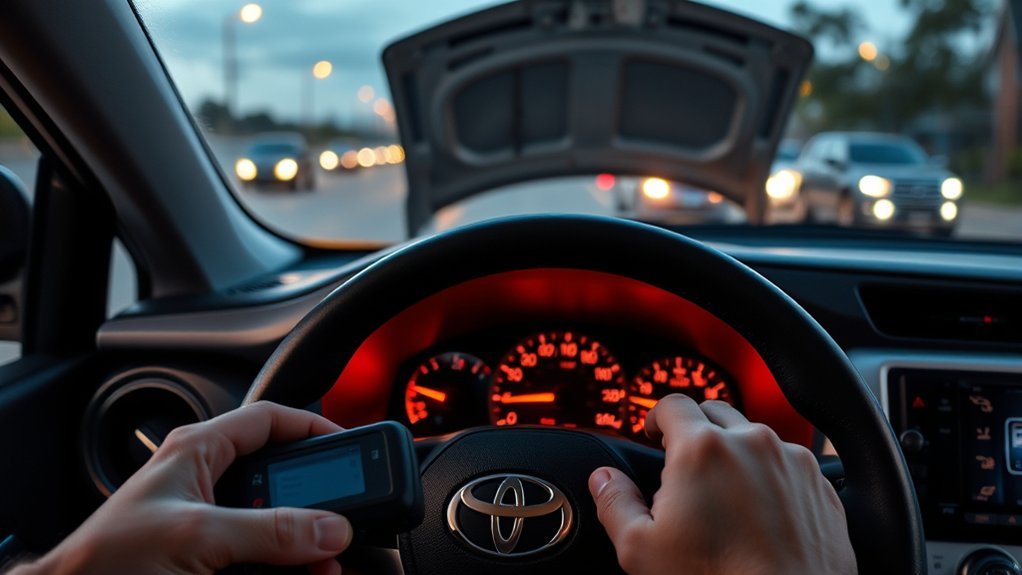
Start with quick checks that do not require disassembly. These steps can narrow the problem and help you give a mechanic useful information.
- Check the fuel cap. Tighten it fully and inspect the rubber seal. A cap problem may take several drive cycles to clear after repair.
- Look for obvious leaks. Check underneath for coolant, oil, or fuel odor. Do not open the cooling system when hot.
- Check fluid levels. Confirm engine oil, coolant reservoir, brake fluid, and washer fluid are at safe levels.
- Inspect visible connectors. Look around the battery, air box, coolant hoses, wheel wells, and engine bay for loose plugs, corrosion, rodent damage, or wet connectors.
- Test the 12-volt battery. A weak battery can cause confusing warning-light combinations.
- Record symptoms. Note speed, RPM, weather, fuel level, recent refueling, recent repairs, and whether the warning appears at startup or while driving.
- Scan codes before clearing them. Clearing codes erases useful diagnostic clues and may delay a proper repair.
Warning: If you see a red brake warning, oil-pressure warning, overheating warning, or a warning accompanied by poor braking, smoke, burning smell, or severe misfire, stop safely and arrange service instead of continuing normal driving.
[Products Worth Considering]

This fuel tank filler cap is designed as a direct replacement for a wide range of Toyota and Lexus vehicles, helping restore a secure seal for the fuel system. It is tested before shipping and built from durable materials for dependable fit and long-lasting use. Installation is simple, making it a practical solution for replacing a lost, worn, or damaged gas cap.

This replacement fuel gas cap is designed to fit a wide range of Toyota and Lexus vehicles, making it a practical solution for a lost, worn, or damaged original cap. It helps restore a secure fuel tank seal and supports proper vehicle operation while offering broad compatibility across many popular model years. The package includes one gas cap, and buyers should confirm fitment before ordering.

This coolant bypass valve is a direct replacement for select Toyota models, helping regulate coolant flow for stable engine temperature and dependable performance. Built from high-temperature, corrosion-resistant materials, it is designed to handle demanding driving conditions while supporting long-term durability. Its straightforward design also makes installation quick and hassle-free.
Read and Clear Codes: OBD-II Scanner and Full-System Diagnostics
For a Check Engine light, an OBD-II scanner is the right starting point. The diagnostic port is usually under the driver-side dash. Plug in the scanner, turn the ignition on without starting the vehicle if instructed, and read current, pending, permanent, and history codes.
Basic code readers can usually read engine and emissions P-codes. They may not read ABS, airbag, stability, hybrid, AWD, body, or manufacturer-specific modules. If your RAV4 has VSC, ABS, TRAC, AWD, hybrid, or Engine Maintenance Required messages, use a full-system scan tool or have a shop scan the vehicle with Toyota-capable diagnostic equipment.
Do not clear codes before writing them down. Record the exact code, code description, freeze-frame data, mileage, and whether the code returns immediately. If you clear a code and the light comes back, the fault is still present or the monitor has failed again.
[Products Worth Considering]
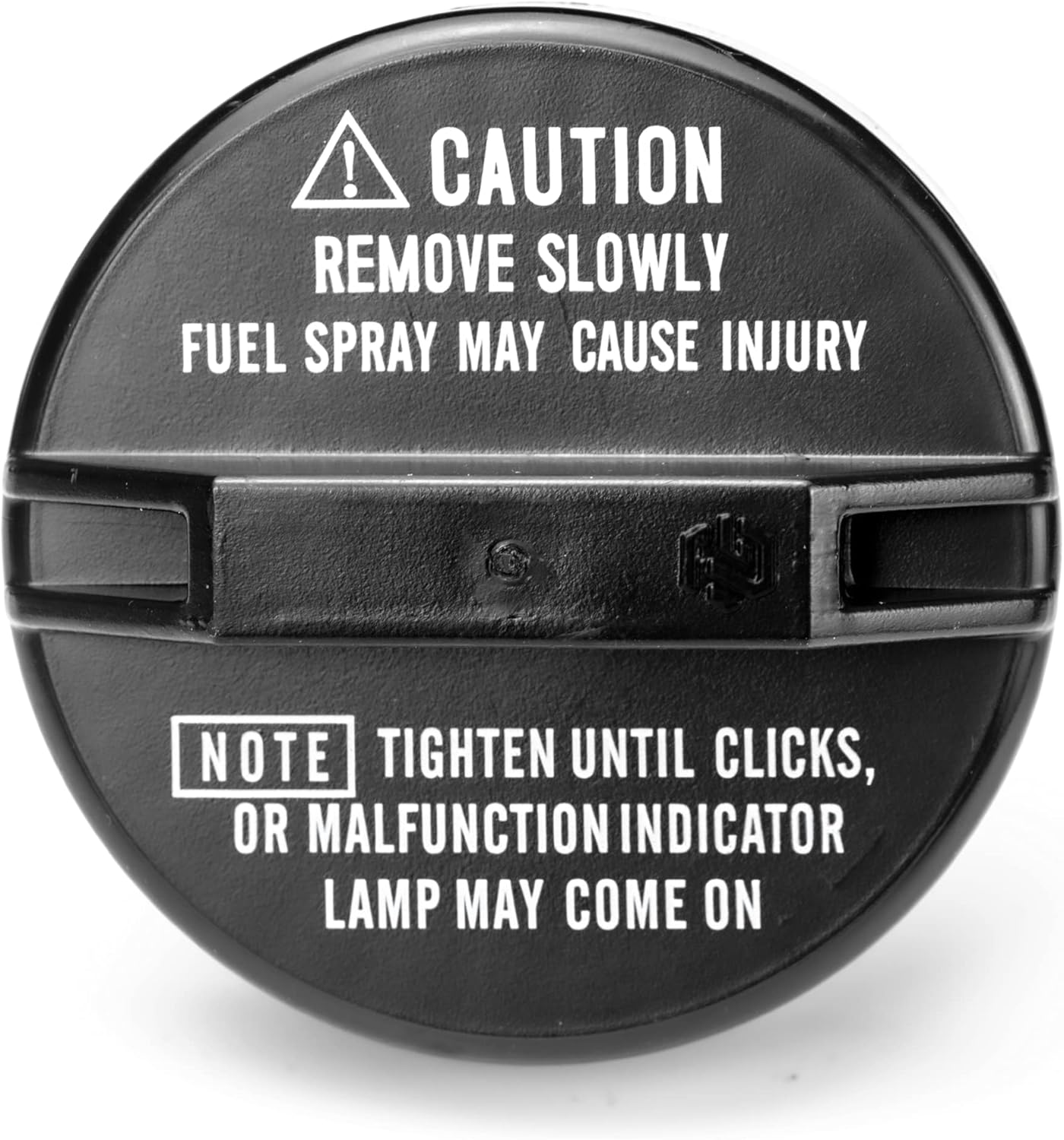
This replacement fuel cap is designed to restore a secure seal for a wide range of Toyota and Lexus vehicles. Built for direct fit compatibility, it helps maintain proper fuel system function while offering easy installation and dependable everyday performance. It is a practical solution for replacing a worn or missing gas cap with confidence.

ECOGARD XA5786 is a premium engine air filter designed to help protect your engine by trapping dust, dirt, pollen, and road particles before they enter the intake system. It supports smooth airflow for consistent engine response and fuel efficiency, and it is intended for regular replacement to help maintain reliable performance and engine longevity.
Should You Use the Jumper Method?
Some older Toyota diagnostic procedures use specific jumper-wire steps at the diagnostic connector to read or clear certain system codes. Do not use a random jumper method from a forum unless it matches your exact model year and factory procedure. Jumping the wrong terminals can create new electrical problems.
For most RAV4 owners, a scan tool is safer, clearer, and more useful. If the problem involves ABS, VSC, hybrid, or AWD systems, use a scanner that can communicate with those modules.
Interpreting Common Codes: EVAP, Coolant Bypass, and Wheel-Sensor Faults
Codes are clues, not automatic parts orders. A code points to a circuit, system, or performance problem. It does not always prove the named sensor is bad.
| Code or Code Family | Possible Area | What to Check First |
|---|---|---|
| P0440, P0441, P0455, P0456 | EVAP leak or purge-flow issue | Fuel cap, filler neck, hoses, purge valve, vent valve |
| P043E, P043F, P2401, P2402, P2419 | EVAP leak-detection or canister system | Model-specific EVAP diagnosis, canister, pump, wiring |
| P268111, P268115 | Engine coolant bypass valve circuit on certain Toyota models | Toyota-capable scan, VIN check, service bulletin or warranty review |
| C0xxx wheel-speed codes | ABS/VSC wheel-speed signal | Sensor tip, tone ring, connector, harness, live wheel-speed data |
| Low-voltage or communication codes | Battery, charging, grounds, module communication | Battery test, alternator output, ground straps, connector condition |
The best repair starts with the first reliable code, not the brightest warning light. Scan, record, inspect, then repair.
Repair Costs & Choices: DIY Parts, Shop Labor, and Warranty Tips
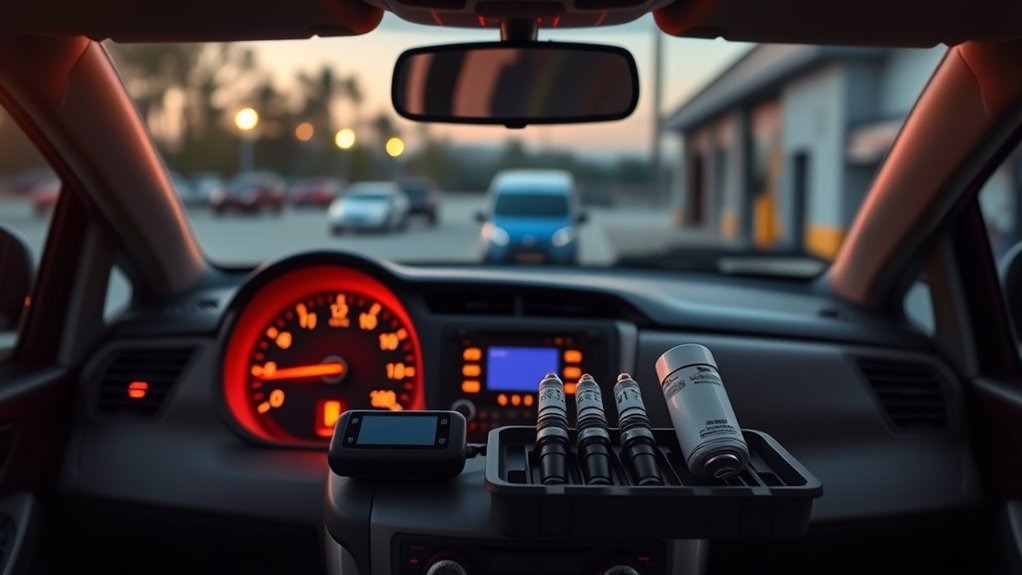
Your repair choice depends on the stored codes, your tools, and your comfort level. Simple items such as a fuel cap, dirty connector, weak battery, or loose hose may be DIY-friendly. Electrical diagnosis, coolant-bypass valve faults, hybrid-system warnings, ABS faults, and intermittent wiring problems usually deserve professional testing.
Expect costs to vary widely. A fuel cap or basic scan may be inexpensive. A wheel-speed sensor repair can cost more if the sensor is seized or the harness is damaged. EVAP repairs range from a hose or valve to a canister assembly. Coolant-bypass valve repairs can involve coolant draining, special parts, and system bleeding.
Before approving a repair, ask whether the shop confirmed the code, tested the circuit, checked for Toyota bulletins, and verified the part by VIN. If the RAV4 is still under warranty or covered by a service campaign, the correct path may be a dealer visit instead of an independent repair.
[Products Worth Considering]

📢⚠️【Please Read Carefully before Purchasing】- ▶ This is just a 22Pin to 16Pin converter cable ONLY, not a diagnostic scanner. ▶Please comfirm that your cars...
What to Tell Your Mechanic: Vital Info and Questions After Diagnostics
The more specific you are, the faster a technician can narrow the fault. Bring the exact code list, not just “the check engine light is on.” Include what happened before the warning appeared.
Provide Diagnostic Codes
Give your mechanic the exact diagnostic trouble codes, whether they were current or pending, and whether you cleared them. If your scanner shows freeze-frame data, share it. Useful details include mileage, coolant temperature, vehicle speed, RPM, fuel level, and whether the problem happened after refueling, rain, snow, potholes, a battery replacement, or recent repairs.
| Info to Bring | Why It Helps |
|---|---|
| Exact DTCs | Points the technician to the affected system |
| Freeze-frame data | Shows conditions when the fault set |
| Warning-light sequence | Helps identify the first system to fail |
| Recent work | Highlights disturbed connectors, hoses, wheels, or battery cables |
| VIN and mileage | Allows bulletin, recall, and warranty checks |
Describe Recent Symptoms
Use clear, timestamped descriptions. Instead of saying “it drives weird,” say, “The Check Engine light came on at 62 mph after refueling, then VSC and AWD messages appeared the next morning.” If you feel vibration, note the speed range, road surface, whether braking changes it, and whether it happens under acceleration or while coasting.
Good questions to ask include:
- Which code appears to be the root cause?
- Did the scan include ABS, VSC, AWD, hybrid, and body modules?
- Was the battery and charging system tested?
- Did you verify the circuit before replacing the sensor or valve?
- Are there Toyota service bulletins, recalls, or warranty extensions for my VIN?
- What test will confirm the repair before I pick up the vehicle?
Preventive Steps to Avoid Recurring Dashboard Lights on a RAV4
Preventing repeat warning lights is mostly about catching small problems early. Follow the Toyota maintenance schedule, keep records, and do not ignore small leaks, weak starts, or intermittent warnings.
- Follow scheduled maintenance. Toyota says scheduled maintenance should be performed at the specified intervals in the maintenance schedule.
- Keep the fuel cap clean and tight. Replace it if the seal is cracked or the cap will not click securely.
- Test the battery before winter. Low voltage can trigger unrelated-looking warnings.
- Inspect wiring after rodent activity. Chewed wiring can create sensor, EVAP, and communication faults.
- Clean around wheel-speed sensors during brake work. Dirt and corrosion near the hub can cause ABS/VSC faults.
- Fix coolant leaks promptly. Coolant can damage electrical connectors and create circuit faults.
- Scan before clearing. A cleared code without a repair is likely to return.
Frequently Asked Questions
What does it mean when my Toyota RAV4 says Maintenance Required?
A normal Maintenance Required reminder usually means scheduled service is due based on mileage or time. Check your maintenance schedule, perform the required service, and reset the reminder only after the service is complete.
What does Engine Maintenance Required mean on a RAV4?
Engine Maintenance Required is not the same as a routine oil-change reminder. Toyota owner information says this message can indicate an engine or engine-component malfunction. Scan for codes and have the vehicle inspected, especially if the message returns after restarting.
What does the Check Engine light mean in a RAV4?
The Check Engine light means the onboard diagnostics system detected a fault and stored a diagnostic trouble code. The cause can be minor, such as an EVAP leak, or more serious, such as a misfire, sensor fault, wiring problem, or emissions-system failure.
Can I drive my RAV4 with the Check Engine light on?
If the light is steady and the RAV4 drives normally, you can usually drive carefully long enough to get the codes read. If the light flashes, the engine runs rough, the vehicle overheats, braking feels abnormal, or red warning lights appear, stop safely and arrange service.
Why did my RAV4 show Check Engine, VSC, ABS, and AWD warnings together?
Those systems share information. An engine fault, wheel-speed sensor issue, low voltage, wiring problem, or communication fault can cause several warnings at once. Scan all modules before assuming each warning is a separate failure.
Will disconnecting the battery clear RAV4 warning lights?
It may clear some temporary information, but it does not fix the underlying fault and may not clear all module codes. It can also erase useful diagnostic data. Scan and record codes before clearing anything.
Conclusion
RAV4 dashboard lights are diagnostic prompts, not guesses. A Check Engine light needs code reading, a Maintenance Required reminder needs scheduled service, and an Engine Maintenance Required message may point to a real engine-component fault. Start with safe visual checks, scan the right modules, document symptoms, and verify warranty or bulletin coverage before approving repairs. That method prevents wasted parts, repeat visits, and unnecessary expense.
Sources
- Toyota Owners: RAV4 Warning Lights and Indicators — dashboard self-test and warning-light behavior
- Toyota Owners: RAV4 Maintenance Requirements — scheduled maintenance and maintenance reminder reset context
- Toyota Owners: RAV4 Hybrid Warning Messages — “Engine Maintenance Required” message meaning
- eCFR: 40 CFR 86.1806-17 Onboard Diagnostics — OBD system requirements to detect malfunctions, store codes, and alert operators
- California Air Resources Board: OBD-II Systems Fact Sheet — overview of OBD-II monitoring and warning-light function
- NHTSA-hosted Toyota Technical Service Bulletin T-SB-0112-24 Rev2 — Engine Maintenance Required message with DTC P268111/P268115 on certain Toyota vehicles