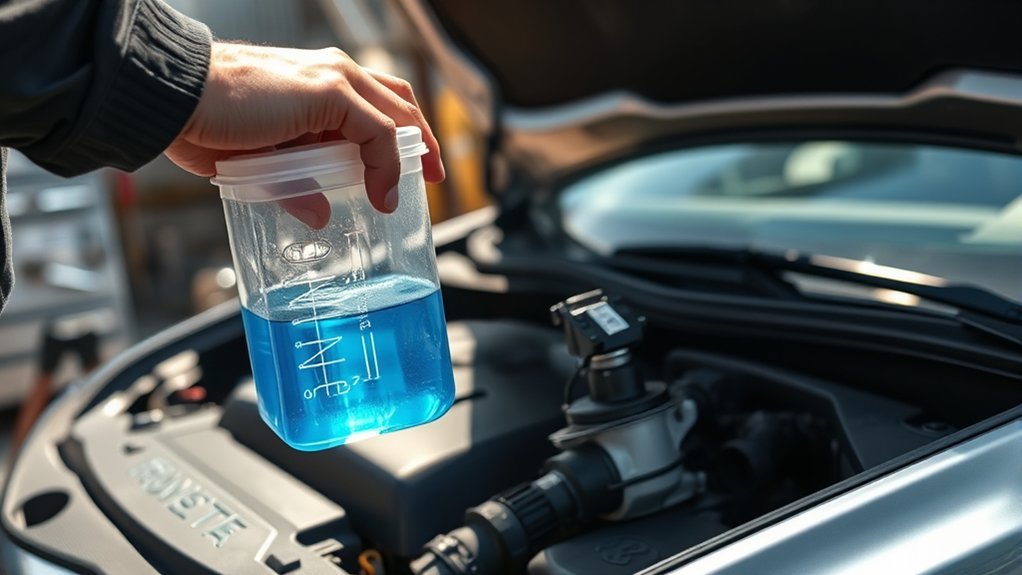
If your Camry’s washer fluid isn’t spraying, check a few common issues. First, verify the reservoir has enough fluid. Next, listen for the washer pump; silence may signal a fault. Look for clogged nozzles that prevent fluid from spraying, and inspect electrical connections for damage or looseness. Don’t forget to check the fuse as well. Addressing these basics can often fix the problem, but there’s more to uncover on maintaining your system effectively.
Identifying Common Washer Fluid Problems
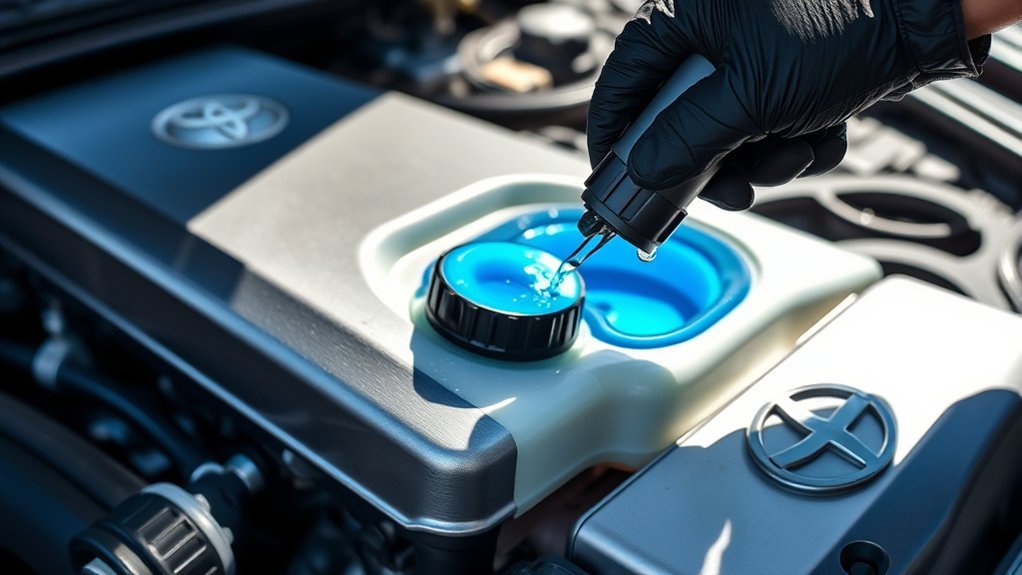
When your Camry’s washer fluid isn’t spraying, it’s crucial to identify the common problems that might be causing the issue. Start with washer fluid troubleshooting by checking the fluid level in the reservoir; low levels can be a simple fix. Next, inspect the washer pump. If it fails to activate or makes no noise, it could be malfunctioning. Clogged nozzles are another frequent culprit, so clear any blockages or consider replacement to restore functionality. Don’t overlook electrical connections; loose or damaged connectors can disrupt power to the washer pump, so verify they’re secure and clean. Finally, check the fuse in the dashboard fuse box, specifically the 15A fuse in the fourth slot from the right. By following these maintenance tips, you can efficiently diagnose and resolve the issue, ensuring a clear view while driving.
How to Check Your Washer Fuse
To guarantee your Camry’s washer system functions properly, start by checking the washer fuse located under the dashboard. Typically, you’ll find this 15A fuse in the fourth slot from the right. Use a flashlight to inspect it for signs of damage or breakage; it should be intact. If you notice a blown fuse, replace it with a new 15A fuse to restore power to the washer system.
Always consult your vehicle’s manual for the exact location and specifications of the washer fuse to avoid confusion. Fuse maintenance is essential; regularly inspect the fuse as part of your routine checks to prevent future issues with the washer system. By staying diligent about fuse replacement, you can guarantee your Camry’s washer system remains reliable, making those rainy days a little less stressful.
Diagnosing a Faulty Washer Pump
When your washer fluid isn’t spraying, diagnosing a faulty pump is essential. Start by identifying common symptoms, like a lack of sound or fluid flow, and check the electrical connections for any signs of damage. Finally, test the washer fluid flow to confirm the pump’s functionality and guarantee it’s working as intended.
Common Symptoms to Identify
Identifying common symptoms of a faulty washer pump can save you time and effort in diagnosing the issue. If you notice a lack of noise when activating the pump, it often signals a faulty or disconnected component. When both windshield washer nozzles fail to spray, a blockage in the system or pump issue may be at play. Don’t overlook the washer fuse; a blown fuse can prevent power to the pump, easily checked with a flashlight. Additionally, look for visible leaks around the washer fluid reservoir or pump area—worn grommets or damaged seals may need replacement. Successful operation should yield a consistent spray, confirming proper washer fluid maintenance and helping you avoid common washer issues.
Checking Electrical Connections
Before diving into the details, make certain you’ve got a solid understanding of the electrical connections related to the washer pump. Start by inspecting the connector for any signs of connector corrosion or damage, as this can inhibit proper function. Verify that the connection between the pump and the electrical harness is secure; listen for the locking mechanism to click into place. If needed, adjust the locking tab with a file for a snug fit. Use a multimeter to check for voltage at the pump connector while activating the washer system. Pay attention to any unusual sounds or lack of operation from the pump, as this could indicate an internal failure.
| Step | Action |
|---|---|
| 1. Inspect Connector | Look for corrosion or damage |
| 2. Check Connection | Verify secure connections |
| 3. Adjust Locking Tab | File for a snug fit |
| 4. Test Voltage | Use multimeter while activating |
| 5. Listen for Sounds | Identify any unusual pump behavior |
Testing Washer Fluid Flow
Testing the washer fluid flow is essential for diagnosing a faulty washer pump. Start by activating the washer switch; if you hear no sound, the pump may be defective. Next, inspect the fluid reservoir for any blockages and verify it’s filled—empty or clogged reservoirs hinder fluid flow. For effective washer pump maintenance, confirm the integrity of the electrical connections, making sure the connector is securely attached and free from corrosion. To further test, bypass the switch with a direct power source; if the pump functions, the issue lies elsewhere. If the pump works but fluid isn’t reaching the nozzles, examine the hoses for kinks or blockages that could impede fluid flow to the windshield.
Step-by-Step Guide to Replacing Your Washer Pump
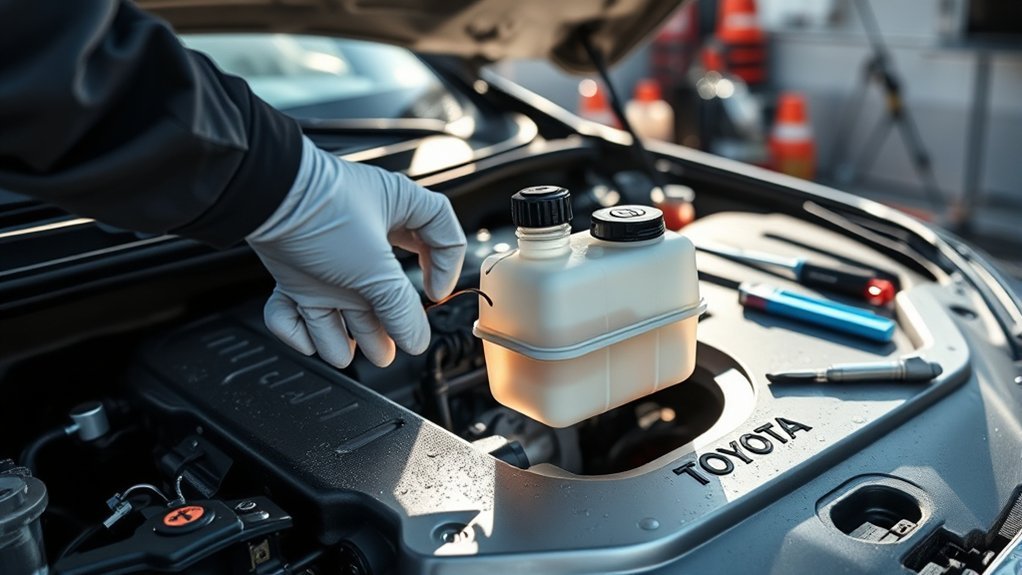
Replacing your washer pump can be a straightforward process if you follow the right steps. Start by checking the fuse for the washer pump, located in the fourth slot from the right under the dashboard. If the fuse is intact, turn the wheels to the right and remove the screws to lower the splash shield, gaining easier access to the pump.
Next, disconnect the old pump’s electrical connector and remove it from the fluid reservoir. Flush the reservoir to clear any debris, ensuring proper fluid reservoir care. Install the new pump, adjusting its electrical connector as necessary; file down the locking tab for a snug fit.
After securing the new pump, fill the reservoir with washer fluid, then check for leaks. Finally, test the pump’s functionality to confirm successful washer pump maintenance and get your system back in action.
Ensuring Proper Electrical Connections for the New Pump
To guarantee your new washer pump functions correctly, it’s important to secure the electrical connections properly. Ensuring proper pump alignment and effective connector maintenance can save you from future headaches. Here’s what you need to do:
- Check that the electrical connector is properly aligned and securely attached; a loose connection can prevent operation.
- If the new pump’s locking tab is longer than the original, use a nail file to adjust it for a proper fit.
- Always listen for a clicking sound when reconnecting the electrical connector, ensuring it’s seated and locked in place.
After installation, double-check all connections to confirm they’re secure and free of corrosion. This will facilitate ideal conductivity and performance of your washer pump. Taking these steps will help you avoid operational issues and keep your washer fluid spraying when you need it.
How to Properly Test Your Washer System After Replacement
After installing the new washer pump, it’s important to verify that your washer system operates correctly. Start by refilling the reservoir with washer fluid to guarantee adequate testing. Next, check for leaks around the pump and grommet; a secure fit is vital for proper function. Activate the washer system multiple times to confirm consistent fluid spray from both nozzles. During this process, listen for the pump’s operational sound; if there’s no noise, it could indicate an electrical issue or improper installation.
As part of your pump noise troubleshooting, inspect the electrical connections for tightness and proper fit to prevent future failures in the washer system. This thorough approach not only guarantees effective washer fluid maintenance but also helps you catch potential problems early, keeping your system running smoothly.
How to Keep Your Washer System Running Smoothly
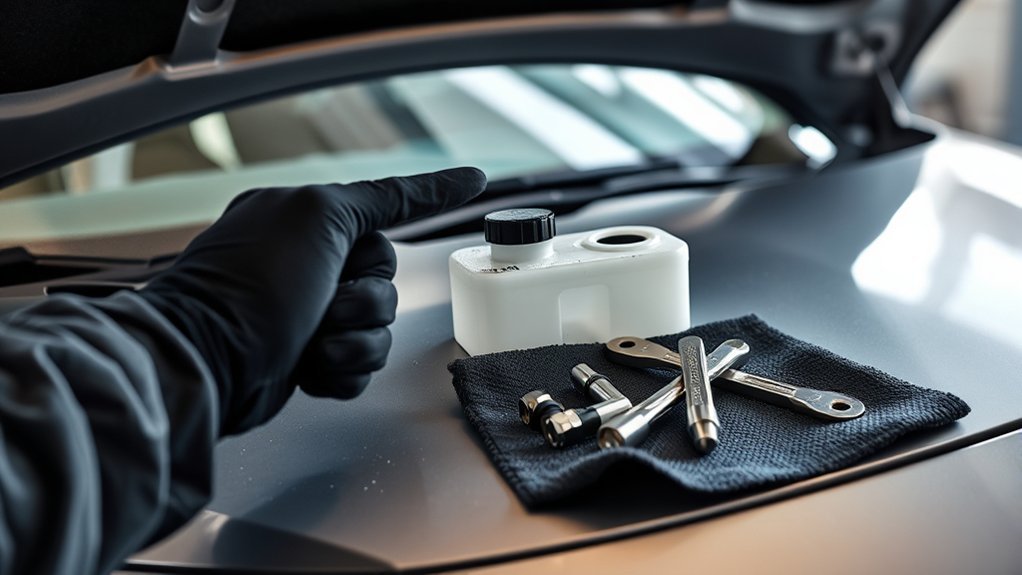
Maintaining your washer system’s performance requires regular attention to key components. To guarantee smooth operation and ideal fluid spray, focus on these essential tasks:
- Washer nozzle maintenance: Regularly check and clean the nozzles to prevent clogs, which can hinder fluid distribution.
- Fluid quality importance: Always use the appropriate washer fluid. Improper fluids can damage the pump and reduce overall performance.
- System checks: Inspect the washer fluid reservoir for leaks and test the washer pump periodically to confirm it runs smoothly, listening for any unusual noises.
Additionally, keep an eye on the fuse related to the washer system. Replacing any blown fuses promptly will help maintain functionality. By staying proactive in these areas, you can keep your washer system running efficiently, guaranteeing clear visibility on the road.
Troubleshooting Persistent Washer Problems?
If your washer fluid still won’t spray, start by checking the electrical connections to verify they’re secure. Next, inspect the washer fluid level; an empty reservoir can halt the entire system. Addressing these basics often resolves persistent issues with the washer system.
Check Electrical Connections
Start by checking the electrical connections to the washer pump, as a loose or damaged connection can prevent it from functioning. Proper pump maintenance hinges on ensuring these connections are intact. Here’s what to focus on:
- Verify that the electrical connector is securely attached; a loose connection can stop power from reaching the pump.
- Inspect the locking tab for proper connector alignment; misalignment can inhibit a solid connection.
- Use a multimeter to test for voltage at the washer pump connector when the washer switch is activated, confirming the pump is receiving power.
If everything checks out but the pump remains unresponsive, consider replacing it, as it may be faulty despite having power.
Inspect Washer Fluid Level
One vital step in troubleshooting persistent washer fluid problems is inspecting the washer fluid level. Start by checking the reservoir; a low fluid level can halt the system’s function. If it’s empty, refill it with the correct fluid types to guarantee peak performance. While you’re at it, inspect the reservoir for cracks or leaks that could lead to fluid loss. Don’t forget to check for frozen fluid, especially in colder weather, as this can block the nozzles and pump. Regular reservoir maintenance is essential—monitor fluid levels consistently and top off as needed. Keeping your washer fluid at the right level not only enhances visibility but also ensures your system operates smoothly.
Frequently Asked Questions
How Often Should I Check My Washer Fluid Levels?
You should check your washer fluid levels every month to guarantee proper topping and fluid maintenance. Keeping an eye on it helps prevent issues, guaranteeing clear visibility and safe driving during adverse weather conditions.
Can I Use Plain Water Instead of Washer Fluid?
You can use plain water in a pinch, but it’s less effective than washer fluid. Water lacks antifreeze properties and may not clean as well, so consider proper fluid alternatives for best performance.
What Type of Washer Fluid Is Best for My Camry?
Choosing washer fluid’s like picking a partner; you need compatibility. For your Camry, use a quality all-season fluid, ensuring it matches the vehicle’s specifications. This way, you’ll keep your visibility clear and safe.
Are There Seasonal Considerations for Washer Fluid Use?
Yes, you should consider seasonal changes. For winter preparations, use antifreeze washer fluid to prevent freezing. In summer, switch to a cleaner formula for effective maintenance, ensuring clear visibility during warmer, dustier conditions.
How Can I Tell if the Nozzles Are Clogged?
To check for clogged nozzles, perform a nozzle inspection. Activate the washer; observe the spray pattern. If it’s uneven or absent, the nozzles are likely clogged and need cleaning or replacement for ideal performance.
Conclusion
In summary, tackling your Camry’s washer fluid issues doesn’t have to feel like maneuvering through a stormy sea. By following these diagnostic steps and fixes, you’ll regain clarity on the road ahead. Don’t let a simple problem cloud your vision; with a little effort, you can guarantee your washer system runs smoothly. Keep your windshield clear and your driving experience safe—after all, a well-maintained car is like a well-tuned instrument, ready to perform at its best.