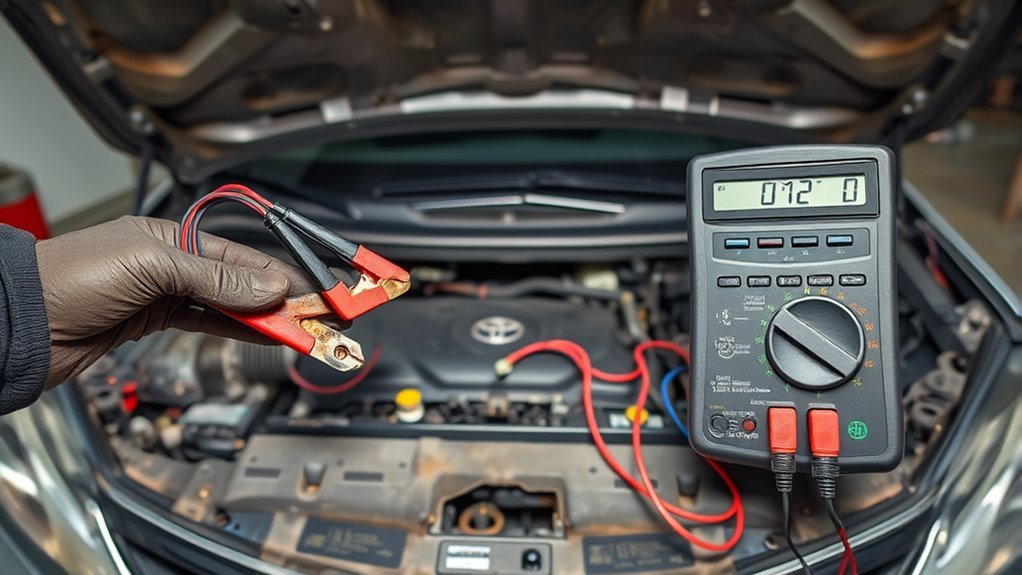
Toyota Camry regenerative braking uses the hybrid motor-generators to slow the car and convert part of its motion into electricity for the hybrid battery. The system automatically blends that energy recovery with hydraulic friction braking. Regen is most useful during smooth, moderate slowing, while the friction brakes add force during hard stops, at very low speed, on slippery roads, or when the battery limits charging. A mild change in pedal feel near a stop can be normal, but grinding, pulling, a sinking pedal, or a brake warning light needs prompt inspection.
Last updated: July 14, 2026
Quick Answer
Camry Hybrid regenerative braking turns the motor-generators into generators during coasting and braking, which slows the car and sends recovered electricity to the hybrid battery. The system automatically adds hydraulic friction braking when you brake harder, approach a complete stop, lose traction, or the battery limits charging.
Key Takeaways
- Regenerative braking captures some energy that would otherwise be lost as heat, then stores it in the hybrid battery for later electric assist.
- The Camry blends regenerative braking with hydraulic friction braking, so the pedal may feel different from a gas-only car.
- Regen is strongest during smooth, moderate deceleration and may be reduced when the battery is full, very cold, hot, or traction is limited.
- Use B mode for speed control on long or steep descents when your owner’s manual recommends it, not as an everyday fuel-economy setting.
- Brake pads and rotors still need inspection because light friction-brake use can allow corrosion, uneven wear, or rear-brake issues to go unnoticed.
- A red or yellow brake warning light is not normal. Stop safely or arrange service according to the warning shown.
At a Glance
| Best Driving Habit | Look ahead, lift early, and brake smoothly. |
| Best Regen Conditions | Moderate deceleration, stop-and-go traffic, and long gentle slowdowns. |
| Still Needs Service? | Yes. Inspect pads, rotors, fluid, warning lights, and brake feel. |
| B Mode | Use for added speed control on long or steep descents when the owner’s manual recommends it. |
| Owner Difficulty | Driving tips are easy; electronic brake service should be handled by a qualified technician. |
How Does Toyota Camry Regenerative Braking Work?

Regenerative braking in the Camry Hybrid captures part of the car’s motion energy during deceleration and converts it into electricity for the hybrid battery. The U.S. Department of Energy and EPA explain that hybrids use the forward motion of the wheels to turn the motor, generate electricity, and help slow the vehicle at the same time; you can read their overview of how hybrid regenerative braking works.
For the driver, the benefit is simple: smoother planned stops, less wasted energy, and less reliance on friction brakes during normal light-to-moderate braking. Toyota’s current Camry lineup is built around hybrid power, with Toyota listing an EPA-estimated rating of up to 51 combined MPG depending on trim and drivetrain. The EPA’s 2026 Camry listings show several HEV variants, so the exact fuel economy depends on whether the car is front-wheel drive, all-wheel drive, and which trim you own.
That does not mean the friction brakes are optional. Your Camry still uses hydraulic brakes for firm stops, emergency braking, low-speed final stopping, parking, stability-control events, and times when the battery cannot accept much more energy.
Model-year note: Displays, warning messages, B-mode guidance, and brake-control behavior can vary across Camry Hybrid generations. Use the owner’s manual for your exact year and trim when a warning or unfamiliar message appears.
The easiest way to improve energy recovery is not pressing harder. It is looking farther ahead, lifting off the accelerator earlier, and letting the car slow down smoothly.
How Camry Regenerative Braking Works: Motor, Inverter, and Battery
When you slow down, the Camry’s motor-generators can act like generators instead of drive motors. Rather than turning battery power into motion, they use the car’s motion to create electrical energy. The inverter manages the electrical flow, and the recovered energy is stored in the hybrid battery for later use.
The process feels automatic because the brake pedal does not directly choose one system or the other. The car’s brake control system reads your pedal input, vehicle speed, battery state of charge, wheel traction, and braking demand. It then blends regenerative braking and hydraulic friction braking to meet the stopping force you asked for.
In light braking, the system can rely heavily on regenerative braking. In harder braking, at very low speeds, or when traction control intervenes, the hydraulic brakes provide more of the stopping force. This is why a Camry Hybrid may feel slightly different from a non-hybrid Camry or an older purely hydraulic brake system.
When Does the Camry Use Regenerative vs. Friction Brakes?
Brake blending is the handoff between electric motor braking and traditional friction braking. In normal city driving, the Camry tries to recover energy first because that improves efficiency. If regenerative braking alone is not enough, the hydraulic brakes add the remaining stopping force.
[Products Worth Considering]

This custom cargo mat and seat-back liner is designed specifically for the 2026 Toyota RAV4 Hybrid, helping protect the trunk and rear seat area from dirt, scratches, spills, and everyday wear. The full-coverage design shields felt surfaces while the non-slip TPE construction helps keep cargo in place, and the easy-clean surface makes maintenance simple after outdoor trips, pet transport, or messy hauls. Double fixation with hook-and-loop fasteners and elastic ropes helps keep the liner securely positioned.

Bosch QuietCast premium ceramic rear brake pads are engineered for quiet, reliable stopping power with low dust performance. Featuring pre-attached multilayer shims, corrosion-resistant backing plates, and OE-style slots and chamfers, this set is designed for smooth fitment and long-lasting durability. It includes pads for one axle, plus hardware and lubricant where available, making installation easier for compatible Lexus, Pontiac, and Toyota vehicles.

These custom-fit floor mats and door sill protectors are designed specifically for Toyota RAV4 2026 Hybrid models to help keep the interior cleaner and better protected. Made with all-weather TPE material and molded using vehicle-specific measurements, they provide coverage for dirt, mud, snow, and everyday wear while helping maintain a tidy factory look. Easy to install, remove, and clean, this set adds practical protection for daily driving and frequent passenger entry.
When Regenerative Braking Has Priority
The system favors regenerative braking when conditions allow it. Smooth pedal pressure, moderate speeds, and predictable deceleration give the motor-generators more time to recover energy. That is why stop-and-go traffic and early braking often show more charge activity on the energy display than sudden late braking.
Regeneration is not unlimited. The car may reduce regen if the hybrid battery is already near its preferred charge limit, if the battery temperature is outside its ideal range, if road traction is poor, or if the driver requests a hard stop. In those moments, the friction brakes step in to protect braking performance and vehicle stability.
Why Does Brake Feel Change at Low Speed?
At parking-lot speeds and near a complete stop, regenerative braking naturally becomes less effective because the wheels and motor-generators are turning slowly. The Camry then relies more on hydraulic braking to finish the stop and hold the vehicle still.
A slight change in brake feel near the end of a stop can be normal. A harsh grab, grinding sound, pulsing that is not related to ABS activation, a sinking pedal, or a warning light is not something to ignore.
How Can You Tell When the Camry Is Regenerating?
Glance at the hybrid energy or charge display only when it is safe to do so. A charge indication during a smooth slowdown usually means the system is recovering energy. Little or no displayed charge does not automatically mean a fault because battery state, temperature, traction, vehicle speed, and braking demand can change how much regeneration is available.
Note: The energy display is a helpful driving guide, but it is not a brake-health test. A low amount of displayed regen can be normal if the battery is full, conditions are cold, or the car needs more friction braking.
What Limits Regenerative Braking in a Camry Hybrid?
Regenerative braking is useful, but it cannot replace the hydraulic brake system. The Camry may reduce or limit regen in these common situations:
| Situation | What Happens | What You Should Do |
|---|---|---|
| Hybrid battery is near full | The battery may accept less charge, so friction braking increases. | Drive normally and use the brakes as needed. |
| Hard braking | Stopping power matters more than energy recovery. | Brake firmly and safely; do not chase regen in an emergency. |
| Very low speed | Motor-generator braking fades as wheel speed drops. | Expect hydraulic brakes to finish the stop. |
| Slippery road or stability control event | The car may adjust braking force to maintain control. | Brake smoothly and allow extra distance. |
| Cold, hot, or protected battery condition | The hybrid system may limit charge acceptance. | Use normal braking and watch for warning lights. |
[Products Worth Considering]

This proportional trailer brake controller provides smooth, responsive braking by automatically matching your tow vehicle’s stopping force for safer trailer control. The bright LED digital display makes it easy to monitor voltage output in real time, while adjustable braking and sync settings help tailor performance to different trailers and road conditions. Designed for quick installation and broad compatibility, it supports 1 to 4 axle trailers for dependable towing confidence.
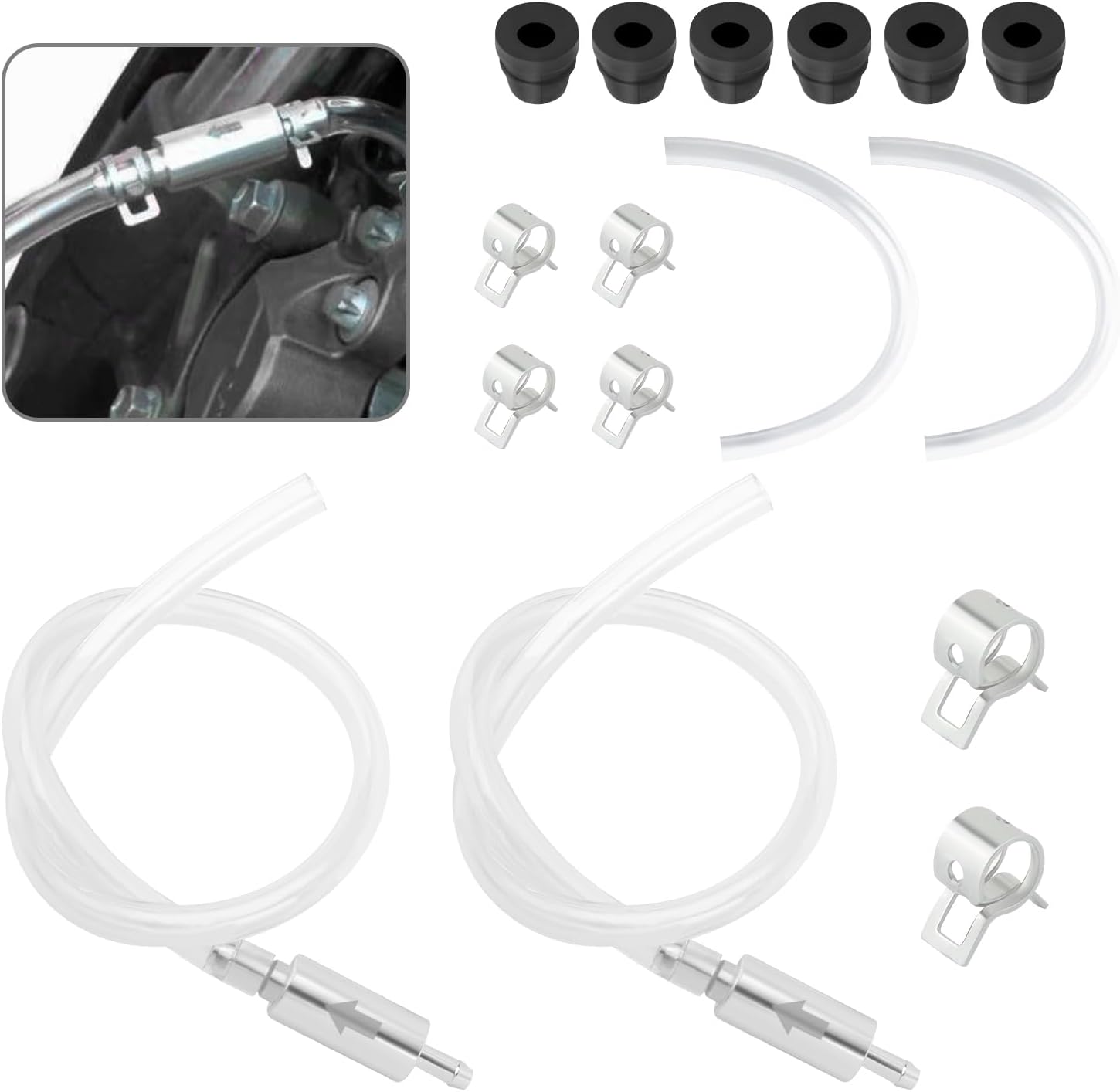
This brake bleeder kit helps make hydraulic brake bleeding easier on motorcycles, cars, and bikes with a simple one-way valve setup that helps prevent air and contamination from entering the system. It includes multiple hoses, clamps, and dust-proof screw caps for a cleaner, more controlled bleeding process. Durable rubber tubing and rust-resistant valves support repeated use and flexible installation around different brake layouts.

TOVASTY rear brake pads are designed for a wide range of Toyota and Lexus models, delivering dependable braking performance with a carbon ceramic formula. They help reduce brake dust, promote quieter operation, and support consistent stopping power with improved heat resistance for everyday driving confidence.
Do Camry Hybrid Brakes Wear Differently?
Because regenerative braking handles part of everyday deceleration, the friction brakes may see less use than they would in a non-hybrid car. That can help pads last longer, but it can also mean rotors and pads spend more time cool and lightly used. In wet, salty, or humid climates, that can allow corrosion or uneven wear to develop before a driver notices a problem.
Do not assume the front pads are the only parts to watch. Inspect front and rear pads, rotors, calipers, slide pins, parking-brake function, and brake fluid condition. Hybrid brake wear can vary widely by terrain, commute style, weather, road salt, and how often the hydraulic brakes are used.
| Item | Why It Matters | Recommendation |
|---|---|---|
| Rear pads | Can show uneven wear or corrosion if overlooked. | Inspect rear brakes as carefully as fronts. |
| Front pads | May last longer because regen reduces routine friction use. | Do not replace by mileage alone; measure pad thickness. |
| Rotors | Light use can allow rust ridges or glazing. | Check rotor surface and thickness during service. |
| Pad material | Low-temperature hybrid duty can be hard on cheap pads. | Use quality pads that match Toyota specifications. |
Warning: Electronic brake systems can pressurize or actuate unexpectedly if serviced incorrectly. If pads, calipers, brake fluid, ABS, or electronically controlled brake components need work, follow Toyota service procedures or use a qualified hybrid technician.
Which Camry Hybrid Brake Sounds and Pedal Feel Are Normal?
Some brake feel changes are normal in a hybrid. You may notice a different sensation as the car transitions from regenerative braking to hydraulic braking near a stop. You may also hear pumps, relays, or electric-system sounds more clearly because the gasoline engine is not always running.
Still, “different” should not mean unsafe. Grinding, a burning smell, severe vibration, a pedal that sinks, a car that pulls to one side, repeated ABS activation on dry pavement, or a brake warning light calls for inspection.
| What You Notice | Often Normal? | When to Get Service |
|---|---|---|
| Light whirring or pump sound | Yes, if brief and consistent. | If loud, constant, or paired with warning lights. |
| Slight pedal-feel change near stop | Yes, due to brake blending. | If the pedal sinks, grabs, or feels unpredictable. |
| Grinding or scraping | No. | Inspect pads and rotors immediately. |
| Red brake warning light | No. | Stop safely and contact service. |
| Yellow brake warning light | No. | Have the regenerative/electronically controlled brake system inspected. |
Toyota’s owner information says brake warning lights can point to low brake fluid or a malfunction in the brake, regenerative braking, electronically controlled brake, or parking-brake system. The exact color, wording, and required action can vary by model year. Review Toyota’s brake warning-light guidance and your own manual. If braking feels compromised, stop in a safe place and arrange service.
How Do You Maintain Camry Hybrid Brakes and Maximize Regen?
Good regenerative braking comes from both sides of the system: the hybrid electronics must be healthy, and the hydraulic brakes must be clean, lubricated, and ready to work. Use the owner’s manual and Toyota’s current 2026 Camry manuals and warranty resources for your exact model year, trim, and maintenance schedule.
[Products Worth Considering]
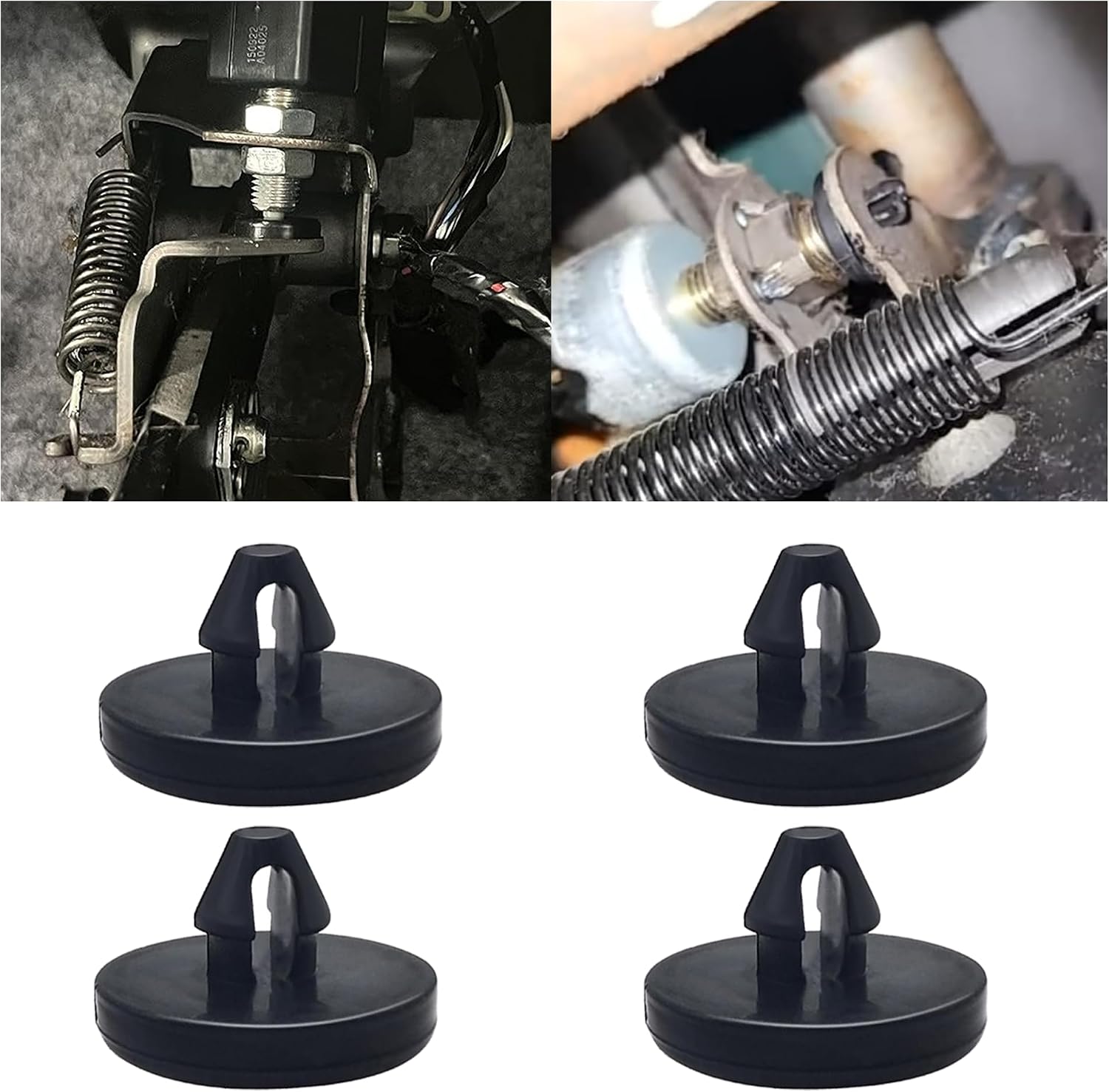
This brake pedal stop pad set is designed as an OEM replacement for compatible Toyota, Lexus, and Scion models, helping restore proper brake light switch function when the brake light stays on. Made from durable nylon, these compact stoppers are built for reliable long-term use and quick, tool-free installation. The set includes multiple pieces for convenient replacement and sharing.

This Yuirote universal car motor diagnostic tool helps drivers quickly detect engine fault codes and identify system issues for routine inspections and maintenance. It also supports electronic parking brake reset and emergency release functions, making it useful for handling EPB-related problems without a repair shop visit. Its compact, ergonomic design and broad vehicle compatibility make it a practical choice for car owners and DIY repair enthusiasts.

These ceramic front brake pads are designed for smooth, quiet braking and dependable stopping power across a range of compatible Toyota and Lexus vehicles. The chamfered, multi-layer construction helps reduce noise and brake dust while supporting stable performance in demanding driving conditions. Built for consistent braking response, they offer confident pedal feel and long-lasting reliability.
Regular Brake Inspections
During routine service, ask for more than a quick pad glance. A useful hybrid brake inspection should include:
- Measure front and rear pad thickness.
- Inspect rotors for rust ridges, scoring, thickness variation, and glazing.
- Check caliper movement, slide pins, and hardware condition.
- Confirm brake fluid level and condition.
- Check for warning lights or stored brake/ABS/hybrid-system codes if symptoms are present.
- Verify the parking brake operates normally.
Hybrid System Diagnostics
If the brake pedal feel changes suddenly, the charge display behaves strangely, or warning lights appear, a technician should scan the vehicle with equipment that can read Toyota hybrid, ABS, and electronically controlled brake data. Basic code readers may miss brake-control or hybrid-system information.
Diagnostic checks may include brake actuator data, wheel-speed sensor data, state-of-charge behavior, warning-light history, and ABS or electronically controlled brake codes. This is where a hybrid-trained technician is worth it.
Driving Habits for Regen
One simple adjustment improves regen capture: anticipate stops and lift off the accelerator gradually. The car has more time to recover energy when you coast and brake smoothly instead of waiting until the last second.
- Look farther ahead. Early lift-off helps the system begin controlled deceleration.
- Use steady brake pressure. Smooth pressure usually favors regen more than abrupt braking.
- Watch the energy display, but do not stare at it. Use it as feedback after the maneuver, not as a distraction.
- Use B mode selectively. Use it for added speed control on long or steep descents when your owner’s manual recommends it. For normal flat-road driving, leave the car in Drive.
- Do not chase regen in emergencies. If you need to stop quickly, brake firmly and let the car blend the systems.
Pro Tip: The best regen drivers are not the ones who brake the lightest. They are the ones who leave enough space to brake smoothly and safely.
Frequently Asked Questions
What is the disadvantage of a Toyota Camry Hybrid braking system?
The main difference is pedal feel. Because the Camry blends regenerative braking with hydraulic friction braking, the pedal may feel less mechanical than it does in a gas-only car, especially near the end of a stop. Service also requires procedures and diagnostic equipment suited to electronically controlled hybrid brakes.
Does pressing the brake pedal use regenerative braking?
Yes. During light-to-moderate braking, the Camry can use the motor-generators to recover energy while slowing the car. The brake-control system blends in hydraulic friction braking when more stopping force is needed or regeneration is limited.
Can regenerative braking stop a Camry Hybrid by itself?
Not in every condition. Regenerative braking helps slow the car, but hydraulic friction brakes provide additional force, complete low-speed stops, and support braking when traction or battery conditions limit energy recovery.
Do Camry Hybrid brakes last longer than regular brakes?
They can because regenerative braking reduces routine friction-brake use. Actual pad and rotor life still depends on driving style, hills, climate, road salt, part quality, and maintenance. Regular inspection matters even when the pads wear slowly.
Why does regenerative braking feel weaker sometimes?
Regen may decrease when the hybrid battery is near its charge limit, temperatures are outside the preferred range, the road is slippery, vehicle speed is very low, or the car needs more hydraulic braking. A sudden change paired with a warning light or unsafe pedal feel needs inspection.
Should you use B mode to get more regenerative braking?
Do not use B mode as an everyday efficiency setting. Use it for added speed control on long or steep descents when your Camry owner’s manual recommends it. Leave the car in Drive for normal flat-road driving.
Conclusion
The Camry Hybrid recovers energy during smooth deceleration, then blends in hydraulic friction braking whenever more stopping force or control is needed. You will get the most predictable results by looking ahead, braking smoothly, using B mode only where your manual recommends it, and keeping pads, rotors, fluid, sensors, and warning systems inspected. If pedal feel changes suddenly or a brake warning appears, stop safely and follow the owner’s manual instead of trying to maximize regen.
Sources
- FuelEconomy.gov: How Hybrids Work — supports the explanation of regenerative braking and hybrid energy recovery.
- FuelEconomy.gov: 2026 Toyota Camry fuel economy listings — supports the current EPA MPG range across 2026 Camry HEV configurations.
- Toyota: 2026 Camry — supports the all-hybrid lineup, drivetrain choices, and official MPG context.
- Toyota Owners: 2026 Camry manuals and warranties — supports model-specific manual and maintenance guidance.
- Toyota Owners: Brake warning lights — supports brake-system warning-light guidance; owners should confirm the wording for their model year.