A Toyota Camry grinding noise when braking usually needs prompt inspection. The most serious cause is a brake pad worn through its friction material so the metal backing plate contacts the rotor. Other causes include a scored rotor, trapped debris, a bent dust shield, loose or misinstalled hardware, and a sticking caliper. A light scrape that appears only after rain or overnight parking may be surface rust if it clears after a few gentle stops and the pedal feels normal. Stop driving if the grind is loud or constant, braking distance increases, the pedal feels soft or sinks, the car pulls, a brake warning appears, or you smell burning.
Last updated: July 31, 2026. This revision adds 2026 hybrid-brake context, clarifies inner-versus-outer pad inspection, expands post-repair diagnosis, and rechecks maintenance details against Toyota’s 2026 Camry Warranty & Maintenance Guide.
Quick Answer
A Camry grinding noise when braking most often points to metal-to-metal pad wear or another part contacting the rotor. Scored rotors, trapped debris, a bent dust shield, sticking caliper parts, and incorrect post-repair installation can sound similar. A normal hybrid whir or electric-parking-brake motor sound is different from a rough metallic grind. Stop driving if the noise is loud or constant or appears with weak braking, a soft or sinking pedal, pulling, smoke, a burning odor, or a warning light.
Key Takeaways
- A harsh metal grinding sound usually means the brake pads, rotors, caliper hardware, or dust shield need inspection right away.
- Temporary scraping after rain, a car wash, or overnight parking can be light rotor surface rust, but it should fade after a few gentle stops.
- Do not keep driving if the brake pedal feels soft, the brake warning light is on, the car pulls while braking, or stopping distance increases.
- A pad that looks acceptable through the wheel does not rule out a worn inner pad; a complete check compares both pads at each wheel.
- Follow your Camry model-year maintenance guide, and have pads, rotors, brake fluid, lines, hoses, and hardware checked together.
At a Glance
| Time Required | 10–20 minutes for a safe visual check; longer for a professional brake inspection |
| Difficulty | Beginner for listening and visual checks; technician-level for brake repair |
| Tools Needed | Flashlight, phone for recording the noise, owner’s manual; jack stands only if you are trained to lift the vehicle safely |
| Cost | A basic visual check may cost nothing; inspection and repair costs vary by model year, shop, and damaged parts |
How Urgent Is the Grinding Noise?
Use the sound pattern and brake feel together. Noise alone cannot confirm the failed part, but these combinations help you choose a safe next step.
| What Happens | Likely Urgency | What to Do |
|---|---|---|
| Light scrape only after rain or overnight parking; it fades after a few gentle stops | Monitor | Drive gently in a safe area. Schedule an inspection if the sound returns or does not fade. |
| Grinding every time you brake, but pedal feel and stopping remain normal | Prompt inspection | Avoid unnecessary driving and arrange brake service as soon as possible. |
| Grinding with a soft or sinking pedal, warning light, pulling, smoke, burning odor, heavy vibration, or reduced stopping | Stop driving | Park safely and arrange towing or professional help. Do not road-test the car. |
What Grinding Noises Mean for Your Camry’s Brakes
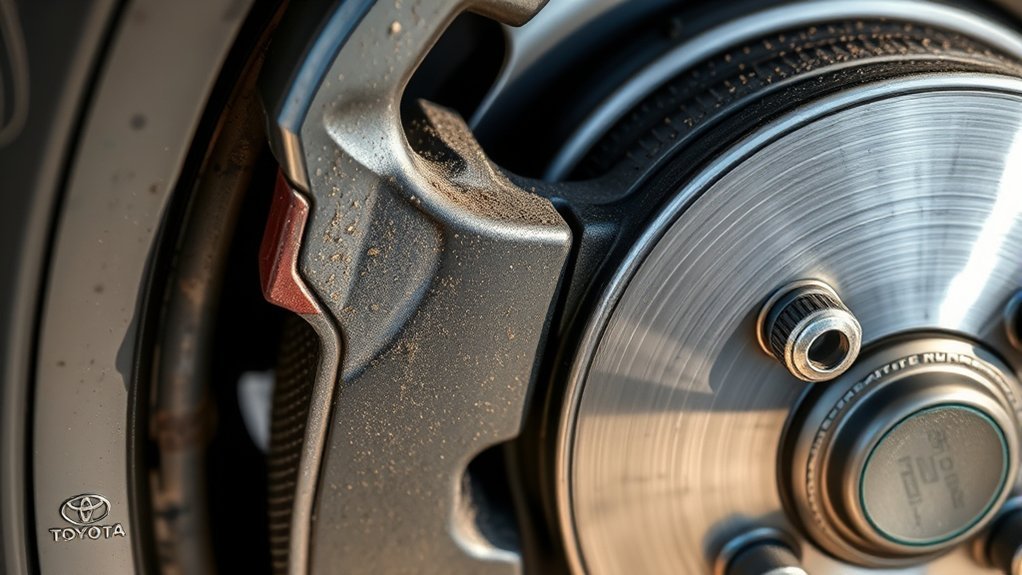
Grinding noises when braking in your Camry can signal anything from harmless surface rust to a serious brake problem. The key is the sound pattern. A brief scrape first thing in the morning may fade quickly. A harsh grind every time you press the brake pedal can mean the pad friction material is gone and metal is contacting the rotor.
Brake noise can also come from debris, a small stone, loose hardware, a bent backing plate or dust shield, uneven pad wear, a sticking caliper, or a rotor that is deeply scored. Because brakes are a safety system, persistent grinding should not be treated as normal road noise.
Warning: Do not continue normal driving if your Camry has loud grinding, reduced stopping power, a soft or sinking brake pedal, a brake warning light, burning smell, heavy vibration, or pulling to one side. Park safely and arrange a professional inspection or towing if the car does not feel safe to stop.
Can Regenerative Braking Cause a Camry Grinding Sound?
The 2026 U.S.-market Camry uses an all-hybrid powertrain, and Toyota owner information explains that hybrid vehicles can make sounds as regenerative braking operates. The electric parking brake, brake-hold system, ABS, and stability-control hardware can also make brief motor, whirring, clicking, or pulsing sounds during normal operation.
A rough metallic scrape or grind that repeats with wheel rotation or becomes louder when you press the brake pedal should not be dismissed as normal regenerative braking. Treat it as a friction-brake or wheel-area symptom until inspection rules out worn pads, rotor damage, shield contact, debris, dragging hardware, or a wheel-bearing problem. Use Toyota’s 2026 Camry information and the model-year Toyota owner-manual portal to compare the sound with the normal-operation notes for your exact vehicle.
What Causes a Toyota Camry Grinding Noise When Braking?
The same grinding sound can come from several parts of the brake and wheel area. Use the table below to narrow the cause before deciding whether it is safe to drive.
| Possible Cause | What You May Notice | Best Next Step |
|---|---|---|
| Worn brake pads | Harsh grinding when braking, squeal before the grind, longer stops | Inspect immediately; pads and possibly rotors may need replacement |
| Scored or damaged rotors | Grooves on rotor face, vibration, pulsing, grinding that does not fade | Have rotor thickness, wear, and runout measured |
| Debris between pad and rotor | Sudden scraping after driving on gravel, dirt, snow, or road debris | Inspect safely; remove debris only if it is visible and easy to access |
| Bent dust shield or backing plate | Thin metallic scrape that may change with speed or steering angle | Have the shield checked and adjusted away from the rotor |
| Surface rust on rotors | Scrape after rain, washing, humidity, or sitting unused | If it fades after a few gentle stops, monitor it; if not, inspect |
| Sticking caliper or dry slide pins | Burning odor or one wheel radiates more heat, car pulls, pad wears faster on one side | Stop driving if severe; caliper hardware needs service |
| Wheel bearing or non-brake issue | Grinding or growling while moving, even when not braking | Have the wheel, hub, and suspension inspected |
Is It Safe to Drive a Camry With Grinding Brakes?
Do not keep driving a Camry with loud, repeated grinding or any change in stopping performance. A brief scrape after rain or overnight parking may be light rotor rust if it fades after a few gentle stops and the brakes feel normal. Persistent noise still needs inspection because sound alone cannot confirm that the brakes are safe.
Grinding with poor stopping, pulling, vibration, a warning light, or a soft or sinking pedal is an immediate stop-driving condition. Worn pads can damage rotors, calipers, and other hardware. A low reservoir can reflect pad wear or a fluid leak, so do not simply top off brake fluid and ignore the cause.
The Car Care Council recommends regular brake inspections and warns against delaying service until brakes reach the metal-to-metal point. If your Camry feels unsafe, park it and call a qualified repair shop.
How Can You Diagnose Camry Grinding Noise Issues?
Start with safe, simple checks. You do not need to disassemble the brakes to gather useful information for a technician.
[Products Worth Considering]
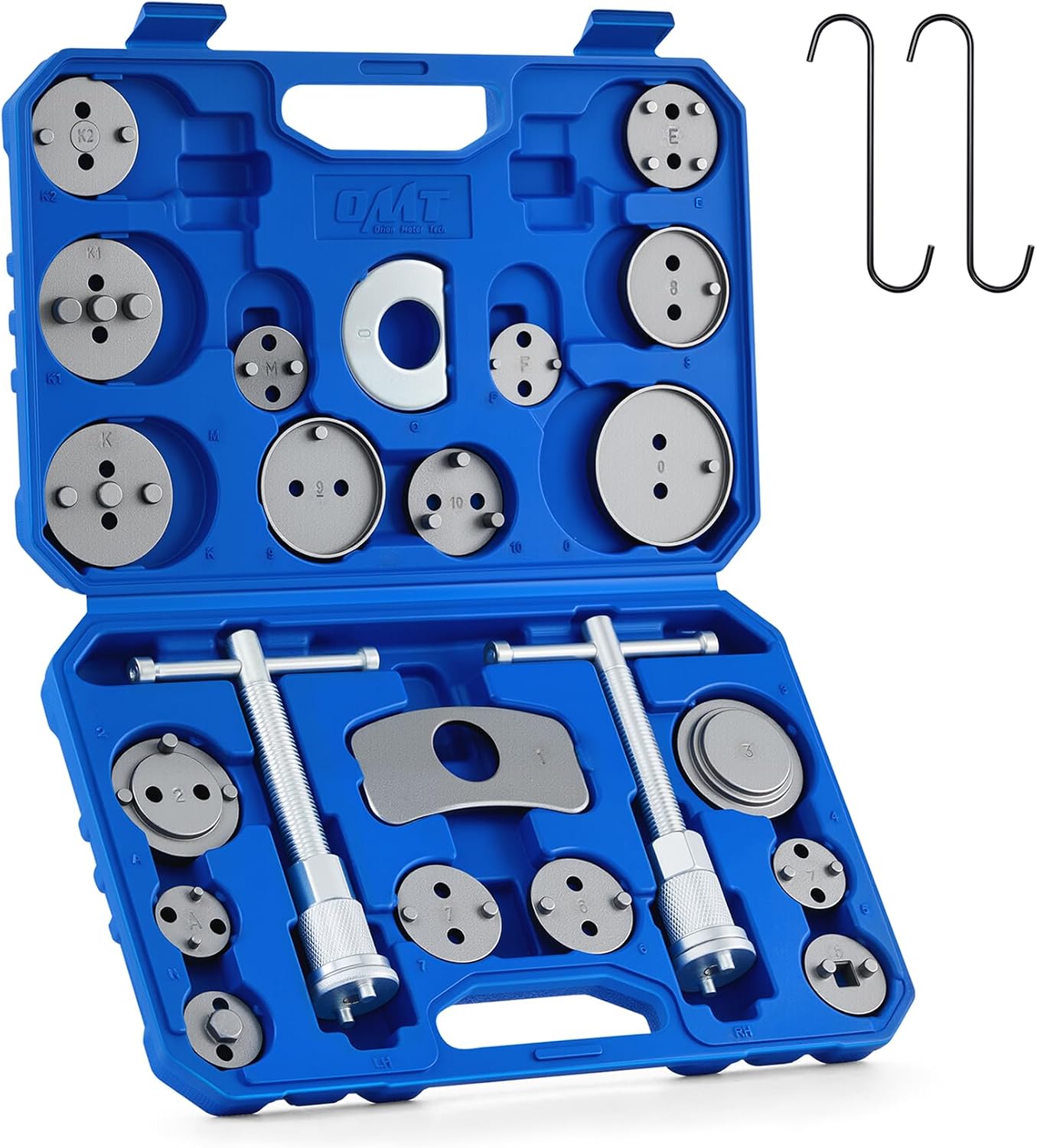
This 24-piece brake caliper compression tool set helps you quickly and safely rotate pistons back into the caliper during brake pad service. It includes multiple adapters, retaining plates, thrust bolt assemblies, and hangers for broad vehicle compatibility, while the heavy-duty steel construction and organized storage case make it ideal for reliable shop or home repairs.

This brake caliper compression tool makes brake pad replacement faster by retracting single, dual, or quad pistons with minimal effort. Built for compatibility across many cars, trucks, ATVs, UTVs, and SUVs, it delivers strong pressing power for efficient maintenance. The durable aluminum alloy and steel construction, along with organized EPE foam storage, help keep it protected and ready for repeated use.

This brake caliper compression tool helps make disc brake pad replacement and caliper servicing faster, safer, and more controlled. Its universal ratcheting design supports multi-angle operation in tight wheel spaces, while the sturdy steel build and widened contact plate help reduce slipping and uneven force during maintenance. Two caliper hooks are included to simplify solo brake work and keep components organized.
Step 1: Note When the Grinding Happens
- Only after rain or sitting: likely surface rust if it disappears quickly.
- Only when braking: likely pads, rotors, debris, caliper hardware, or dust shield.
- While driving without braking: possible dust shield, wheel bearing, dragging brake, or tire/wheel issue.
- After a recent brake job: possible loose or mispositioned hardware, a missing clip or shim, a bent shield, incorrect pad orientation, rotor contact, uneven pad transfer, or a sticking caliper. Harsh metal grinding is not a normal bedding sound.
- In reverse: sometimes pad movement or surface rust, but persistent grinding still needs inspection.
Step 2: Check Warning Signs Before Driving Farther
Before you continue driving, check the dashboard for brake, ABS, or stability-control warnings. With the car parked securely, press and hold the brake pedal. If it sinks, feels spongy, or feels unusually hard, do not road-test the vehicle.
Step 3: Use Safe Visual Inspection Techniques
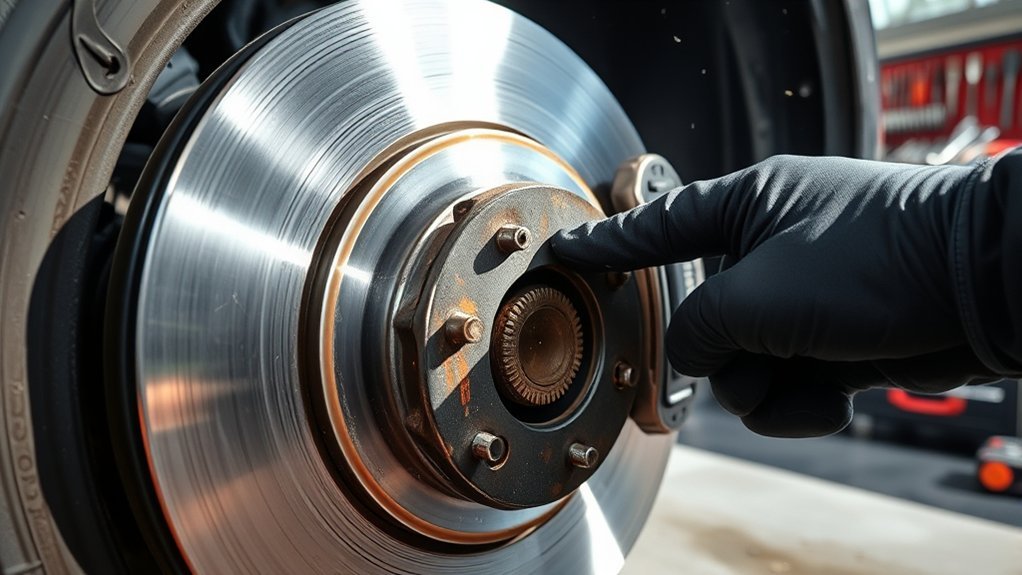
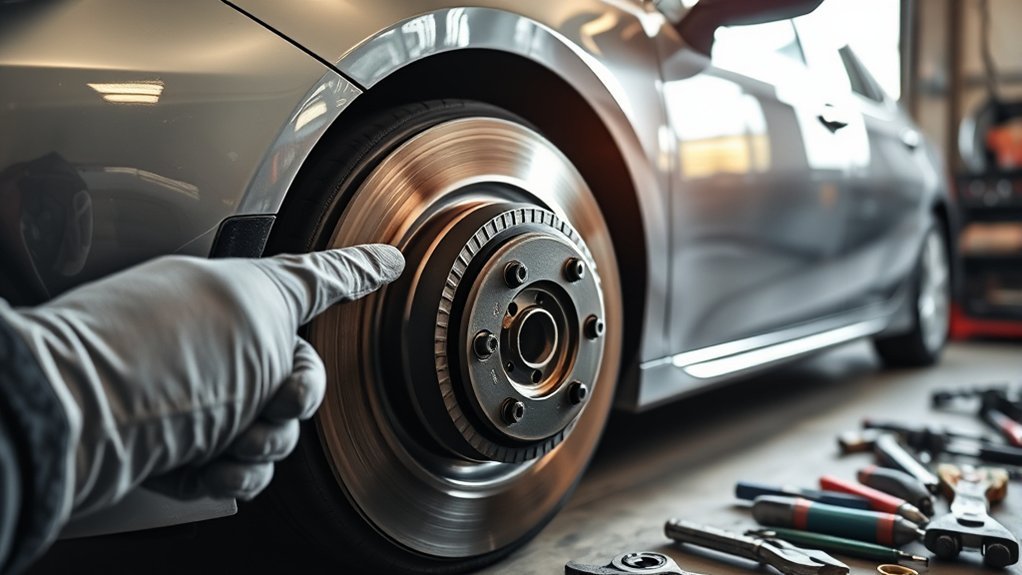
Look through the wheel spokes with a flashlight. You may be able to see part of the outer brake pad and rotor face. Check for deep rotor grooves, shiny scoring, loose-looking hardware, or a dust shield touching the rotor. Compare the left and right sides for obvious differences in rotor color or brake-dust buildup.
This is only a screening check. The inner pad may be hidden and can wear much faster than the visible outer pad when a caliper piston, slide pin, pad ear, or hose is not working correctly. A technician should remove the wheel when needed and record the inner and outer pad thickness separately. Never spray lubricant, penetrating oil, or cleaner onto the pad or rotor friction surfaces.
Note: Never crawl under a Camry that is supported only by a jack. If a wheel must come off, use the correct lift points, wheel chocks, and rated jack stands—or leave the inspection to a professional.
Step 4: Match the Noise to the Brake Condition
A high-pitched squeal often comes before grinding and may be a pad wear indicator. A rough metal scrape during braking suggests worn pads, rotor scoring, debris, or shield contact. A growl that changes when turning may not be the brakes at all; it can point to a wheel bearing. Recording the noise on your phone can help a technician reproduce the symptom.
Brake Fluid, Warning Lights, and Recall Checks
Low brake fluid does not usually create a grinding sound by itself. A low reservoir is a clue that pads may be worn or fluid may be leaking from a line, hose, caliper, or master cylinder. Toyota’s maintenance guidance includes checking fluid level and inspecting brake lines, hoses, pads, and discs. Do not top off the reservoir and assume the problem is solved. Use the official Toyota Owner’s Manuals and Warranties portal for your exact model year, and see the site’s guides to the Camry brake warning light and Camry brake-fluid service interval for related diagnosis.
You should also check for open safety recalls by VIN at the NHTSA recall lookup. If you believe your Camry has a brake-related safety defect, NHTSA also provides a way to report a vehicle safety problem.
Fixes for Camry Grinding Noise When Braking
The right fix depends on the inspection results. Avoid guessing or replacing parts blindly, especially if the noise appeared after recent service.
| Inspection Result | Typical Fix |
|---|---|
| Pads worn close to the backing plate | Replace brake pads; inspect rotors and hardware |
| Rotor is deeply scored, below specification, or has excessive runout | Replace or machine the rotor only if it remains within manufacturer limits |
| Dust shield touches rotor | Reposition or replace the shield |
| Debris is lodged near pad or rotor | Remove debris and inspect for pad or rotor damage |
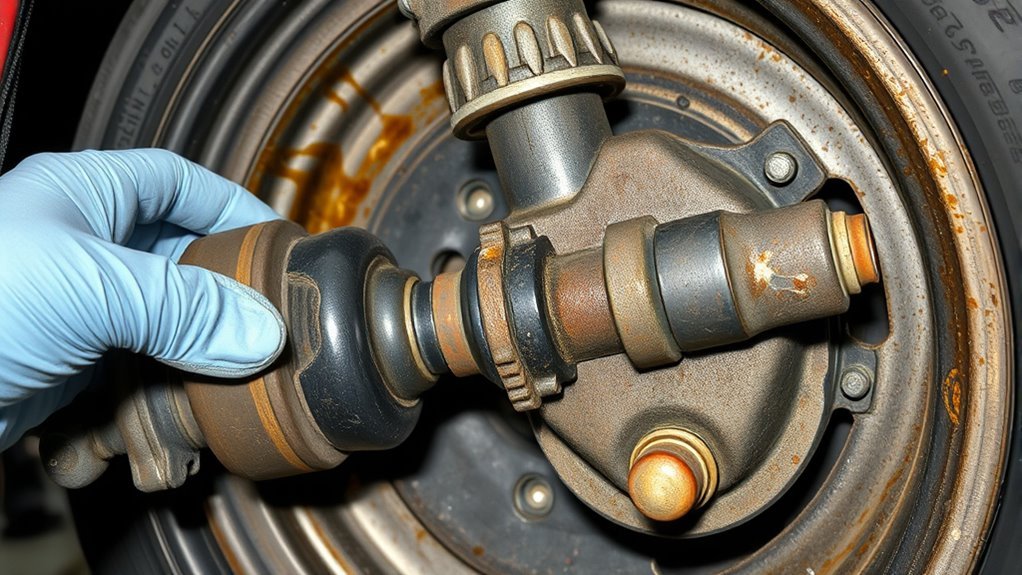
| Slide pins are dry or caliper is sticking | Service slide pins, boots, and caliper hardware; replace faulty caliper if needed |
| Grinding began after brake replacement | Stop and recheck pad orientation and fitment, clips, shims, shield clearance, rotor condition, caliper movement, and fastener torque before more driving |
Pro Tip: When you call a shop, describe exactly when the grind happens: cold start, wet weather, low-speed braking, highway braking, turning, reversing, or all the time. That detail can shorten diagnosis and prevent unnecessary parts replacement.
[Products Worth Considering]
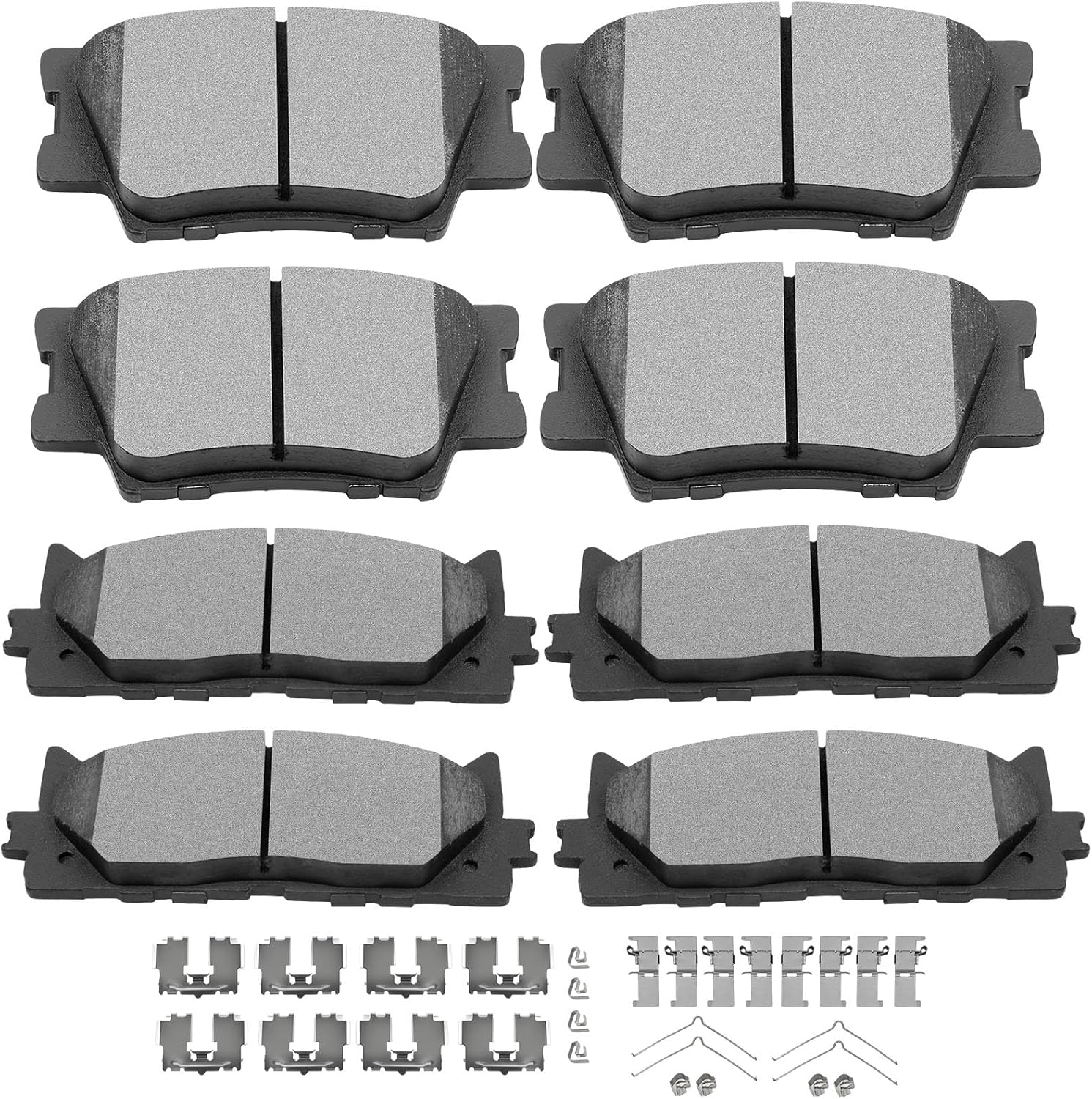
This ceramic front and rear brake pad set is designed as a direct replacement for select Lexus and Toyota models, helping restore reliable stopping performance. The pads feature a scorch-treated friction surface for quicker break-in and consistent wear, while the included gasket design helps reduce vibration and noise for quieter braking. Built for easy installation, this kit comes ready to fit compatible vehicles without modification.

Bosch QuietCast premium ceramic rear brake pads are engineered for quiet, reliable stopping power with low dust performance. Featuring pre-attached multilayer shims, corrosion-resistant backing plates, and OE-style slots and chamfers, this set is designed for smooth fitment and long-lasting durability. It includes pads for one axle, plus hardware and lubricant where available, making installation easier for compatible Lexus, Pontiac, and Toyota vehicles.
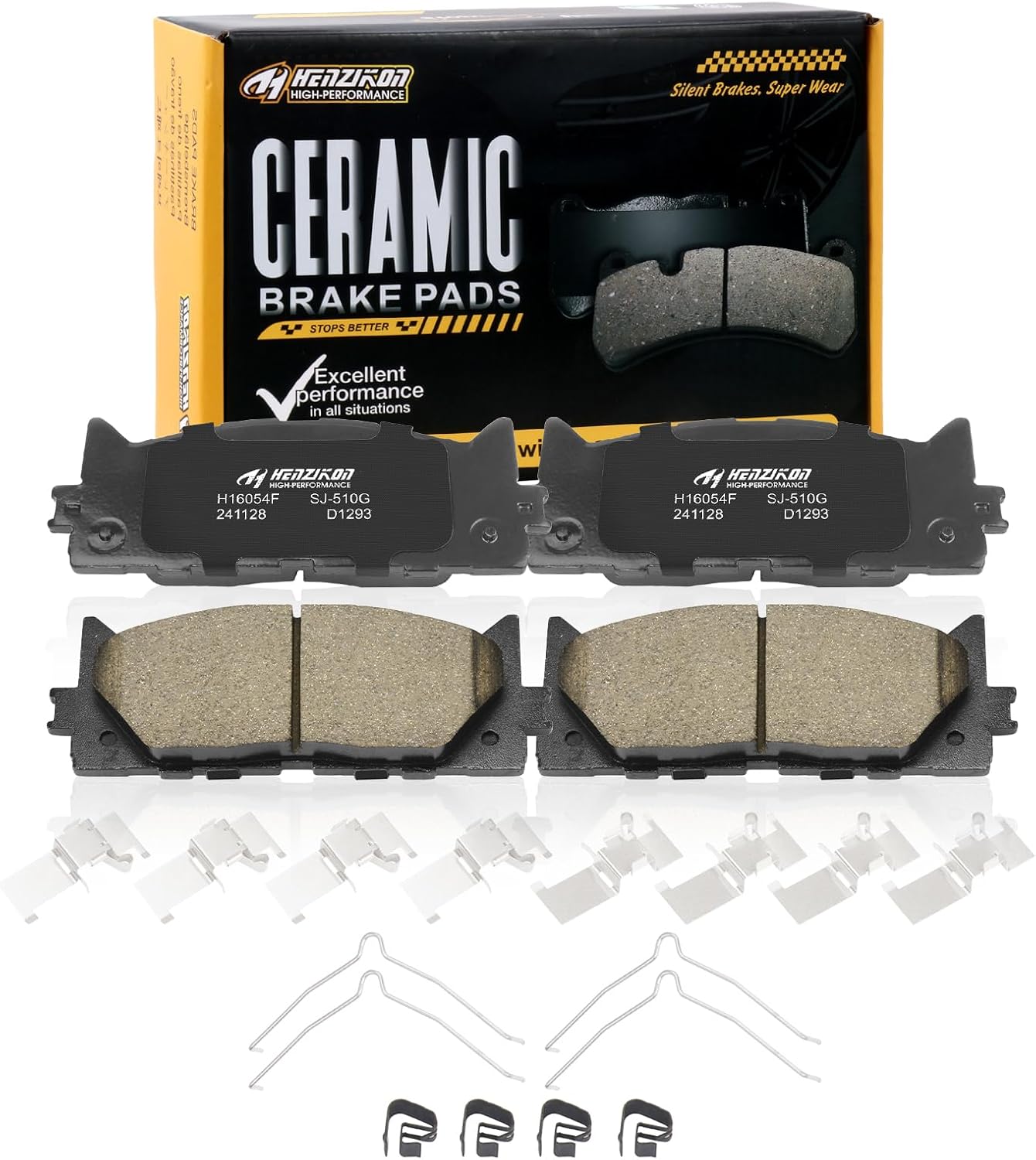
These ceramic front brake pads are designed for compatible Toyota Avalon, Camry, and Lexus ES-series vehicles, offering dependable stopping power and smooth, consistent braking performance. Built with included hardware for easier installation, they help reduce squealing and brake dust while supporting long-term durability for everyday driving.
Preventive Measures to Avoid Brake Problems in Your Camry
Follow the maintenance schedule for your Camry’s exact model year and powertrain. Toyota’s 2026 Camry guide recommends scheduled maintenance every 5,000 miles or six months, whichever comes first. It lists a visual brake inspection every 5,000 miles and thickness and disc-runout checks every 30,000 miles. Review the official 2026 Camry Warranty & Maintenance Guide, use the model-year portal for older Camrys, and see the detailed Camry brake inspection interval guide.
Good driving habits also help. Leave more following distance, avoid repeated hard stops when possible, and do not rest your foot on the brake pedal. If you drive in heavy traffic, on dusty roads, in snowbelt areas, or through road salt, brake parts may need closer inspection.
When replacing brake pads, inspect the rotors, caliper slides, boots, clips, shims, and brake fluid at the same time. Rotors do not always need replacement with every pad change, but they should be measured and checked for scoring, runout, overheating, cracks, and minimum thickness.
When to Get Help for Brake Noises in Your Camry?
Hearing grinding noises when braking in your Camry is not something to ignore. Get professional help quickly if you notice any of these symptoms:
- Persistent grinding or scraping every time you brake.
- A brake, ABS, or stability-control warning light on the dashboard.
- A soft, sinking, very hard, or pulsing brake pedal.
- A significant increase in stopping distance.
- The vehicle pulling to one side during braking.
- Burning smell, smoke, or one wheel radiating much more heat than the others. Do not touch the wheel or brake parts.
- Heavy vibration, clunking, or grinding that continues even when you are not braking.
Ignoring these signs can turn a pad replacement into a rotor, caliper, or wheel-end repair. More importantly, it can reduce your ability to stop safely.
What Should a Complete Camry Brake Inspection Include?
A complete inspection should identify the contact point instead of treating every grinding sound as a pad problem. Ask for written findings, not only “the brakes look okay.” Replacement parts and procedures must match your Camry’s model year, trim, drivetrain, and brake system.
| Inspection Item | What the Report Should Show | Why It Matters |
|---|---|---|
| Brake pads | Inner and outer thickness at each inspected wheel, plus cracks, contamination, taper, or uneven wear | A visible outer pad can look usable while the hidden inner pad is worn out |
| Rotors | Measured thickness, minimum specification, surface condition, and runout when diagnosis requires it | Shows whether the rotor can remain in service, be machined within limits, or needs replacement |
| Calipers and hardware | Piston and slide-pin movement, pad fit, clips, shims, boots, bracket condition, and shield clearance | Finds dragging, binding, loose, missing, or contacting parts |
| Hydraulic system | Fluid level and condition, hose and line condition, leaks, pedal behavior, and relevant warning codes | Separates a friction-noise problem from a hydraulic or electronically controlled brake fault |
| Wheel area | Bearing or hub condition, shield contact, debris, wheel hardware, and any speed- or steering-related noise | Rules out non-brake grinding that continues when the pedal is released |
For related symptoms, compare the site’s guides to a sticking Camry brake caliper, a Camry wheel-bearing problem, and Camry front brake-pad replacement.
[Products Worth Considering]
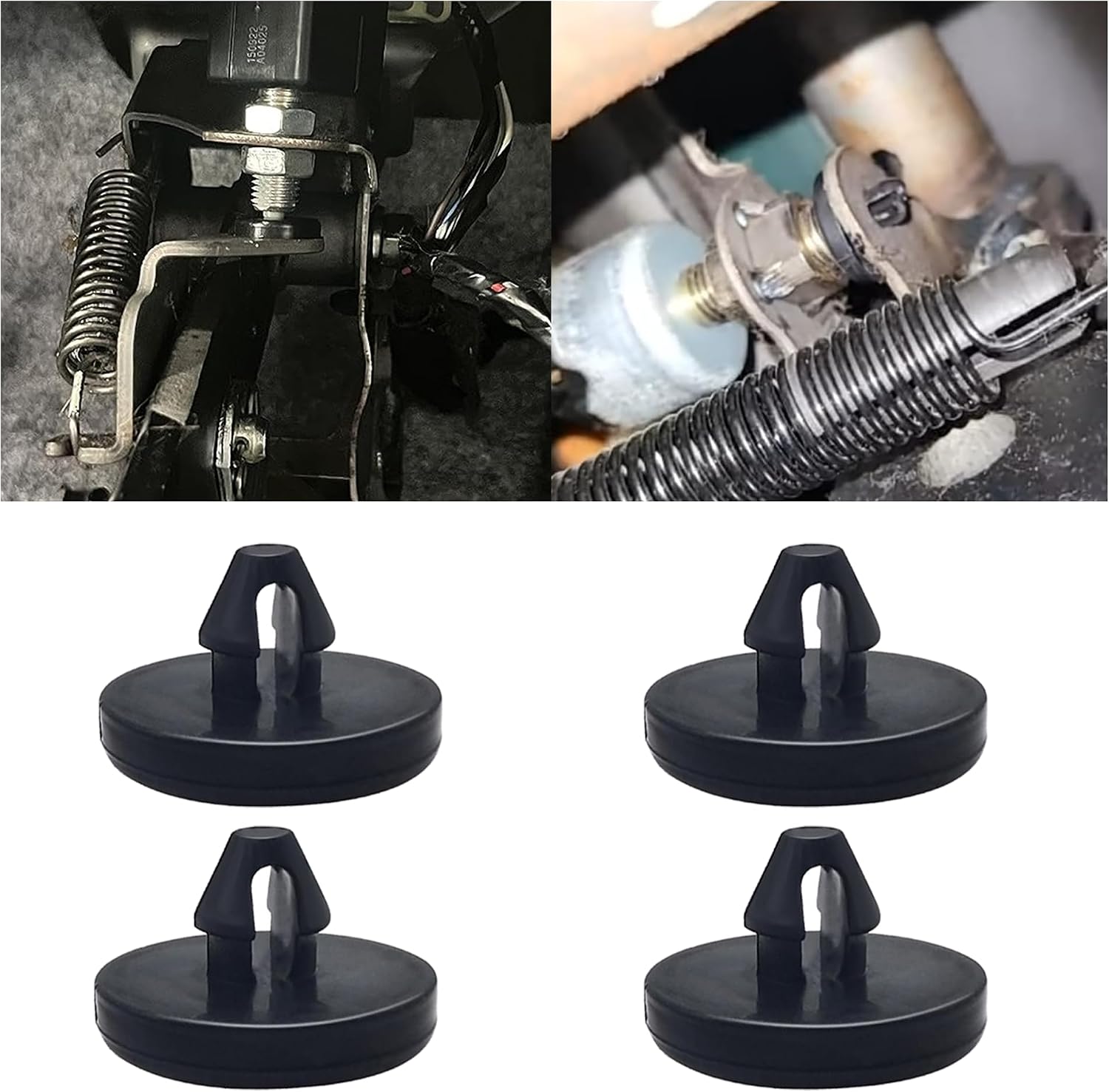
This brake pedal stop pad set is designed as an OEM replacement for compatible Toyota, Lexus, and Scion models, helping restore proper brake light switch function when the brake light stays on. Made from durable nylon, these compact stoppers are built for reliable long-term use and quick, tool-free installation. The set includes multiple pieces for convenient replacement and sharing.

This brake bleeder bottle is designed to make fluid bleeding easier for one-person use with a built-in check valve and magnetic mount. The flexible hose fits most bleeder valves and helps reduce the chance of air entering the system during service. With a practical fluid capacity and universal fit, it is a handy tool for brake maintenance and repair.

TOVASTY rear brake pads are designed for a wide range of Toyota and Lexus models, delivering dependable braking performance with a carbon ceramic formula. They help reduce brake dust, promote quieter operation, and support consistent stopping power with improved heat resistance for everyday driving confidence.
Regular Brake Inspections
Regular brake inspections should include more than a quick look at pad thickness. A complete check should include pad and rotor condition, brake fluid level, brake lines and hoses, caliper movement, hardware, warning lights, and a road test when safe. The Car Care Council recommends a thorough brake inspection at least once a year, and Toyota’s maintenance schedule may call for checks more often depending on mileage, time, and driving conditions.
Quality Parts Selection
Part quality and correct fitment affect noise, pedal feel, stopping performance, and service life. Toyota Genuine Parts are one option, and properly specified aftermarket parts may also be suitable. Avoid choosing pads only by price. Incorrect friction material, missing shims, damaged hardware, or poor rotor quality can make noise and uneven wear more likely.
Proper Installation Techniques
Proper installation is just as important as part quality. Brake pads must fit the bracket correctly, hardware must be installed in the right position, caliper slide pins must move freely, and bolts must be tightened to the correct specification. Grease belongs on approved metal-to-metal contact points and slide pins, never on the pad friction surface or rotor face.
- Pad and rotor fitment: Use parts designed for your Camry’s exact model year and trim.
- Caliper service: Clean and lubricate slide pins with the correct brake lubricant when service procedures call for it.
- Hardware inspection: Replace damaged clips, shims, boots, and anti-rattle hardware.
- Rotor checks: Measure thickness and runout instead of guessing.
- Brake fluid: Investigate low fluid, leaks, or fluid contamination before returning the car to service.
Frequently Asked Questions
Why does my Toyota Camry make noise when I brake?
A Toyota Camry can make noise when braking because of worn brake pads, scored rotors, debris between the pad and rotor, a bent dust shield, loose hardware, surface rust, or a sticking caliper. Grinding is more urgent than a light squeak because it can mean metal parts are contacting each other.
Can I drive my Camry if the brakes are grinding?
Do not continue normal driving if the grinding is loud, constant, or paired with poor stopping, pulling, vibration, a warning light, or a soft pedal. If the sound is a brief scrape after rain and disappears after a few gentle stops, monitor it, but schedule an inspection if it returns or persists.
Why do my Camry brakes grind after rain or sitting overnight?
Light rust can form on brake rotors after rain, washing, humidity, or long parking. The first few brake applications may make a scraping sound as the pads clean the rotor surface. If the sound does not fade quickly, or if braking feels rough, have the brakes inspected.
Do I need new rotors every time I replace Camry brake pads?
Not always. Rotors should be inspected and measured. They may need replacement or machining if they are deeply scored, below minimum thickness, cracked, overheated, or have excessive runout or thickness variation. If rotors are within specification and the surface is acceptable, they may not need replacement.
Why are my Camry brakes grinding after new pads were installed?
Grinding after a brake job can come from mispositioned hardware, missing clips or shims, a bent dust shield, poor pad fitment, rotor damage, debris, or a caliper issue. Return to the installer and ask them to recheck hardware placement, rotor condition, caliper movement, and pad fit.
Why does my Camry grind only at low speed?
Low-speed grinding can make pad-to-rotor contact, debris, or dust-shield contact easier to hear because road and wind noise are lower. The speed pattern does not prove the cause. Inspect the brakes if the sound repeats, changes with pedal pressure, or continues when you are not braking.
Can low brake fluid cause a grinding noise?
Low brake fluid usually does not create grinding by itself. It can indicate worn pads or a hydraulic leak, especially when paired with a soft or sinking pedal. Do not only refill the reservoir. Have the cause of the low level and the grinding noise diagnosed.
Can grinding brakes damage Camry rotors?
Yes. If the pad friction material is gone, its metal backing plate can cut grooves into the rotor. Continued driving can also overheat pads, rotors, caliper parts, and brake fluid. Stop driving when the grinding is harsh or repeated and have the pads, rotors, calipers, and hardware inspected together.
How can I tell brake grinding from a bad wheel bearing?
Brake grinding usually appears or becomes louder when you press the brake pedal. A wheel-bearing growl or grind is often present while the car is moving without braking and may change with vehicle speed or steering load. The patterns can overlap, so a wheel-off brake, hub, and bearing inspection is the reliable way to separate them.
Is a grinding sound normal on a 2026 Camry Hybrid?
Brief motor, whirring, clicking, or pulsing sounds can occur as hybrid braking, brake hold, the electric parking brake, ABS, or stability control operates. A rough metallic grind that repeats with wheel rotation or gets louder during braking is not a sound to dismiss as normal. Have it inspected if it persists.
Conclusion
If your Camry’s brakes are grinding, use the symptom pattern to choose the next step. A brief wet-weather scrape that clears after a few gentle stops may be rotor surface rust. Loud, repeated, or metal-on-metal grinding needs prompt inspection for worn inner and outer pads, rotor damage, debris, shield contact, hardware problems, or a sticking caliper. Stop driving and arrange towing when the pedal feels abnormal, stopping distance increases, the car pulls, a warning light appears, or you notice smoke or a burning odor. Ask the shop for measured pad and rotor findings before approving the repair.
Sources
- Toyota Owner’s Manuals and Warranties — official Camry manual and maintenance-guide access by model year.
- Toyota 2026 Camry Warranty & Maintenance Guide — scheduled maintenance and brake-inspection intervals.
- Car Care Council: Stop and Check Your Brakes — brake warning signs and annual inspection guidance.
- Toyota 2026 Camry — official confirmation of the all-hybrid 2026 U.S. Camry powertrain.
- NHTSA Recalls Lookup — VIN-based recall checks for vehicles and equipment.
- NHTSA Report a Safety Problem — reporting possible vehicle safety defects.