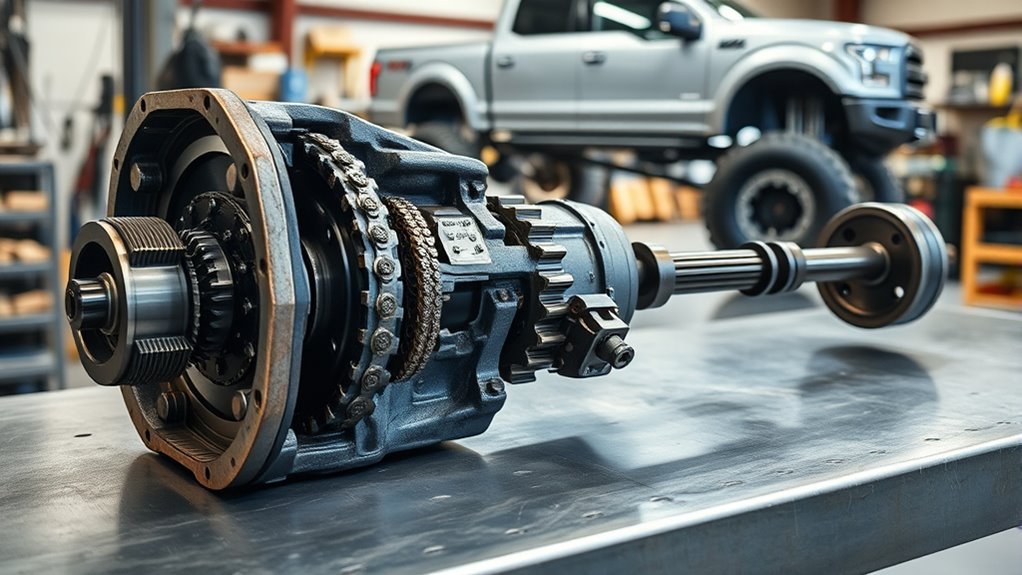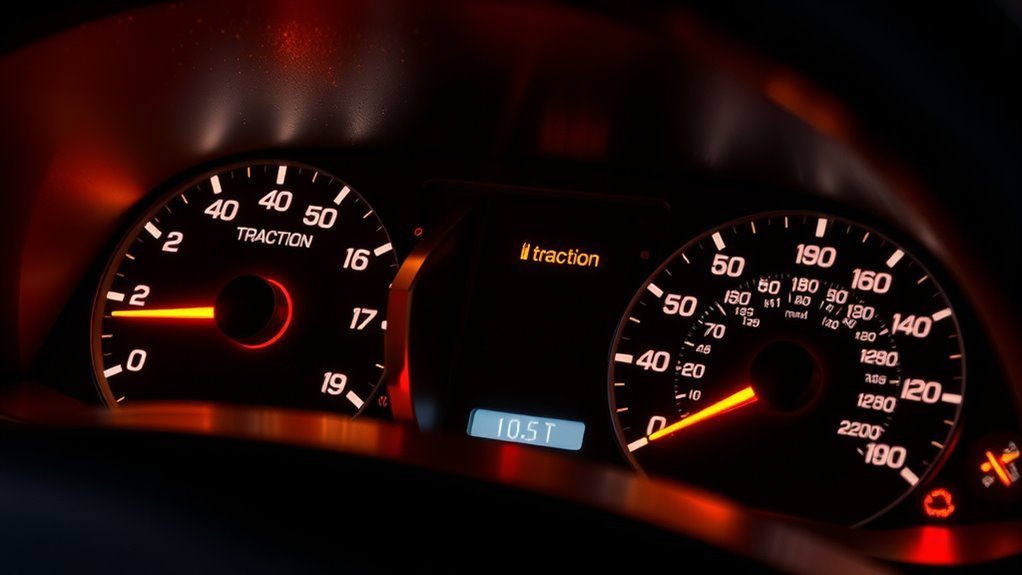
The TRAC light on your Land Cruiser means the traction-control system is limiting wheel spin because it detected slip or an ABS/VSC-related fault; it often appears with VSC or ABS lights and can come from a bad wheel speed sensor, brake/master cylinder issue, or a manual system disable. You can drive cautiously short distances, but get codes checked and basic fluid/sensor connections inspected promptly to avoid unsafe handling and costly repairs — keep going to learn what to check and when to stop.
Who This Guide Is For and How to Use It

If your Land Cruiser’s TRAC light has come on, this guide is for you—it explains likely causes, basic checks you can perform, and when to seek professional help. You’re an owner who wants control and clarity; this section tells you who benefits and how to use the guide. It’s aimed at drivers who notice the TRAC light, want practical troubleshooting tips, and refuse to be sidelined by uncertainty.
Start with the basics: learn the TRAC light’s role in preventing wheel spin, then follow the recommended checks—verify brake fluid, inspect ABS speed sensors, and note any diagnostic codes. Use community experiences to contextualize findings, but prioritize objective data. If warning lights persist after basic checks, get professional help; unresolved faults compromise safety. Follow the stepwise approach here: observe, test, record codes, act. You’ll regain agency over your vehicle with focused, decisive steps.
What the TRAC, VSC, and ABS Lights Mean on a Land Cruiser
Now that you know how to approach a TRAC warning, you should understand what the TRAC, VSC, and ABS lights actually tell you about your Land Cruiser. When the TRAC light illuminates, the TRAC System is working to prevent wheel spin on slippery surfaces so you retain grip and control. The VSC Function light shows the Vehicle Stability Control is engaged, adjusting engine power and applying brakes to keep the vehicle stable in challenging conditions.
Both lights can also signal manual deactivation or a detected fault; they often appear with a Check Engine light. Because many faults stem from ABS components—faulty wheel speed sensors or master cylinder pressure sensors—the ABS Importance can’t be overstated: it underpins both traction and stability controls. These Safety Features protect you, but they’re not infallible. If the lights persist, get diagnostics and repairs promptly. You deserve freedom on the road; maintain these systems to keep it safe and certain.
Is It Safe to Drive With the TRAC/VSC Light On?
Wondering whether you can keep driving with the TRAC or VSC light on? You shouldn’t assume it’s harmless. These warning signs mean traction or stability control isn’t guaranteed, which affects driving safety—especially in rain, ice, or loose surfaces. If lights persist after a restart, pull over and evaluate for any traction loss or abnormal handling. Continued driving raises skid and loss-of-control risk; a professional inspection is the next liberating step to restore full control and avoid larger repairs.
| Situation | Risk Level | Immediate Action |
|---|---|---|
| Light appears briefly, then goes off | Low | Monitor; restart car |
| Light stays on after restart | High | Pull over; assess handling |
| Light with ABS fault | High | Stop driving soon; seek service |
| Manual TRAC off | Medium | Re-engage if possible; be cautious |
Treat the indicator as a call to reclaim safety: diagnose the cause, avoid risky conditions, and get professional help if the light remains on.
Quick Checks You Can Do Now (No Tools, on a Land Cruiser)

Start with a short walk-around you can finish in a few minutes to rule out common, simple causes of the TRAC light. You’ll free yourself from needless worry by checking a few things you can do without tools. First, verify the gas cap is tight — a loose cap can trigger systems that confuse traction control. Next, scan the dash: any other warning lights narrow the fault scope. Confirm the center differential lock (CDL) is disengaged; an engaged CDL often lights TRAC.
- Check gas cap seal and latch; tighten until it clicks.
- Verify brake fluid level is above the minimum mark and glance for leaks.
- Press the brake pedal — confirm firm, consistent travel and pedal return.
If the brake pedal feels soft, or other lights persist, don’t push beyond safety; seek professional diagnostics. These quick checks liberate you from guessing and focus follow-up actions efficiently.
Diagnostics to Run Next (DIY Steps and Tech‑Level Tests)
Begin by confirming the center differential lock (CDL) and basic brake system function before you dig into sensors or scanners — a stuck CDL or low brake fluid are common, easily overlooked causes of TRAC/VSC warnings. Next, check brake fluid level and perform a brake-pedal pump test to validate booster response; you’ll rule out simple hydraulic failures that mimic electronic faults. Inspect ABS speed sensors for secure connectors, clean mounting faces, and proper alignment, since loose or damaged sensor issues are frequent culprits.
Connect a code scanner and read stored codes; prioritize ABS-related codes such as C1223 or C1252 and note freeze-frame data. Use a multimeter or oscilloscope to verify sensor signals while spinning each wheel — diagnostic tools give you live data that separates wiring faults from failed sensors or modules. Log findings, clear codes, and re-test to confirm whether the fault returns. Work methodically and keep control over the process; liberation comes through knowing what you fixed.
How ABS or Master‑Cylinder Faults Trigger TRAC/VSC Warnings
If your TRAC or VSC light comes on alongside ABS-related codes (commonly C1223) or odd brake feel, it’s often because the ABS/master‑cylinder assembly isn’t providing the correct hydraulic pressure or is reporting faulty pressure to the vehicle’s control modules. You rely on consistent hydraulic pressure to keep traction and stability systems engaged; when the master cylinder issues or ABS malfunctions occur, the control units detect anomalies and set warning light triggers to protect you and the vehicle.
- Low brake fluid levels reduce hydraulic pressure, prompting sensors to flag a fault and disable TRAC/VSC.
- A failing pressure sensor in the integrated ABS/master unit sends incorrect data, causing the ECU to register ABS malfunctions and illuminate warnings.
- The integrated design means a single fault can cascade: loss of true pressure, false sensor readings, and simultaneous TRAC/VSC activation.
You’ll want decisive, liberated action: verify fluid, scan codes, and plan for component replacement if faults persist.
Common Repairs, Required Calibrations, and Typical Costs
When your TRAC light ties back to ABS or master‑cylinder faults, repairs commonly mean replacing the integrated master cylinder/booster or the ABS module—jobs that are technically involved and often require dealer‑level tools for proper calibration. You’ll confront common causes like internal ABS pump failure, sensor faults, or seal/booster deterioration. Expect repair timelines to vary: diagnostic scans and pressure testing take a few hours; parts replacement plus calibration often fills a full day at a shop. Dealers quote typical costs north of $3,700 for parts and labor; independent shops may charge less but still need specialized tools. You can attempt DIY work, but improper bleeding or incorrect calibration risks your brakes and freedom. After replacement, the system must be calibrated with manufacturer software to restore traction control and ABS function. Choose professionals who respect your autonomy and confirm repair timelines and warranty coverage before authorizing work, so you reclaim reliable control without surprises.
When to Stop Driving and When to Get Professional Help
Although a single TRAC light might not force you to stop immediately, you should pull over and seek help if it stays on after a restart, appears alongside a Check Engine light, or returns repeatedly during driving — especially after any loss of traction. You want freedom on the road, not risk, so act decisively when warnings persist.
- If the TRAC light stays on after restarting: stop driving and seek help — this often signals a system fault that can undermine stability.
- If TRAC appears with the Check Engine light: pull over when safe and seek help promptly, as combined warnings point to broader faults.
- If the light repeatedly returns, particularly after slipping or loss of traction: stop driving as soon as you can and seek help to prevent worsening damage or unsafe conditions.
Don’t gamble with control. Pull over safely, trust the warning, and get professional diagnosis so you can regain confident, liberated driving.
Choosing a Shop and What to Bring to the Appointment
After you’ve pulled over and gathered your notes about the TRAC light, the next step is picking a shop and preparing for the appointment so the problem gets diagnosed correctly the first time. For shop selection, choose a facility with Toyota or Lexus expertise — they know Land Cruiser systems and won’t guess. Check reviews, certifications, and ask about experience with traction-control issues.
For appointment preparation, bring your diagnostic codes, a clear timeline of symptoms (when the TRAC light comes on, speed/conditions, performance changes), and your vehicle’s maintenance history. Schedule during quieter hours so technicians can run thorough tests without being rushed. Be direct about desired outcomes: accurate diagnosis, transparent pricing, and test-drive verification. You’re reclaiming control over your vehicle; don’t accept vague answers. Proper shop selection and focused appointment preparation shorten repair time, reduce costs, and get your Land Cruiser back on the road with confidence.
Frequently Asked Questions
Can I Drive With My Trac off Light On?
You can drive briefly, but you shouldn’t if trac off symptoms persist; driving safety is compromised, increasing wheel spin and loss of control. Restarting may help, but get the system inspected to regain confident, liberated control.
What Causes the Trac off Light to Come On?
You’ll see the trac light when traction control’s turned off or faults occur—wheel spin on slick surfaces, ABS sensor issues, low brake fluid or master cylinder sensor faults, and electrical wiring or connector damage causing intermittent faults.
Can I Drive With the Traction Control Light On?
You can drive cautiously, but you shouldn’t ignore it: traction control failures reduce stability, risk safety, and show on dashboard lights. Pull over if needed, restart, and get professional help if the warning persists.
How Much Does It Cost to Fix Trac off Issues?
You’ll typically face repair cost analysis showing repairs from a few hundred to over $3,700 for trac system maintenance, depending on parts, ABS sensors or integrated master cylinder/booster replacement; act promptly to stay safe and free.
Conclusion
You’ve got guidance to gauge, get going, or get garage help fast. Trust tactile checks (tires, sensors, battery), run basic diagnostics, and recognize when ABS or master‑cylinder issues mean more serious service. Prioritize prompt, professional inspection if warnings persist or braking feels funky. Choose a certified shop, bring codes and recent notes, and expect calibrations after repairs. Stay safe, stay savvy, and seek skilled support when systems signal stress.