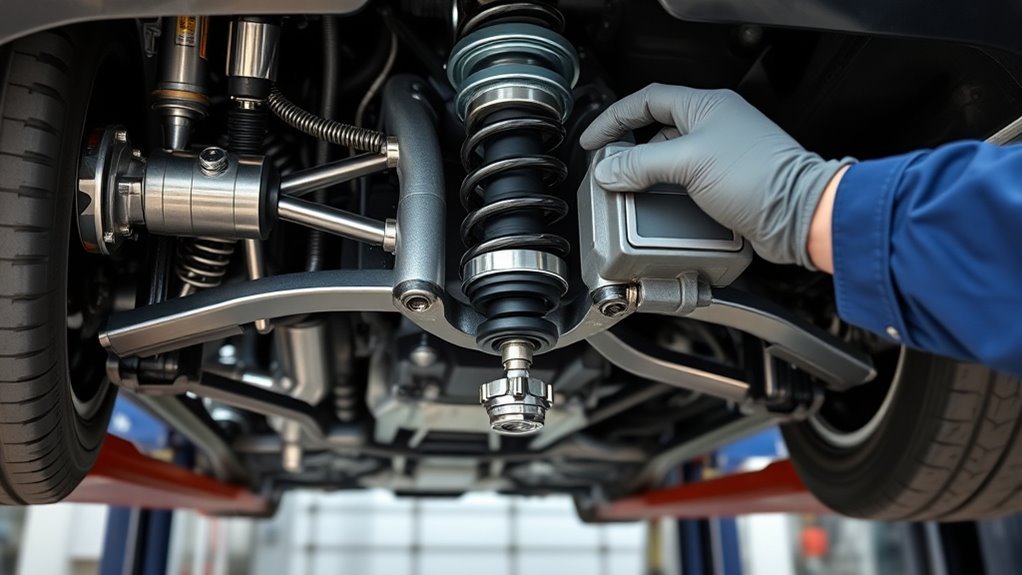
AHC (Active Height Control) gives you a self-leveling, adjustable ride by changing spring volume or fluid flow at each corner via actuators and a control module. You’ll pick Low, Neutral, or High for loading, daily driving, or extra clearance; the system autoretains Neutral above 30 mph and locks changes unless stationary or parked. It improves comfort, towing stability, and off-road clearance but can need costly repairs—keep looking to learn detailed failure modes, costs, and options.
How Active Height Control (AHC) Works
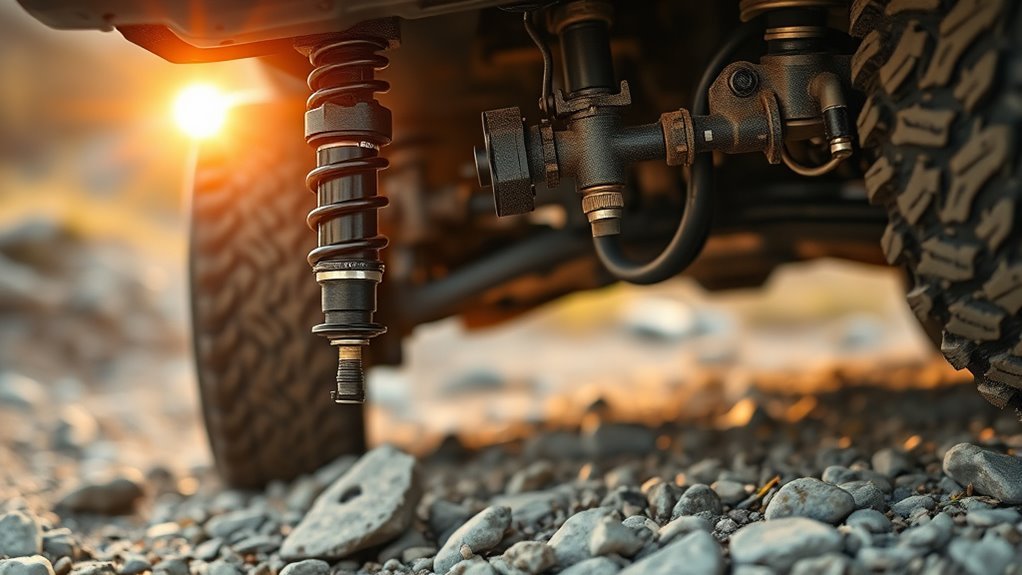
Active Height Control (AHC) adjusts your vehicle’s ride height and damping by commanding hydraulic or air springs to three preset positions—Low for loading, Neutral for normal driving, and High for off‑road—while varying front and rear travel independently (front: +40mm/−50mm; rear: +50mm/−40mm) to suit terrain and load. You’ll command height adjustment mechanics through a control module that routes actuators to alter spring volume or fluid flow, changing geometry and ride rate instantly. AHC sensor function continuously feeds vehicle speed, axle load and pitch/roll data to the controller so it can auto-return to Neutral above 30 mph and adapt for towing or weight shifts to preserve headlight aim. Damping adjustments run concurrently across four calibrated modes, shifting valving to balance comfort and control during cornering. Safety interlocks require Park for any height change and prevent High engagement unless stopped, ensuring predictable operation. You gain liberated control: the system removes manual compromise while keeping responses deterministic and repeatable.
AHC Settings Explained: Low, Neutral, High
Three preset heights—Low, Neutral, and High—let you match ride height to loading, normal driving, or off‑road needs. You select Low Mode when loading or unloading at under 5 mph; front suspension drops 50mm and rear 40mm to lower the cargo sill and speed tasks. Use Neutral Mode as the default for everyday driving; the system reverts automatically above 30 mph to preserve stability and efficiency, delivering steady geometry and predictable handling. Engage High Mode for obstacle clearance, but note adjustments occur only when stationary and vehicle is in park: the front rises 40mm and the rear 50mm to increase underbody separation. The AHC logic prevents High Mode at speed and forces Neutral at highway velocities, balancing freedom to adapt with safety constraints. These discrete settings give you clear Suspension Benefits: controlled access, consistent road manners, and selectable clearance without manual suspension modification—tools that extend your mobility and autonomy.
Real Benefits: Comfort, Towing, and Off-Road Clearance
With AHC engaged you’ll feel noticeably smoother damping that cuts body roll, squat, and nose-dive for a more controlled, comfortable ride. The system also auto-levels under load to keep headlights aligned and improve towing stability. When you switch to high mode you gain measurable ground clearance, letting the vehicle clear obstacles and handle rough terrain more confidently.
Improved Ride Comfort
Because you can switch between Low, Neutral and High ride heights, AHC gives you a tailored balance of comfort, towing stability and off‑road clearance. You’ll notice ride quality approaching luxury standards: the system actively tunes damping to isolate road inputs, smoothing joins and corrugations without inducing float. During cornering AHC limits body roll by stiffening damping selectively, so you retain control and confidence while enjoying compliant suspension elsewhere. Under acceleration or braking it counters squat and nose‑dive, keeping the chassis level and predictable. When towing, automatic self‑leveling maintains attitude and headlight aim, reducing driver workload. The result is liberated mobility: you can traverse varied terrain, haul responsibly and still expect composed, controlled comfort tailored to mission and mood.
Increased Ground Clearance
Ground clearance matters: AHC raises the rear by up to 50 mm and the front by up to 40 mm, letting you clear rocks, ruts and other obstacles without risking undercarriage damage. You gain tangible suspension advantages for off-road traversal and towing; the high setting is calibrated for rugged terrain to prevent chassis strikes while preserving stability. AHC automatically adjusts ride height to match load and conditions, so you retain control and comfort when hauling or traversing uneven ground. You can also select manual modes—customization options that let you prioritize clearance or a lower center of gravity for on-road efficiency. The system maintains headlight alignment under load, improving safety and visibility, and delivers predictable, liberated handling across contexts.
Common Failures and Typical Repair Costs
Although AHC systems offer smooth ride control, they commonly fail in a few predictable areas: accumulators losing charge, rear-shock bushing wear, and hydraulic line leaks—especially on high-mileage, older vehicles. You’ll encounter accumulator failure and hydraulic leak symptoms first: sagging height, slow response, or audible pump cycling. Repairs are technical, time-consuming, and costly.
| Issue | Typical Impact |
|---|---|
| Accumulator failure | Loss of height control, costly replacement |
| Rear-shock bushing wear | Noise, uneven damping |
| Hydraulic leaks | Fluid loss, reduced pressure |
| Full system replacement | Parts + labor often > $5,000 |
Expect extended downtime—three weeks isn’t unusual—while specialists source parts and restore calibrations. Owners often convert to conventional suspension to regain dependability and reduce ongoing expense. If you prize autonomy and low maintenance, factor long-term reliability into your decision; AHC’s complexity can trap you in expensive cycles unless you’re prepared to invest in upkeep or commit to conversion.
Repair or Ditch AHC : When to Keep It
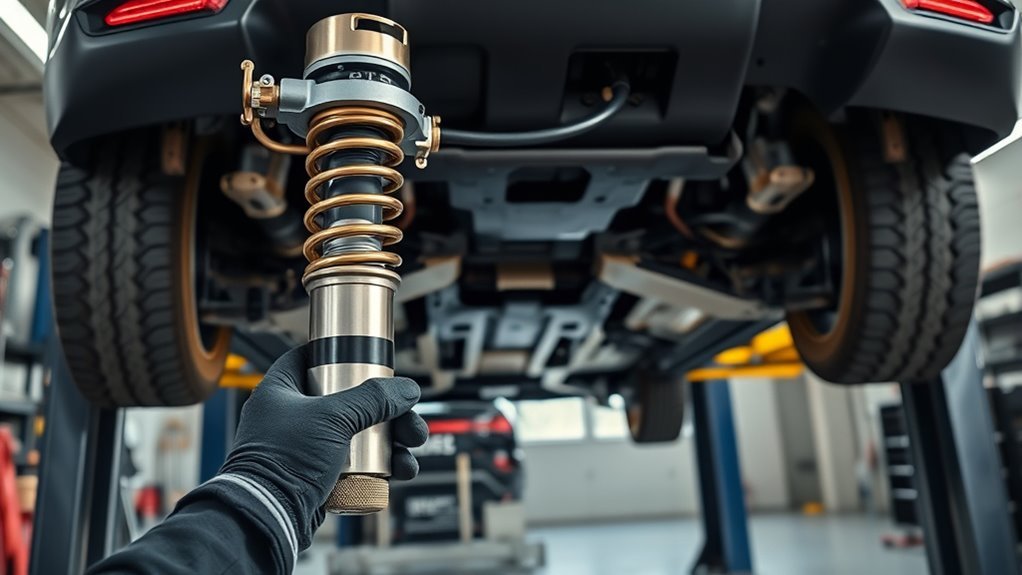
You should compare repair cost versus residual value to decide if sinking thousands into AHC makes financial sense. Assess reliability by inspecting known failure modes—bushings, accumulators, fluid leaks—and estimate ongoing maintenance frequency. If you need robust towing or adjustable ride height, keep AHC; for daily driving where reliability and lower long‑term costs matter, consider converting to a conventional suspension.
Repair Cost Versus Value
When faced with a failing AHC, weigh the repair cost—often exceeding $5,000—against the vehicle’s market value, overall condition, and intended use; if the car has high mileage, limited resale potential, or you need long-term reliability, switching to a conventional suspension or selling as-is may be the more rational choice. Use clear repair considerations and an objective investment analysis to decide. Genuine Toyota parts are expensive; aftermarket options cut cost but introduce uncertainty. Ask whether the car’s utility or sentimental value justifies the expense, or if liberation from recurring maintenance is worth converting.
- Compute net value: market price minus repair estimate.
- Assess use-case: daily driver, collector, or sale.
- Compare costs: OEM repair vs. conversion vs. sell.
Reliability And Failure Modes
If your AHC starts showing stiffness, uneven ride height, or requires frequent manual resets, it’s signaling failure modes that tend to need costly intervention; corrosion in hydraulic lines and accumulators, seal deterioration, and valve or pump wear are common root causes that turn an active system into a rigid, unreliable suspension. You should weigh repair vs. replacement: older AHC units often exceed $5,000 to fix. Use failure prevention strategies: keep fluid clean, inspect for rust, and use genuine Toyota parts. Apply suspension maintenance tips on a schedule to preserve function and freedom from breakdowns. The table below summarizes common faults and quick actions to guide decisive, liberating choices.
| Fault | Quick Action |
|---|---|
| Corroded lines | Replace, protect |
| Blown seals | Rebuild unit |
| Pump wear | Test/replace |
| Valve faults | Clean/replace |
| Frequent resets | Diagnose sensor/hydraulics |
Alternative Suspension Options
Although AHC can deliver a smooth, self-leveling ride, you should weigh repair against replacement based on cost, reliability, and intended use: persistent leaks, frequent resets, or high rebuild estimates usually justify switching to a conventional suspension or a lift kit, while isolated sensor or pump faults may be worth repairing. You’ll evaluate Suspension performance needs, Cost benefits, and long-term reliability. If you crave mechanical simplicity and off-road freedom, a lift or traditional spring/coil conversion reduces failure points and maintenance time. Keep AHC if faults are minor, parts are affordable, and you prize factory ride quality. Otherwise, convert and reclaim control.
- Replace: lift kit for enhanced off-road Suspension performance and lower upkeep.
- Repair: isolated pump/sensor faults for Cost benefits and retained comfort.
- Professional install: guarantees safe setup and reliable operation.
AHC Aftermarket: Lift Kits, Accumulators, and Conversion Kits
Upgrading your AHC-equipped vehicle often means choosing between lift kits, replacement accumulators, or conversion kits, each addressing different goals: increased ground clearance and off-road performance, component replacement, or full conversion to a conventional suspension. You’ll evaluate lift kit options that maintain standard ride height or provide a measured lift for improved approach and departure angles; Milner Off Road offers dedicated ride-height components for the Land Cruiser 100 series designed for durable performance. If you’re troubleshooting, replacement accumulators exist, but accumulator reliability varies—many owners report OEM parts outlasting aftermarket units. Conversion kit benefits include removing the AHC system complexity and installing conventional springs and dampers for predictable, serviceable behavior when liberation from electronic systems matters. You should plan for professional installation: complex hydraulic and electronic interfaces require experienced technicians to calibrate ride height, secure fittings, and verify fail-safes. Choose parts and installers who document torque settings and system diagnostics to preserve safety and off-road capability.
Choosing AHC Parts and a Reliable Installer
A reliable AHC upgrade starts with parts selection and a qualified installer — you’ll want genuine Toyota components where possible because they preserve factory performance and longevity better than many aftermarket alternatives. You’ll prioritize genuine components for accumulators and rear shock bushings, since these are common failure points; Milner Off Road offers targeted kits for the Land Cruiser 100 series if you need standard or lifted options. Opt for professional installation: AHC requires precise bleed procedures, preload settings, and leak testing to perform reliably.
Start with genuine Toyota accumulators and bushings, then use a qualified shop for precise AHC installation and maintenance
- Verify parts: genuine components for accumulators, bushings, and seals to reduce failure risk.
- Choose a shop: certified technicians familiar with AHC calibrations and Land Cruiser-specific kits.
- Maintenance plan: scheduled inspections for leaks, wear, and accumulator health; replace at first sign of degradation.
You’ll gain freedom from uncertainty by combining factory-grade parts with expert professional installation and disciplined maintenance.
Frequently Asked Questions
Is Adaptive Air Ride Suspension Worth It?
Yes — you’ll get superior ride quality and tangible cost benefits if you need adjustable clearance, towing or off-road capability; you’ll embrace freedom from compromises, but must accept higher maintenance risk and upfront expense.
What Are the First Signs of AHC?
A flickering horizon: you’ll spot AHC symptoms like erratic ride height, harsh or floaty handling, warning lights, clicking or hissing noises, and failed height changes; you’ll begin AHC troubleshooting by checking fluid, leaks, and components.
What Is the Function of AHC?
You control adaptive height to optimize ride and stability; AHC actively adjusts suspension benefits—ride height, damping, roll and pitch—so you stay liberated to drive confidently across loading, towing, normal, and off-road conditions.
What Is the AHC System in Lexus?
Like a ship trimming sails, the AHC system in Lexus technology actively raises or lowers ride height for stability and comfort. You’ll gain AHC benefits: reduced roll, level towing, and adaptable clearance for liberated driving control.
Conclusion
You’ve seen how AHC adjusts ride height for comfort, towing, and clearance, and what failures or upgrades mean for ownership. Like a finely tuned instrument, it balances performance and convenience—but it also adds cost and complexity. Weigh repair expenses, part quality, and installer expertise against your driving needs before committing. If reliability and simplicity matter more than adaptive tuning, ditching AHC or converting to proven aftermarket solutions can be the smarter, more predictable choice.