Understanding brake rotor thickness is essential for your RAV4’s safety and performance. Each rotor has a minimum thickness—22.0 mm for the φ275 disc. When rotors wear down, you might notice issues like brake pedal pulsing, increased stopping distances, or unusual noises. Regular checks every 10,000 miles can prevent costly repairs and guarantee efficient braking. Don’t wait until it’s too late; there’s plenty more to uncover about maintaining your brakes effectively.
Why You Should Care About Brake Rotor Thickness?
Why should you care about brake rotor thickness? It’s essential for your vehicle’s brake performance and overall safety. Each rotor has a specified minimum thickness—like a standard φ275 disc with a minimum of 22.0 mm. If your rotors dip below this threshold, you risk brake failure and longer stopping distances. Regularly checking rotor thickness every 10,000 miles or during brake pad replacement is important. Thinner rotors face heat-related issues like warping or cracking, which can severely impact your vehicle’s stopping power. Ignoring these checks can lead to cascading failures throughout the braking system, jeopardizing your safety and that of your passengers. By staying informed and proactive, you empower yourself to maintain your brakes, ensuring your RAV4 performs safely and efficiently.
Signs Your RAV4 Needs New Brake Rotors
How can you tell if your RAV4’s brake rotors are nearing the end of their lifespan? Look out for these key signs:
| Sign | Description |
|---|---|
| Brake Pedal Pulsing | A pulsing sensation indicates rotor wear or warping. |
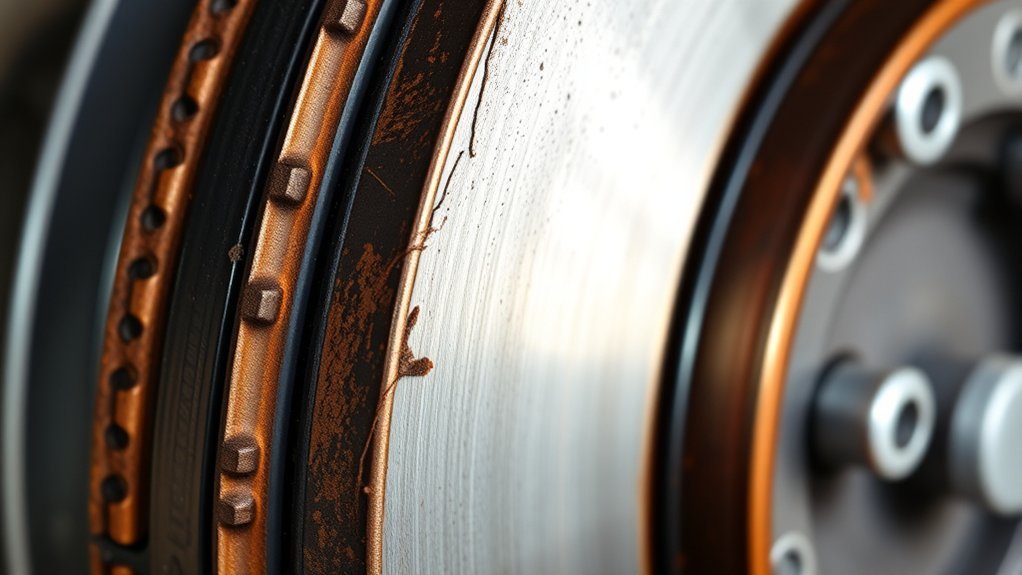
| Visible Damage | Grooves, scratches, or uneven wear require rotor surface inspection. |
| Increased Stopping Distance | Longer stopping distances signal worn rotors. |
| Squeaking or Grinding | Unusual noises often mean rotors are deteriorating. |
If you experience any of these symptoms, it’s essential to have your rotors checked. Regular rotor surface inspection and measuring thickness can prevent unsafe driving conditions. Addressing these issues promptly guarantees your vehicle’s braking performance remains reliable and safe. Don’t wait until it’s too late—stay in control of your RAV4!
How to Measure Rotor Thickness Accurately?
When you notice signs that your RAV4’s brake rotors may be wearing down, measuring their thickness becomes an important step in evaluating their condition. To do this accurately, use a micrometer calibrated for precision. Focus on the thinnest point of the rotor for your readings. Here’s how to get it right:
- Inspect both sides of the rotor and its veins for uneven wear or damage.
- Measure regularly, ideally every 10,000 miles or whenever you replace brake pads.
- Remember, standard thickness for a φ275 disc rotor is 25.0 mm (0.984 in.), with a minimum of 22.0 mm (0.866 in.). If your measurements fall below this, it’s time for immediate replacement to avoid brake failure.
Employing correct measurement techniques guarantees safety and longevity for your braking system. Stay proactive, and keep your RAV4’s brakes in top shape!
The Consequences of Ignoring Worn Rotors
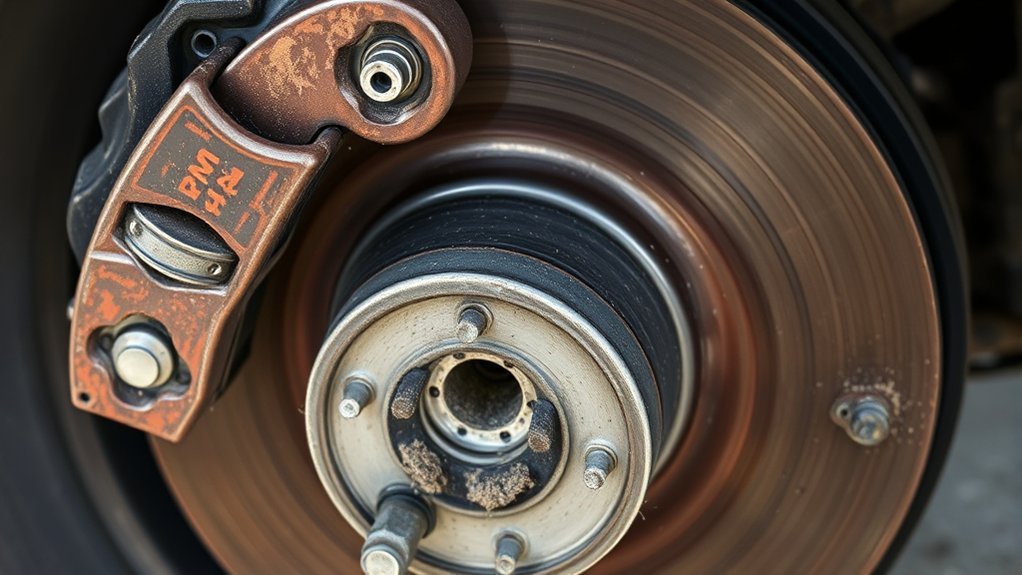
Ignoring worn rotors can seriously compromise your RAV4’s braking performance, making it crucial to address any signs of wear promptly. Letting rotor wear go unchecked decreases your braking efficiency, leading to longer stopping distances and a heightened risk of accidents. When rotors fall below the minimum thickness, they can crack or warp, jeopardizing rotor integrity and impacting the entire braking system.
Failing to replace worn rotors can also damage other components like brake pads and calipers, resulting in costly repairs down the road. If you hear grinding noises or feel a pulsating brake pedal, those are clear signs of severe rotor wear that require immediate inspection. Regularly monitoring rotor thickness not only enhances your safety but also prevents cascading failures within the braking system, ensuring your RAV4 operates at peak performance. Don’t overlook rotor maintenance—it’s essential for your vehicle’s reliability and your peace of mind.
Brake System Maintenance Tips for Your RAV4
To keep your RAV4’s brake system performing at its best, regular maintenance is essential. Adhering to a consistent maintenance frequency not only enhances safety but also prolongs the life of your brakes. Here are some key tips to keep in mind:
Regular maintenance of your RAV4’s brake system is crucial for safety and longevity.
- Check rotor thickness: Use a micrometer to verify your rotors are above the minimum specification of 22.0 mm.
- Inspect regularly: Review your brake system every 10,000 miles or when replacing brake pad types to catch issues like uneven wear.
- Look for wear signs: Pay attention to squeaking noises or visible grooves on the rotors, indicating that replacement is necessary.
Frequently Asked Questions
What Is the Minimum Rotor Thickness for a Toyota RAV4?
The minimum rotor thickness for your Toyota RAV4 is 22.0 mm. Regular rotor maintenance guarantees peak brake performance; if thickness falls below this, replace them immediately to maintain safety and efficiency.
What Is the Acceptable Thickness of Brake Rotors?
The acceptable thickness for brake rotors is 25 mm. Regular rotor maintenance tips, like checking every 10,000 miles, enhance brake performance factors, ensuring your safety and driving experience remain exceptional and liberating.
How Much Wear Is Acceptable on Rotors?
You should replace rotors if they wear down to 1.5 mm above the minimum thickness. Regular rotor maintenance, alongside checking brake pads, guarantees peak performance and safety while driving, preventing potential braking issues.
Conclusion
In summary, keeping an eye on your RAV4’s brake rotor thickness is essential for your safety and driving experience. Ignoring worn rotors can lead to costly repairs and compromised performance. So, why risk it when regular maintenance can save you time and money? By measuring rotor thickness and addressing issues promptly, you’ll guarantee a smooth and safe ride. Stay proactive, and your brakes will thank you with reliable stopping power for years to come.