If your RAV4’s TPMS light is flashing, check all four tires and the spare with a reliable gauge—flash means a sensor fault, not just low pressure. Inflate any low tires to the placard PSI and watch for leaks. If pressures are correct and the light keeps flashing, scan sensors with a TPMS tool; non‑responsive or low‑voltage sensors need replacement or repair. After swapping sensors, perform a relearn or drive to auto‑recalibrate; more troubleshooting and step‑by‑step fixes follow.
What a Flashing TPMS Light on a RAV4 Means
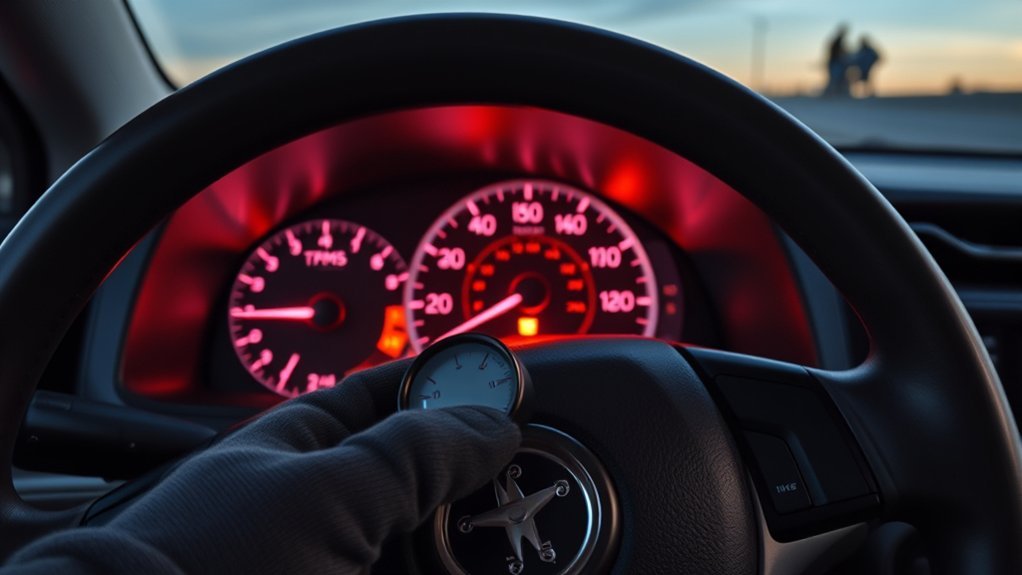
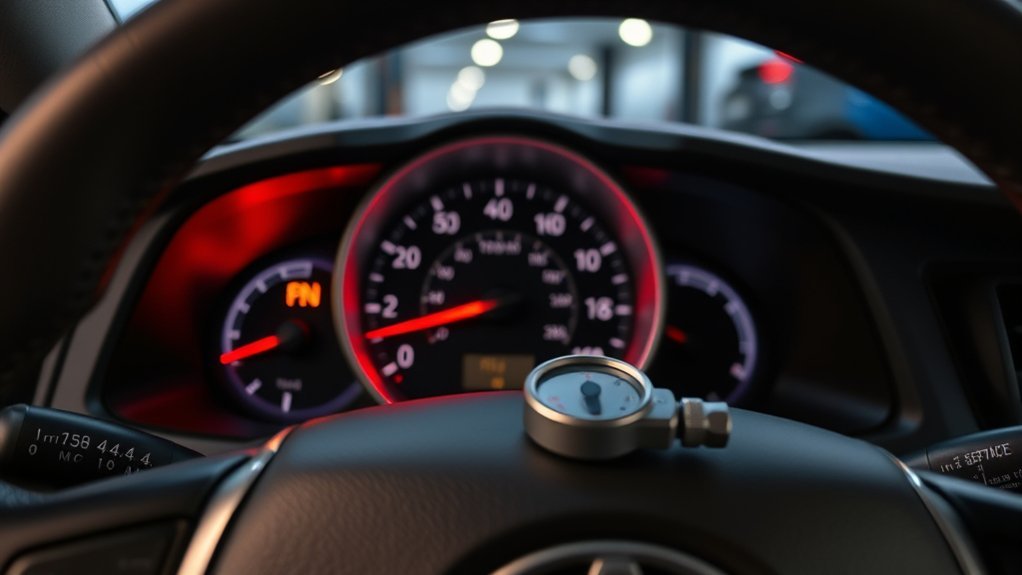
When your RAV4’s TPMS light flashes, it’s signaling a faulty tire pressure sensor that needs inspection or replacement; you should check all tire pressures (including the spare) immediately, because a dead sensor can mask low-pressure warnings. You’ll note the flash may stop after a restart, but don’t assume the issue’s resolved — monitor the indicator and run diagnostics if it returns. Inspect sensor lifespan: most TPMS modules fail after 6–10 years, so prioritize replacement on older vehicles to restore reliable warning indicators. Procedurally, document the flashing pattern, record tire pressures, and clear/reset the system per factory procedure only after ensuring pressures are correct. If the TPMS stays illuminated post-adjustment, proceed to targeted diagnostics for sensor faults or valve-core leaks using a scan tool or shop service. You’re reclaiming control: act methodically, replace aged sensors, and verify that the system again provides trustworthy, liberating alerts.
Quick Checks: Tires, Spare, and Pressure Gauge
Start by checking the pressure in all four tires and the spare against the cold PSI values on the driver’s door placard (e.g., 36 PSI for many RAV4s). Use a reliable gauge to confirm each reading and note any under- or over-inflation. Inflate low tires to the specified pressure, monitor for leaks overnight, then reset the TPWS and drive 5–10 minutes to verify the warning light clears.
Check All Tires
Because low pressure in any tire — including the spare — can trigger a flashing TPMS light, check the air pressure in all four tires and the spare with a reliable gauge and compare each reading to the cold pressure listed on the driver’s door placard. Use a calibrated gauge, record each psi, and immediately inflate any under-inflated tire to spec. Note whether the spare has a sensor; its absence can affect system status. After inflation, drive 5–10 minutes to let the TPMS update. Log pressures and schedule tire rotation and seasonal checks to maintain balanced wear and consistent sensor readings. If a tire won’t hold pressure or the light persists after driving, pursue sensor diagnosis or professional service.
Verify Spare Pressure
Check the spare’s pressure with the same calibrated gauge you use on the four road tires, since the spare often lacks a TPMS sensor and can sit underinflated without warning. Locate the cold pressure values on the driver’s door placard (typically ~60 psi for the spare). Perform a pressure check regularly and after any long storage period. Inflate to spec with a reliable compressor; low spare pressure can prevent safe use and won’t trigger TPMS warnings. Record values to track degradation and free yourself from roadside vulnerability. If your spare is a factory alloy, monitor more frequently. Re-check after inflation; the TPMS light may reset once all tires read within specified ranges.
| Item | Target psi | Action |
|---|---|---|
| Front/Rear | 36 | Verify |
| Spare | 60 | Inflate |
Reset the Flashing TPMS Light on a RAV4
Confirm all four tires and the spare are inflated to the pressures listed on the driver’s door placard, then drive the RAV4 for 5–10 minutes to let the TPMS auto-recalibrate—this often clears a flashing TPMS light. If it doesn’t, use TPMS recalibration methods in sequence: recheck pressures, then access the vehicle settings menu, navigate to Tire Pressure Warning System (TPWS), and press and hold “OK” to initiate a manual reset. After holding “OK,” wait for confirmation on the dash; if nothing changes, cycle the ignition off and on and retry. Persistent flashing signals deeper trouble—inspect wheel sensors and wiring. Keep sensor lifespan considerations in mind: TPMS sensors commonly fail after 6–10 years due to battery depletion or corrosion, and replacement may be necessary to restore system function. Consult the RAV4 owner’s manual for model-specific reset nuances and follow safety practices. If uncertainty remains, get professional diagnostics to reclaim control and mobility.
Low Pressure vs. Faulty Sensor: How to Tell
Check the air pressure in all four tires and the spare; a solid TPMS light that clears after inflation indicates low pressure. If pressures are correct and the TPMS light stays on or flashes after you drive 5–10 minutes, suspect a faulty sensor. Consult the owner’s manual for model-specific TPMS behavior and next-step diagnostics.
Low Pressure Signs
When your RAV4’s TPMS light comes on, start by distinguishing low tire pressure from a faulty sensor: visually inspect each tire and measure pressure with a gauge, then inflate any underinflated tires to the PSI listed on the driver’s door placard. For low pressure signs, follow a tight, procedural checklist: confirm each tire meets spec, note any sidewall damage or bulges, and listen for hissing that indicates a slow leak. Use consistent pressure monitoring as part of routine tire maintenance to prevent sudden traction loss and conserve fuel. After inflating, reset TPMS if needed, then drive 5–10 minutes to allow recalibration. If the light persists despite correct pressures, suspect a mechanical issue or persistent leak and seek professional service.
Faulty Sensor Clues
After you’ve ruled out low pressure by inflating the tires to the placard PSI and driving briefly, look for signs the TPMS light is sensor-related: a flashing TPMS icon generally means a sensor fault while a steady light points to low pressure. Check pressures on all wheels and the spare, then observe the light after adjustments. Note sensor lifespan: most fail around 6–10 years, occasionally up to 11, so age guides suspicion. Use diagnostic tools—TPMS scanners or a dealer tool—to read sensor IDs and battery status; a missing ID or low battery confirms a faulty sensor. As a temporary measure you can fit a resistor mod for winter tires, but plan sensor replacement to restore legitimate monitoring and reclaim control.
Diagnose a Bad TPMS Sensor (Tools & Codes)
Although a flashing TPMS light often signals a sensor fault rather than low pressure, you’ll need a TPMS scanner and the sensor age/data to confirm which unit is bad. Use sensor diagnostics and code interpretation to isolate the failure: scan each wheel, note sensor IDs, battery voltage where available, and any error codes showing no response or low battery.
- Use a TPMS scanner at each valve to read sensor codes and age; non‑responses or old sensors (6–11 years) point to replacement.
- Interpret codes: no signal = dead battery/wiring; low voltage = imminent failure; corrupted ID = intermittent fault. Log codes for each wheel.
- If a sensor won’t respond, inspect battery/connector and retest. After replacing, perform the relearn procedure or drive as specified so the vehicle recognizes the new sensor.
Follow this procedural approach to regain control and freedom from unpredictable alerts.
Fix Options & Costs: OEM, Aftermarket, or Resistor Mod
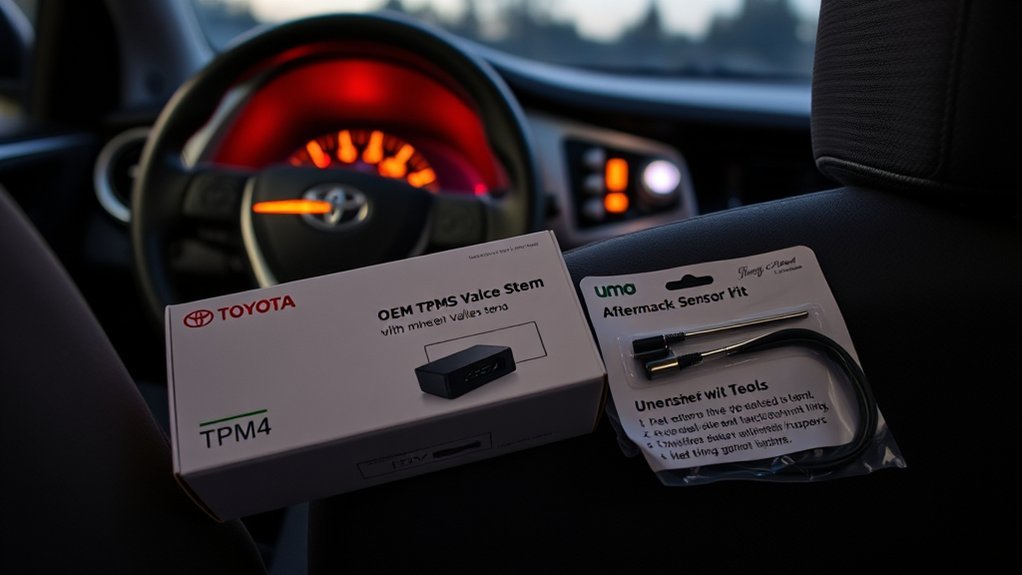
Having identified the faulty sensor(s) with your TPMS scanner, you now have three practical repair paths: OEM replacement, aftermarket sensors, or a resistor mod work-around. Choose OEM sensors for reliability and factory compatibility; expect dealer replacement to exceed $400 depending on service. Budget accordingly and schedule replacement around tire changes since sensors last 6–10 years.
Consider Aftermarket options to lower upfront cost; verify compatibility issues before purchase and cross-check protocols (frequency, IDs). Use community threads to confirm vendor reliability. Installation tips: verify correct valve stem torque, sensor programming, and leak checks.
Use Resistor modification as a temporary, low-cost workaround—common with winter tires—but accept it isn’t permanent or always street-legal. Cost considerations include parts, programming labor, and potential rework if incompatibility arises. Act decisively: pick the path that frees you from recurring alerts while meeting legal and safety constraints.
Sensor Replacement & Relearn (Step‑by‑Step for RAV4)
When you replace TPMS sensors on a 2007 RAV4, install OEM units matched to your wheel type (20° for alloys, 40° for steel). Choose OEM for reliability; sensor lifespan is typically 6–10 years and replacement during tire service is sensible. Verify compatibility before buying.
- Remove wheel, deflate tire, and dismount. Replace valve/sensor assembly; follow installation tips—torque nut to spec, replace valve core and cap, seat bead properly.
- Reinstall wheel, torque lug nuts, and repeat for all wheels. If you prefer Techstream, connect and register each sensor; older laptops often avoid Windows 10 compatibility issues.
- Relearn: inflate tires, drive 5–10 minutes at moderate speed to force ECU learn. Confirm TPMS indicator extinguishes. If light persists, recheck sensor IDs in Techstream or inspect for damaged stems.
Weigh resistor mod cost vs full replacement; liberty comes from choosing durable, serviceable OEM solutions.
Preventive Maintenance to Avoid Future TPMS Problems
To avoid unexpected TPMS warnings and extend sensor life, check tire pressures (including the spare) at least monthly and top off to the values listed on the driver’s door placard; also schedule annual TPMS inspections and replace sensors every 6–10 years—ideally during tire service—using OEM/Denso units to guarantee compatibility and reduce failure risk. You’ll follow a simple preventive routine: monthly pressure monitoring, documented tire rotation at recommended intervals, and sensor age tracking. During tire service, insist on OEM/Denso replacements when sensors hit the 6–10 year window. Annual TPMS inspections should include sensor battery check, valve integrity, and relearn verification per the manual. Keep concise records so you can act before the system forces you.
| Item | Action |
|---|---|
| Monthly | Pressure monitoring (all tires + spare) |
| Every service | Tire rotation; visual sensor check |
| Annual | Full TPMS inspection |
| 6–10 years | Replace sensors with OEM/Denso |
Frequently Asked Questions
How Do You Fix a Blinking TPMS Light?
You fix a blinking TPMS light by checking tire pressure, inflating all tires and spare, then resetting the TPMS; if blinking persists, troubleshoot a sensor malfunction, replace faulty sensors, and drive to confirm system recalibration.
Can I Fix a TPMS Error Myself?
You can — don’t beat around the bush — fix many TPMS errors yourself: perform tire maintenance, inflate all tires to spec, attempt a TPMS reset via settings, and replace or reprogram sensors if problems persist.
Is It Safe to Drive With the TPMS Light Blinking?
No, you shouldn’t drive with a blinking TPMS light; it means the TPMS function may be faulty. Check tire pressure immediately, inspect all tires including spare, and get sensors professionally diagnosed to avoid safety risks.
Conclusion
Think of the TPMS light as a lighthouse: flashing means it’s signaling trouble, not just background glow. You’ll check tire pressures, spare, and gauge, then reset or run diagnostics to isolate a low-pressure event versus a faulty sensor. Replace or reprogram sensors, apply recommended costs and procedures, and relearn the system per RAV4 steps. Treat maintenance like tuning a compass so the light stays steady and guides, not panics, you.