The Hyundai Sonata Turbo features a 2.0L inline-four engine with a Mitsubishi TD04 turbocharger, offering between 210 to 264 PS and impressive torque of 30.5 kg⋅m. While it excels in performance and fuel efficiency, clocking up to 30 MPG on highways, some reliability issues have been reported, like engine knock and premature bearing wear. If you’re curious about its performance compared to competitors or want to learn more about its driving dynamics, stick around!
Understanding the Hyundai Sonata Turbo Engine Specifications
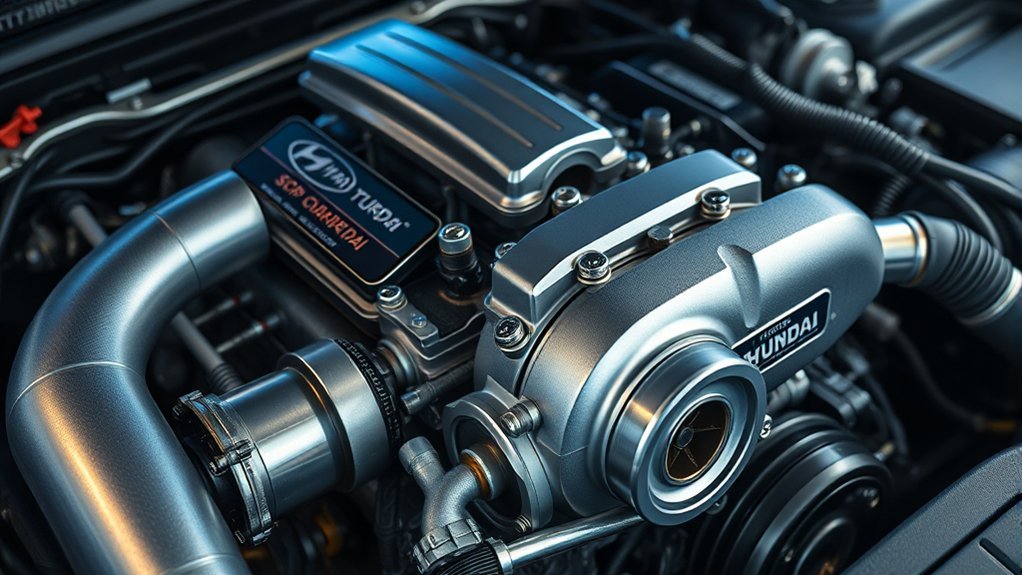
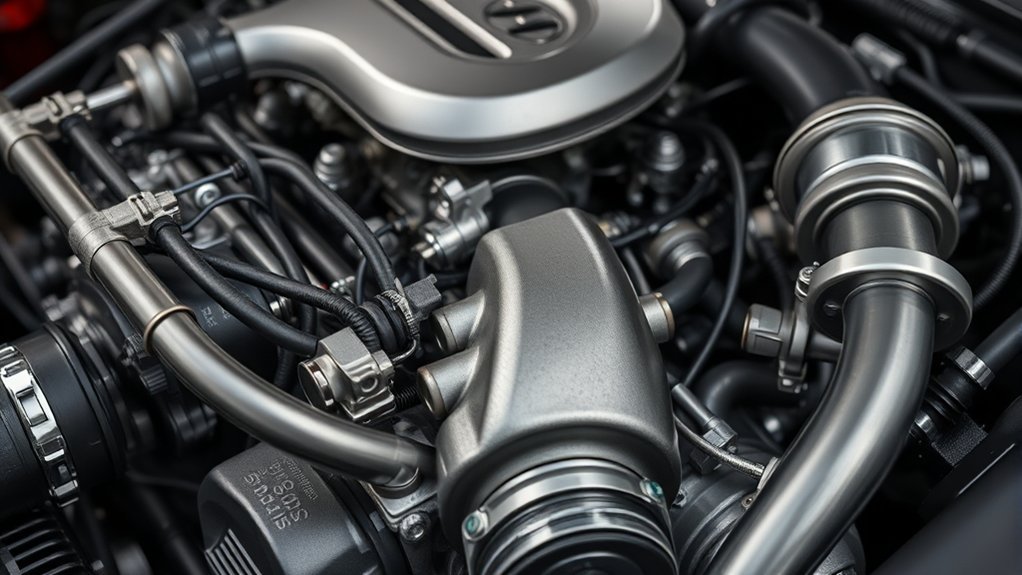
When you’re diving into the specifications of the Hyundai Sonata Turbo engine, you’ll quickly appreciate its impressive engineering. This 2.0L inline-four configuration, paired with a Mitsubishi TD04 turbocharger, delivers between 210 and 264 PS, depending on the tuning. With a compression ratio of 9.5:1, it optimizes performance and efficiency across various driving conditions. The engine’s torque figures reach up to 30.5 kg⋅m, enhancing acceleration and mid-range responsiveness, which is particularly thrilling during spirited drives.
Additionally, the Sonata Turbo boasts an 8-speed dual-clutch transmission (DCT), ensuring smooth gear shifts that elevate your driving experience. If you’re considering performance upgrades, this engine’s robust design allows for effective engine tuning, enabling you to tailor its capabilities to match your driving style. Plus, with fuel efficiency reaching up to 30 MPG on the highway, it offers a liberating blend of performance and practicality.
How Does the Sonata Turbo Compare to Other Engines?
How does the Sonata Turbo stack up against its competitors? While it boasts turbo advantages like superior mid-range acceleration and better fuel efficiency—up to 30 MPG on highways—compared to the 2.4L engine’s 24 MPG, it’s important to evaluate the engine complexity. The Sonata Turbo’s 2.0 Turbo engine produces 210–264 PS and 30.5 kg⋅m of torque, outperforming the 2.4L engine. However, when it comes to 0-60 mph times, it falls behind competitors like the Honda Accord 2.0T, taking about 1.25 to 1.5 seconds longer.
| Feature | Sonata Turbo |
|---|---|
| Torque | 30.5 kg⋅m |
| 0-60 mph Time | Slower by 1.25-1.5s |
| Highway MPG | Up to 30 MPG |
Comparing Sonata Turbo Performance With Competitors
Though the Hyundai Sonata Turbo impresses with its powerful 2.0 Turbo engine and fuel efficiency, it faces tough competition from rivals like the Honda Accord and Toyota Camry. With 210–264 PS and 30.5 kg⋅m of torque, the Sonata’s turbo performance metrics are solid, yet it falls short in acceleration benchmarks. Clocking in at approximately 5.7 seconds for 0-60 MPH, it lags behind the quicker turbocharged options from Honda and Toyota.
However, the Sonata shines in fuel efficiency, averaging up to 30 MPG on highway trips, giving it an edge over the Accord 2.0T. When it comes to driving dynamics, the sport-tuned steering and adaptive suspension deliver a responsive experience that competes well with performance-oriented setups. While it offers real passing power, the Sonata may not match the mid-range acceleration that others excel in, especially in the 60-80 MPH range.
Identifying Common Reliability Issues in the Sonata Turbo
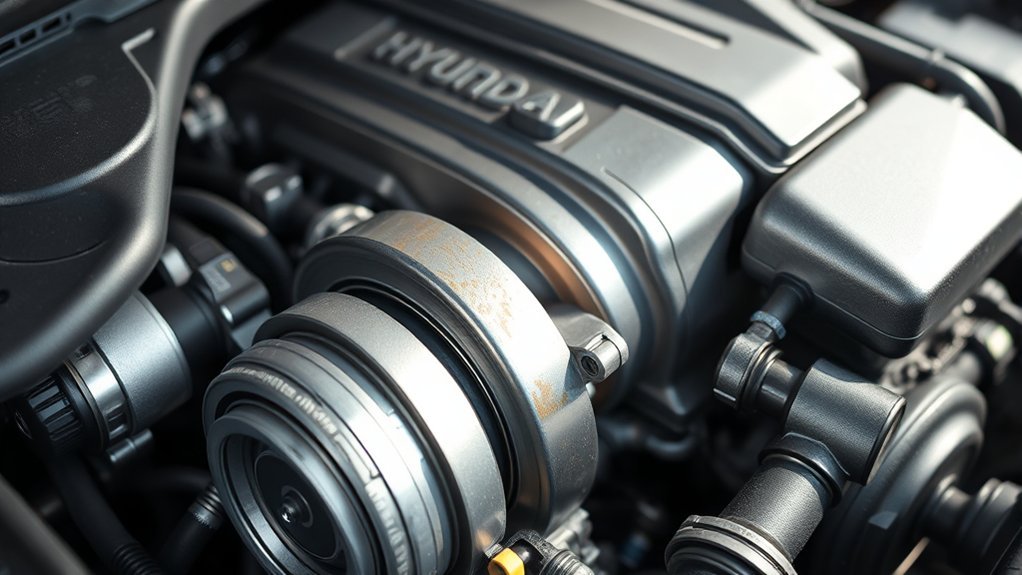
While the Hyundai Sonata Turbo offers impressive performance metrics, it’s important to address some reliability issues that have surfaced over the years. Owners have reported concerns like engine knock and power loss, particularly related to the gasoline direct injection systems. Premature bearing wear has also been a significant issue, leading to recalls affecting over 1 million vehicles in 2015 and 2017 due to potential engine seizing.
Additionally, many drivers experience DCT shuddering in newer models, which can detract from the overall driving experience. To combat these reliability concerns, regular maintenance is essential. Timely oil changes and software updates can help mitigate these issues. Fortunately, the Sonata Turbo comes with extended warranty coverage, such as a 10-year/100,000-mile powertrain warranty, providing peace of mind. By staying informed of owner experiences and following maintenance tips, you can enhance your Sonata Turbo’s longevity and performance.
Fuel Economy: What’s the Sonata Turbo’s Mileage?
When considering the Hyundai Sonata Turbo’s fuel economy, you’ll likely find it impressive, especially for a vehicle with such a powerful engine. The 2.0 Turbo variant stands out with fuel efficiency trends that cater to both highway and city driving.
| Driving Condition | MPG Range |
|---|---|
| City | 19 – 23 MPG |
| Highway | 29 – 32 MPG |
| Mixed Driving | 24 – 26 MPG |
| Turbo vs. Non-Turbo | 30 MPG vs. 24 MPG |
This turbocharged engine utilizes gasoline direct injection (GDI) technology, boosting both performance and efficiency. However, your driving style considerably impacts mileage; a more conservative approach can lead to better outcomes. Overall, you can expect a balance of power and fuel savings, making the Sonata Turbo a compelling choice for the modern driver seeking liberation on the road.
Frequently Asked Questions
What Is the Downside of a Turbo Engine?
Turbo engines can lead to turbo lag, affecting your acceleration, and often come with higher maintenance costs due to their complexity. You might find yourself facing reliability issues as well, which could impact your driving experience.
Is the Hyundai 1.6 Turbo a Good Engine?
Yes, the Hyundai 1.6 Turbo engine offers solid performance and reliability. While it may lag in power compared to larger turbos, its efficiency and handling make it a great choice for daily driving and highway cruising.
Is a 4 Cylinder Turbo Better Than a V6?
“You can’t judge a book by its cover.” A four-cylinder turbo often outperforms a V6 in engine performance and fuel efficiency, delivering quicker acceleration and better MPG. It’s a smart choice for spirited driving.
Which Hyundai Engine to Stay Away From?
You should stay away from the Theta II Turbo engine due to reliability concerns. While it offers impressive performance, its complexity often leads to costly repairs, making the simpler 2.4L engine a more dependable choice.
Conclusion
To sum up, the Hyundai Sonata Turbo engine offers a compelling blend of power and efficiency that stands out in its class. While some might worry about reliability, many owners report satisfaction and minimal issues over time. With its impressive fuel economy and smooth performance, the Sonata Turbo is designed to meet your driving needs without compromising on excitement. So, if you’re seeking a reliable yet spirited ride, the Sonata Turbo is definitely worth considering.