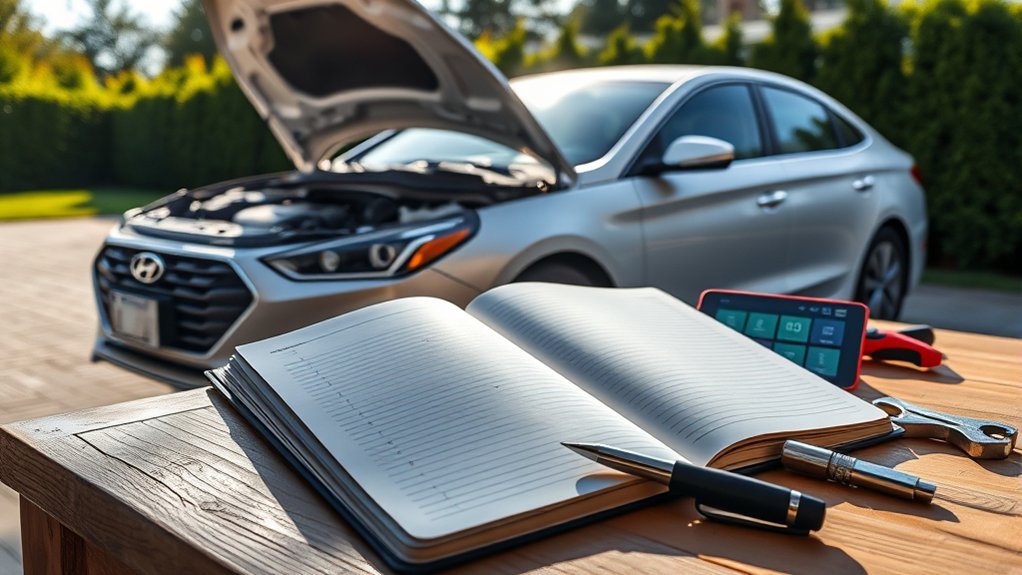
The Hyundai Sonata’s auto defogging system helps keep the inside of the windshield clear by sensing moisture and adjusting the climate system automatically. When it detects a high humidity level, it can turn on air conditioning, switch to outside fresh air, select the defrost vents, and raise blower speed so the windshield clears faster.
Quick Answer
The Hyundai Sonata auto defogging system works by sensing moisture on the inside of the windshield. If fog is likely, it automatically uses air conditioning, outside fresh air, the defrost vent position, and high blower speed to reduce windshield fogging. You can usually turn it on or off by holding the front defroster button for 3 seconds.
Key Takeaways
- Auto defogging is designed to reduce fog on the inside of the windshield, not to remove heavy ice or snow from the outside glass.
- For best results, keep air conditioning available and avoid selecting recirculated air while the system is operating.
- The system may not work normally when the outside temperature is below 14 °F (-10 °C).
- Do not remove or damage the windshield sensor cover; it can affect system performance and may not be covered by warranty.
At a Glance
| Time Required | About 1 minute to turn on, off, or check settings |
| Difficulty | Easy |
| Tools Needed | None |
| Cost | Free, unless diagnosis or sensor repair is needed |
Step-by-Step Guide to Operating the Auto Defogging System
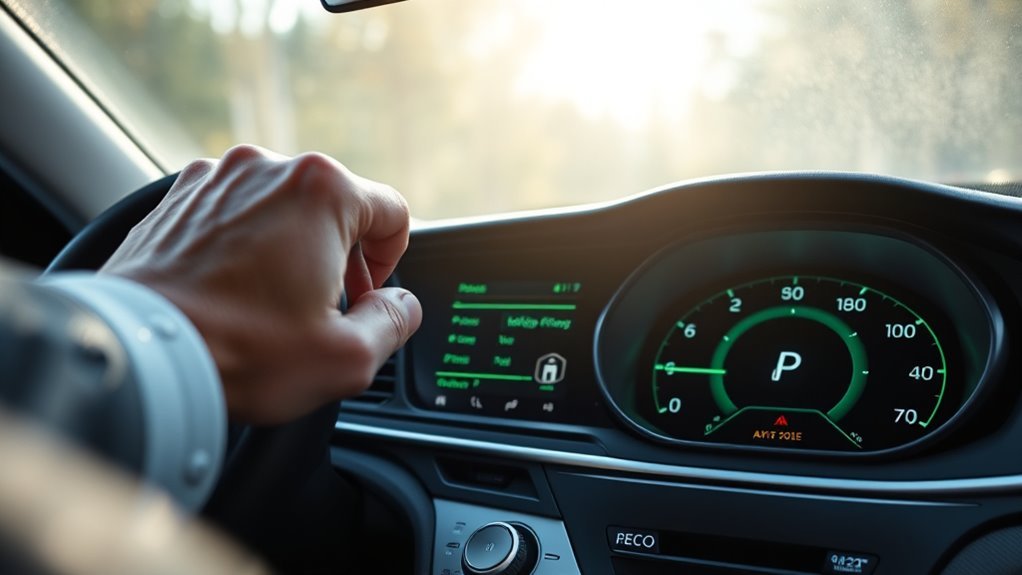
To use the Hyundai Sonata auto defogging system, first make sure the vehicle is in the ON position. Then press and hold the front windshield defroster button for 3 seconds. On many Hyundai models, the system confirms the change with a blinking indicator or an “ADS OFF” message on the climate display when the feature is disabled.
- Press the Engine Start/Stop button to the ON position.
- Press and hold the front windshield defroster button for 3 seconds.
- Watch the climate display or indicator light for confirmation.
- Leave air conditioning available and keep outside fresh air mode selected for the best defogging performance.
You may also be able to control the feature through the infotainment screen. Depending on model year and market, the menu path may appear as Setup or Settings > Vehicle > Climate > Defog/Defrost Options > Auto Defog. Hyundai’s owner information notes that exact menu wording can vary by vehicle and region, so check your Sonata owner’s manual if the screen labels are different.
Note: Auto defogging is usually available only on vehicles equipped with the required automatic climate-control and windshield humidity-sensing hardware. If your Sonata does not show an Auto Defog option, your trim may not include it.
How the Auto Defogging System Detects Moisture
The Auto Defogging System uses a moisture sensor near the inside of the windshield to monitor humidity. When the sensor detects enough moisture to increase the chance of fogging, the system automatically adjusts climate settings to help dry the air and clear the glass.
Sensor Functionality Explained
The sensor watches for moisture buildup on the inside of the windshield. When humidity rises, the system can turn on the air conditioning, switch to outside fresh air, select the defrost vent position, and set the fan or blower speed to the highest level. This helps move drier air across the glass and reduces the chance of fog blocking your view.
Moisture Detection Process
When the system detects a high amount of humidity, it responds in stages. First, it turns on air conditioning and selects outside fresh air. Next, it directs airflow to the defrost level. Finally, it raises blower speed for faster moisture removal. According to Hyundai owner information, the system operates when the heater or air conditioning is on and may not operate normally below 14 °F (-10 °C).
Environmental Impact Factors
Fogging is more likely when the cabin is humid and the windshield is cooler than the air inside the car. Wet clothing, snow on floor mats, damp umbrellas, passengers breathing in a closed cabin, and recirculated air can all raise interior humidity. The auto defogging system helps by bringing in fresh air and using air conditioning to reduce moisture.
| Condition | How It Affects Defogging | Best Response |
|---|---|---|
| High cabin humidity | Makes inside windshield fog more likely | Use A/C and outside fresh air |
| Recirculated air | Can trap moist air inside the cabin | Switch to outside fresh air |
| Very cold weather | Auto defogging may not operate normally below 14 °F (-10 °C) | Use manual defrost controls if needed |
What Happens When Auto Defogging Turns On
When auto defogging activates, you may notice the climate system changing settings on its own. This is normal. The system may increase blower speed, direct airflow toward the windshield, turn on air conditioning, and select outside fresh air.
- Air conditioning turns on: A/C helps remove moisture from the cabin air.
- Outside fresh air is selected: Fresh air helps reduce trapped humidity inside the vehicle.
- Defrost airflow is selected: Air is directed toward the windshield for faster clearing.
- Blower speed increases: More airflow helps remove condensation from the glass sooner.
Pro Tip: Keep the inside of the windshield clean. A film of dust, smoke residue, or cleaner overspray gives moisture more surface area to cling to, which can make fogging appear faster and clear more slowly.
Auto Defogging vs. Manual Defrost
Auto defogging and manual defrost are related, but they are not the same feature. Auto defogging helps prevent or reduce fog on the inside of the windshield by reacting to humidity. Manual defrost is what you use when you need direct control, especially for heavy fog, frost, ice, or snow.
| Feature | Best For | Driver Control |
|---|---|---|
| Auto Defogging | Reducing interior windshield fog automatically | Limited while active |
| Manual Front Defrost | Quickly clearing fog, frost, or ice when visibility is poor | Full control over temperature, fan speed, and airflow |
| Rear Defroster | Clearing the rear window | Separate button and timer-based operation on many vehicles |
Troubleshooting Common Defogging Issues
If your Sonata’s windshield keeps fogging even with auto defogging available, check the basic climate settings first. Most issues come from recirculated air, A/C being unavailable, dirty glass, blocked vents, very cold weather, or excess moisture inside the cabin.
- Confirm the system is on: Press and hold the front windshield defroster button for 3 seconds with the vehicle in the ON position. If “ADS OFF” appears, the feature has been turned off.
- Check air conditioning: Auto defogging depends on A/C or heating operation. If A/C is switched off or unavailable, the system may not clear humidity as well.
- Use outside fresh air: Recirculated air can trap moisture and may cancel or interrupt automatic defogging operation.
- Look for blocked vents: Papers, dashboard covers, or accessories near the windshield vents can reduce airflow.
- Clean the inside glass: A dirty windshield fogs more easily and may look hazy even after the system is working.
- Dry the cabin: Remove wet floor mats, towels, umbrellas, and snow buildup that can keep humidity high.
- Consider temperature limits: The system may not operate normally below 14 °F (-10 °C), so manual defrost may be needed in severe cold.
Warning: Do not drive with a fogged, frosted, or snow-covered windshield. If auto defogging does not clear your view quickly, stop safely and use manual defrost until the windshield, mirrors, and windows are clear.
Essential Features of the Auto Defogging System
The Hyundai Sonata Auto Defogging System is designed around one goal: reducing the chance of interior windshield fog before it becomes a serious visibility problem. Its most important features are moisture sensing, automatic climate adjustment, and system-status feedback through the climate display or indicator light.
Key Functionality Overview
- Moisture sensing: The system monitors moisture on the inside of the windshield.
- Fresh air selection: It can switch from recirculated air to outside fresh air to lower cabin humidity.
- Defrost airflow: It directs air toward the windshield to clear condensation.
- High blower speed: It increases airflow when more moisture is detected.
- Status alerts: A blinking indicator or “ADS OFF” message may show when the system is turned off or when manual settings cancel automatic operation.
Operational Mechanism Explained
During operation, the system may temporarily limit manual changes to fan speed, temperature, and air intake mode so it can prioritize defogging. This can feel like the climate controls are ignoring your input, but it is part of the system’s normal behavior. If you manually turn off air conditioning or select recirculated air, the auto defogging indicator may blink to show that automatic operation has been canceled.
Sensor Importance and Care
The sensor area matters because auto defogging depends on accurate humidity detection. Avoid placing stickers, dash cameras, parking tags, suction cups, or accessories near the sensor cover at the top of the windshield. Hyundai owner information warns not to remove the sensor cover because damage may not be covered by the vehicle warranty.
How to Maintain the Sensor for Peak Performance
To keep the auto defogging sensor working properly, focus on cleanliness and avoiding physical damage. You do not need to service the sensor during normal cleaning, but you should keep the windshield area clear and use gentle cleaning methods.
- Clean the inside windshield with a glass-safe automotive cleaner and a clean microfiber towel.
- Do not scrape, pry, or remove the sensor cover near the upper windshield area.
- Avoid spraying cleaner directly onto the sensor cover; spray the cloth instead.
- Keep dashboard accessories and windshield-mounted items away from the sensor area.
- If the windshield was replaced recently and auto defogging no longer works correctly, have the sensor area inspected by a qualified technician.
How to Control Defrosting With Your Infotainment System
Many Hyundai Sonata models let you turn Auto Defog on or off through the infotainment screen. The most common path is Setup or Settings > Vehicle > Climate > Defog/Defrost Options > Auto Defog. Some vehicles may use slightly different wording, such as “Auto defog,” “Defog/Defrost Options,” or “Climate Control.”
- Open the infotainment Setup or Settings menu.
- Select Vehicle.
- Select Climate.
- Choose Defog/Defrost Options.
- Turn Auto Defog on or off.
If you cannot find the setting, use the physical climate-control method by holding the front windshield defroster button for 3 seconds, or check the owner’s manual for your exact model year.
When to Use Manual Defrost Instead
Use manual defrost when the windshield is already heavily fogged, frosted, icy, or covered with snow. Auto defogging is helpful, but it is not a substitute for clearing the vehicle before driving.
- Set the temperature to warm or hot for outside frost and ice.
- Set fan speed to high for maximum airflow.
- Press the front defroster button to direct air to the windshield.
- Use outside fresh air and A/C when clearing interior fog.
- Clear snow and ice from the windshield, rear window, side windows, mirrors, hood, and roof before driving.
Federal safety rules require passenger vehicles to have windshield defrosting and defogging systems because clear forward visibility is essential for safe driving.
Frequently Asked Questions
How do you turn off auto defrost on a Hyundai Sonata?
With the vehicle in the ON position, press and hold the front windshield defroster button for 3 seconds. On many Hyundai models, the climate display shows “ADS OFF” or the indicator blinks to confirm the Auto Defogging System has been turned off.
How does a windshield defroster work?
A windshield defroster directs conditioned air toward the windshield. For interior fog, air conditioning and outside fresh air help remove moisture from the cabin air. For exterior frost or ice, warm air helps heat the glass so frost can melt and be cleared safely.
Why does the Auto Defogging System turn on the A/C?
The system uses air conditioning because A/C helps remove moisture from the air. Even in cool weather, the A/C compressor can help dry the cabin air so the windshield clears faster.
Why does the auto defogging indicator blink?
The indicator may blink when the system is turned on or off, or when manual climate settings cancel automatic operation. For example, selecting recirculated air or turning off air conditioning while Auto Defog is active can interrupt the system.
Does auto defogging work in freezing weather?
It may not operate normally when the outside temperature is below 14 °F (-10 °C). In very cold weather, use manual front defrost, high blower speed, warm air, and a proper ice scraper when needed.
Conclusion
The Hyundai Sonata’s auto defogging system is a useful visibility feature when you understand how it works. It senses moisture, uses air conditioning and outside fresh air, directs airflow to the windshield, and raises blower speed when fogging is likely. For the best results, keep the windshield clean, avoid recirculated air during defogging, protect the windshield sensor cover, and switch to manual defrost whenever visibility is already poor.
Sources
- Hyundai Owner’s Manual — Auto Defogging System — backs up moisture sensing, A/C activation, fresh-air mode, defrost level, high blower speed, ADS OFF behavior, and the 14 °F (-10 °C) limitation.
- Hyundai Owner’s Manual — Windshield Defrosting and Defogging — backs up manual defrost recommendations, high temperature, high fan speed, and clearing snow and ice before driving.
- Hyundai USA Manuals & Warranties — supports checking the exact owner’s manual for model-year-specific Sonata instructions.
- eCFR — 49 CFR § 571.103 Windshield Defrosting and Defogging Systems — backs up the safety importance of windshield defrosting and defogging systems.