If your RAV4’s VSC light comes on, stop if you have power loss or steering issues and secure the vehicle; note any check-engine light or shuddering. Scan the OBD‑II port for P‑codes, document them, and inspect gas cap, VSC switch, fuses, and battery first. Then check ABS wheel‑speed sensors, wiring, throttle position, and vacuum hoses for faults or corrosion. Clear codes and road‑test; if the light returns, professional diagnostics are advised — continue for step‑by‑step procedures.
Confirm the Problem: Symptoms, Immediate Actions, and When to Stop

When the VSC light comes on, don’t ignore it: it’s signaling that the vehicle’s stability/traction control or related engine systems detected a fault. You’ll start with symptom identification: note if the check engine light is also on, if you feel shuddering during acceleration, or if there’s sudden power loss. These symptoms point to traction-control or engine-performance faults that can escalate.
Act methodically: secure the vehicle, check fluid levels, and inspect for obvious causes such as a loose gas cap or visible sensor damage. Don’t keep driving if power loss is severe, the engine stalls, or steering feels compromised — stop in a safe place. If the issue is minor and resolved by basic fixes, proceed cautiously to a diagnostic step. If the VSC light stays illuminated after your checks, seek a qualified mechanic for a detailed inspection to reclaim control and avoid further compromise.
Read OBD‑II Codes : Where to Scan and What the Printout Means
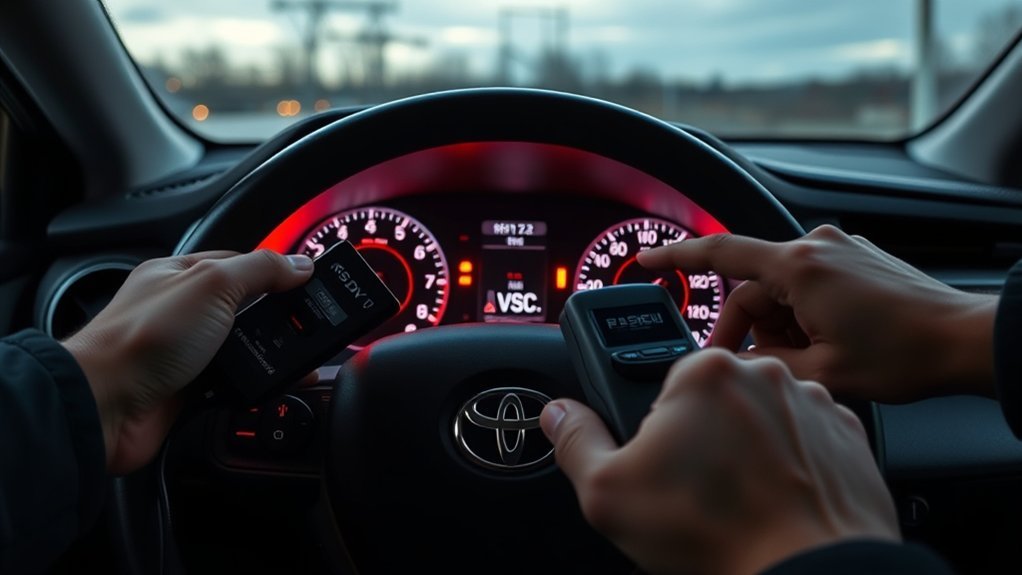
After you’ve ruled out obvious fixes and taken safety steps, the next move is to read the car’s OBD‑II codes to see what the vehicle’s computers logged. Locate the diagnostic port under the dash near the hood release and plug in OBD II scanners or take the car to an auto parts store that offers free scans. Use basic diagnostic tools to pull DTCs; codes beginning with “P” point to engine, transmission, or related systems.
The printout lists error codes with brief descriptions—sensor failures, emissions faults, or wheel speed sensor issues common when the VSC light is on. Compare code meanings against trusted databases or the scanner’s manual. Record codes exactly, then prioritize fixes that restore control and safety. Use these troubleshooting tips: verify sensor connectors, note freeze-frame data, and document repeated codes. Reading codes gives you precise leverage to reclaim mobility; it turns opaque warnings into actionable diagnostics so you can choose repair, parts sourcing, or professional intervention.
Quick DIY Fixes to Try First (Gas Cap, VSC Button, Fuses, Battery)
Because many VSC warnings come from simple faults you can fix in minutes, start with four quick checks before diving deeper: Inspect the gas cap first — tighten it until it clicks and replace if cracked or threaded poorly; a faulty gas cap can trigger emission-related faults that illuminate VSC. Next, test the VSC button: toggle it off and on, press firmly to free a stuck switch, and observe the dash; intermittent button glitches can leave the system disabled. Check for blown fuses in the engine bay and interior fuse boxes tied to traction control and ABS circuits; replace any blown fuses with the specified rating. Finally, rule out battery issues: verify a full charge, clean and tighten terminals, and load-test if voltage is marginal. After these steps, clear codes with a scanner and drive to see if the VSC returns. These actions free you from simple constraints and guide targeted repairs.
Check Sensors & Wiring: ABS Wheel Speed, Throttle, and Vacuum Leaks
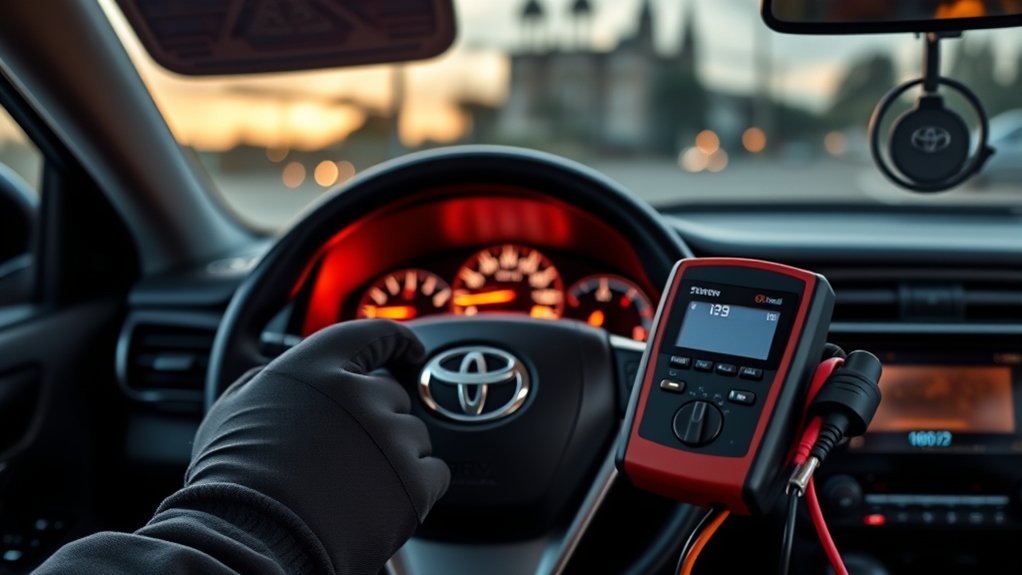
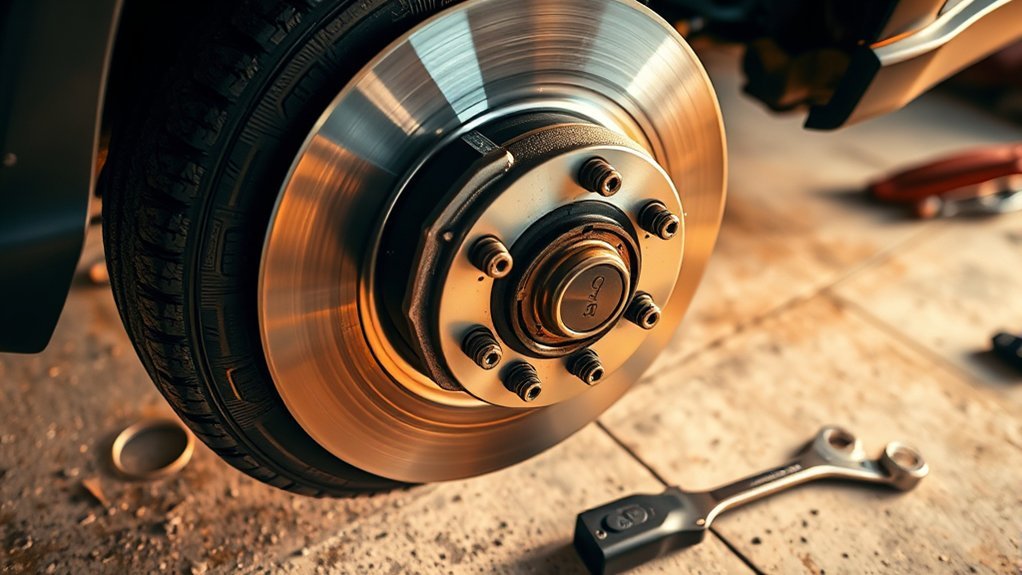
Those quick checks often rule out easy fixes, but if the VSC light stays on you’ll need to inspect the sensors and wiring that feed the traction and stability systems. Start with ABS wheel speed sensors—63% of VSC/ABS faults trace here. Verify connectors, wiring insulation, and sensor calibration; clean or reseat corroded pins. Scan codes with an OBD-II tool to pinpoint a failing sensor.
Check the throttle position sensor next. A faulty TPS causes erratic engine control and can trigger VSC; confirm electrical continuity and calibration against factory specs. Finally, hunt vacuum leaks—worn hoses or loose clamps disrupt intake pressure and stability control logic. Pressure-test lines and replace compromised hoses.
Be systematic: document codes, test results, and repairs. Below is a quick reference to prioritize checks and actions.
| Component | Action |
|---|---|
| ABS sensor | Inspect connector, clean, check calibration |
| Wiring | Look for cuts, corrosion, poor insulation |
| TPS | Test signal, recalibrate if needed |
| Vacuum | Pressure test, replace hoses |
| OBD-II | Read/clear codes, verify fix |
When to Call a Mechanic : What Codes, Recent Services, and Notes to Bring
If the VSC light stays on despite basic checks, call a mechanic when you can provide specific diagnostic details and recent service history to speed troubleshooting. Before you go, read codes with an OBD-II scanner and note any DTCs—common entries like C1201 (wheel speed sensor) or P‑codes tied to the engine help narrow causes. Print or save the code list and timestamped readings for clear mechanic communication.
Bring service history showing recent work on the engine, brakes, traction control, or electrical system; that context often points to related faults. Log observed symptoms: changes in acceleration, handling quirks, dashboard flashes, or unusual noises, and note when they occur. If the check engine light is flashing with VSC, treat it as urgent and avoid driving far.
Present concise notes and copies of DTCs. That disciplined packet of data lets the technician act faster, keeps diagnostics focused, and helps you reclaim control of your vehicle’s safety systems.
Frequently Asked Questions
Why Is the VSC Light on in My RAV4?
Your VSC system light’s on because it detected faults—wheel speed sensors, engine misfires, fuel or electrical issues—so warning indicators activated; you’ll want diagnostics, OBD-II codes, and targeted repairs to restore control and driving freedom.
How Do You Fix the VSC Light on a Toyota?
Like turning a key to activate freedom, you fix the VSC light by scanning DTCs, checking the VSC system, inspecting the brake system and traction control sensors, tightening the gas cap, resolving faults, or consulting a mechanic.
Conclusion
You’ve pinpointed problems, pulled codes, and probed sensors — now proceed prudently. Prioritize safety: stop if steering, braking, or engine response feels strange. Document diagnostics, recent repairs, and persistent codes to save shop time. Try simple swaps first (cap, fuse, battery), then inspect wheel‑speed, throttle, and vacuum lines. If warnings persist or codes indicate ABS, traction, or ECU faults, call a qualified tech. Calm, clear, coordinated care prevents costly cascading complications.