
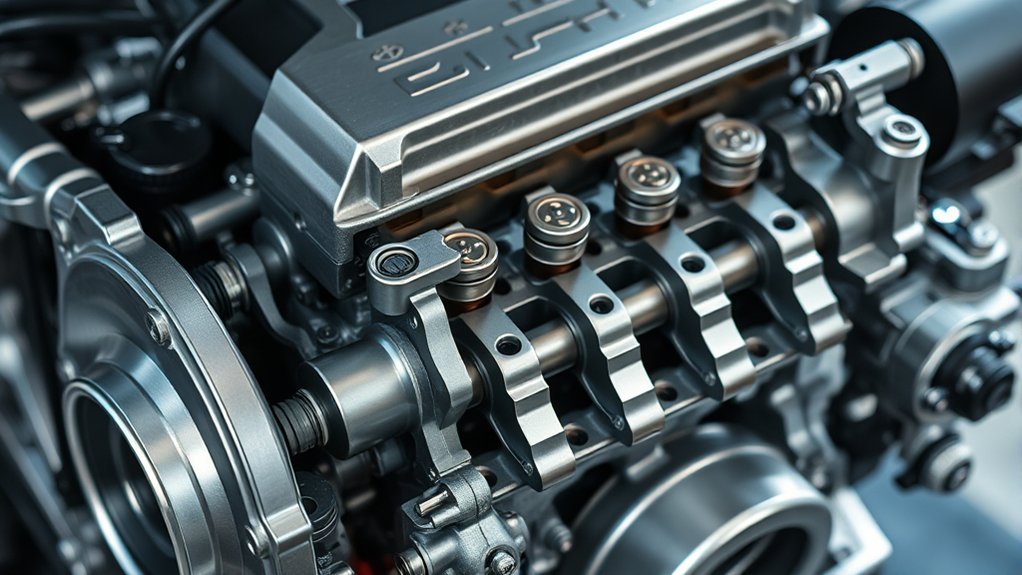
Toyota RAV4 Atkinson Cycle Engine Explained
What’s in This Article
- What Is the Atkinson Cycle and How Does It Work?
- Key Advantages of the Atkinson Cycle in the RAV4
- How Toyota Uses Atkinson Cycle Technology
- How Does the Atkinson Cycle Stack Up Against the Otto Cycle?
- Performance Trade-Offs: Power vs. Efficiency in the RAV4
- What RAV4 Owners May Notice in Daily Driving
- What’s Next for Atkinson Cycle Technology in Future Toyota Models?
- Why Choose a Hybrid: Environmental Benefits of the RAV4
- Frequently Asked Questions
The Toyota RAV4’s Atkinson cycle engine helps you use less fuel without making daily driving feel weak. It does this by trading some peak engine power for better thermal efficiency.
Toyota pairs this engine design with electric motors in RAV4 Hybrid models. That mix gives you smoother low-speed response, strong fuel economy, and lower tailpipe emissions than many gas-only compact SUVs.
Quick Answer
The RAV4’s Atkinson cycle engine favors fuel economy over raw engine power. It keeps the intake valve open longer, which lowers pumping loss and lets the engine extract more useful energy from each burn. Toyota’s hybrid system fills the power gap with electric motor assist, so you still get smooth response in normal driving.
Key Takeaways
- The Atkinson cycle improves efficiency by making the expansion effect greater than the compression effect.
- The design gives up some peak power, but electric motors help restore low-speed response.
- Toyota uses variable valve timing to create an Atkinson-style effect in modern hybrid engines.
- FuelEconomy.gov lists the 2025 RAV4 Hybrid AWD at 41 city, 38 highway, and 39 combined mpg.
- Toyota moved the 2026 RAV4 to a 100% electrified lineup with Hybrid and Plug-in Hybrid choices.
What Is the Atkinson Cycle and How Does It Work?
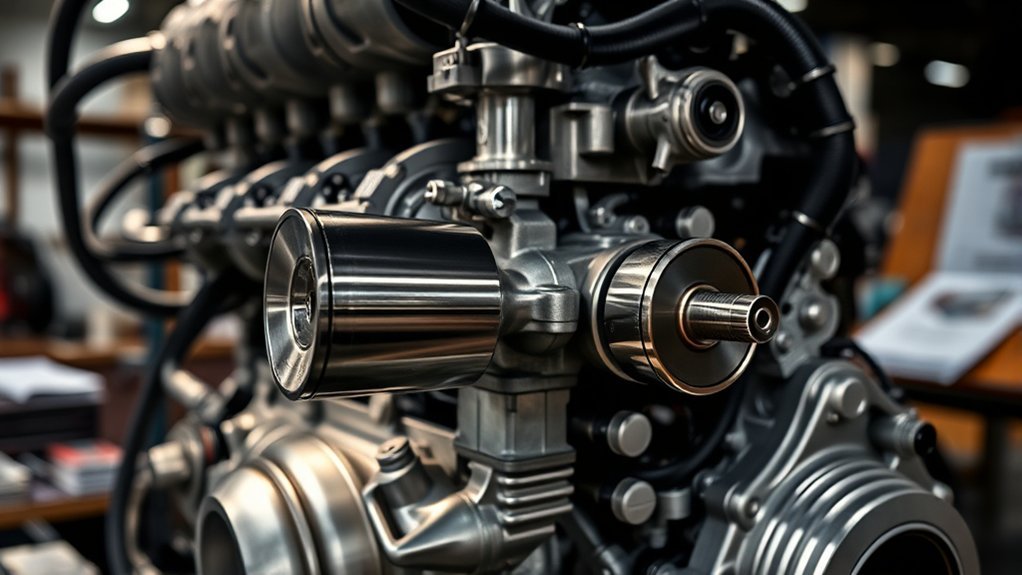
The Atkinson cycle plays an important role in modern hybrid vehicles like the Toyota RAV4. James Atkinson developed the original concept in 1882 to improve engine efficiency.
Modern Toyota hybrid engines do not use the same complex mechanical linkage from the original design. Toyota uses variable valve timing to delay intake valve closing, which creates an Atkinson-style effect.
This setup lets some of the intake charge move back before compression finishes. The engine then uses a longer effective expansion phase, which improves thermal efficiency and fuel economy.
The trade-off comes from reduced power output compared with a conventional Otto cycle engine of similar size. In the RAV4 Hybrid, the electric motor helps cover that gap when you accelerate from a stop or climb a grade.
Key Advantages of the Atkinson Cycle in the RAV4
The Atkinson cycle engine in the Toyota RAV4 gives you three main benefits: better fuel use, lower emissions, and less engine load during many daily trips. Those gains matter most in city driving, where the hybrid system can switch between gas and electric power often.
Enhanced Fuel Efficiency
The Atkinson cycle engine helps the Toyota RAV4 name stand out among compact SUVs that focus on everyday efficiency. Its longer effective expansion phase lets the engine convert more heat into useful work.
Toyota’s official 2025 RAV4 Hybrid page lists up to an estimated 41 city and 38 highway mpg. FuelEconomy.gov lists the 2025 RAV4 Hybrid AWD at 41 city, 38 highway, and 39 combined mpg.
The electric motor helps offset the Atkinson cycle’s lower engine-only output. This setup works especially well in stop-and-go traffic, where electric assist can reduce how hard the gas engine works.
Reduced Emissions Output
The Atkinson cycle engine helps reduce fuel use, and lower fuel use usually means lower tailpipe greenhouse gas output. FuelEconomy.gov lists the 2025 RAV4 Hybrid AWD at 224 grams per mile of tailpipe greenhouse gas emissions.
For comparison, FuelEconomy.gov lists a 2025 gas RAV4 at 292 grams per mile. That makes the listed hybrid figure about 23% lower than that gas model.
The hybrid system also lets the RAV4 use electric power at low speeds under the right conditions. That helps cut engine run time during light-load driving.
Improved Engine Longevity
The Atkinson cycle can reduce engine load during many low-demand driving situations. Toyota also notes that Atkinson cycle design reduces waste heat by using a greater expansion effect than compression effect.
The hybrid system can shut the gas engine off when power demand stays low. That can reduce idle time, but long service life still depends on oil changes, cooling system care, driving habits, and service history.
Note: The Atkinson cycle supports efficiency, but regular maintenance still decides how well the engine ages.
How Toyota Uses Atkinson Cycle Technology
Toyota’s Atkinson cycle technology sits at the center of the RAV4 Hybrid powertrain. The gas engine focuses on efficient steady operation, while the electric motors help with launch, low-speed driving, and extra torque demand.
Toyota uses Variable Valve Timing (VVT) to delay intake valve closing. Toyota’s own explanation says this valve timing approach creates the key fuel-saving part of the Atkinson cycle without the original mechanical linkage.
The 2026 RAV4 Hybrid also updates to Toyota’s fifth-generation hybrid system, according to Toyota’s U.S. newsroom. Toyota says the new system improves power and fuel economy while keeping Hybrid and Plug-in Hybrid options across the lineup.
How Does the Atkinson Cycle Stack Up Against the Otto Cycle?
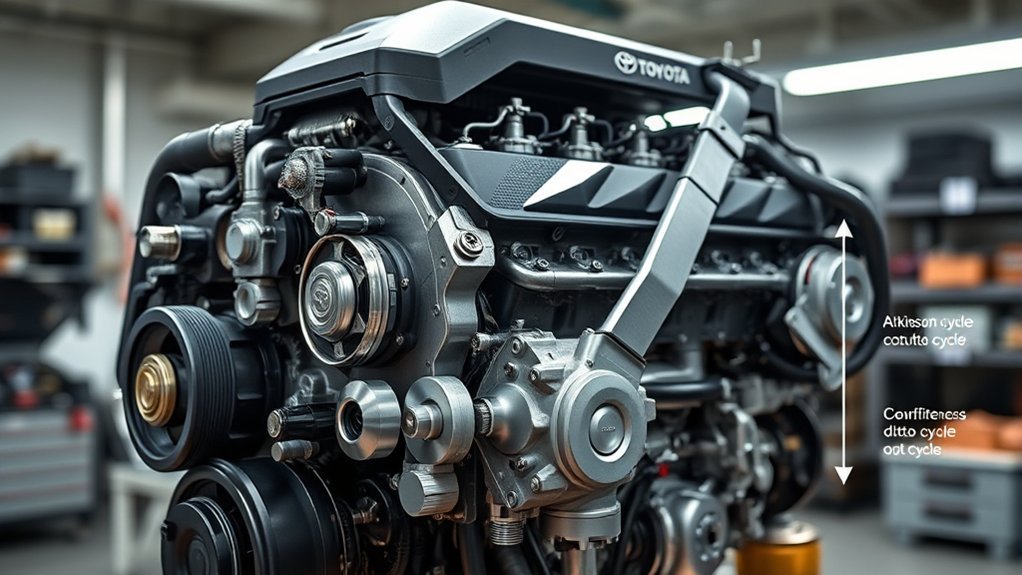
Comparing the Atkinson cycle with the Otto cycle shows a clear trade-off. The Atkinson cycle favors fuel economy, while the Otto cycle usually gives stronger engine-only power.
The RAV4 Hybrid makes that trade-off easier to live with because electric motors support the gas engine. You get the efficiency benefit without the sluggish feel that a pure Atkinson engine could create on its own.
Efficiency Comparison
The Atkinson cycle improves efficiency by using a greater expansion effect than compression effect. Toyota says this design reduces waste heat and improves fuel efficiency.
| Metric | Atkinson Cycle | Otto Cycle |
|---|---|---|
| Thermal Efficiency | Higher in hybrid use | Lower in many economy-focused setups |
| Engine-Only Power | Lower | Higher |
| Best Use Case | Hybrid efficiency | Direct engine response |
| Low-Speed Feel | Best with electric assist | Strong without electric assist |
| Emissions Benefit | Lower fuel use can cut output | Depends on engine design |
This efficiency trade-off makes the Atkinson cycle a strong match for drivers who spend much of their time in town. The electric motor helps most when you pull away from a stop.
Power Output Differences
The Atkinson cycle gives you better thermal efficiency at the cost of peak engine power. Its valve timing reduces the amount of air the engine compresses, which lowers immediate engine-only output.
The Otto cycle usually delivers stronger power from the same size engine because it uses a more balanced compression and expansion process. That makes it a better fit for vehicles that place power above fuel economy.
In the Toyota RAV4 Hybrid, electric motors help cover the Atkinson cycle’s lower torque feel. This makes daily acceleration feel more natural than the engine design alone would suggest.
Valve Timing Mechanisms
The Atkinson cycle effect in many Toyota hybrids comes from delayed intake valve closing. That valve timing lets part of the intake charge move back before compression finishes.
Toyota uses Variable Valve Timing to manage that balance between efficiency and drivability. The Otto cycle remains common in higher-power gas engines, but the Atkinson-style setup works well in hybrid applications like the RAV4.
Performance Trade-Offs: Power vs. Efficiency in the RAV4
The Toyota RAV4 reflects a deliberate balance between power and efficiency. The Atkinson cycle engine gives up some low-speed engine torque, which you may notice during hard acceleration.
The hybrid powertrain helps solve that issue with electric motor assist. That support gives you smoother response in city driving and helps the engine stay in a more efficient operating range.
For 2026, Toyota says RAV4 Hybrid AWD models make 236 net combined horsepower, while front-wheel-drive models make 226 horsepower. That shows how Toyota uses hybrid assist to keep efficiency and useful performance in the same package.
Pro tip: Use Eco mode in steady city traffic, but switch to Normal or Sport when you need sharper throttle response.
What RAV4 Owners May Notice in Daily Driving
You may first notice how often the RAV4 Hybrid keeps low-speed driving calm and quiet. Toyota says EV mode can let the vehicle move short distances at low speed when conditions allow.
You may also notice that the gas engine does not need to work hard during light traffic. The hybrid system can use electric assist during launch, then let the Atkinson cycle engine work more efficiently once speed builds.
Hard acceleration can still make the engine sound busier than some drivers expect. That response comes from the powertrain trying to balance battery assist, engine speed, and fuel economy.
What’s Next for Atkinson Cycle Technology in Future Toyota Models?
Toyota has made hybrid technology more central to the RAV4 lineup. For the 2026 model year, Toyota moved RAV4 to a 100% electrified lineup with Hybrid and Plug-in Hybrid models.
Toyota’s 2026 RAV4 page lists up to an estimated 47 city and 40 highway mpg. Toyota’s newsroom also says 2026 RAV4 Hybrid models use the fifth-generation Toyota Hybrid System.
Future gains will likely come from better electric motors, improved battery control, smarter valve timing, and lower friction. Those upgrades can help Toyota keep the Atkinson cycle useful as emissions rules and driver expectations change.
Toyota also continues to improve plug-in hybrid technology. The 2026 RAV4 Plug-in Hybrid uses a newer plug-in system with more power and greater manufacturer-estimated electric range than the prior version.
Why Choose a Hybrid: Environmental Benefits of the RAV4
The Toyota RAV4 Hybrid can help you spend less on fuel while reducing tailpipe output. With its Atkinson cycle engine, the 2025 RAV4 Hybrid AWD earns an EPA-listed 41 mpg city and 38 mpg highway rating on FuelEconomy.gov.
FuelEconomy.gov also lists the 2025 RAV4 Hybrid AWD at 224 grams per mile of tailpipe greenhouse gas emissions. A listed 2025 gas RAV4 shows 292 grams per mile, so the hybrid figure comes in about 23% lower.
Regenerative braking captures energy during slowing and sends it back to the hybrid battery. This can reduce some brake wear in normal driving because the electric system helps slow the vehicle before the friction brakes do more work.
Warning: Never assume hybrid brakes need less inspection, because pads, rotors, tires, and fluid still need regular service.
Choosing the RAV4 Hybrid makes the most sense when you value fuel economy, smooth city driving, and lower listed emissions. It won’t turn the RAV4 into a performance SUV, but it makes each gallon work harder.
Frequently Asked Questions
What Are the Drawbacks of the Atkinson Cycle?
The Atkinson cycle improves efficiency but reduces engine-only power output. You may notice that trade-off during hard acceleration, though the RAV4 Hybrid’s electric motors help fill the gap.
Is the Atkinson Cycle Engine Good?
The Atkinson cycle engine works well when fuel economy matters more than peak engine power. It fits hybrids especially well because electric assist can support the engine during launch and passing.
How Long Do Atkinson Cycle Engines Last?
An Atkinson-style Toyota hybrid engine can last a long time when you follow the service schedule. Mileage alone does not decide engine life, because oil quality, cooling system care, driving style, and repair history all matter.
Does the RAV4 Hybrid Run on Electric Power Alone?
The RAV4 Hybrid can use EV mode for short, low-speed driving when battery charge and other conditions allow. The gas engine starts when you need more power, more speed, cabin heat, or battery charging.
Is the 2026 RAV4 Still Available as Gas-Only?
No. Toyota says the 2026 RAV4 moved to a 100% electrified lineup with Hybrid and Plug-in Hybrid models.
Conclusion
The RAV4’s Atkinson cycle engine gives you better fuel economy by trading some peak engine power for efficiency. Toyota’s hybrid system makes that trade-off easier because electric motors support the engine when you need quick response.
Check the fuel economy rating for the exact model year and trim before you compare RAV4 options. The best choice depends on how much city driving you do, how often you need extra power, and whether a plug-in hybrid fits your routine.
For most efficiency-focused drivers, the RAV4 Hybrid shows why Toyota keeps building around the Atkinson cycle.
References
- Why does Toyota use Atkinson cycle engines? – Toyota UK Magazine, 2014
- Toyota Develops Engines with Improved Thermal, Fuel Efficiency – Toyota Motor Corporation, 2014
- 2025 Toyota RAV4 Hybrid – Toyota, 2025
- Fuel Economy of 2025 Toyota RAV4 – FuelEconomy.gov, U.S. DOE and U.S. EPA, 2025
- The Next Adventure Begins: 2026 RAV4 Arrives this Winter – Toyota USA Newsroom, 2025
- 2026 Toyota RAV4 – Toyota, 2026
- Fuel Economy – U.S. Department of Energy, 2026




[…] of octane like the shock absorbers on a bike: 87 octane is Toyota’s engineered baseline for the 2016 RAV4 SE, designed to run smoothly under normal load. You’ll only need 89/93 for persistent knock, […]