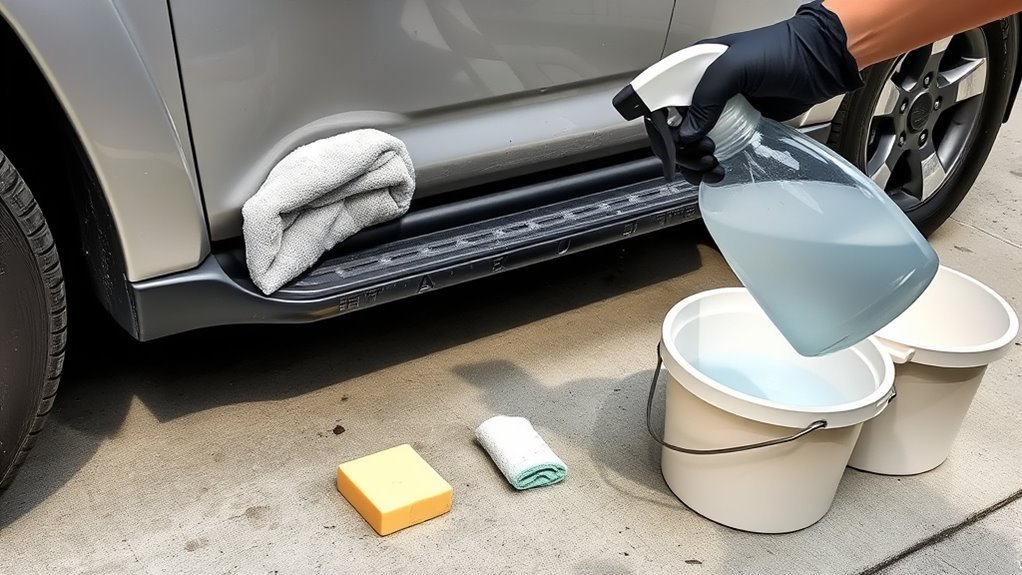
You can safely remove road tar from your 4Runner by spot-testing a dedicated tar remover (Citrol 266 or Tarminator) on an inconspicuous area, then applying a small amount, waiting a few minutes, and gently lifting with a microfiber cloth. Rinse thoroughly and dry to prevent residue. For stubborn patches, use stronger solvents like VM&P naphtha sparingly and short cycles, or consult a pro. Follow with polish and wax to protect the clearcoat—more detailed guidance follows.
Quick Tar-Removal Steps for Your 4Runner (Instant Method)
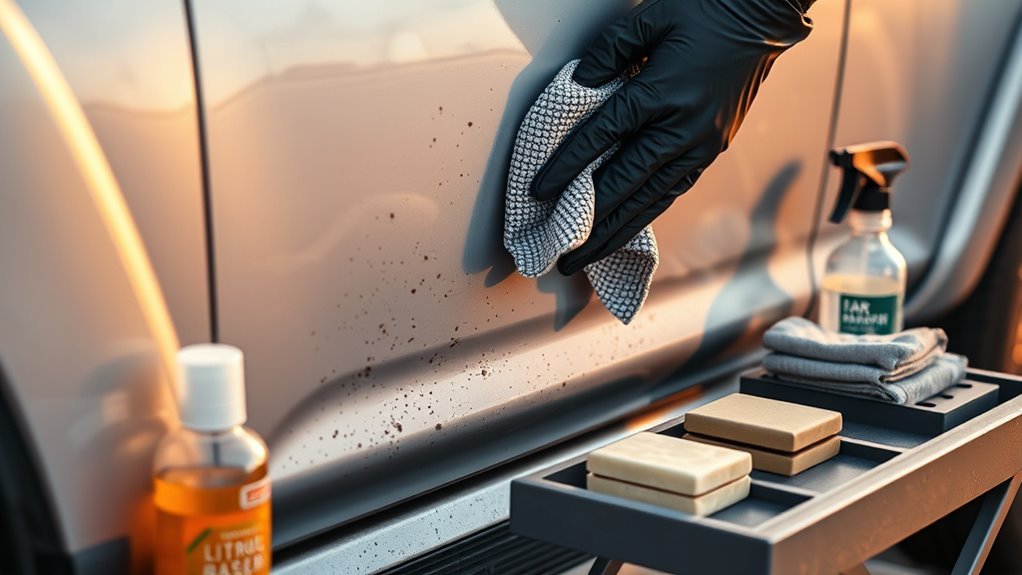
Start by choosing a dedicated bug-and-tar remover—products like Citrol 266 or Tarminator work well and won’t harm your 4Runner’s paint when used properly. You’ll apply a small amount to the affected spot, let it sit a few minutes, then use quick cleaning techniques to dissolve the tar. Test on an inconspicuous area first to confirm compatibility with your finish.
Use effective tools: a soft cloth or sponge and a light, controlled rubbing motion. You’ll add elbow grease deliberately—firm but careful—to lift deposits without abrading paint. Rinse thoroughly with water to remove solvent and loosened tar, then dry the panel completely to prevent residue and spotting.
This method keeps you safe and empowered: controlled steps, minimal time, and predictable results. You’ll reclaim your vehicle’s finish without unnecessary risk, using a concise, repeatable process whenever tar threatens your freedom to drive clean.
Safe Tar Removers for 4Runner Paint (Citrol 266, Tarminator, Peanut Butter, VM&P)
When you’re choosing a tar remover for your 4Runner, pick products that are proven to dissolve tar while preserving the clearcoat—Citrol 266 and Tarminator are purpose-made options that do this reliably, VM&P naphtha provides a stronger but controlled solvent action when used sparingly, and creamy peanut butter can work as a gentle, low-risk household alternative; always spot-test first and follow PPE and ventilation precautions.
| Product | Strength | Paint Safety |
|---|---|---|
| Citrol 266 | Citrus solvent, effective | High |
| Tarminator | Formulated for tar | High |
| VM&P naphtha | Stronger solvent | Moderate |
| Peanut butter | Natural alternatives, gentle | High |
| Notes | product comparisons, spot-test | Use PPE/ventilation |
You’ll prefer Citrol 266 or Tarminator for routine use; reach for VM&P only when needed and test first. Creamy peanut butter is a liberation-minded, low-risk choice when you want household simplicity. Always prioritize safety and confirm compatibility on an inconspicuous area before full application.
Step-by-Step Tar Removal: Test, Apply, Lift, Rinse
Having picked a safe tar remover like Citrol 266 or Tarminator, you’ll follow a four-step routine—test, apply, lift, rinse—that protects the clearcoat while removing residue. First, identify discreet test areas and apply a drop of cleaner; wait a few minutes and inspect for softening or finish change. Proceed only if the paint shows no harm. Apply a small amount directly onto the tar spot, letting the solvent work for the manufacturer’s recommended time so the bond loosens without aggressive action. Use microfiber cloths or a soft sponge to lift softened tar, working gently and wiping away loosened bits rather than scrubbing hard. Rinse the treated area thoroughly with clean water to remove solvent residue and any loosened tar. Dry with a soft towel and inspect closely; repeat the sequence on remaining spots, always starting with test areas. This measured, safety-first approach frees your 4Runner’s finish without risking the clearcoat.
Tough Tar and Large Patches: When to Use Stronger Solvents or Pros
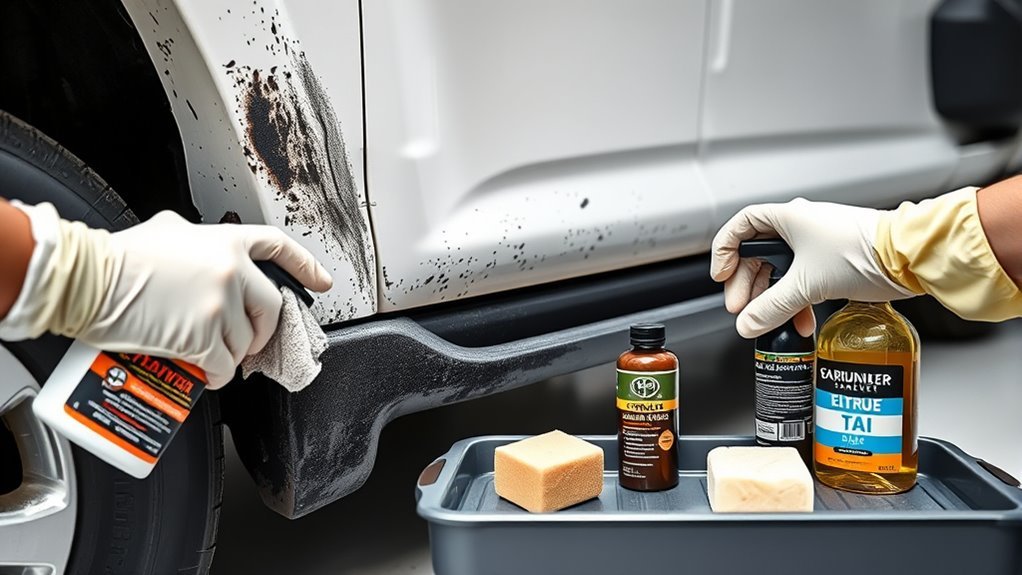
If small spot treatments aren’t doing the job, you’ll need to step up your approach: try stronger solvents such as toluene or VM&P naphtha on stubborn or widespread tar but only after spot-testing an inconspicuous area and preparing to limit contact time. Use a measured plan: ventilate, wear gloves, and keep a clean microfiber and plastic scraper ready. Work in short cycles—apply, wait, gently lift, rinse—monitoring the paint for softening. If patches are extensive or you sense risk, call professional detailing to protect your finish and regain freedom from worry. Combine gentle mechanical action with solvent for heavy deposits, but never soak panels or leave solvent pooling. Prioritize solvent safety: read labels, use eye protection, and dispose of rags responsibly. Your goal is liberation from tar without sacrificing paint; escalate to pros when removal threatens surface integrity or when time and tools fall short.
| Step | Action | Safety |
|---|---|---|
| 1 | Spot-test | Ventilate |
| 2 | Apply | Gloves |
| 3 | Lift | Rinse |
| 4 | Inspect | Stop if damage |
Aftercare: Polish, Wax, and Prevent Future Tar Buildup
Because tar removal can dull or slightly etch the clear coat, you’ll want to follow up with a targeted polish to restore gloss and smooth the surface before sealing it. Use controlled polish techniques: choose a fine abrasive polish and a soft pad, work small sections at low speed, and keep the pad flat to avoid swirl marks. Inspect frequently under good light and stop when the layer looks uniform.
After polishing, apply a high-quality automotive wax; the wax benefits include a hydrophobic barrier that repels contaminants and makes future tar easier to remove. Apply thin, even layers and buff per product instructions.
Maintain liberation from recurring buildup by washing regularly with a pH-balanced automotive soap, parking in shade or covered areas, and scheduling clay bar treatments periodically to remove embedded contaminants. These steps protect the finish and reduce the need for aggressive solvents, preserving your 4Runner’s paint and your freedom to drive without worry.
Frequently Asked Questions
How to Get Road Tar off Car Without Damaging Paint?
Use safe cleaning products like Citrol 266 for tar removal techniques: apply small amount, let it dwell, gently wipe with a microfiber; test inconspicuous spot first, avoid scrubbing, and reclaim your freedom from sticky residue.
Will WD-40 Remove Road Tar?
Yes — WD-40 can remove road tar, but you’ll test first, work methodically, use WD 40 uses for spot dissolving, wipe residue, then wash and clay; prioritize paint safety and freedom from harsh damage.
What Dissolves Asphalt Tar?
Picture sticky black ribbons melting: you’ll dissolve asphalt tar with citrus-based cleaners, tar removers, or mild solvents like VM&P naphtha; use tar removal techniques, safe solvents, gloves, ventilation, testing on hidden paint, and deliberate, cautious application.
How to Remove Road Grime From Car Paint?
You loosen and lift road grime using gentle cleaning techniques: pre-rinse, apply citrus or bug‑tar remover, let dwell, soft microfiber wipe, rinse, then dry and seal for paint protection; test first and avoid harsh scrubbing to stay free.
Conclusion
You’ve got a clear, safe plan to remove tar from your 4Runner without wrecking the paint. Follow the test-apply-lift-rinse routine, use gentle removers first, and switch to stronger solvents only for stubborn spots — or call a pro if patches are extensive. Yes, solvents can worry you, but testing a hidden spot and using gloves prevents damage and harm. Finish with polish and wax to protect the paint and deter future tar build-up.