Tire inflation measures the air pressure in your vehicle’s tires, and maintaining the correct pressure is crucial for safety and performance. Properly inflated tires guarantee superior handling, fuel efficiency, and even tire wear. Just 1 PSI below recommended levels can increase braking distances and decrease traction. Monthly checks are necessary, especially with temperature changes and load variations. Understanding this can prevent costly mistakes and enhance your driving experience. More insights await on managing your tire pressure effectively.
What Is Tire Inflation and Why Is It Important?
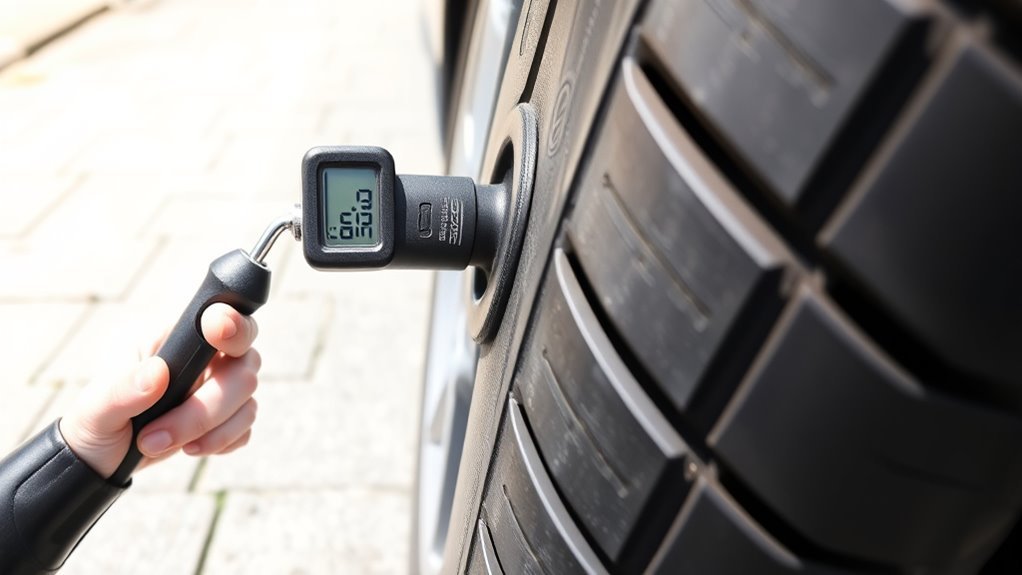
Tire inflation, which refers to the amount of air within your vehicle’s tires measured in pounds per square inch (PSI), is critical for vehicle performance and safety. Maintaining proper tire inflation pressure is essential for supporting your vehicle’s weight and ensuring even tire wear. Correct tire pressure enhances handling, reduces braking distances, and improves traction, all of which contribute to a safer driving experience. Furthermore, regular tire care, including monthly pressure checks, is crucial since tires typically lose about 1 PSI monthly. Operating at the correct pressure not only extends tire lifespan but also boosts fuel efficiency by minimizing rolling resistance. Ultimately, maintaining proper tire inflation is an act of liberation, empowering you to navigate the roads with confidence and control.
How Tire Inflation Affects Vehicle Performance
When your vehicle’s tires are properly inflated, you’ll notice significant improvements in handling, stability, and braking efficiency. Maintaining proper tire pressure not only enhances your driving experience but also contributes to safety. A drop of just 1 PSI can adversely affect traction, especially on slippery surfaces. Additionally, correct inflation reduces rolling resistance, potentially saving you up to 3% in fuel costs. Regular tire checks can extend lifespan by up to 25%, ensuring peak performance.
| Tire Condition | Effects |
|---|---|
| Under-Inflated | Uneven wear, decreased traction |
| Over-Inflated | Center wear, harsh ride |
| Properly Inflated | Enhanced performance, safety |
Identifying Common Tire Inflation Mistakes and How to Avoid Them
Many drivers overlook the necessity of monthly tire pressure checks, which can lead to significant safety issues. Misunderstanding pressure recommendations and ignoring temperature effects further exacerbate the problem, resulting in under-inflated tires and decreased performance. By addressing these common mistakes, you can guarantee peak tire health and vehicle efficiency.
Ignoring Monthly Checks
Neglecting monthly tire pressure checks can lead to serious consequences for vehicle safety and performance. On average, tires lose about 1 PSI each month, resulting in under-inflated tires that compromise traction and increase the risk of blowouts. Temperature fluctuations further exacerbate this issue, changing tire pressure by approximately 1 PSI for every 10 degrees Fahrenheit. Without regular monitoring, you’re likely to overlook the proper inflation levels indicated on your driver’s side door jamb. This oversight not only shortens tire lifespan but also diminishes fuel efficiency due to increased rolling resistance. By committing to monthly checks, you enhance your vehicle’s safety, maximize mileage, and guarantee peak performance on every journey. Don’t overlook the importance of maintaining proper tire pressure.
Misunderstanding Pressure Recommendations
How well do you understand the tire pressure recommendations for your vehicle? Many drivers mistakenly believe that the maximum pressure on the tire sidewall represents the proper tire pressure for regular use. In reality, the recommended PSI is often lower and can be found in your owner’s manual or on the driver’s side door jamb. Additionally, failing to adjust tire pressure based on load weight can lead to improper inflation, while neglecting to check pressure when tires are cold often results in misleading readings. Regularly using a tire pressure gauge at least once a month is essential, as tires can lose about 1 PSI monthly. Awareness of these nuances can greatly enhance safety, fuel efficiency, and tire lifespan.
Overlooking Temperature Effects
While you might regularly check your tire pressure, failing to take into account temperature effects can lead to significant miscalculations. Tire pressure varies approximately 2 PSI for every 10-degree Fahrenheit change. For instance, a tire that reads 88 PSI in 0-degree weather could inflate to 100 PSI at 60 degrees.
To avoid misjudgments, consider the following:
| Temperature (°F) | Tire Pressure Change (PSI) |
|---|---|
| 0 | 88 |
| 60 | 100 |
| Operating (hot) | 10-20 higher |
Monitor tire pressure after driving, as hot tires can mislead you into over-inflating. Understanding these temperature effects is essential for maintaining proper inflation and ensuring safety on the road.
Recommended Tire Pressure: Where to Find It?
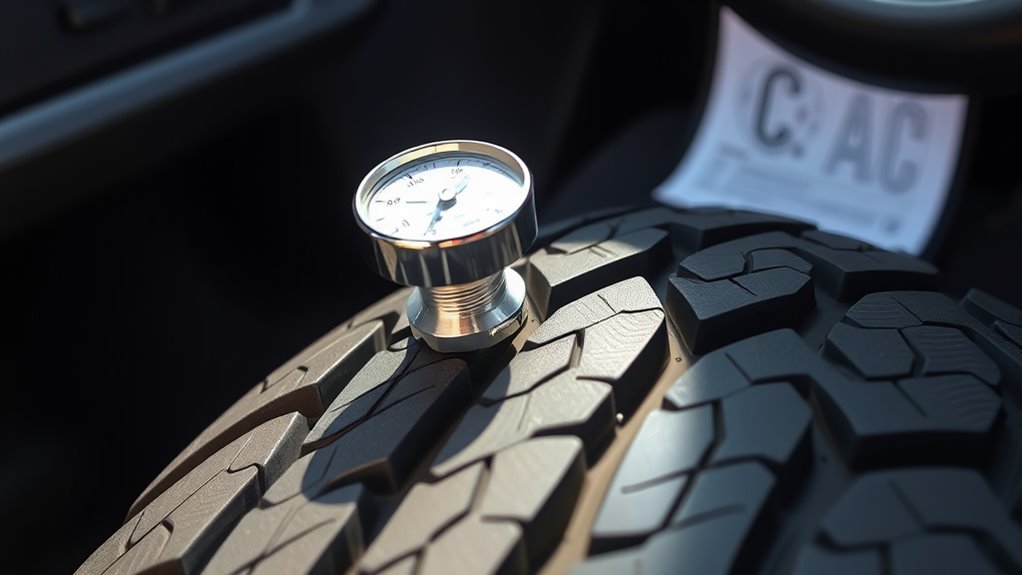
To guarantee your vehicle operates at its best, knowing where to find the recommended tire pressure is essential. You can typically locate the recommended pressure on a sticker inside the driver’s side door jamb. This important information is provided by the manufacturer, ensuring peak performance and safety. Additionally, your owner’s manual contains specific tire pressure specifications tailored to your vehicle model. It’s imperative to distinguish between this recommended pressure and the maximum pressure indicated on your tire’s sidewall, as the latter may not provide the ideal performance. Always check the recommended PSI before long trips or seasonal changes, and do so when your tires are cold for the most accurate readings. Ideal tire pressure enhances ride comfort, handling, and tire longevity.
How Temperature and Altitude Affect Tire Pressure
Maintaining the recommended tire pressure is vital, but it’s also important to contemplate how environmental factors like temperature and altitude can impact it. Tire pressure fluctuates by approximately 1 PSI for every 10 degrees Fahrenheit change. For instance, a tire at 88 PSI in 0°F may reach 100 PSI at 60°F. Additionally, as altitude increases, tire pressure rises about 0.48 PSI for every 1,000 feet gained. Here’s a quick overview:
| Factor | PSI Change |
|---|---|
| Temperature | 1 PSI per 10°F change |
| Altitude | 0.48 PSI per 1,000 feet gained |
| Hot Tires | 10-20 PSI increase from cold PSI |
| Sea Level | Standard reference for PSI |
| Adjustment | Critical for safety and performance |
Adjusting tire pressure based on these factors guarantees peak performance and safety.
The Role of Load Weight in Tire Pressure Adjustments
Understanding how load weight affects tire pressure is essential for maintaining ideal performance and safety. When you load your vehicle, you must adjust tire pressure accordingly to accommodate the added weight, as improper inflation can lead to handling issues and increased wear. Regularly consulting load and inflation tables will guarantee that your tires operate efficiently, maximizing their lifespan and enhancing fuel efficiency.
Impact of Load Weight
Load weight plays a vital role in tire pressure adjustments, directly affecting vehicle safety and performance. When you carry varying loads, the required tire pressure, measured in PSI, changes accordingly. For instance, light cargo like groceries might need lower inflation, while heavier loads demand you inflate tires closer to their maximum pressure. This adjustment is essential; improperly inflated tires can lead to reduced traction and increased wear, compromising safety. To guarantee peak performance, consult load and inflation tables that specify the appropriate PSI for your specific load weight. Regularly checking and adjusting your tire pressure based on load not only enhances handling but also extends tire lifespan, empowering you to drive safely and efficiently.
Adjusting Pressure Accordingly
When you’re adjusting tire pressure, it’s crucial to contemplate the weight you’re carrying, as this directly influences the performance and safety of your vehicle. The maximum pressure on your tire’s sidewall indicates load capacity, not the recommended pressure for daily use. For light cargo, you may not need maximum inflation, while heavier loads require adjustments to maintain ideal tire performance. Always consult load and inflation tables to determine the correct PSI based on your load. Proper inflation guarantees even tire wear, extends lifespan, and prevents issues like increased wear and reduced fuel efficiency. Regularly check your tire pressure according to load weight to enhance driving safety and avoid potential tire failures.
Safety Considerations for Loads
As you transport varying loads, recognizing the relationship between load weight and tire pressure becomes essential for maintaining safety and performance. Ignoring this relationship can lead to serious consequences. Here are three critical considerations:
- Increased Load Weight: Heavier loads necessitate higher tire pressure to prevent excessive wear and potential blowouts.
- Max Pressure Limit: The maximum pressure on your tire’s sidewall is a limit, not a recommendation; always adjust based on your specific load.
- Regular Checks: Use load and inflation tables to guarantee proper inflation, enhancing vehicle stability and fuel efficiency.
Key Signs Your Tire Pressure Is Incorrect

How can you tell if your tire pressure is off? Key indicators include uneven tread wear—under-inflated tires wear faster on the edges, while over-inflated tires show wear in the center. If you notice a drop in fuel efficiency, it could signal low tire pressure due to increased rolling resistance from under-inflated tires. Additionally, if you experience difficulty steering or maintaining control, improper tire pressure might be the culprit, affecting traction and handling. Use a tire pressure gauge; readings notably below the recommended PSI indicate under-inflation, heightening blowout risk. Finally, bulging tires or a “balloon” effect suggest over-inflation, compromising stability and safety. Regularly monitoring these signs guarantees ideal tire performance and safety on the road.
Tips for Maintaining Your Tire Pressure Regularly
Regularly checking your tire pressure is essential for ideal vehicle performance and safety. To maintain the right inflation, follow these tips:
- Check tire pressure monthly: Tires can lose about 1 PSI each month, so regular checks are vital.
- Measure when cold: For accurate readings, check tire pressure after your vehicle hasn’t been driven for at least three hours.
- Use a reliable gauge: Compare your measured PSI with the recommended inflation pressure found on the driver’s side door jamb or in your owner’s manual.
Why Driving on Incorrect Tire Pressure Is Risky
Driving on incorrect tire pressure poses significant risks that can compromise both your safety and vehicle performance. Under-inflated tires increase rolling resistance, wasting up to 3% more fuel for every 1 PSI drop, affecting your efficiency. Additionally, they can extend your braking distance by up to 20%, putting you at a higher risk in emergencies. Conversely, over-inflated tires reduce traction, especially in wet conditions, leading to skidding or loss of control due to a smaller contact patch. Both scenarios accelerate tread wear, shortening tire lifespan by up to 25%. Regularly checking your tire pressure not only enhances performance but also helps prevent blowouts and accidents—key factors in thousands of tire-related crashes annually. Prioritize correct tire pressure to guarantee a safer driving experience.
Frequently Asked Questions
What Does Tire Inflation Mean?
Tire inflation means maintaining the correct tire pressure by using an air compressor and checking with an inflation gauge. Proper inflation guarantees peak performance, safety, and longevity, allowing you to drive confidently and efficiently.
Can I Still Drive if Tire Pressure Is Low?
You can drive on low pressure, but it risks safety, increases tire damage, and compromises handling. Prioritize your driving safety by correcting pressure promptly, avoiding unnecessary wear, and ensuring a smoother, more efficient ride.
What Should My Tire Inflation Be?
Your tire pressure should match the manufacturer’s recommendation, typically found in the driver’s door jamb. Use inflation methods like manual pumps or pressure monitoring systems to maintain ideal levels for performance and safety.
Is It Okay to Put Air in Nitrogen-Filled Tires?
Yes, you can add air to nitrogen-filled tires, but doing so might reduce nitrogen benefits. For ideal tire maintenance and air pressure retention, it’s best to use pure nitrogen instead of regular air.
Conclusion
Maintaining proper tire inflation is essential for ideal vehicle performance and safety. Did you know that nearly 30% of vehicles have at least one under-inflated tire? This can lead to decreased fuel efficiency, increased tire wear, and a higher risk of blowouts. Regularly checking your tire pressure not only enhances your driving experience but also helps you avoid costly repairs and unsafe situations. Stay proactive about your tire maintenance to guarantee a smooth and safe ride.